
Beyond Rockets: The Andromeda Dreamer Gently Pirouettes into Space
For 60 years we’ve reached orbit on chemical rockets — controlled chaos transmuted into mach diamonds. Stunning when they work, devastating when they fail.
12posts
For 60 years we’ve reached orbit on chemical rockets — controlled chaos transmuted into mach diamonds. Stunning when they work, devastating when they fail.

WikiCritic revives the old internet: challenging Wikipedia’s ideological gatekeeping through transparent reviews, open competition, and genuine pluralism.

If artificial evolution creates conscious life, pixels become persons - and programmers become accidental gods responsible for the worlds they create.

Small nuclear reactors may power the AI age, while Germany’s nuclear taboo risks turning an industrial nation into a spectator of its own future.

Europe should test Tesla FSD with rigor, not ritual: road safety needs evidence, transparency and lawful authority, not NGOs mistaking advocacy for approval.

John Carmack’s fiber-loop memory idea opens a strange door into latency, physics, and unconventional computing architectures.
Neuralink looks different when viewed not as mind reading, but as a control interface for future off-world work.
A comic but serious look at what happens when rockets, robotics, AI, and Musk’s corporate universe start overlapping.
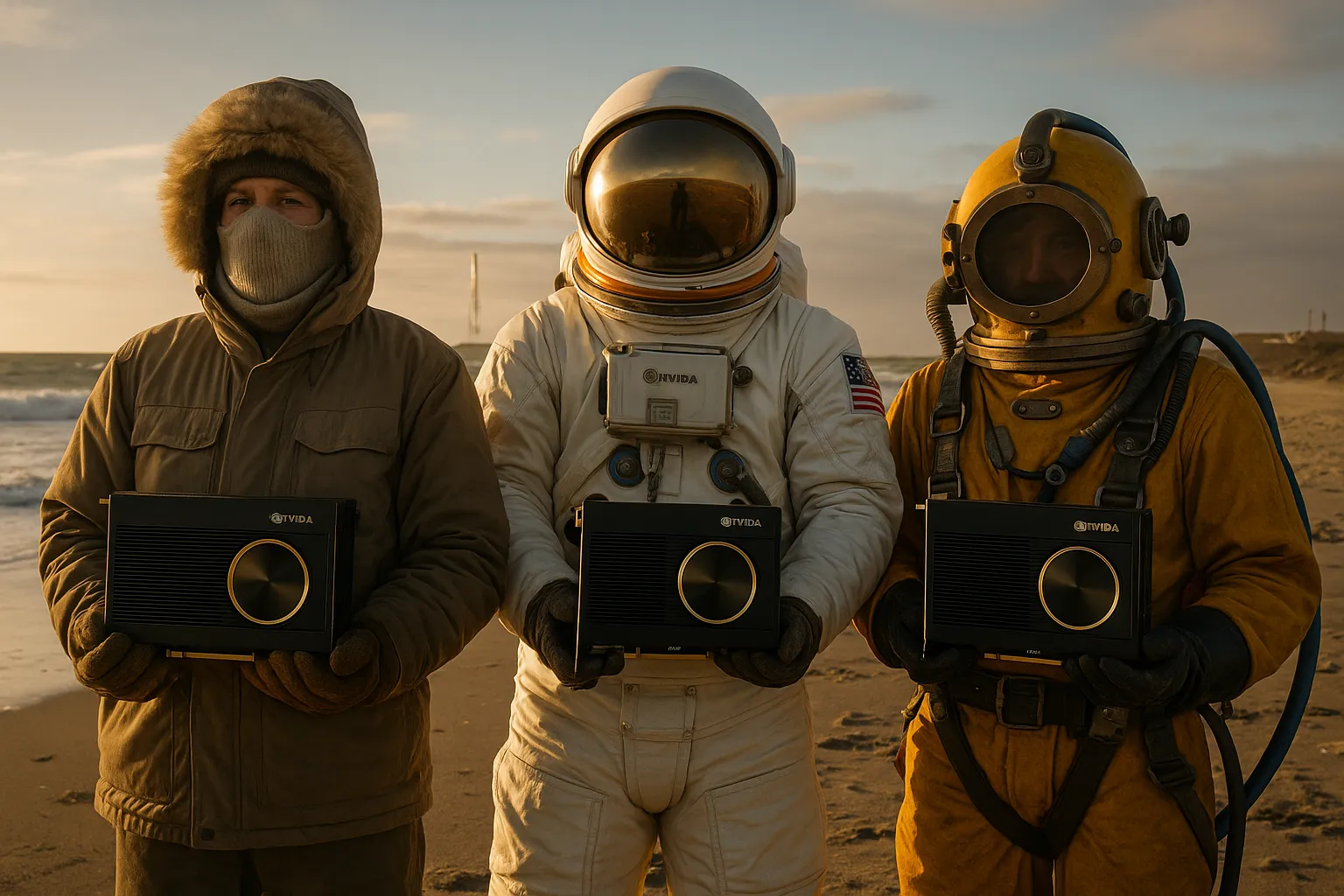
AI’s hunger for cooling pushes the data-center debate toward stranger places, including the possibility of hardware beyond Earth.

Abandoned space stations offer a way to think about decay, adaptation, and the afterlife of orbital infrastructure.

NASA’s use of Unreal Engine shows how game technology can become serious preparation for Mars operations.

A mock-technical romp through the AI Encabulator skewers buzzwords while celebrating the absurd poetry of engineering jargon.