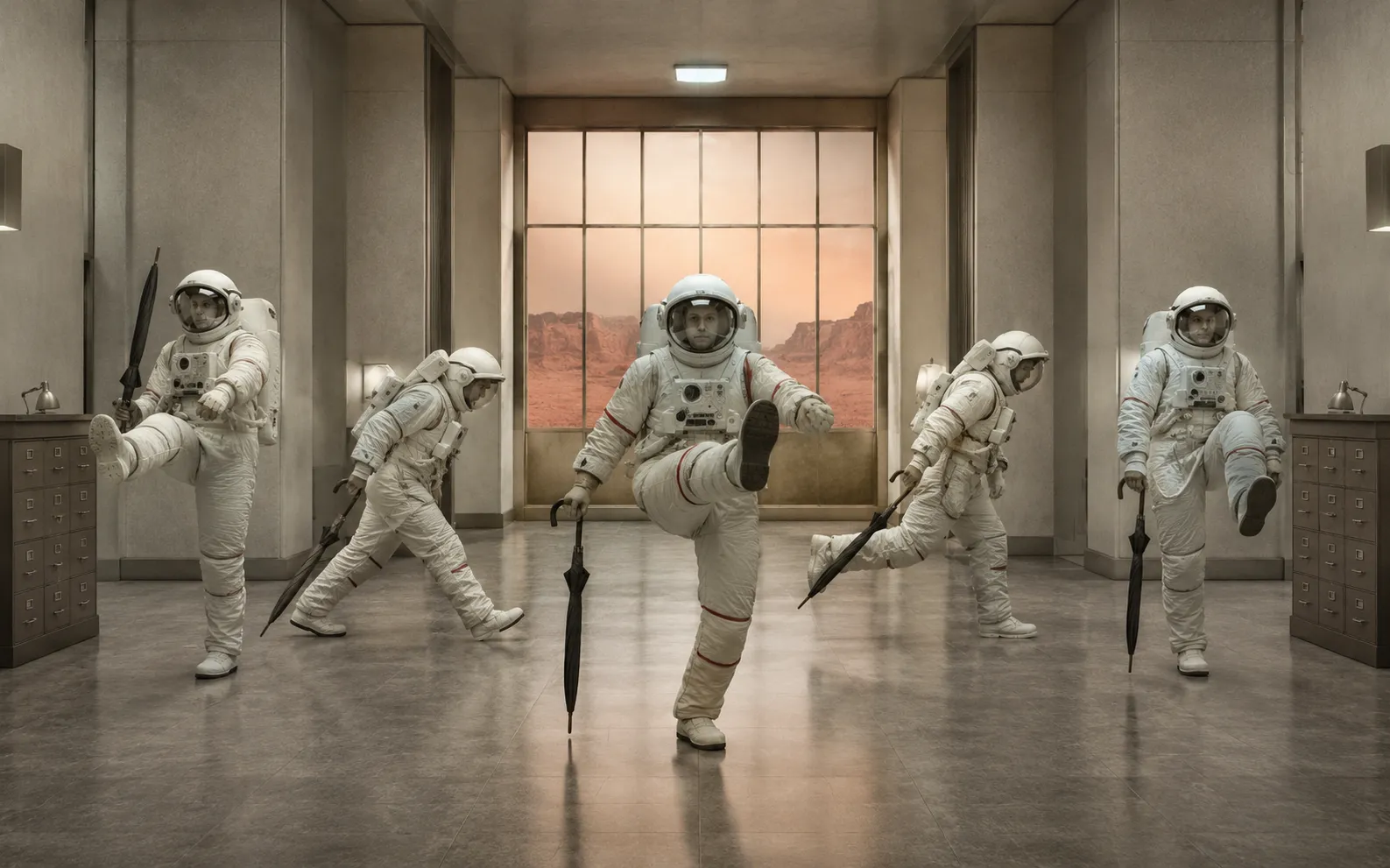
The Martian Ministry of Silly Walks
Wheels, legs, tracks, hoppers and flying scouts: a comic look at why Mars robots still roll, and why Optimus may be the wrong animal.
18posts
Wheels, legs, tracks, hoppers and flying scouts: a comic look at why Mars robots still roll, and why Optimus may be the wrong animal.
Neuralink looks different when viewed not as mind reading, but as a control interface for future off-world work.
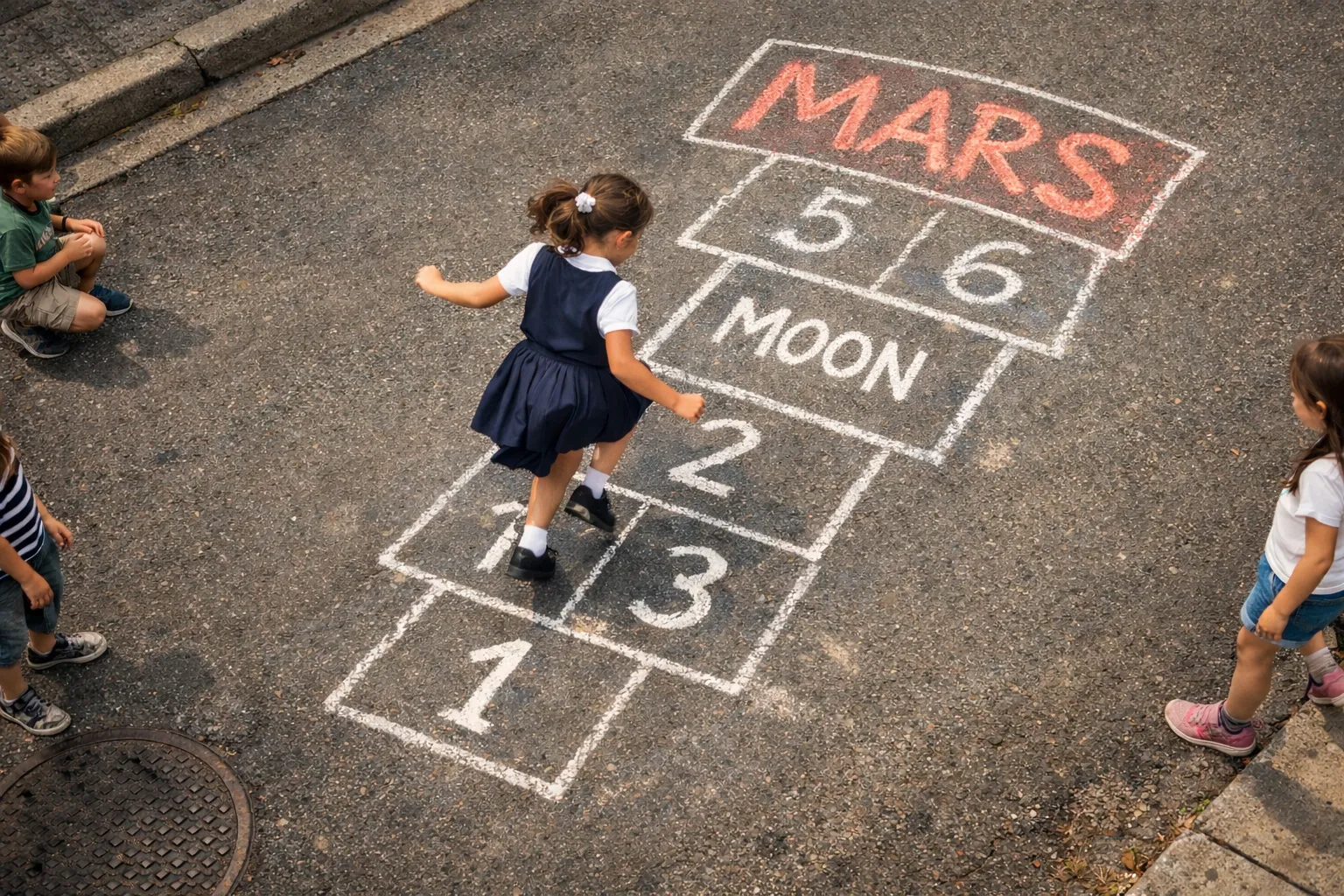
The Moon-first argument reframes lunar missions as the fastest feedback loop for building a real spacefaring civilization.

Aging Mars orbiters reveal the quiet fragility of the communication network that keeps robotic exploration alive.
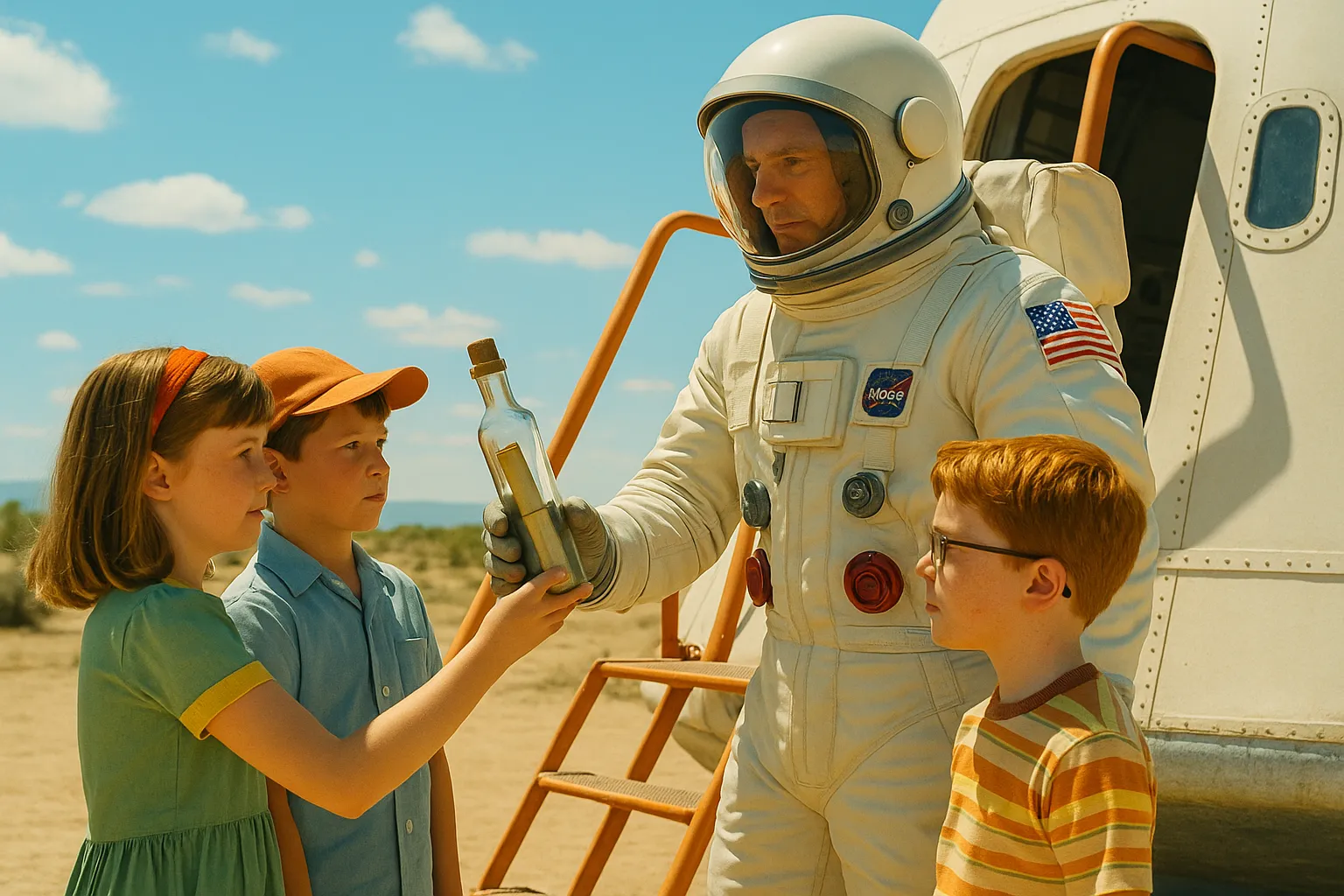
NASA’s name-to-space campaigns turn public participation into a small but surprisingly powerful emotional link with exploration.
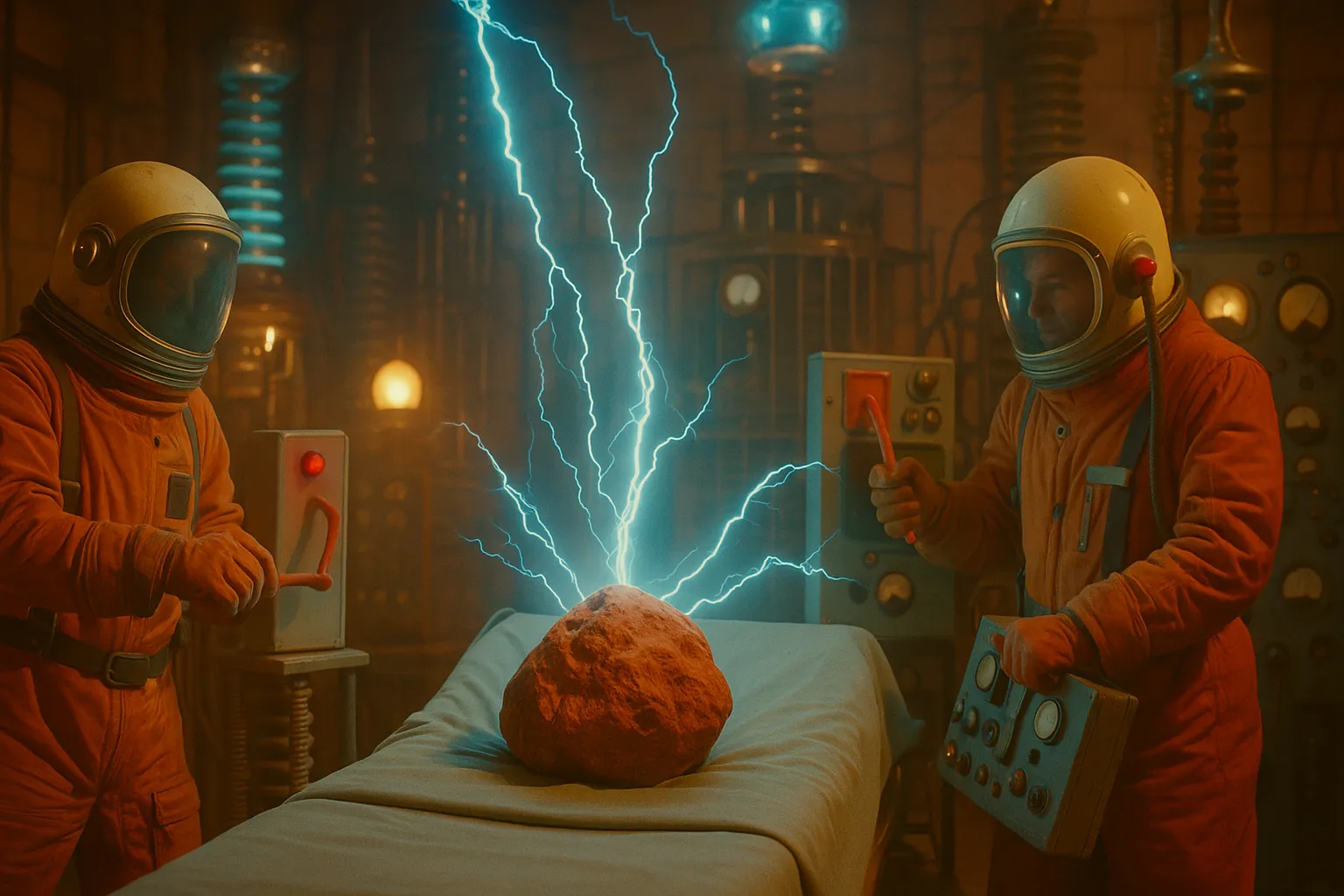
A Martian rock forces a hard question: what would count as evidence for life when certainty is out of reach?
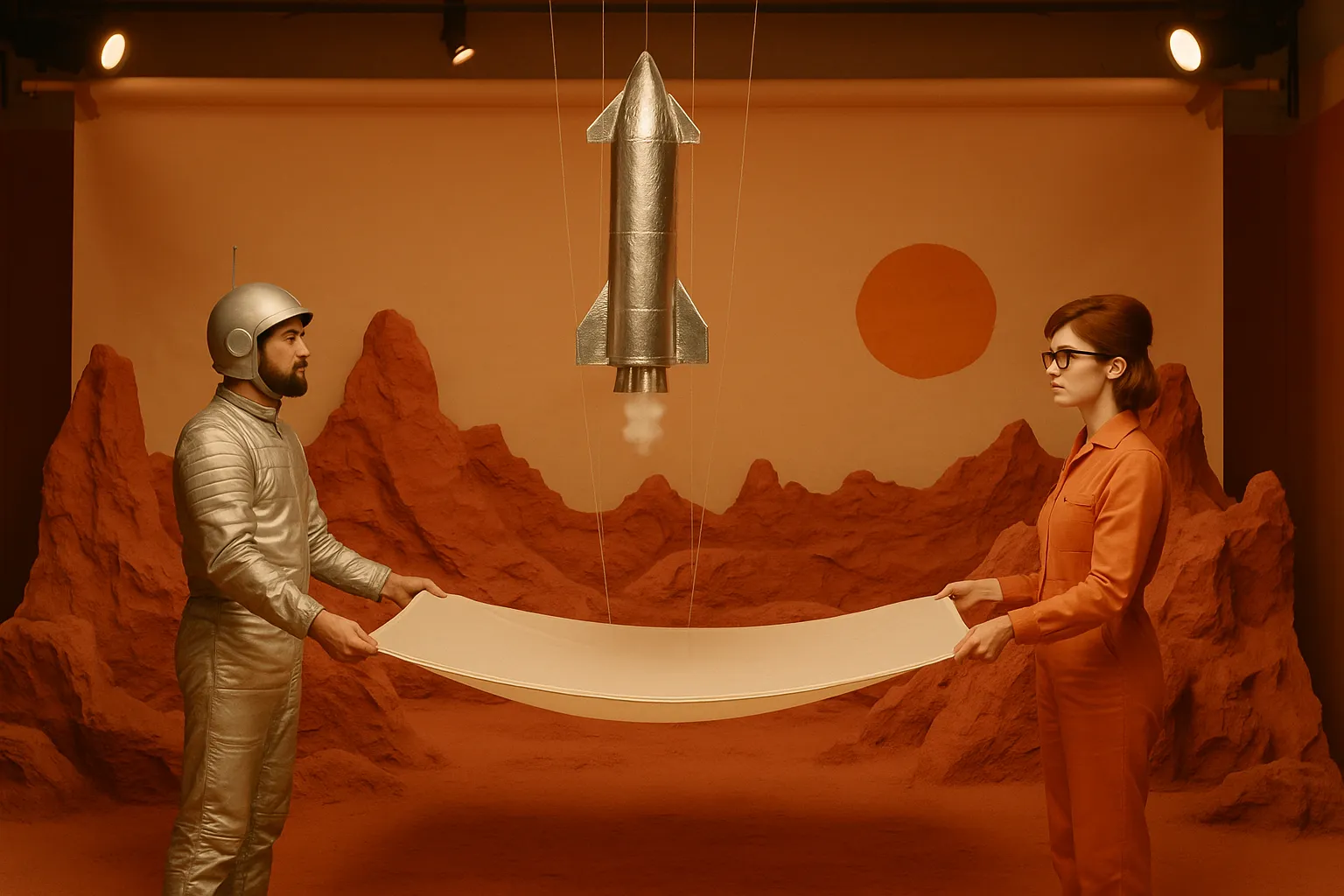
Landing Starship on Mars will not need launch-tower chopsticks, but it will demand a very different kind of precision.
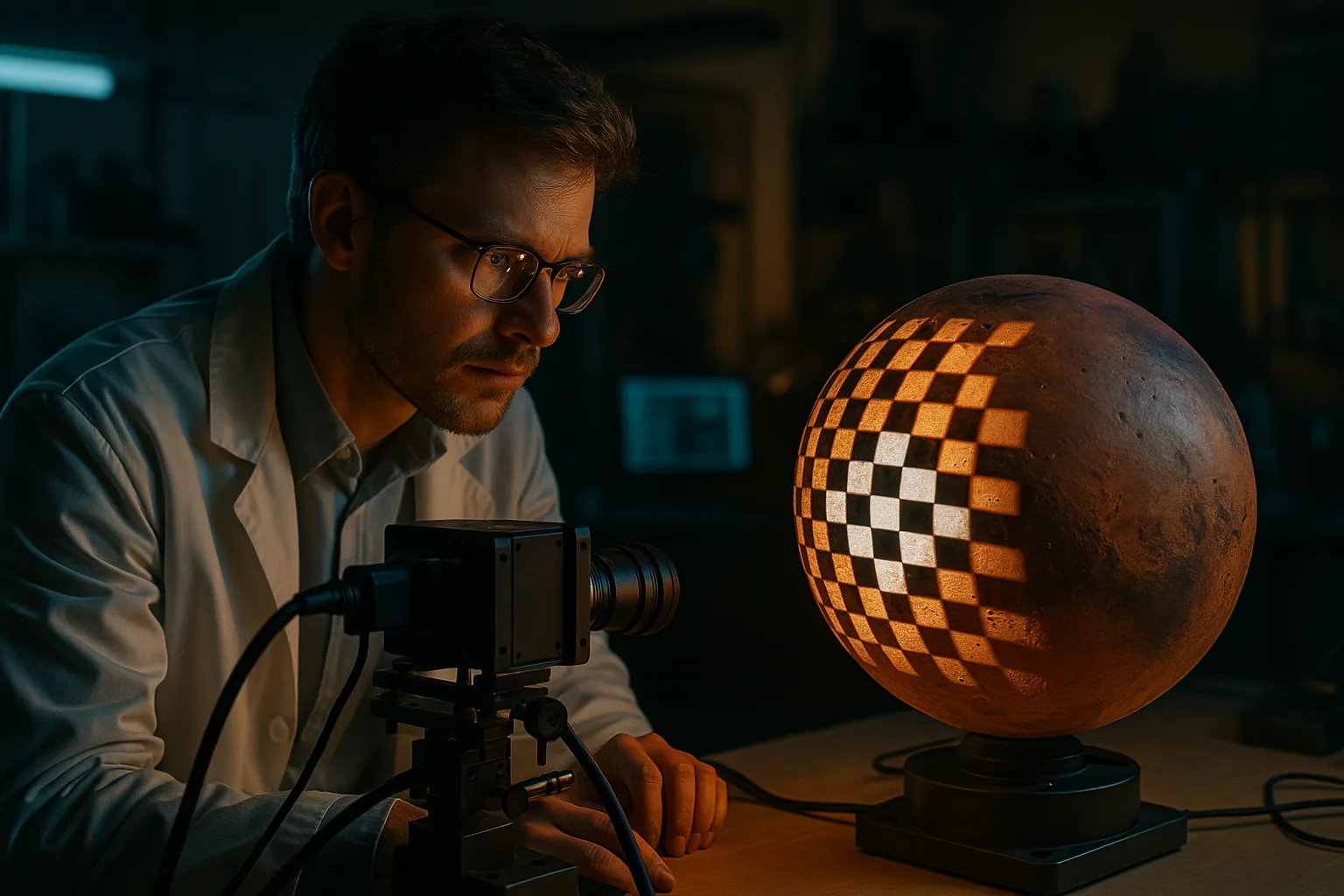
The Hadamard code links deep-space imaging and clever cameras through a beautiful trick of mathematics.

NASA’s Power of Ten rules show how disciplined software habits become survival tools in safety-critical systems.
Mars storms are less Hollywood than legend suggests, but the real weather still matters for future explorers.
NASA’s use of Unreal Engine shows how game technology can become serious preparation for Mars operations.
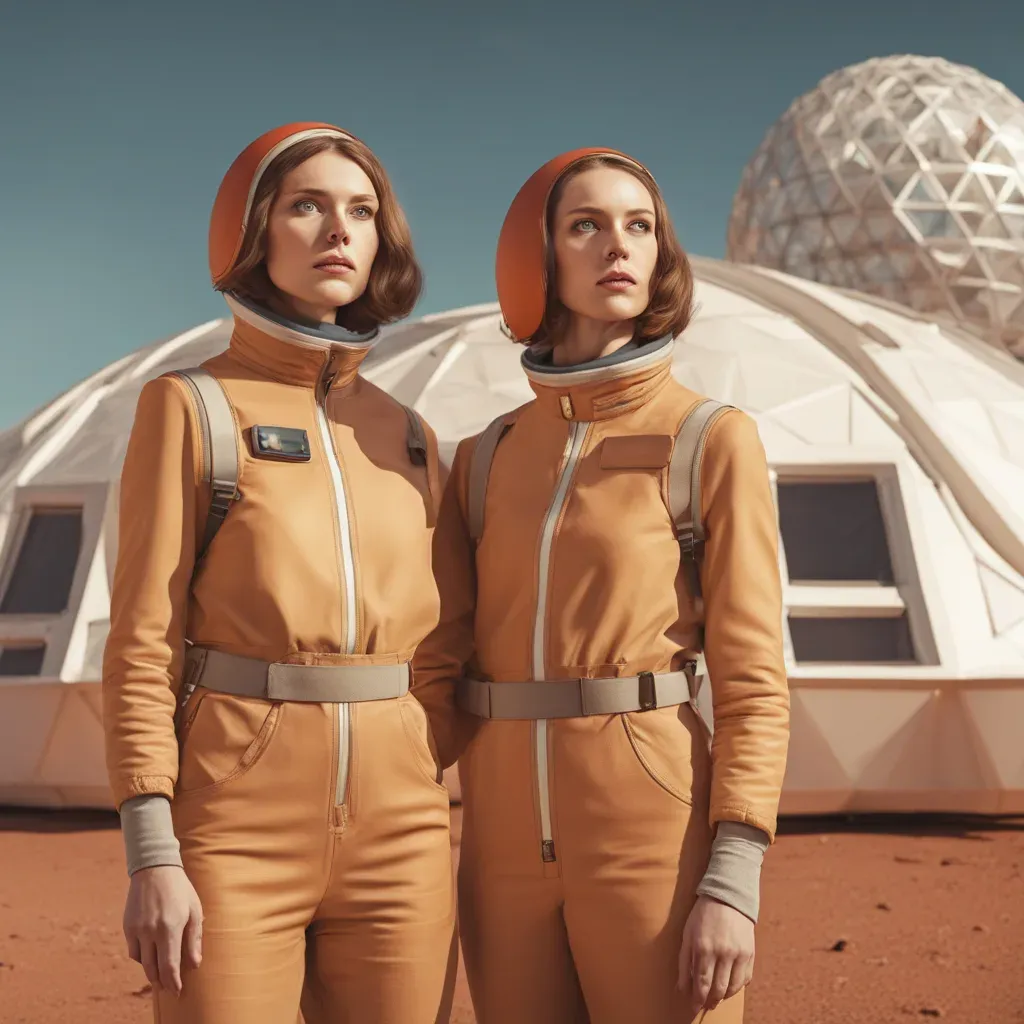
Buckminster Fuller’s geometry still feels futuristic because efficient structures matter on Earth and even more beyond it.

The hunt for life beyond Earth depends on instruments, patience, and the humility to recognize ambiguous evidence.
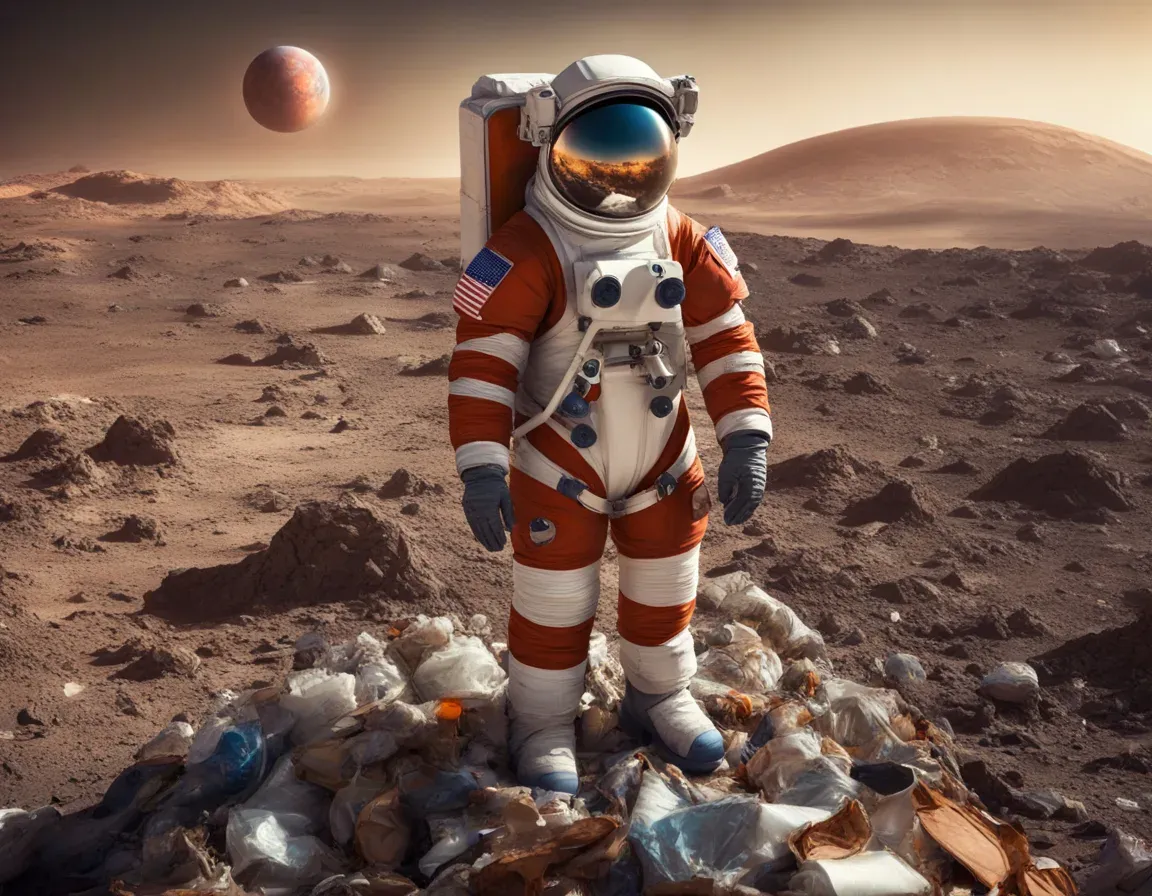
A Mars mission’s second layer of risk involves human limits, logistics, and the harsh details slogans leave out.
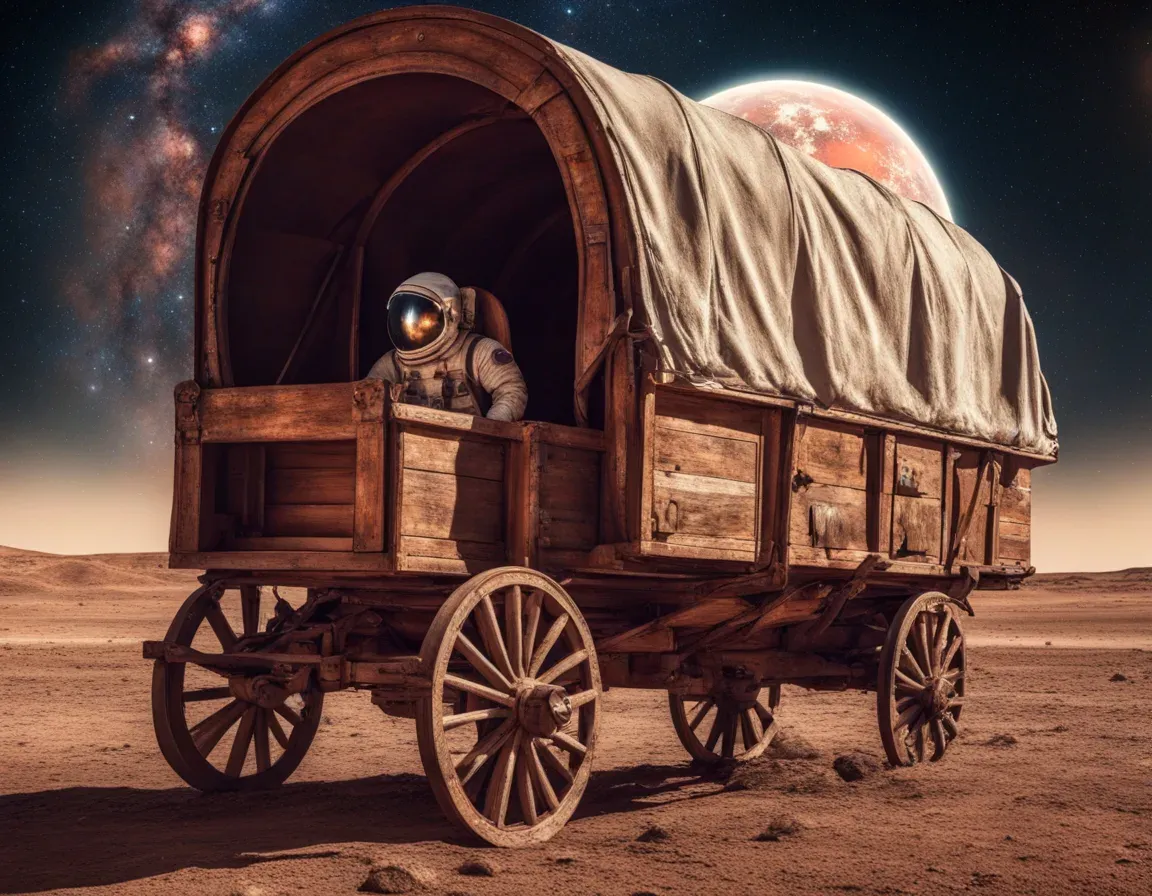
Getting to Mars is not one problem but a chain of hazards, each waiting to test the mission design.
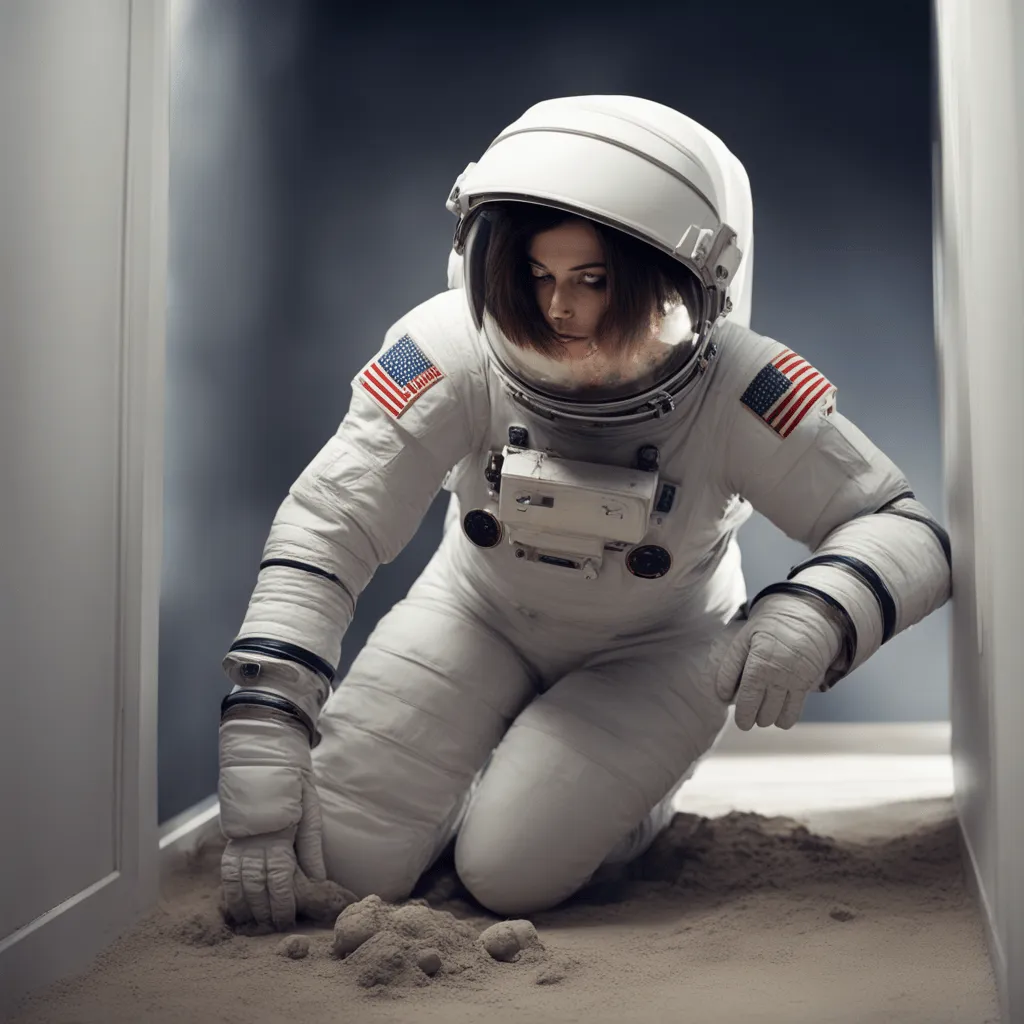
Dust links comets, moons, Mars, and spacecraft trouble in ways that are messy, beautiful, and surprisingly consequential.
Relativity is not just a science-fiction flourish; even practical space travel brushes against its subtle effects.
Radiation is one of the hardest barriers to deep-space travel, demanding shields, strategy, and biological realism.