
Special Delivery: One Used Falcon 9 Stage, Destination Moon
On August 5, the Moon is expected to receive four tonnes of human engineering at 2.43 kilometres per second. No signature will be required.
24posts
On August 5, the Moon is expected to receive four tonnes of human engineering at 2.43 kilometres per second. No signature will be required.
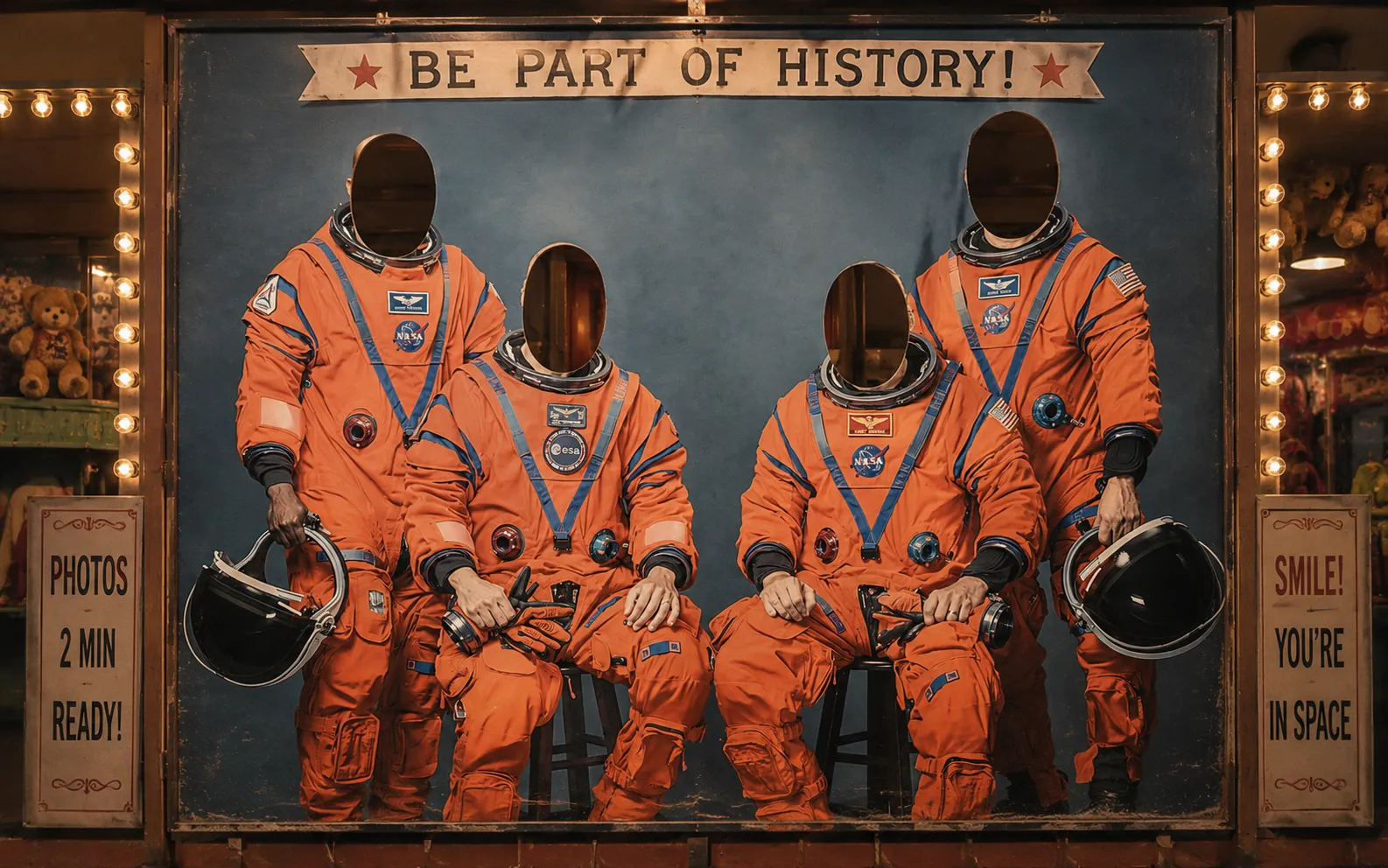
The Moon does not care about symbolic balance sheets. It only asks whether the spacecraft works and the crew belongs there.

Prada and Axiom turn lunar fashion into survival tech: not moon couture, but cooling loops, seams, and elegance against vacuum, proving fit is life support.
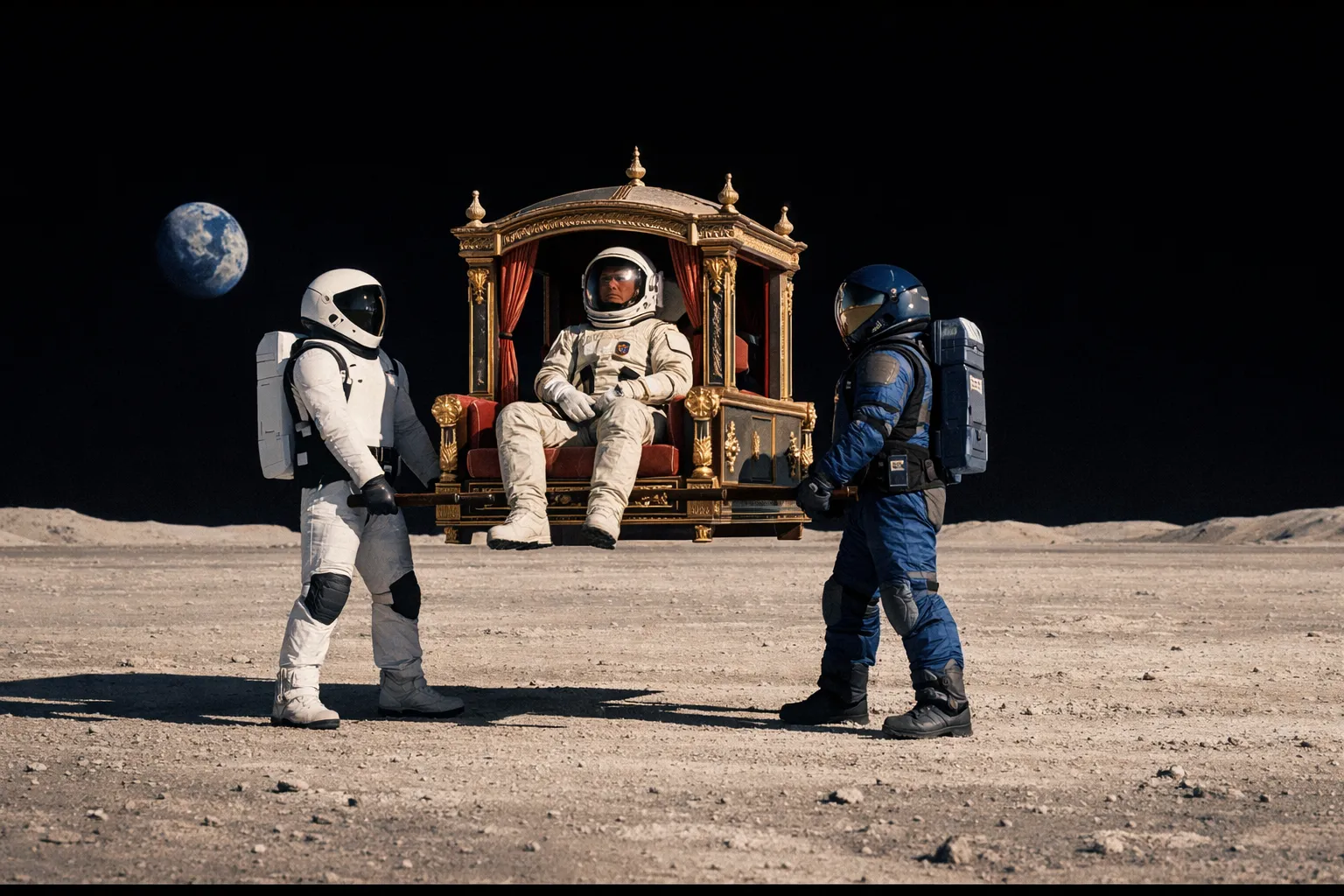
NASA sketches a future lunar base, but the most interesting clues may be in the names it leaves unsaid.
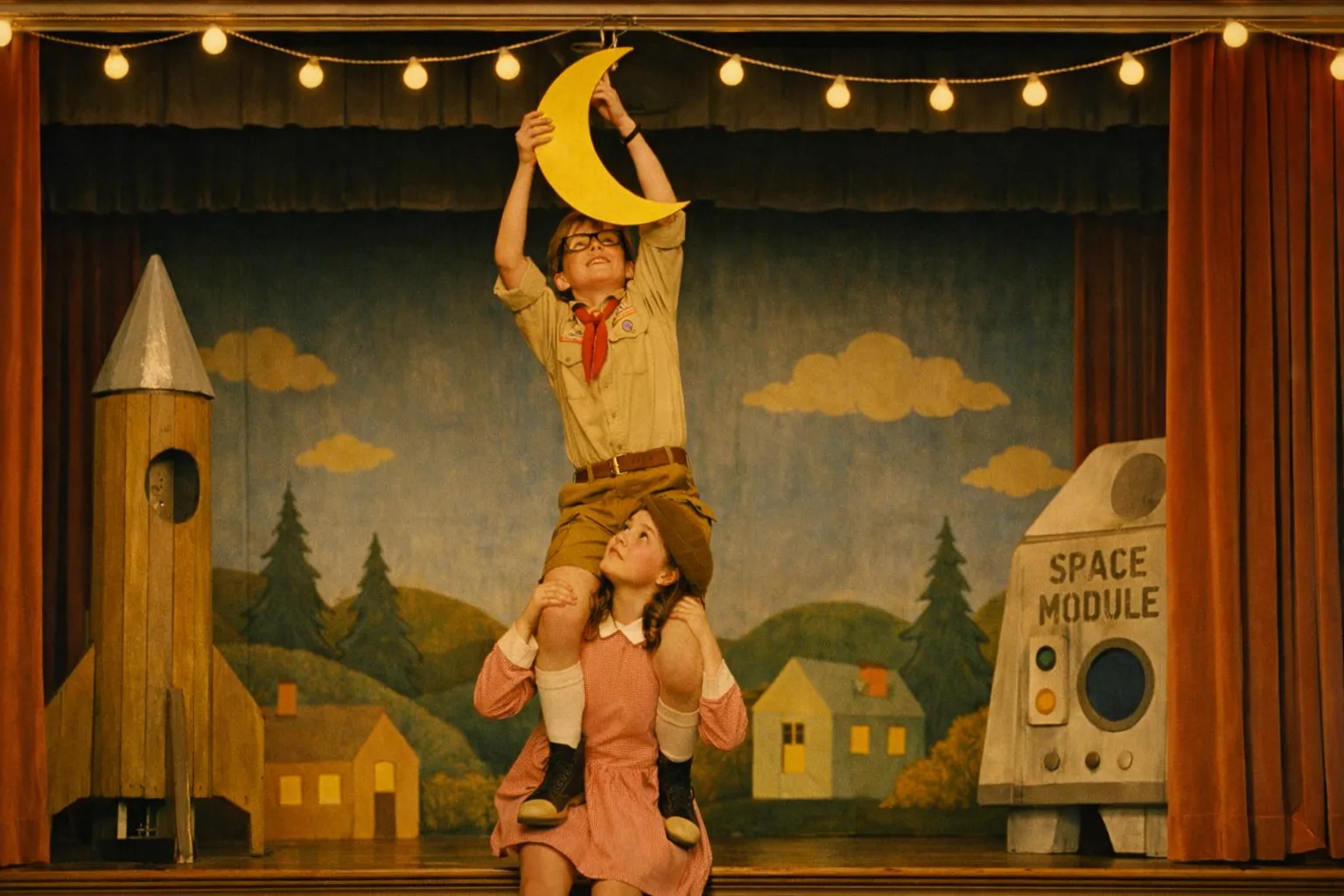
Artemis II proves deep-space capability is back, but it also highlights why Starship still matters for the next step.
Neuralink looks different when viewed not as mind reading, but as a control interface for future off-world work.
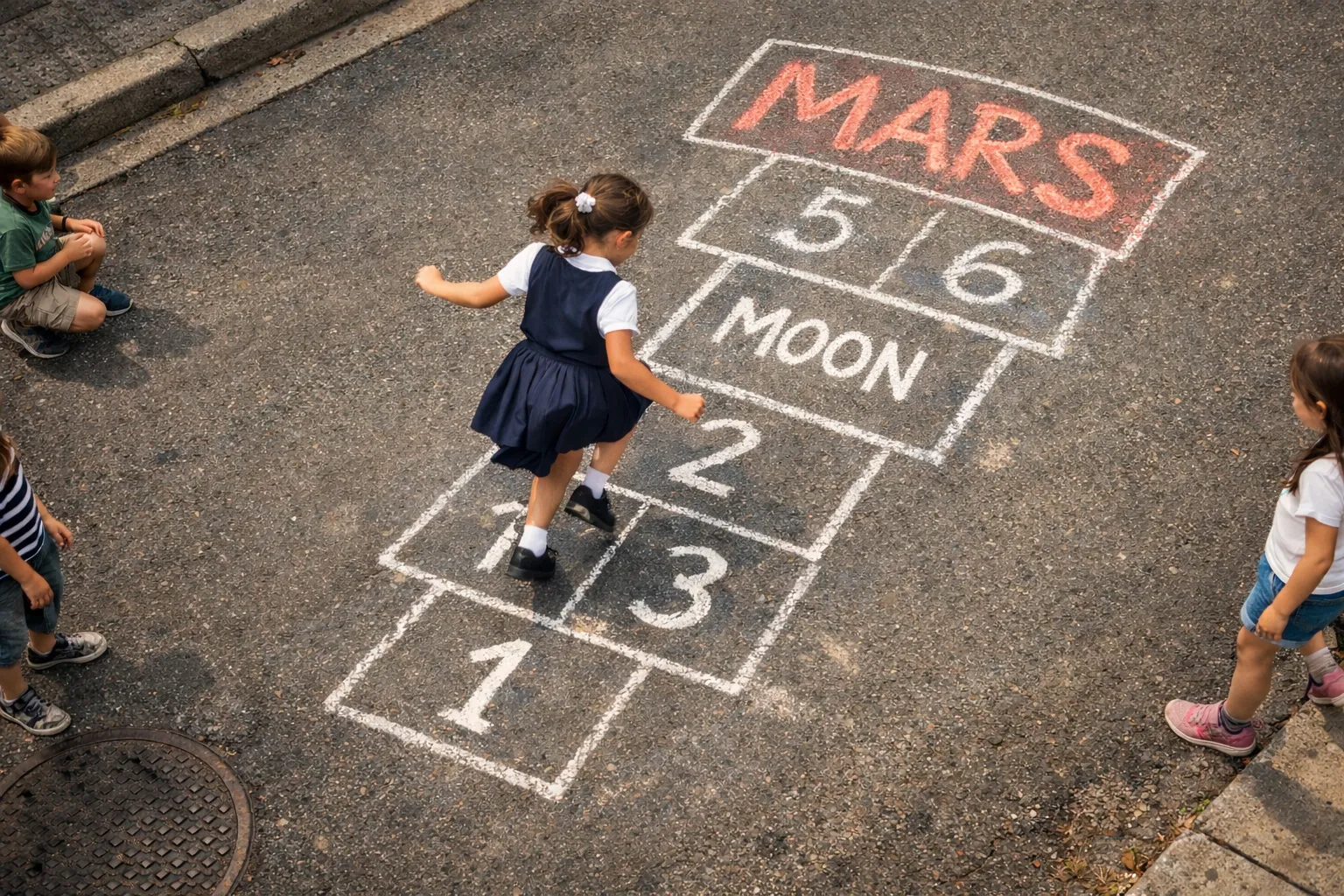
The Moon-first argument reframes lunar missions as the fastest feedback loop for building a real spacefaring civilization.
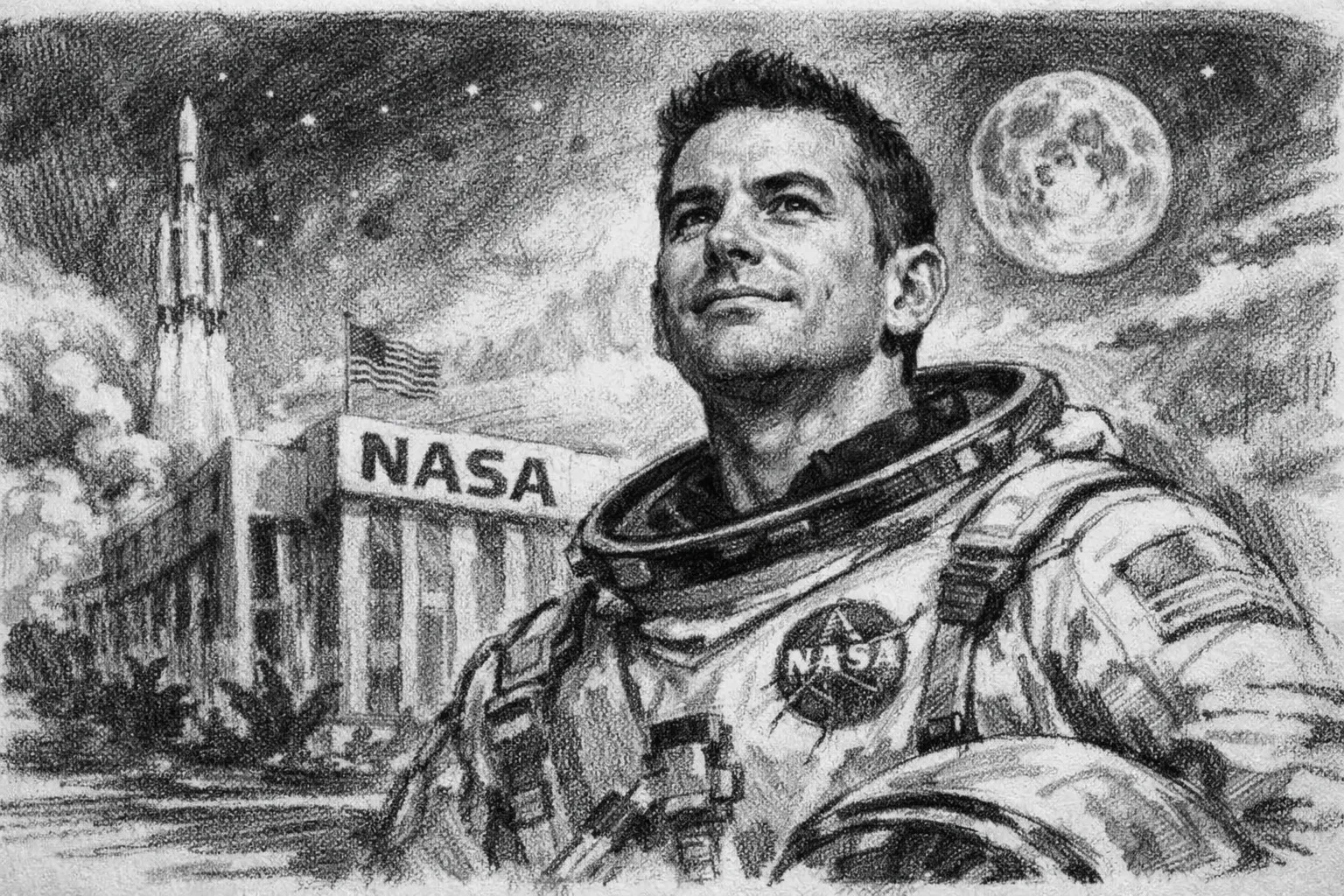
Jared Isaacman’s arrival at NASA signals a possible shift in how public ambition and private speed meet in space.
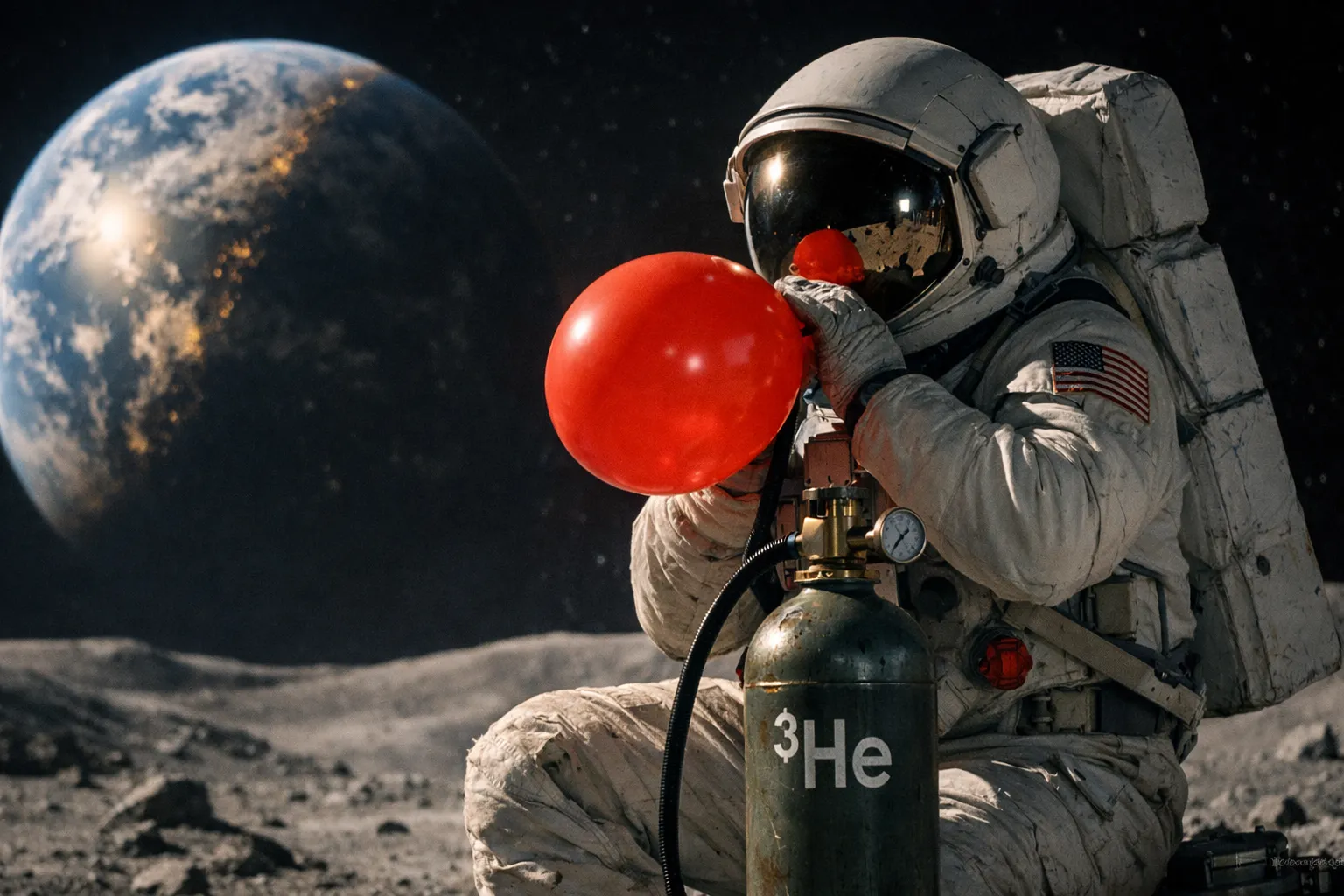
The Moon’s helium-3 dream is seductive, but the physics and economics demand a much colder reality check.
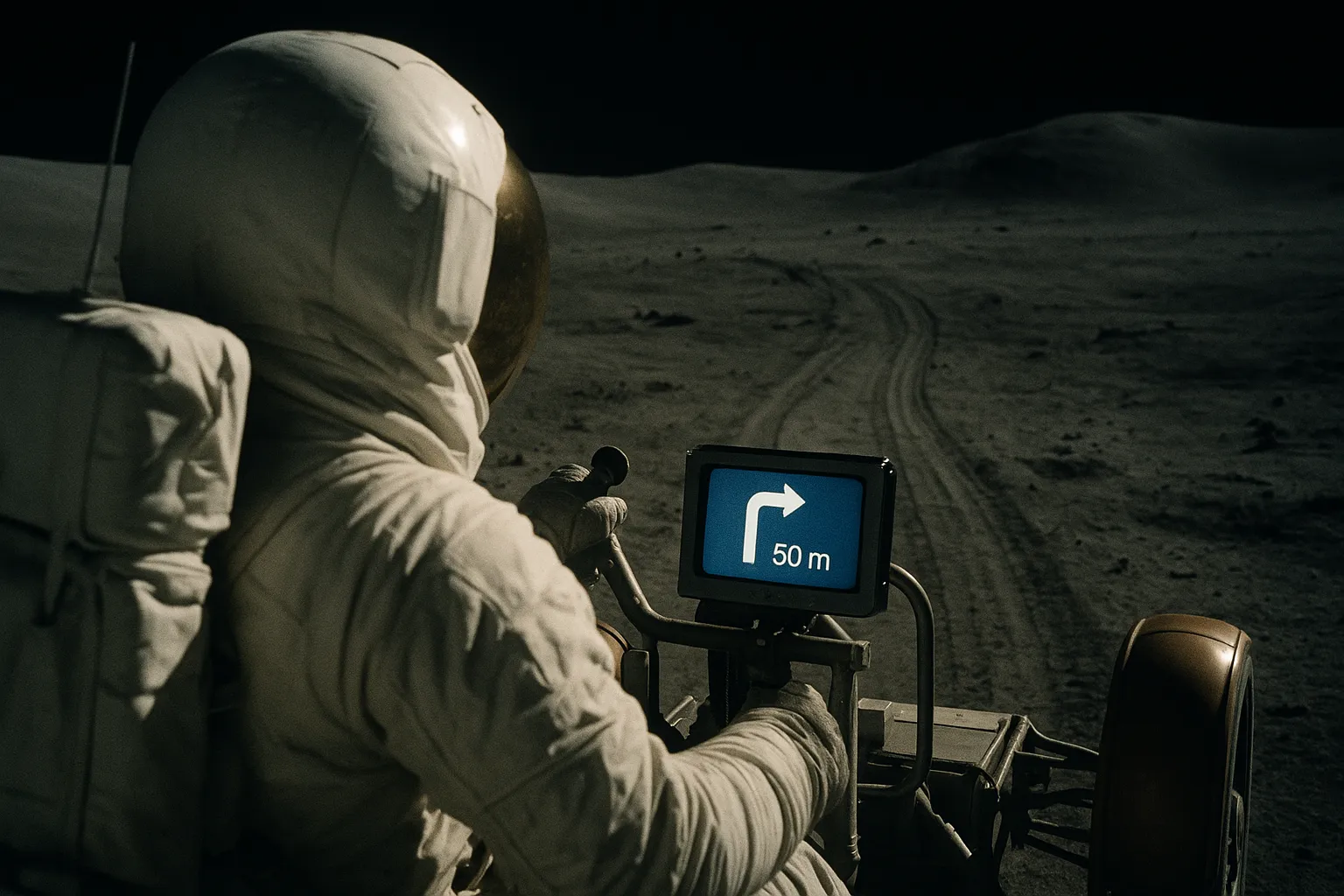
NASA’s LuGRE experiment asks a deceptively simple question: can Earth’s navigation signals help explorers find their way on the Moon?
A tiny asteroid mistaken for a new moon becomes a neat lesson in orbital nuance and public excitement.
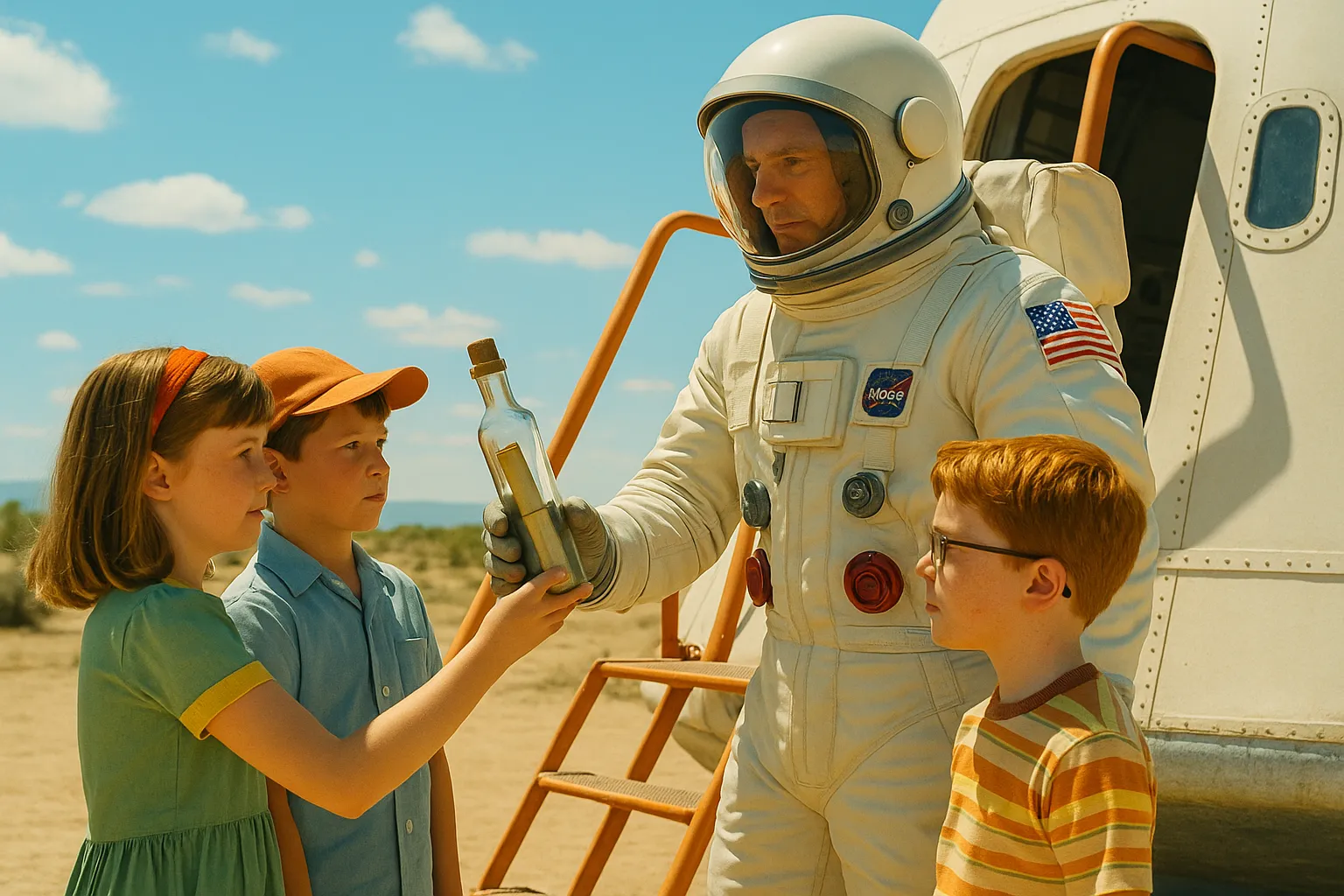
NASA’s name-to-space campaigns turn public participation into a small but surprisingly powerful emotional link with exploration.
NASA’s TRL scale turns vague invention talk into a practical ladder from idea to flight-proven hardware.
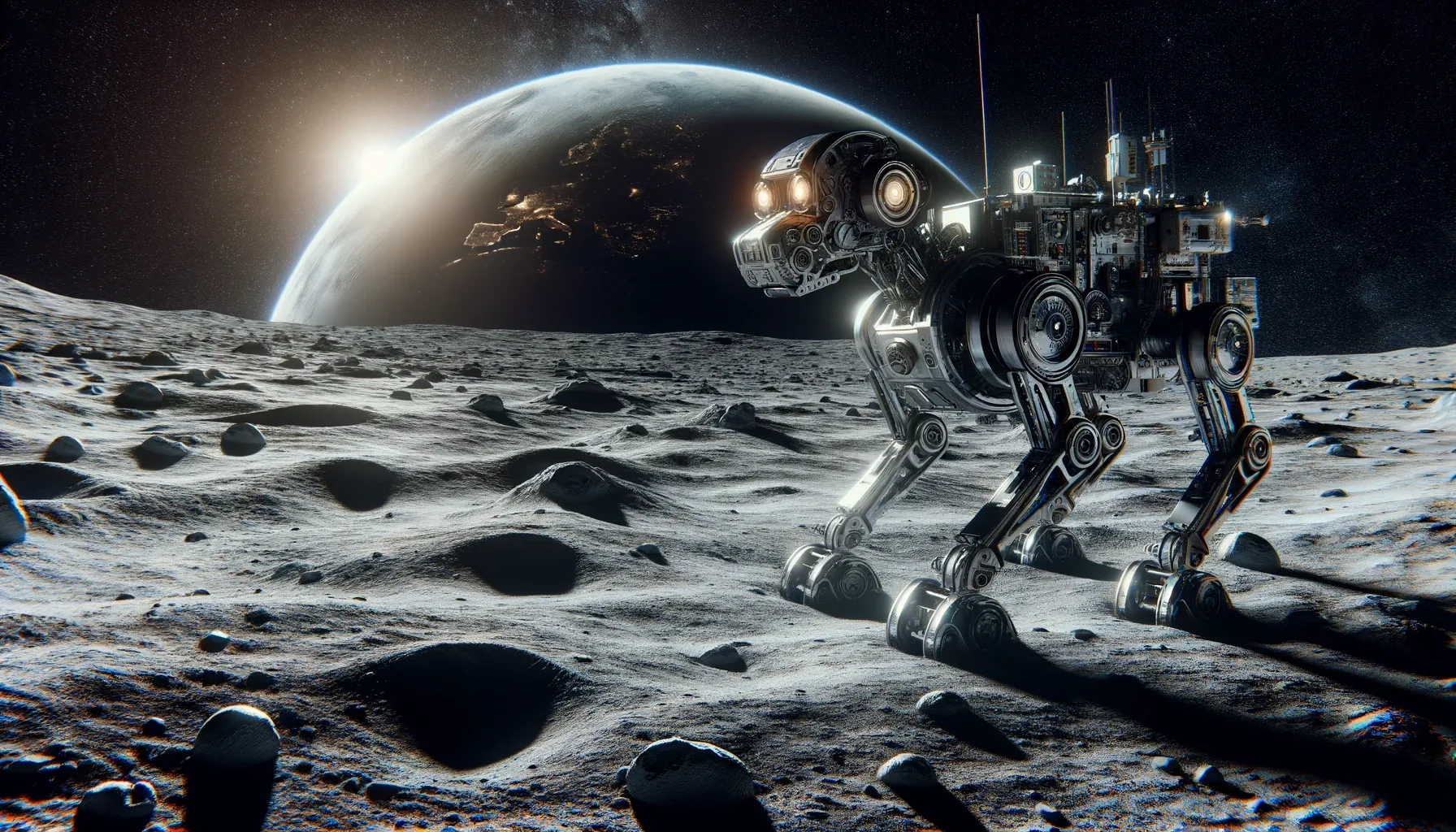
On the Moon, the choice between wheels and legs is really a question about terrain, energy, and mission style.
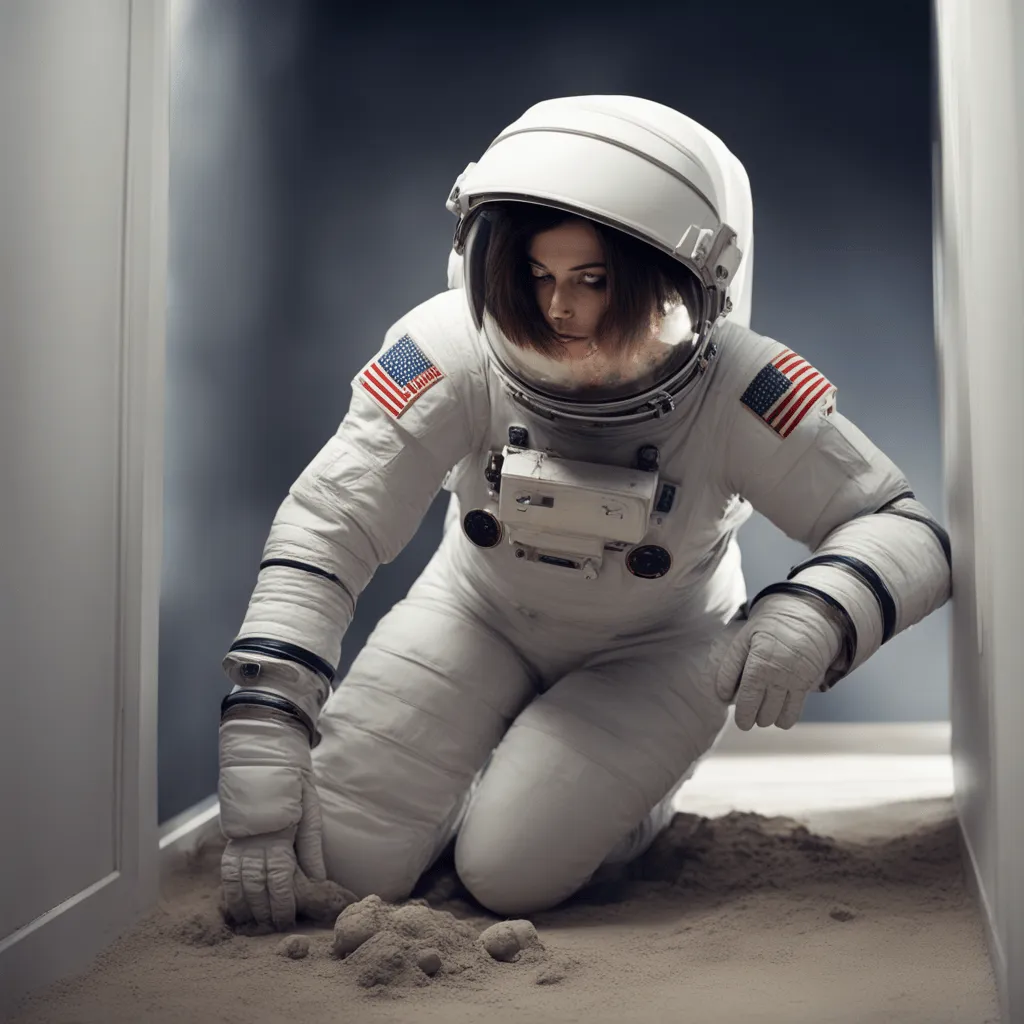
Dust links comets, moons, Mars, and spacecraft trouble in ways that are messy, beautiful, and surprisingly consequential.
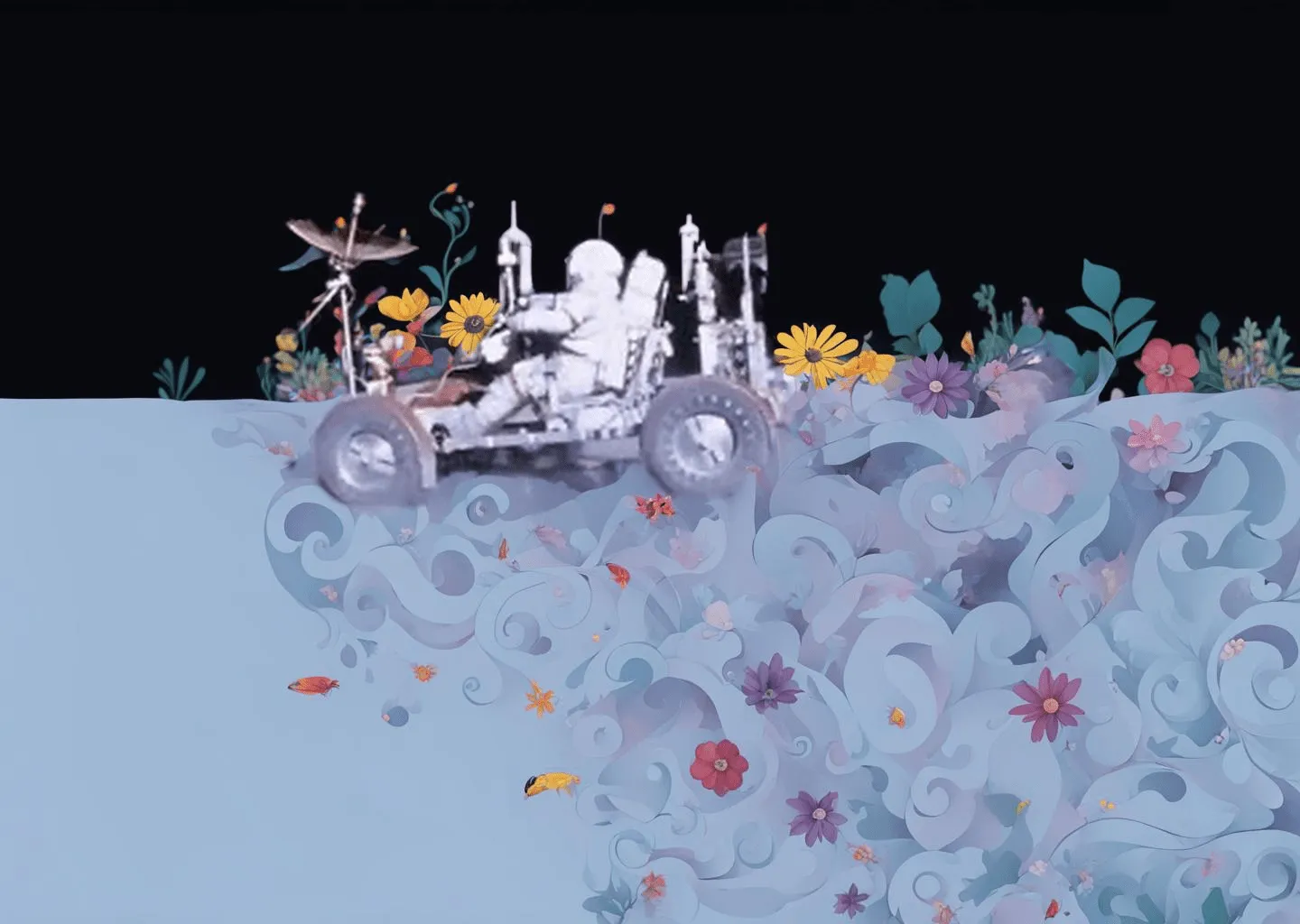
The lunar rover turned walking distance into exploration range, changing what astronauts could actually do on the Moon.
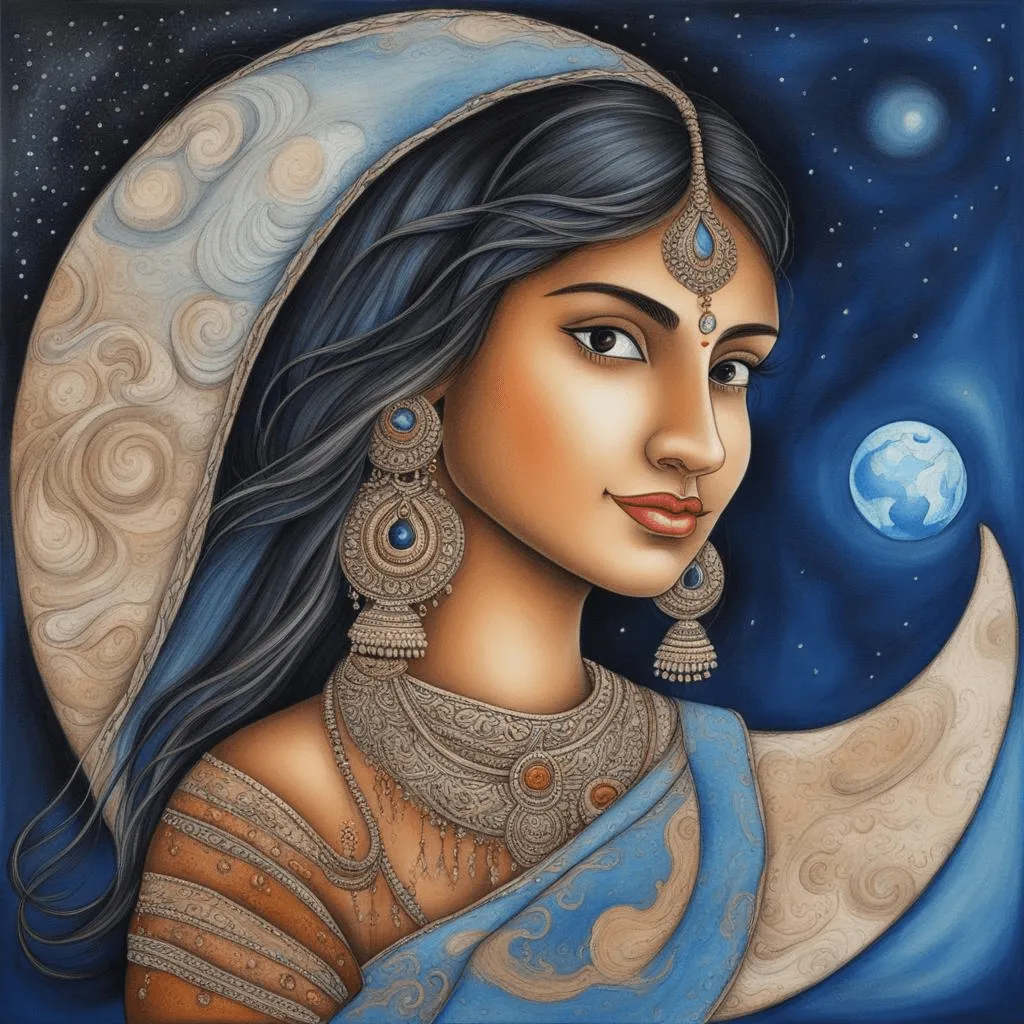
The lunar south pole matters because shadow, ice, terrain, and politics all converge in one difficult region.
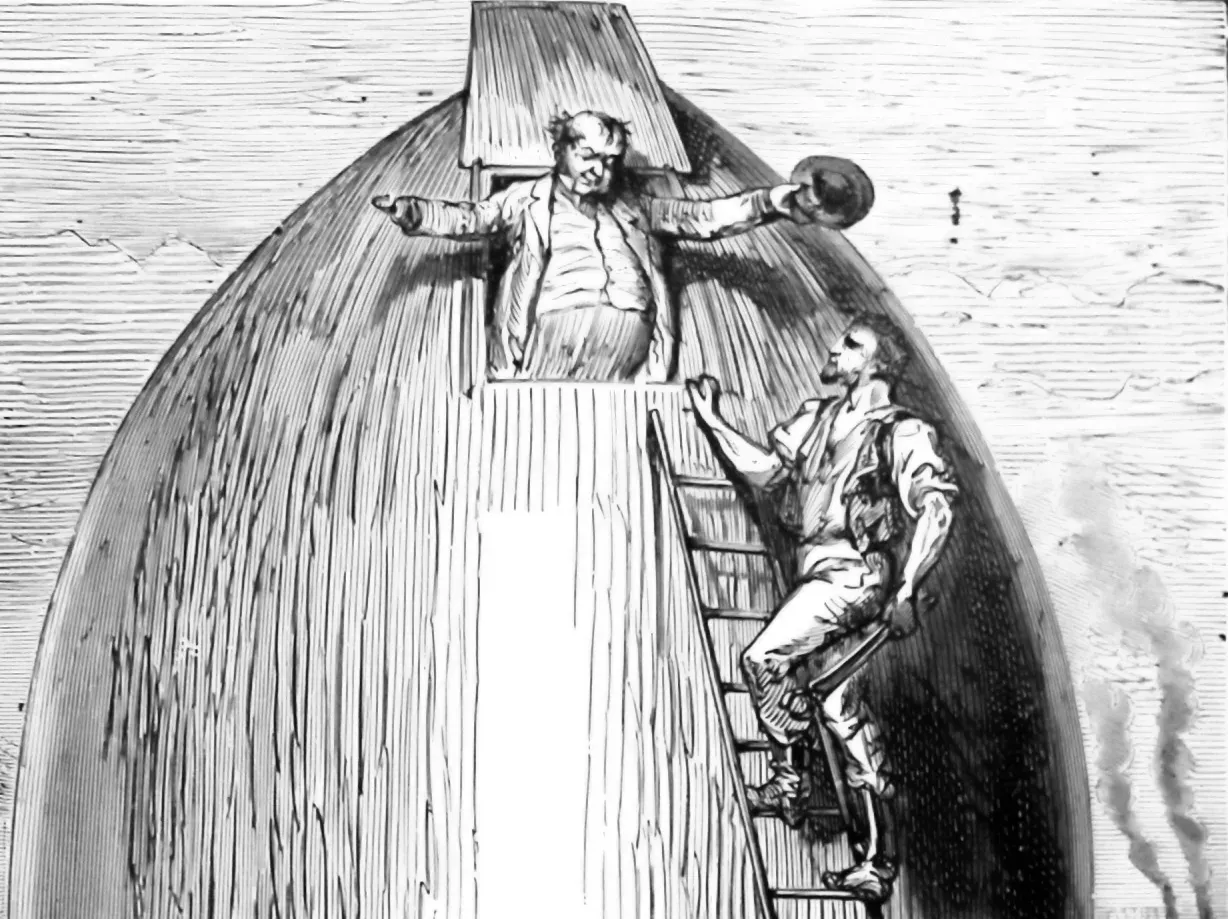
Jules Verne’s Moon voyage was wildly wrong in places and surprisingly insightful in others.
Apollo 11 left more on the Moon than footprints, and those objects tell a surprisingly human story.
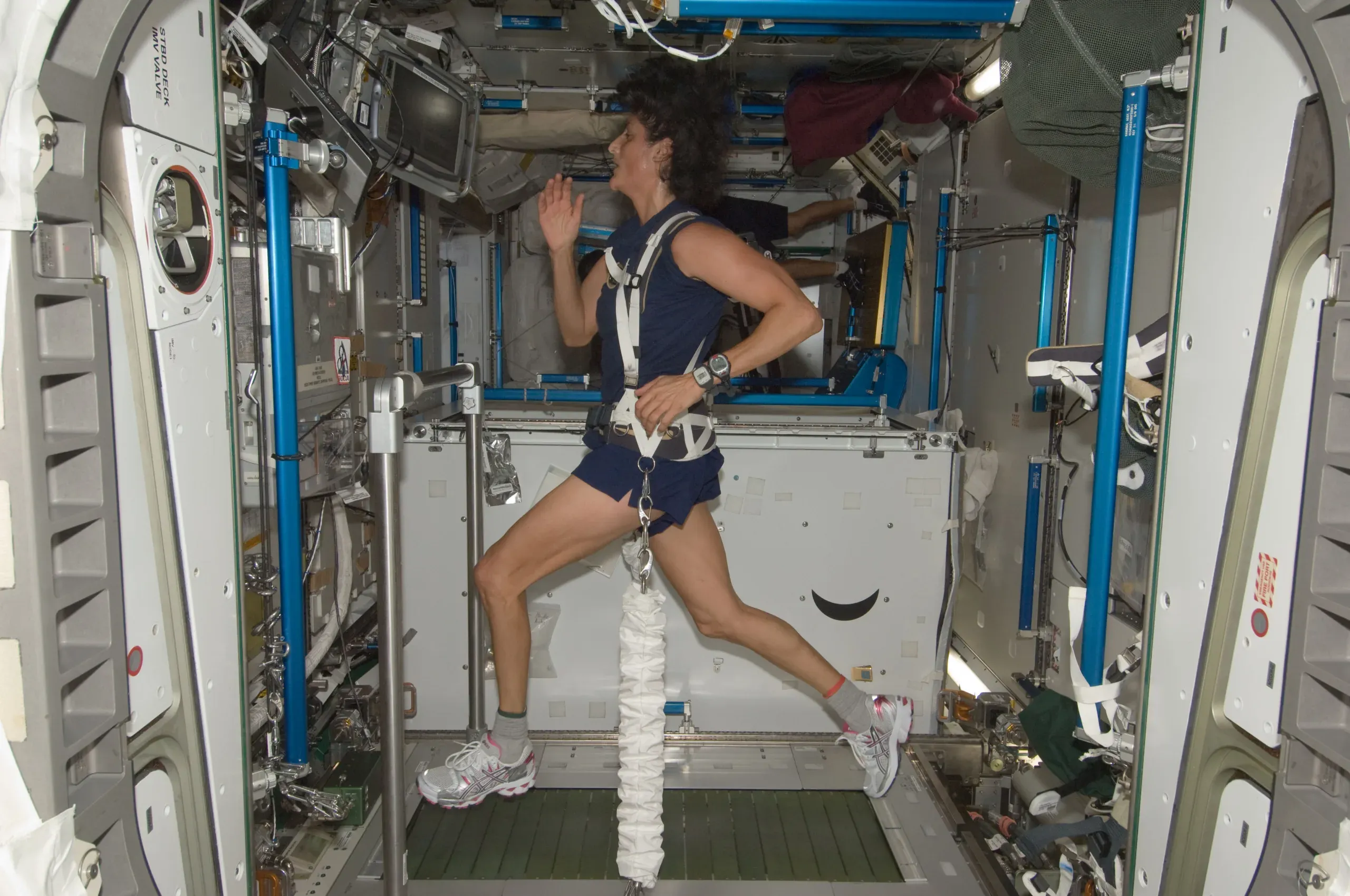
Sports in low gravity invite strange rules, new movements, and a future where play adapts to orbit.

Apollo 12’s hidden Playboy joke reveals the informal human humor tucked inside one of history’s most serious programs.

The rumor of astronaut suicide pills says more about fear, secrecy, and mythmaking than actual mission practice.
Hollywood’s space stories shape public imagination, sometimes revealing as much about Earthly culture as cosmic travel.
Radiation is one of the hardest barriers to deep-space travel, demanding shields, strategy, and biological realism.