
The Moon Has No HR Department
The Moon does not care about symbolic balance sheets. It only asks whether the spacecraft works and the crew belongs there.
34posts
The Moon does not care about symbolic balance sheets. It only asks whether the spacecraft works and the crew belongs there.

Private space is messy, loud, and sometimes explosive. But without it, the Moon would be mostly rhetoric and Mars a screensaver.
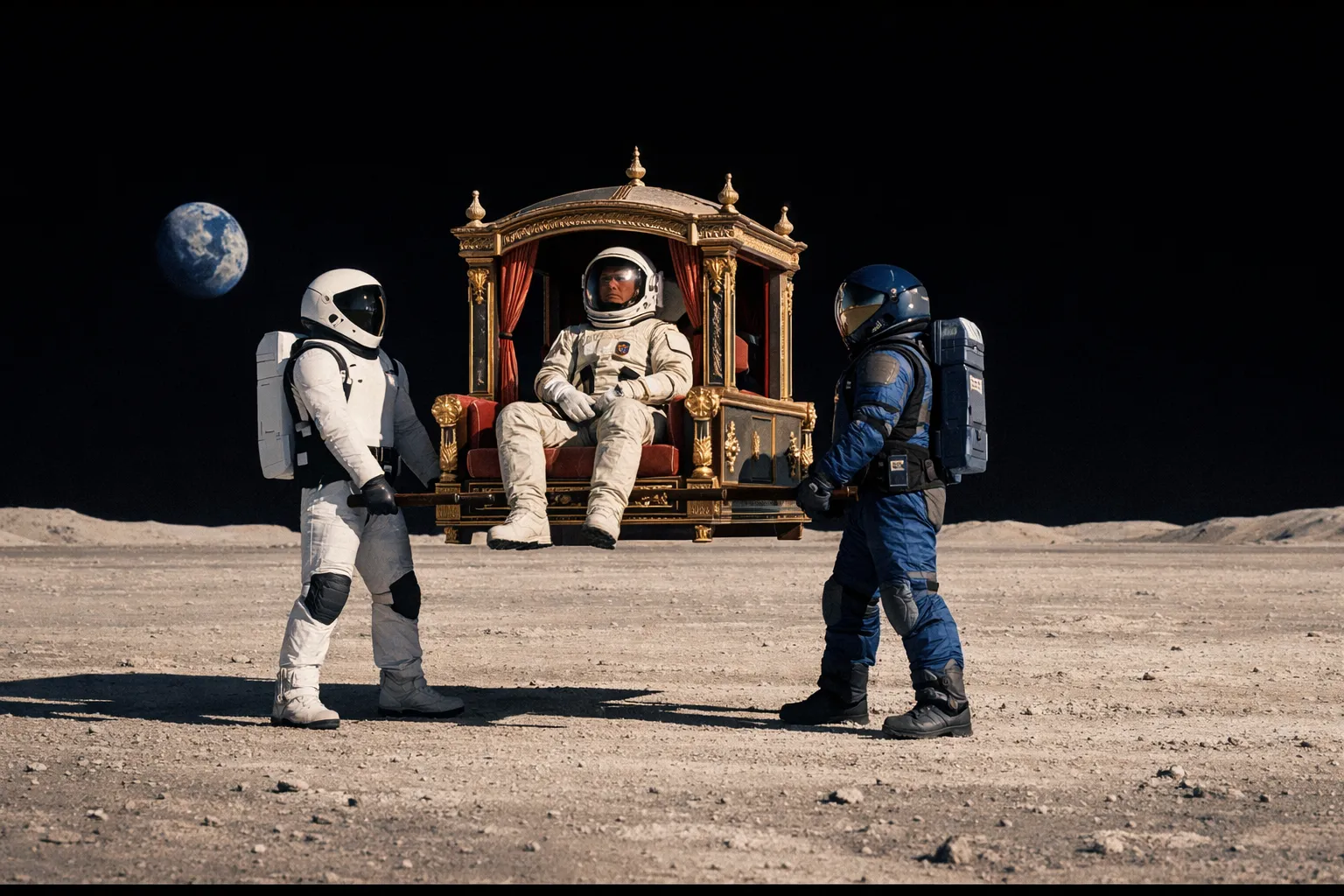
NASA sketches a future lunar base, but the most interesting clues may be in the names it leaves unsaid.

Artemis II proves deep-space capability is back, but it also highlights why Starship still matters for the next step.
Starliner’s upgraded incident classification turns commercial crew redundancy from procurement theory into a concrete safety question.
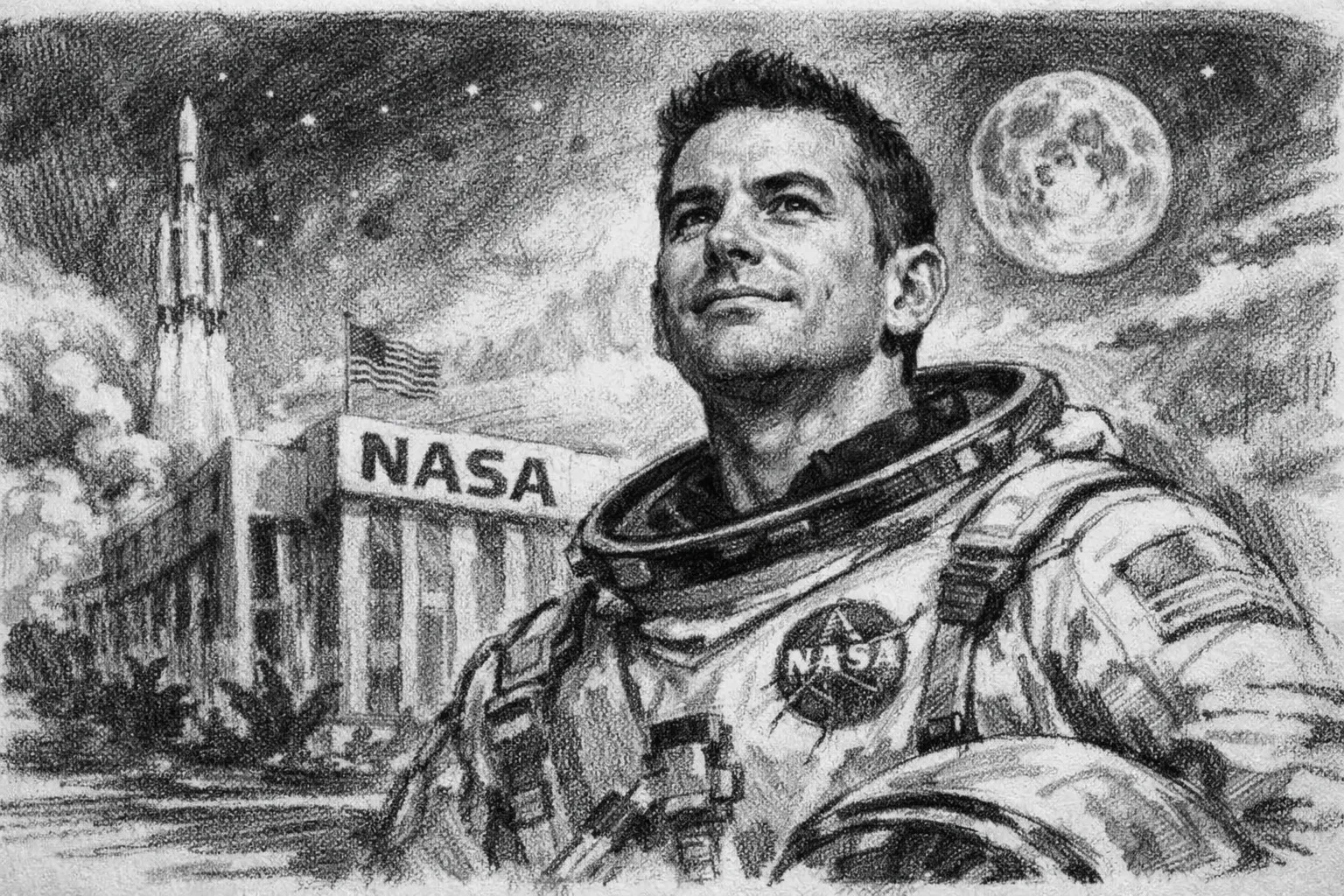
Jared Isaacman’s arrival at NASA signals a possible shift in how public ambition and private speed meet in space.

Roman’s completed assembly brings NASA closer to a telescope built to widen our view of planets, galaxies, and dark energy.

Aging Mars orbiters reveal the quiet fragility of the communication network that keeps robotic exploration alive.
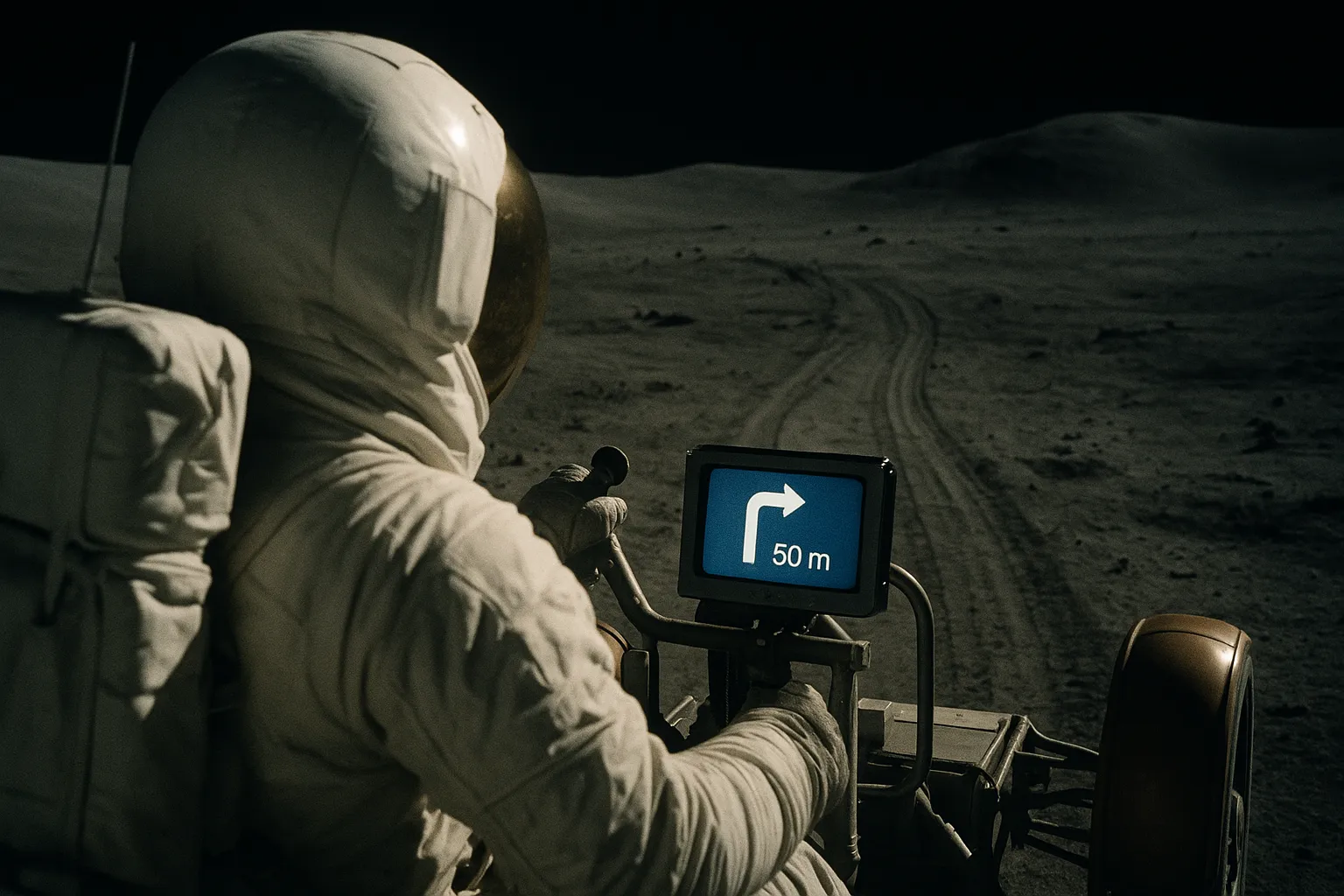
NASA’s LuGRE experiment asks a deceptively simple question: can Earth’s navigation signals help explorers find their way on the Moon?

From Apollo’s radios to modern weak-signal techniques, space communication is a story of doing more with less power.

NASA’s name-to-space campaigns turn public participation into a small but surprisingly powerful emotional link with exploration.
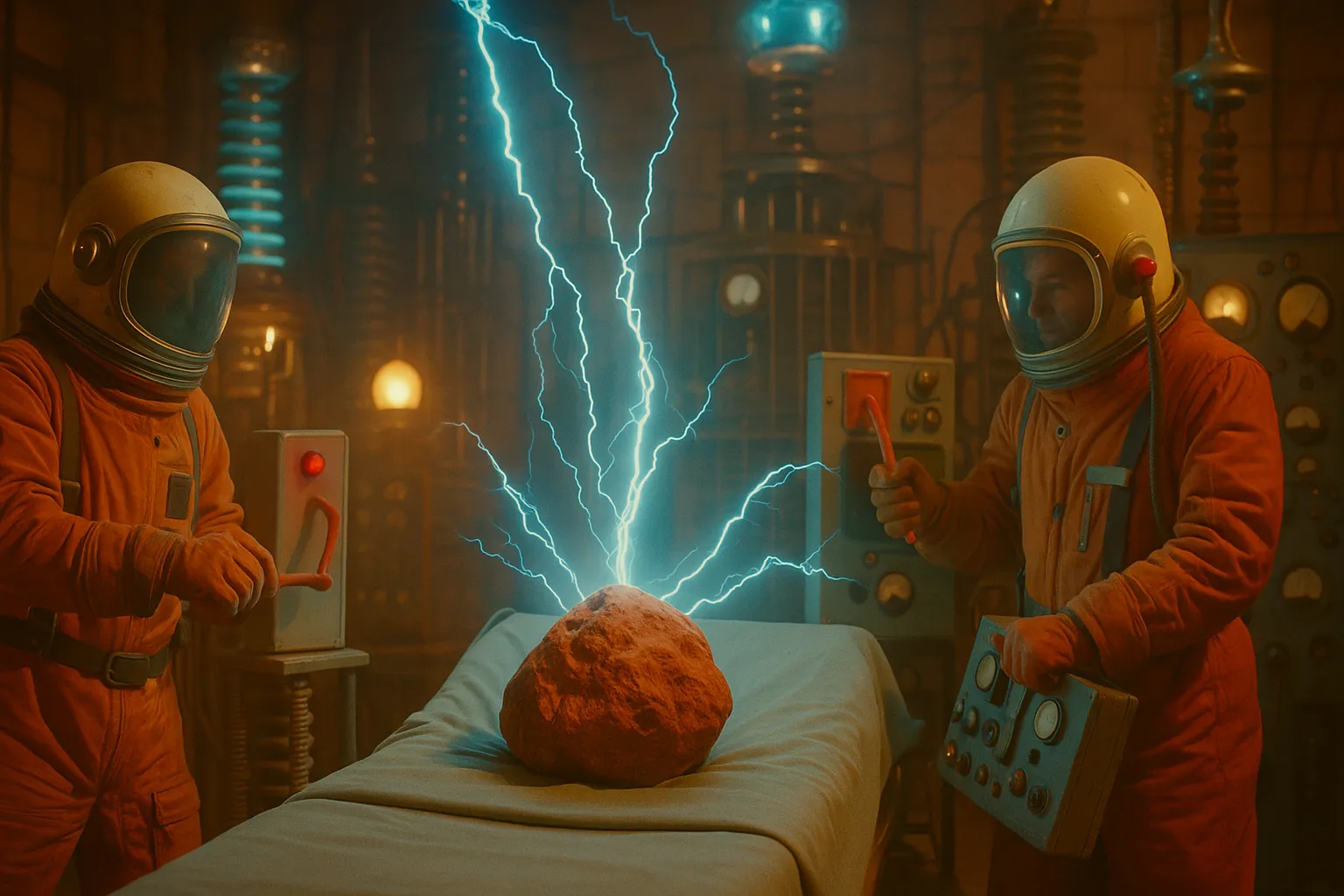
A Martian rock forces a hard question: what would count as evidence for life when certainty is out of reach?
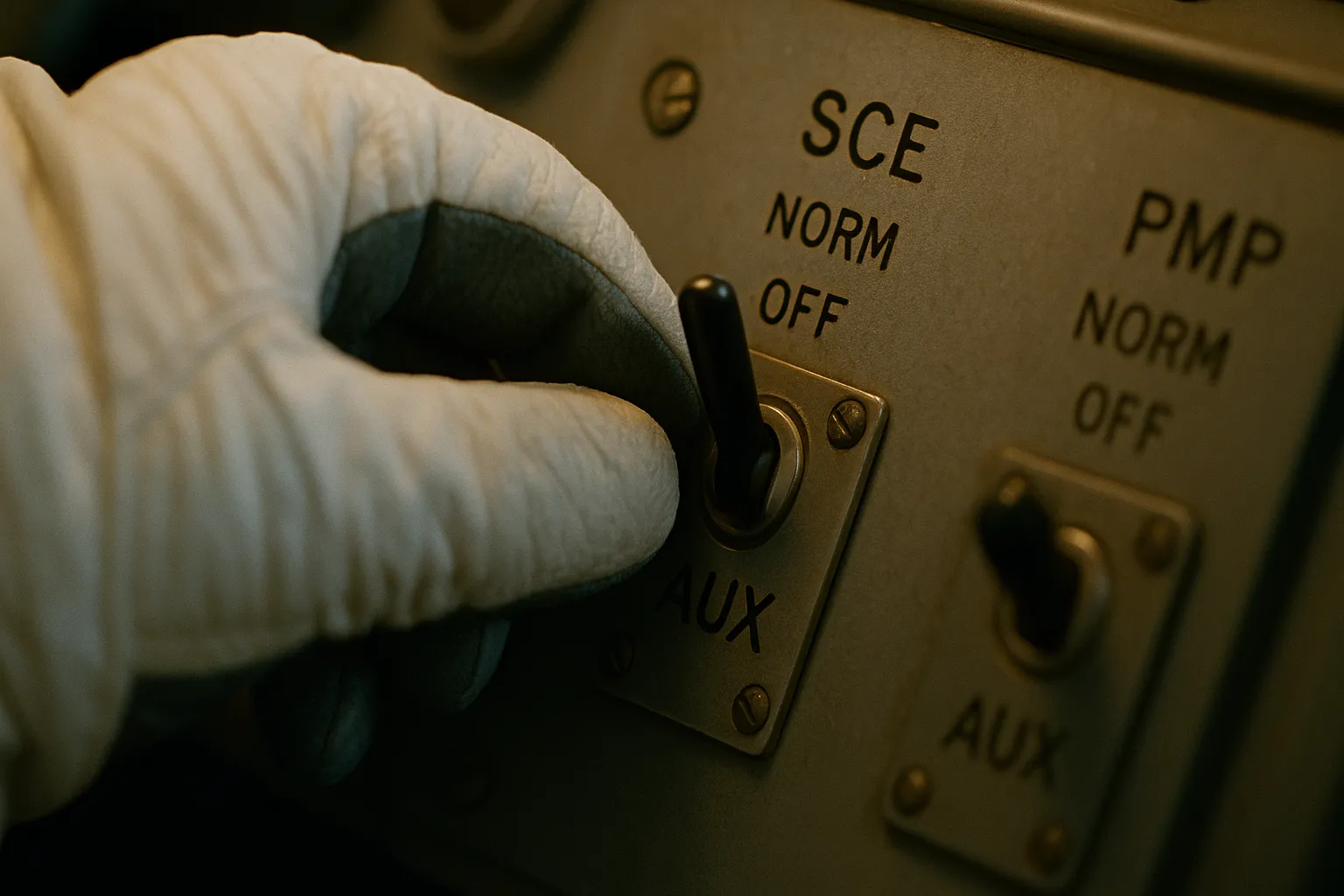
The famous Apollo 12 call shows how obscure switches, calm expertise, and memory can save a mission in seconds.
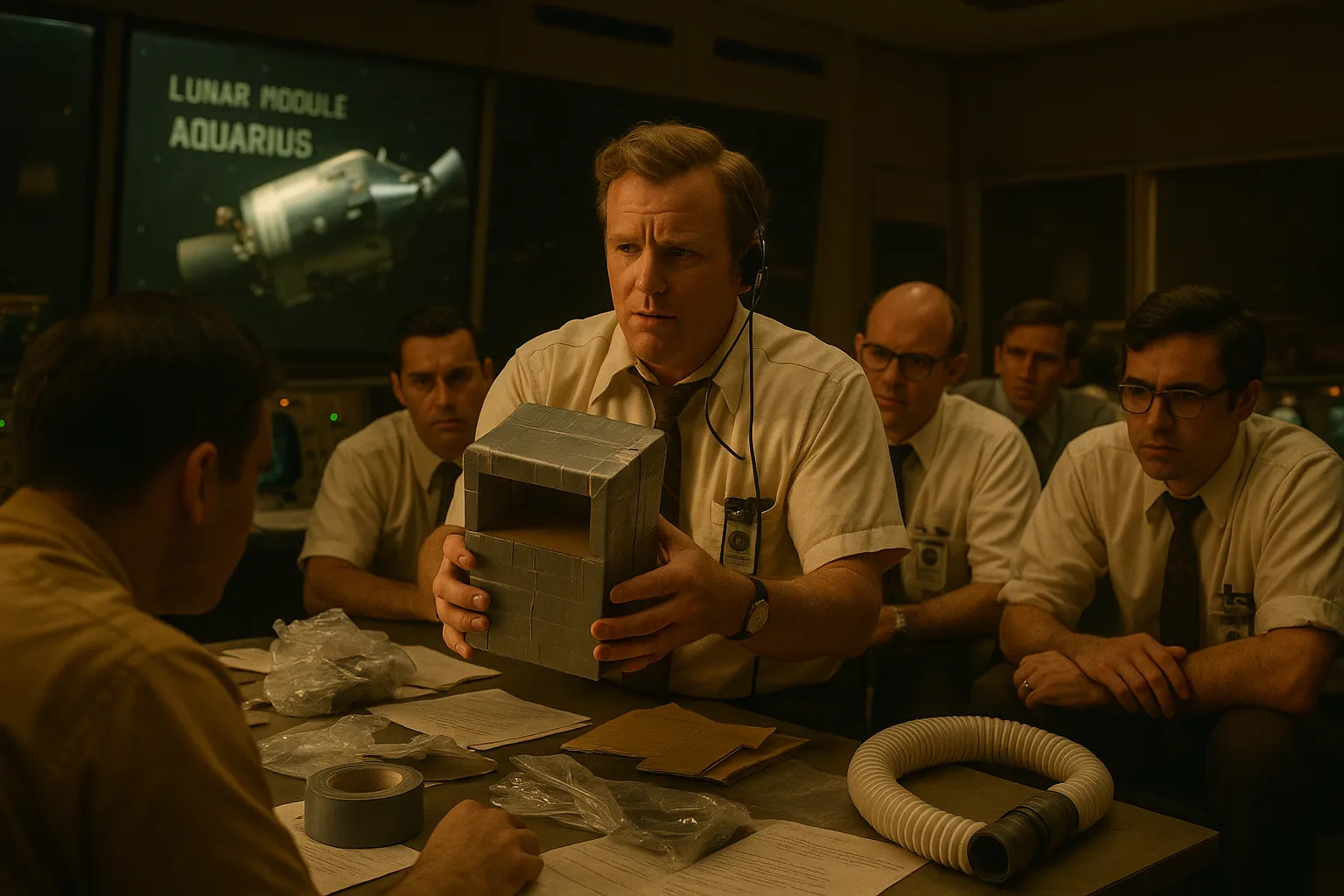
Ed Smylie’s Apollo 13 fix is a reminder that survival in space can depend on ordinary materials and extraordinary thinking.
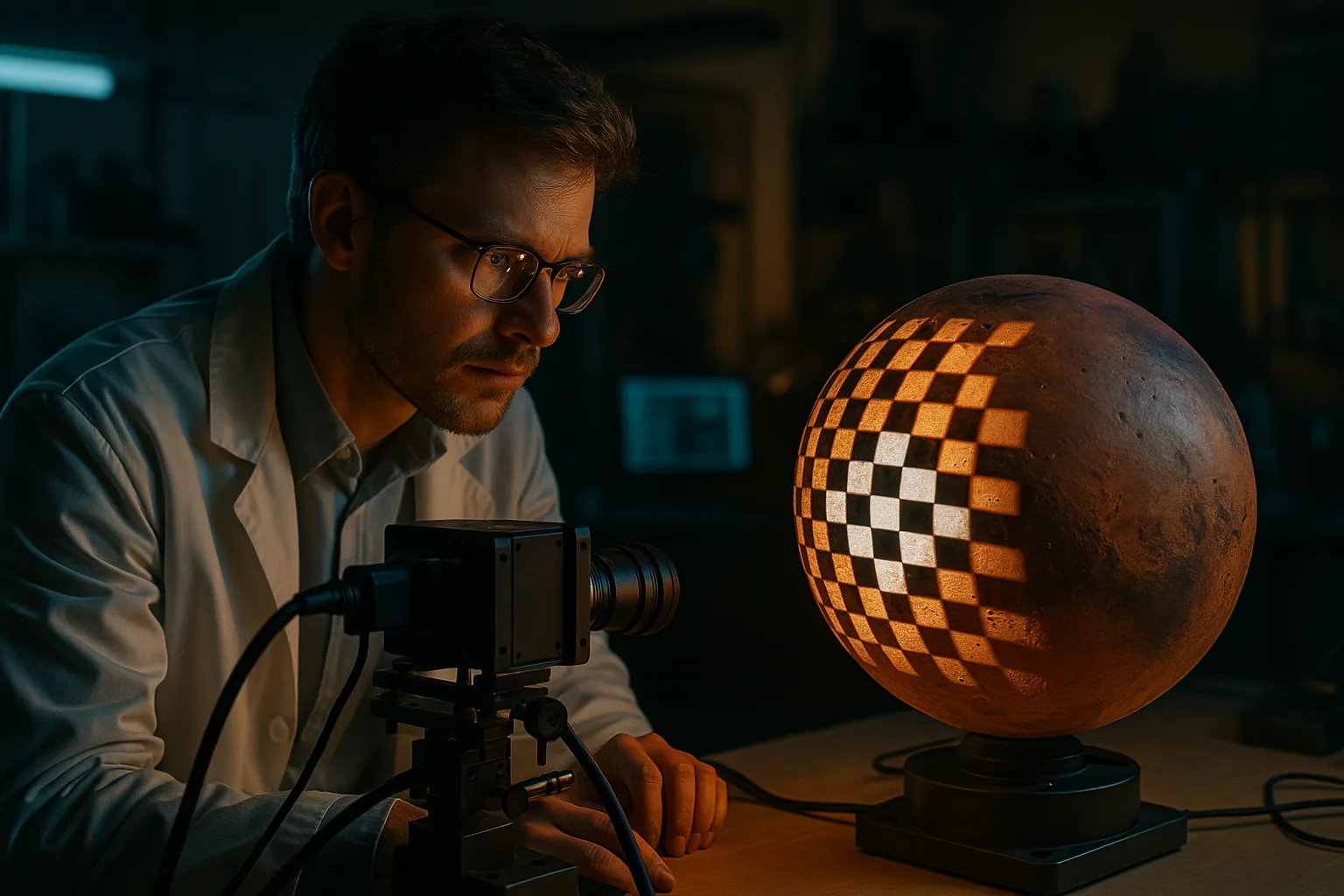
The Hadamard code links deep-space imaging and clever cameras through a beautiful trick of mathematics.

Changing perspectives can make space familiar, ridiculous, or profound, depending on where the mental camera is placed.

NASA’s Power of Ten rules show how disciplined software habits become survival tools in safety-critical systems.

A hypothetical asteroid mission turns into a guided tour of how engineers plan planetary defense before panic begins.

Big science projects can become hard to stop, even when evidence says it is time to rethink the mission.

NASA’s TRL scale turns vague invention talk into a practical ladder from idea to flight-proven hardware.

Star naming sits between romance and reality, where official catalogs and sentimental certificates tell very different stories.

Hubble and Chandra still matter because some observatories become irreplaceable long after their launch dates fade.

NASA’s risk matrix looks simple, but it reveals how space programs turn uncertainty into decisions.

On the Moon, the choice between wheels and legs is really a question about terrain, energy, and mission style.

NASA’s use of Unreal Engine shows how game technology can become serious preparation for Mars operations.

NASA’s Deep Space Network is the invisible infrastructure that keeps distant missions talking, and it is under pressure.
NASA’s software catalog offers a practical reminder that space research often leaves useful tools behind for everyone.

NASA’s old constraints and SpaceX’s new methods reveal how culture can shape the pace of rocket innovation.
NASA’s acronym culture looks comic from outside, but it reflects a world built from systems, teams, and shorthand.
Rapid unscheduled disassembly sounds comic, but it captures a long history of learning through violent hardware lessons.
Gemini 5 shows how public patience, political funding, and technical milestones can collide in human spaceflight.
Amateur radio connects students, operators, and astronauts, proving that space communication can still feel personal.
NASA’s Snoopy Award honors the quiet excellence behind missions, where small decisions can protect lives.
NASA mission operations offer practical principles for excellence that reach beyond control rooms into everyday work.