
Europe’s Space Safety Obsession Risks Leaving It Behind
Europe’s caution in space may protect missions, but it could also slow the continent out of the next industrial race.
15posts
Europe’s caution in space may protect missions, but it could also slow the continent out of the next industrial race.

Aging Mars orbiters reveal the quiet fragility of the communication network that keeps robotic exploration alive.
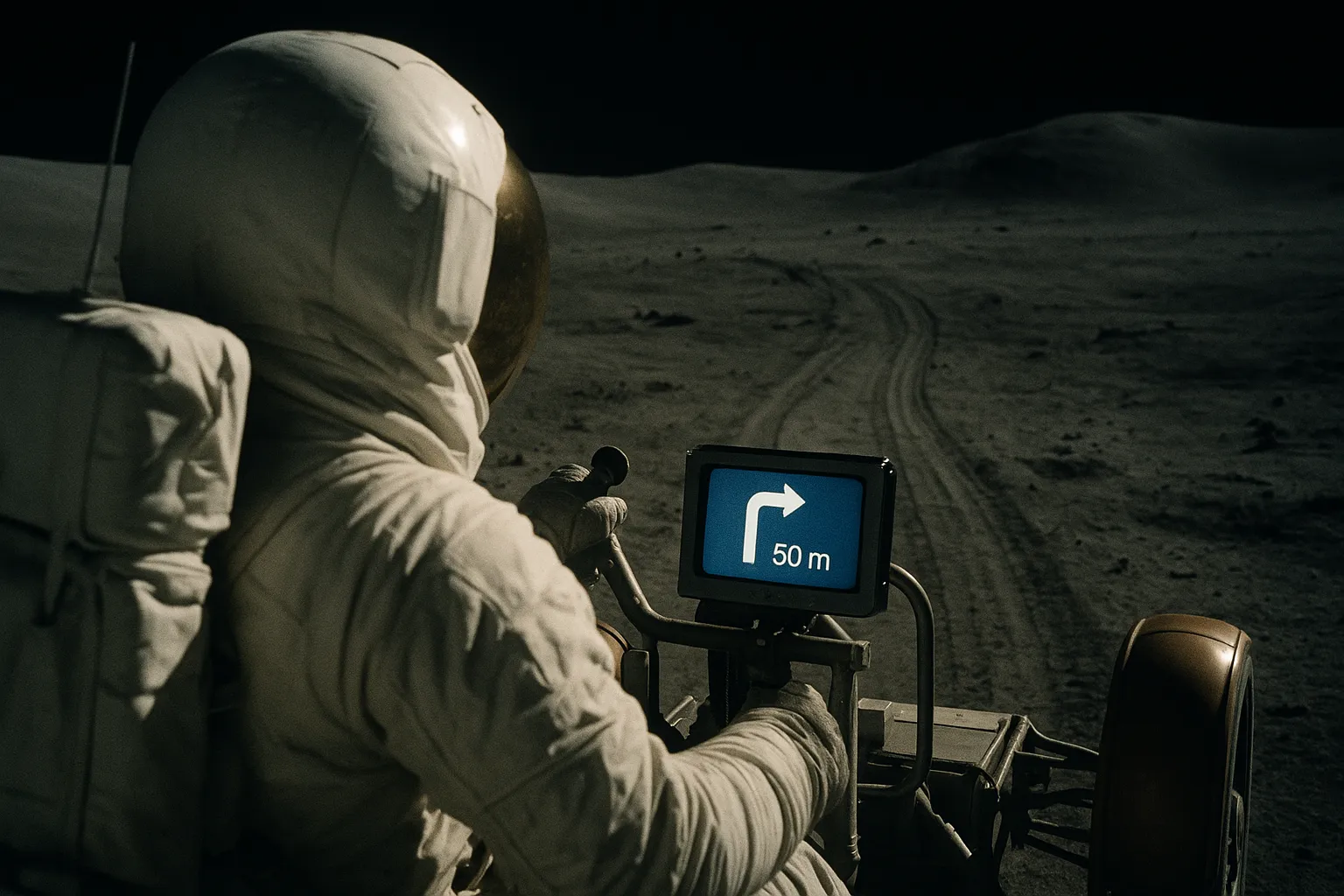
NASA’s LuGRE experiment asks a deceptively simple question: can Earth’s navigation signals help explorers find their way on the Moon?
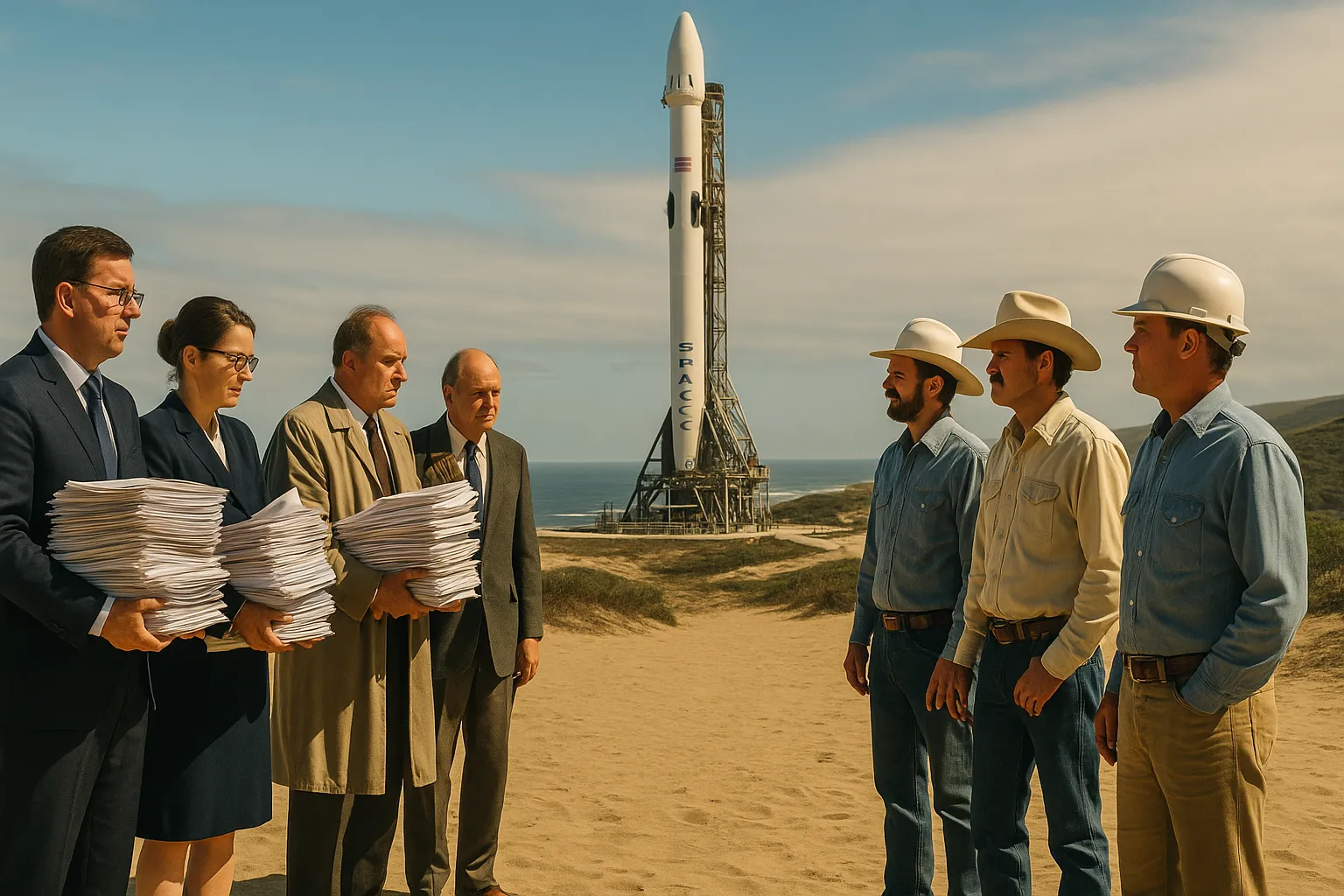
As space becomes commercial and crowded, Europe and America are beginning to argue over who gets to write the orbital rulebook.

The X-37B’s latest mission hints at a future where military spacecraft can navigate when GPS is unavailable or denied.

The Hadamard code links deep-space imaging and clever cameras through a beautiful trick of mathematics.

Abandoned space stations offer a way to think about decay, adaptation, and the afterlife of orbital infrastructure.
Star trackers, gyros, and accelerometers give spacecraft the ability to know where they are when Earth cannot help.
GPS is a space-based timing miracle that quietly depends on satellites, relativity, and constant correction.

Rendezvous with the ISS is a precise orbital dance where timing, speed, and geometry all have to agree.
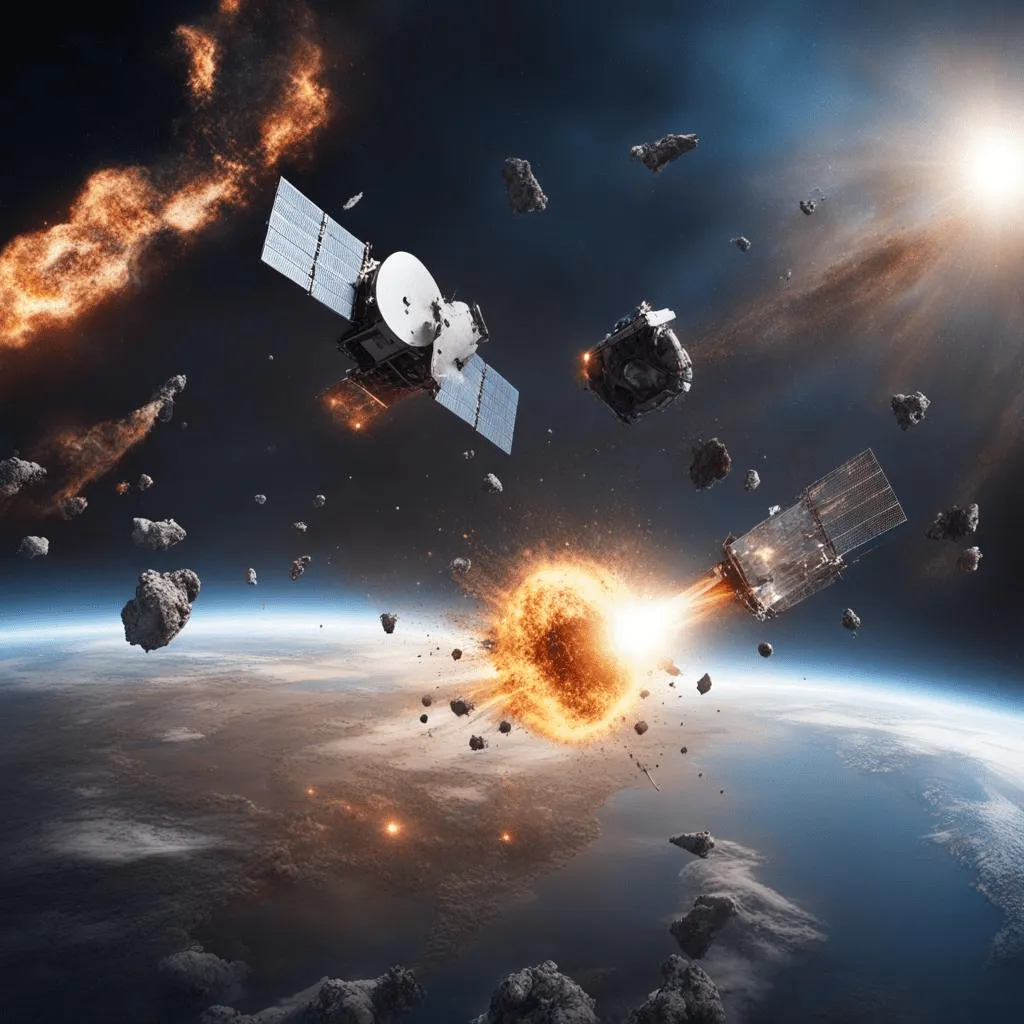
Moving satellites after launch is a practical puzzle of fuel, autonomy, servicing, and orbital traffic management.

Megaconstellations make satellite security more urgent, turning orbital networks into targets as well as infrastructure.
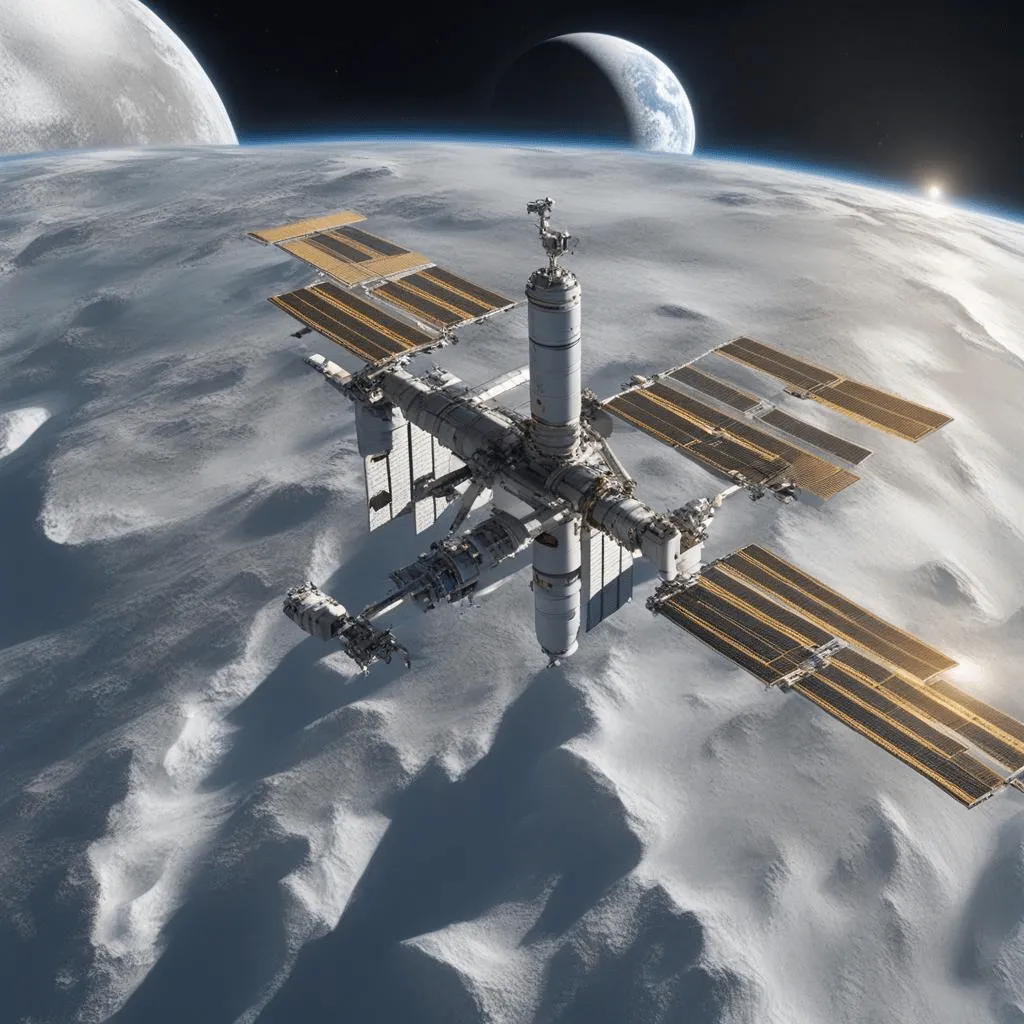
Temperature control in space is an invisible engineering battle against sunlight, shadow, radiation, and vacuum.

Lagrange points are gravitational sweet spots where spacecraft can linger, observe, and do remarkable work.
The gravity turn explains why rockets arc into orbit instead of simply climbing straight toward space.