Between Zero and Infinity: How We Reason About Life in the Universe
The search for alien life is not just an engineering problem; it is also a lesson in reasoning under deep uncertainty.
12posts
The search for alien life is not just an engineering problem; it is also a lesson in reasoning under deep uncertainty.

Roman’s completed assembly brings NASA closer to a telescope built to widen our view of planets, galaxies, and dark energy.

Aging Mars orbiters reveal the quiet fragility of the communication network that keeps robotic exploration alive.
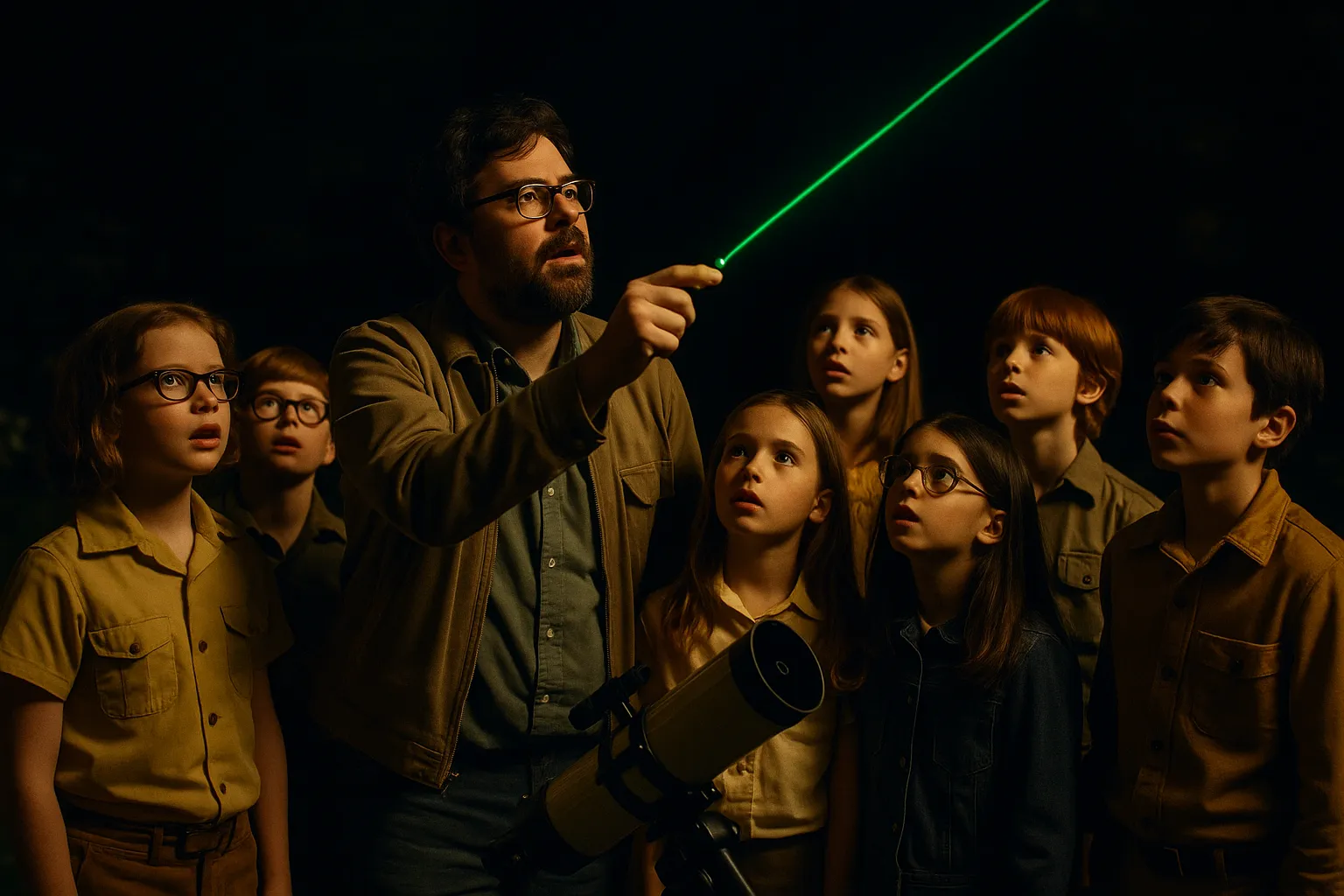
Those lasers above observatories are not for show; they are tools for correcting the atmosphere’s restless distortion.
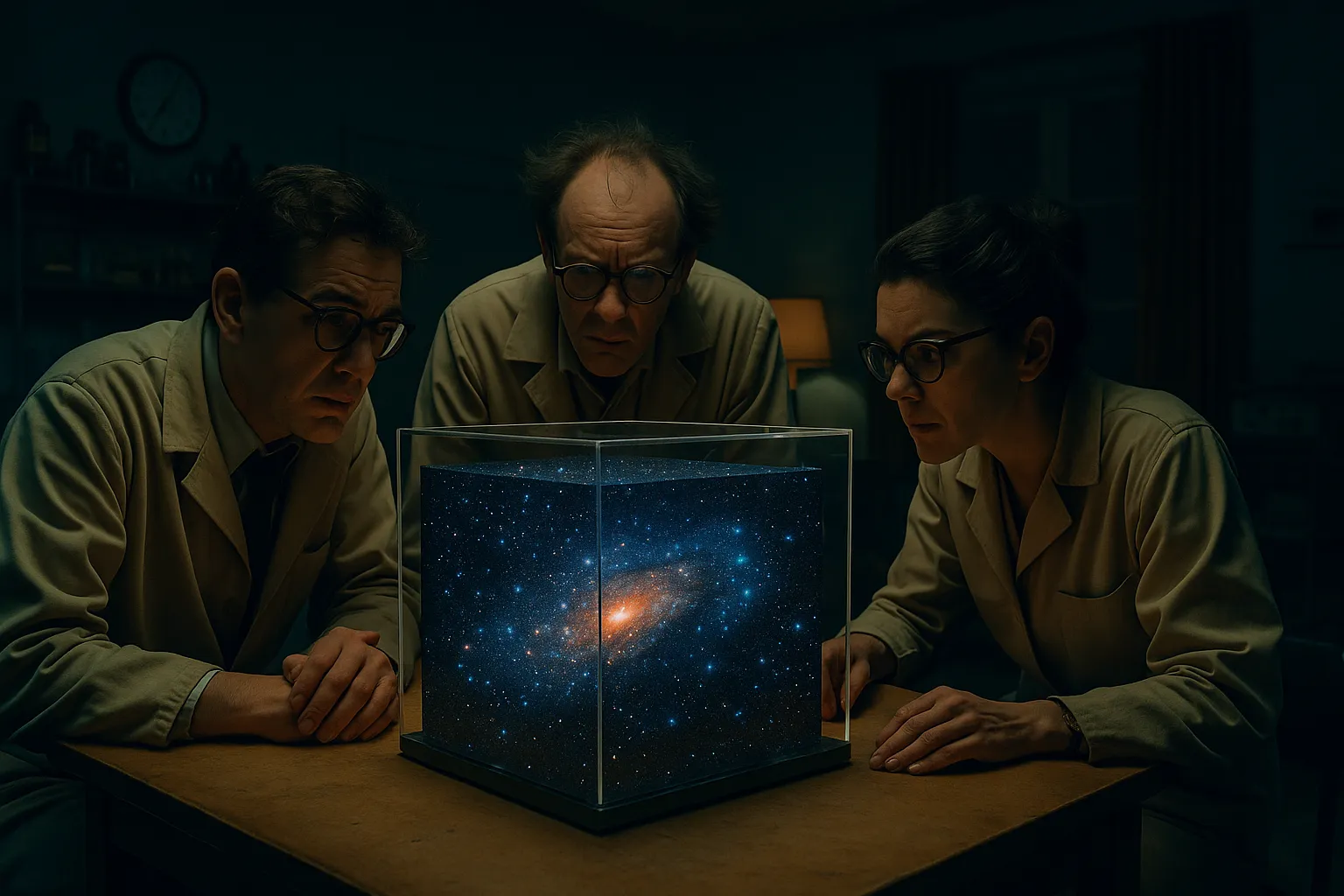
Euclid’s massive simulation shows how cosmology increasingly depends on models that are both mathematical instruments and philosophical claims.
Comet 3I/ATLAS is exotic enough without aliens, offering a rare glimpse of material from another star system.

Rubin Observatory’s first views show a sky full of beauty, artifacts, and moving objects waiting to be discovered.

Big science projects can become hard to stop, even when evidence says it is time to rethink the mission.

Star naming sits between romance and reality, where official catalogs and sentimental certificates tell very different stories.

Hubble and Chandra still matter because some observatories become irreplaceable long after their launch dates fade.
Soft and liquid telescope structures may sound strange, but they could solve problems rigid hardware cannot.
Measuring cosmic distances requires a ladder of clever methods, each extending our reach beyond direct intuition.