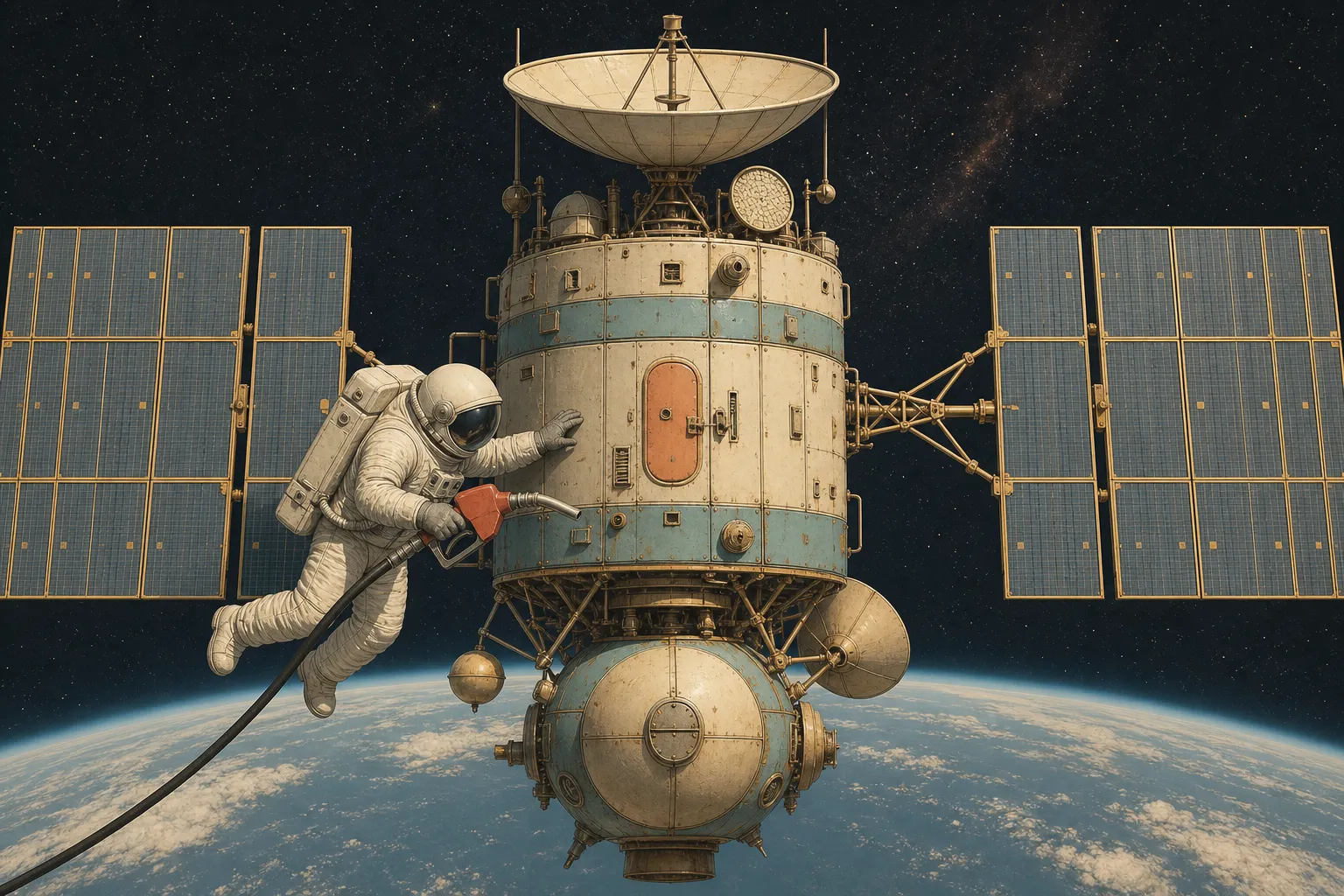
Beyond Throwaway Spacecraft: Why Satellite Servicing Matters
Northrop Grumman’s robotic servicer could extend satellite lifespans, cut waste and costs, but must overcome major technical, legal and economic challenges.
7posts
Northrop Grumman’s robotic servicer could extend satellite lifespans, cut waste and costs, but must overcome major technical, legal and economic challenges.

On August 5, the Moon is expected to receive four tonnes of human engineering at 2.43 kilometres per second. No signature will be required.
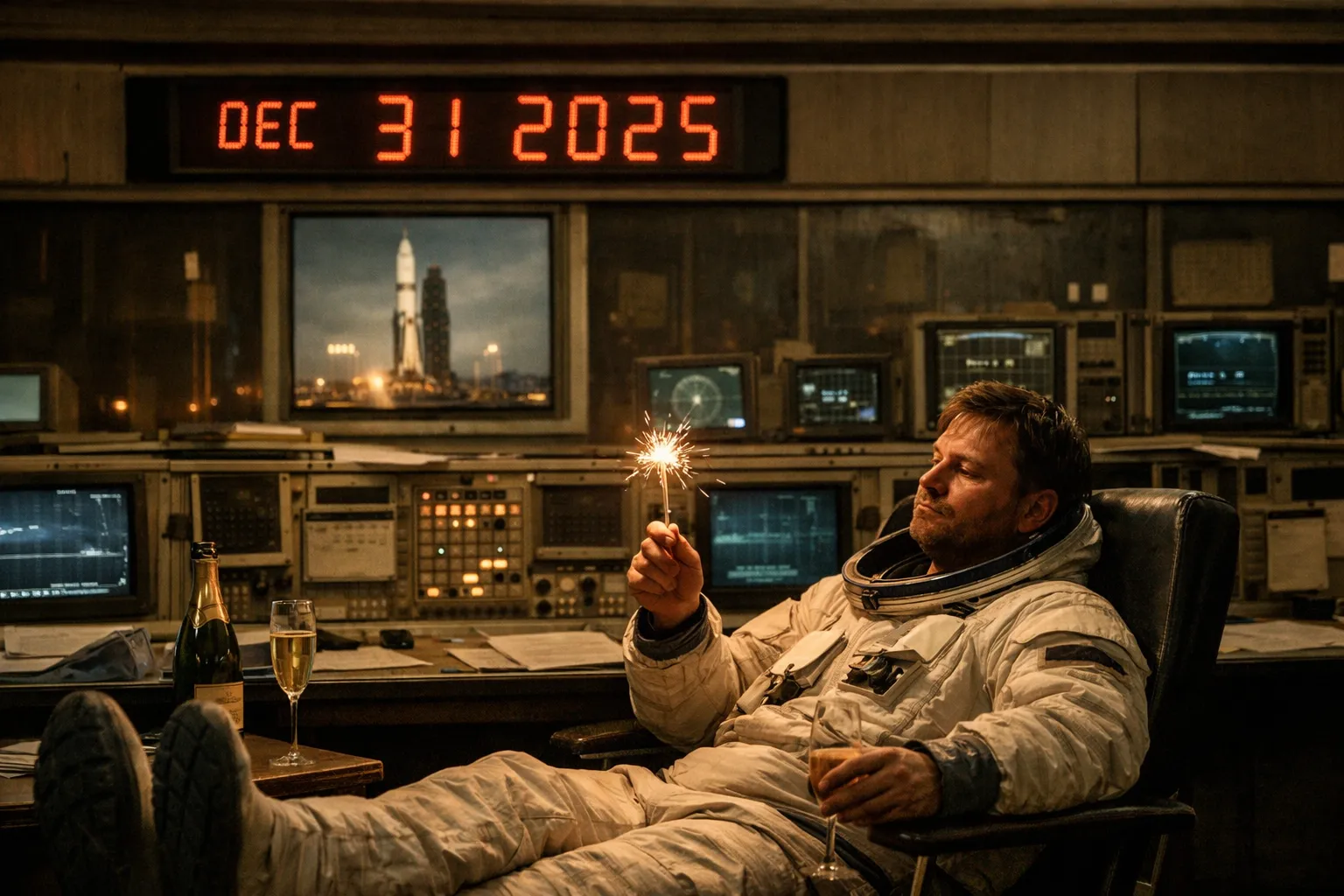
A crowded orbital era brings less glamorous problems into view: traffic, debris, coordination, and the cost of success.
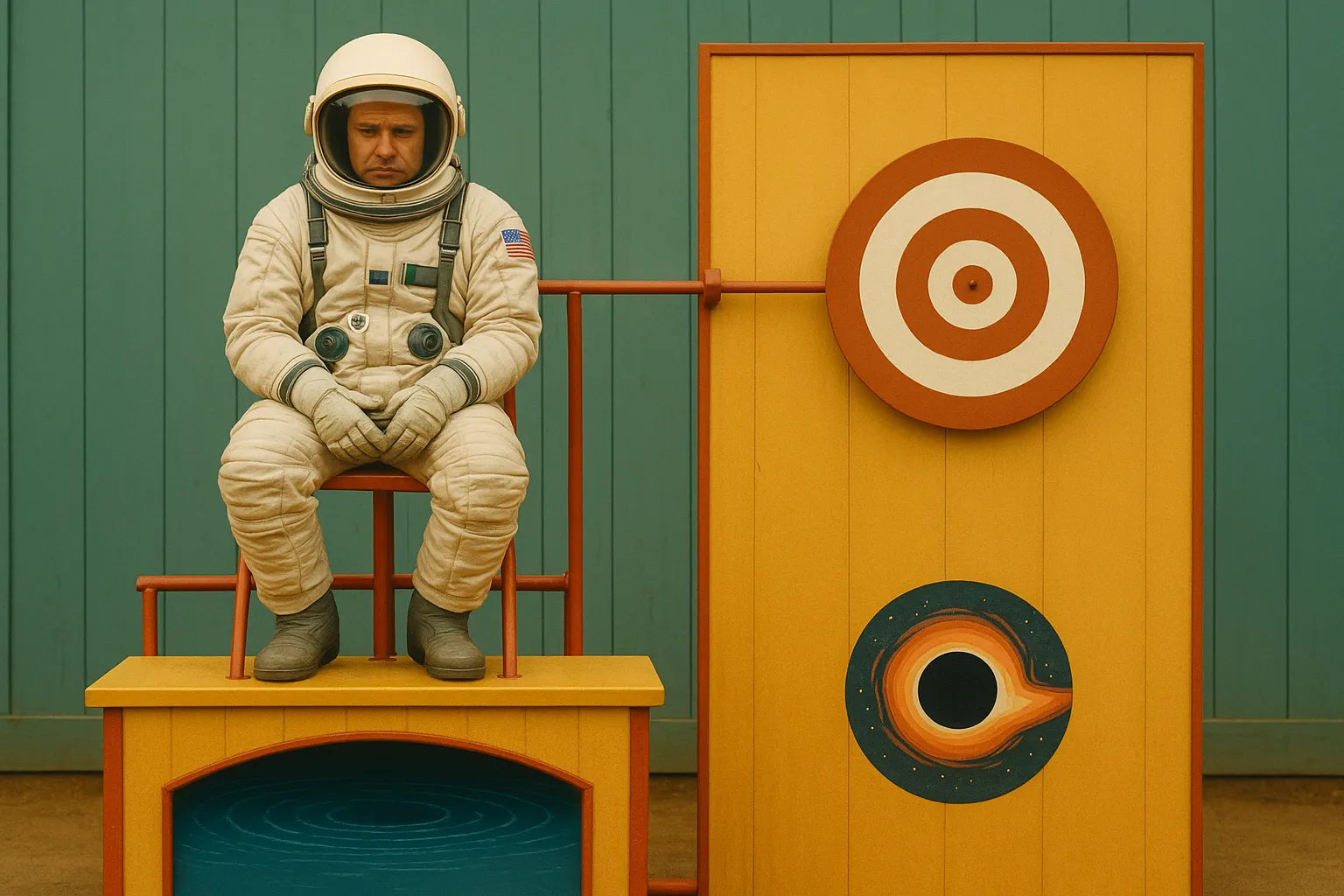
Atomic-6’s debris armor points to a less romantic but essential space challenge: surviving the junk already circling Earth.
The Kessler effect turns orbital debris from background clutter into a cascading threat to the space age itself.

Micrometeorites are tiny but dangerous, forcing spacecraft designers to think like armorers in orbit.
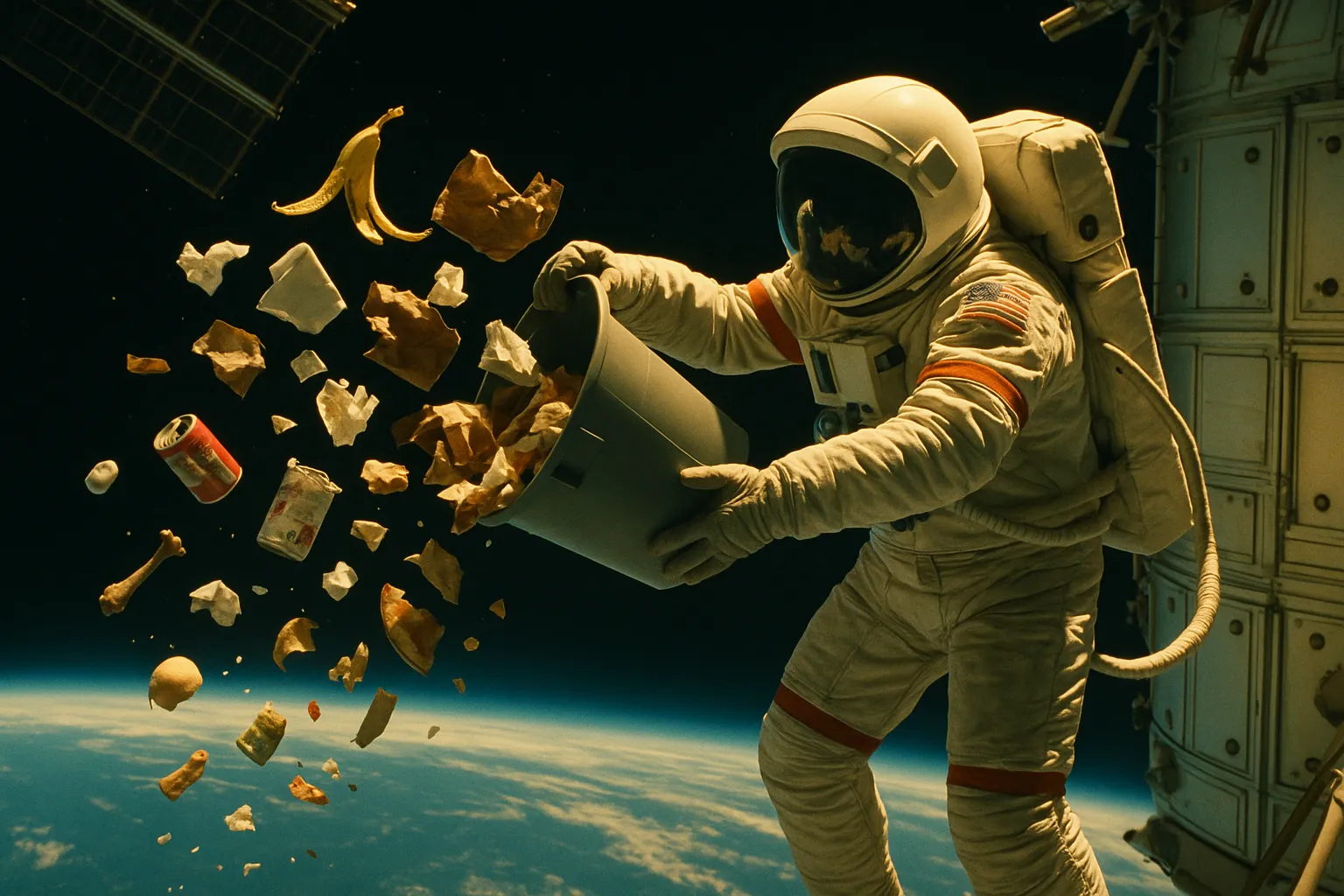
Waste in space is not just unpleasant; it is a life-support, logistics, and sustainability challenge.