When Space Gets Crowded: The Hidden Limits of a New Space Age
A crowded orbital era brings less glamorous problems into view: traffic, debris, coordination, and the cost of success.
14posts
A crowded orbital era brings less glamorous problems into view: traffic, debris, coordination, and the cost of success.
AI’s hunger for cooling pushes the data-center debate toward stranger places, including the possibility of hardware beyond Earth.
The Kessler effect turns orbital debris from background clutter into a cascading threat to the space age itself.
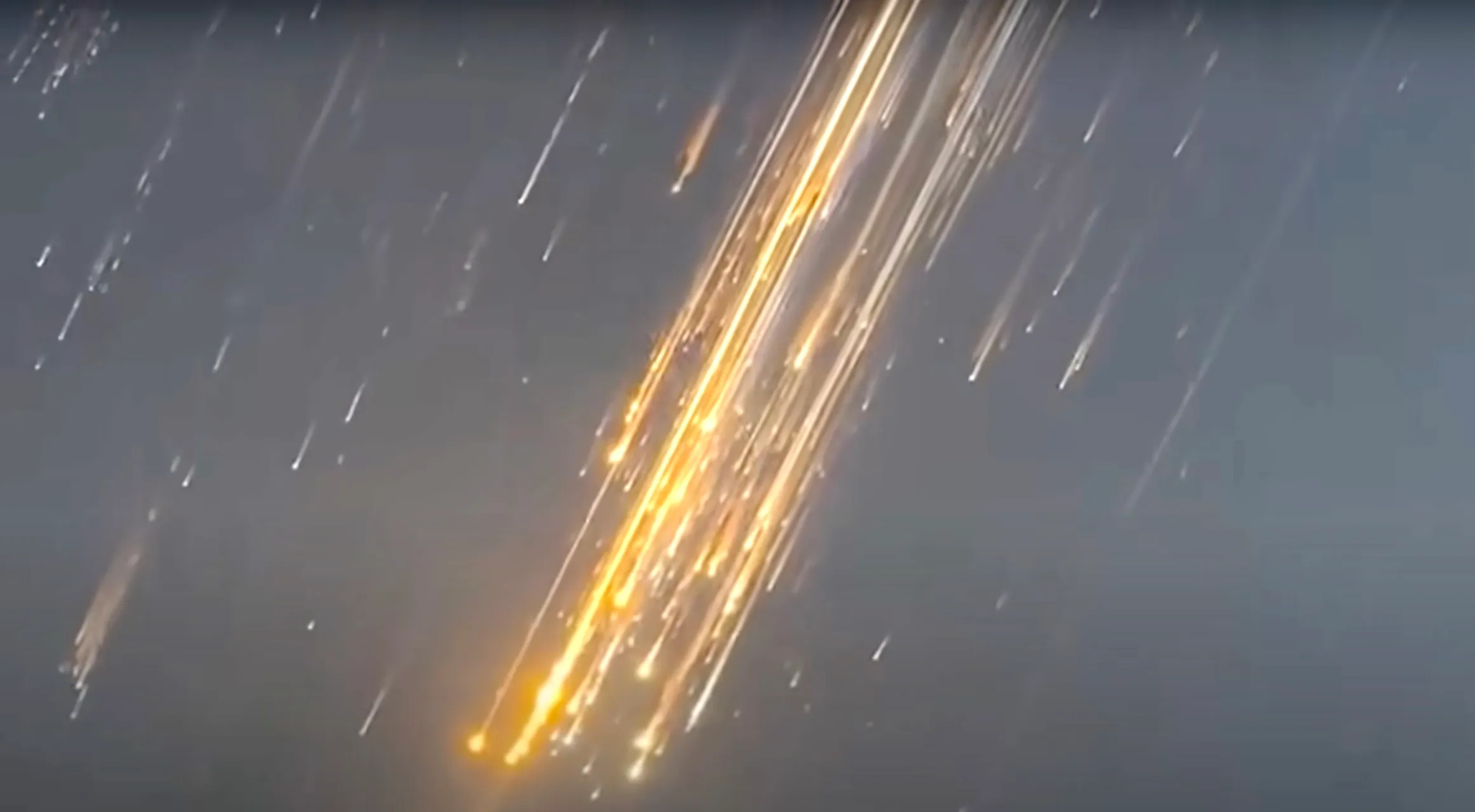
Starship 7’s debris path turns a failed test into a practical lesson in breakup dynamics and public risk.

Weightlessness harms many systems, but its effects on the heart raise a more nuanced and surprising medical question.
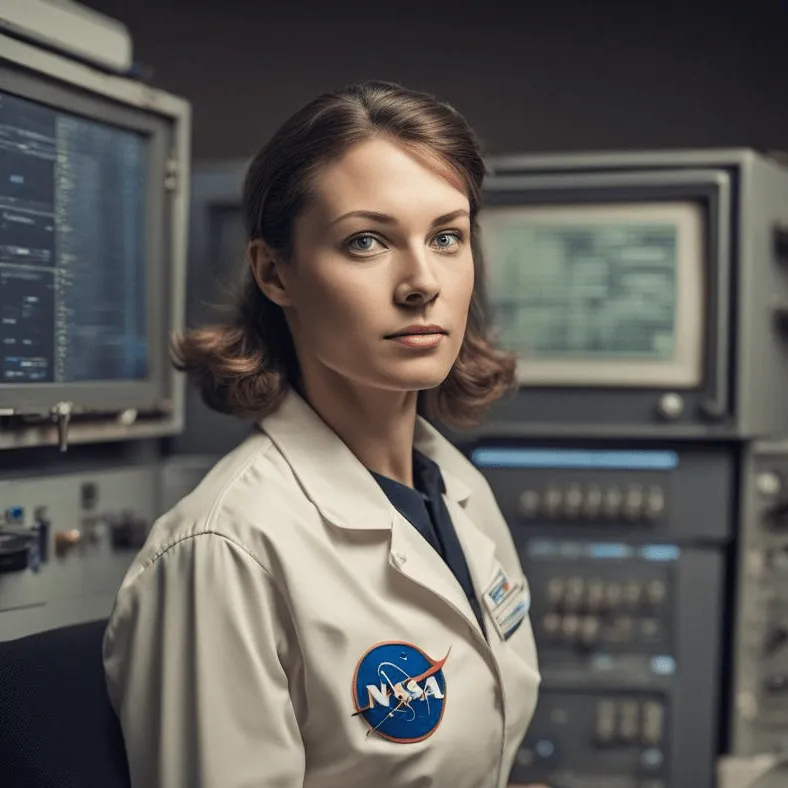
NASA’s software catalog offers a practical reminder that space research often leaves useful tools behind for everyone.

In space, a leak is never small for long, so detection becomes a race between physics and procedure.
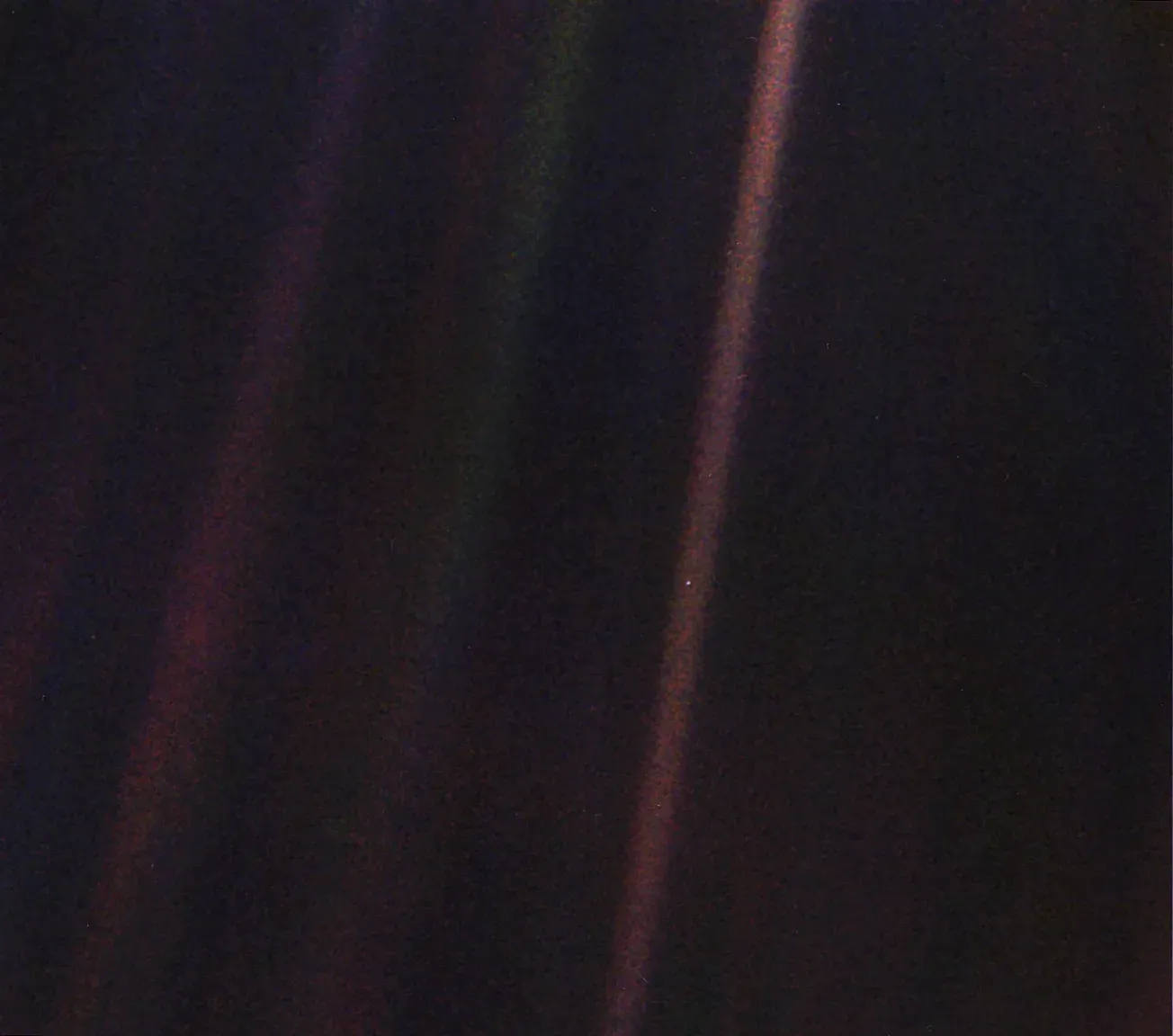
Carl Sagan’s climate warnings and cosmic perspective still challenge how we think about Earth’s fragility.
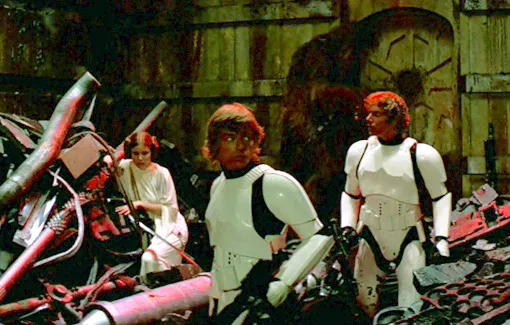
Waste in space is not just unpleasant; it is a life-support, logistics, and sustainability challenge.
The Arctic offers Earthbound lessons in isolation, logistics, and survival that matter for future off-world settlements.
Rocket launches look dramatic, but their environmental impact needs comparison, context, and careful accounting.
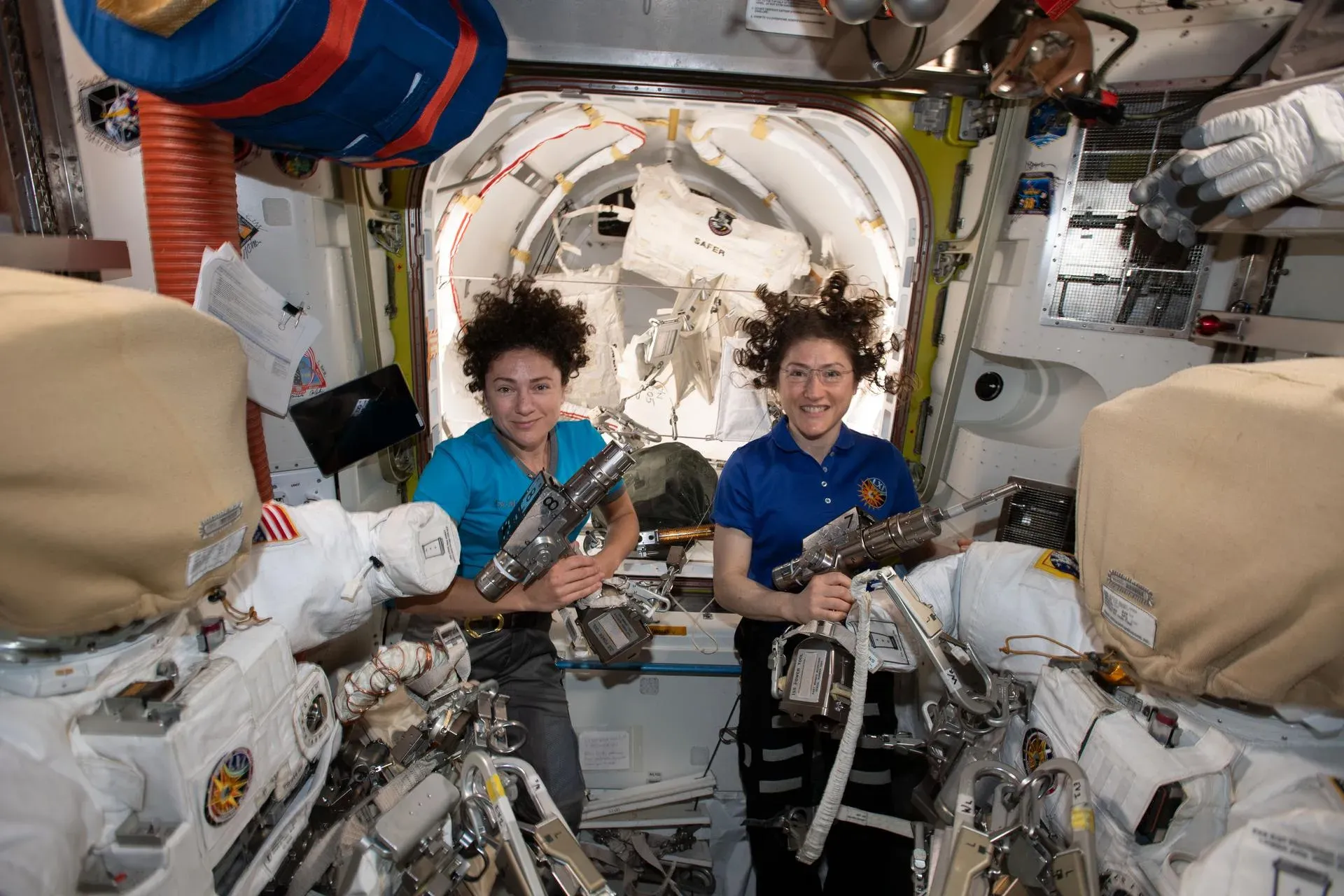
Even simple tools become complicated in microgravity, where every push, screw, and button press has consequences.
A spacecraft is only as good as its materials, from structural strength to sustainability and long-duration reliability.
Deep-sea and space exploration share a harsh lesson: ambition must negotiate with pressure, isolation, and rescue limits.