Starliner’s Type A Wake-Up Call: When “Two Providers” Becomes a Safety Variable
Starliner’s upgraded incident classification turns commercial crew redundancy from procurement theory into a concrete safety question.
19posts
Starliner’s upgraded incident classification turns commercial crew redundancy from procurement theory into a concrete safety question.
Neuralink looks different when viewed not as mind reading, but as a control interface for future off-world work.
A medical return from the ISS shows how quickly orbital routine becomes a test of planning, trust, and contingency.
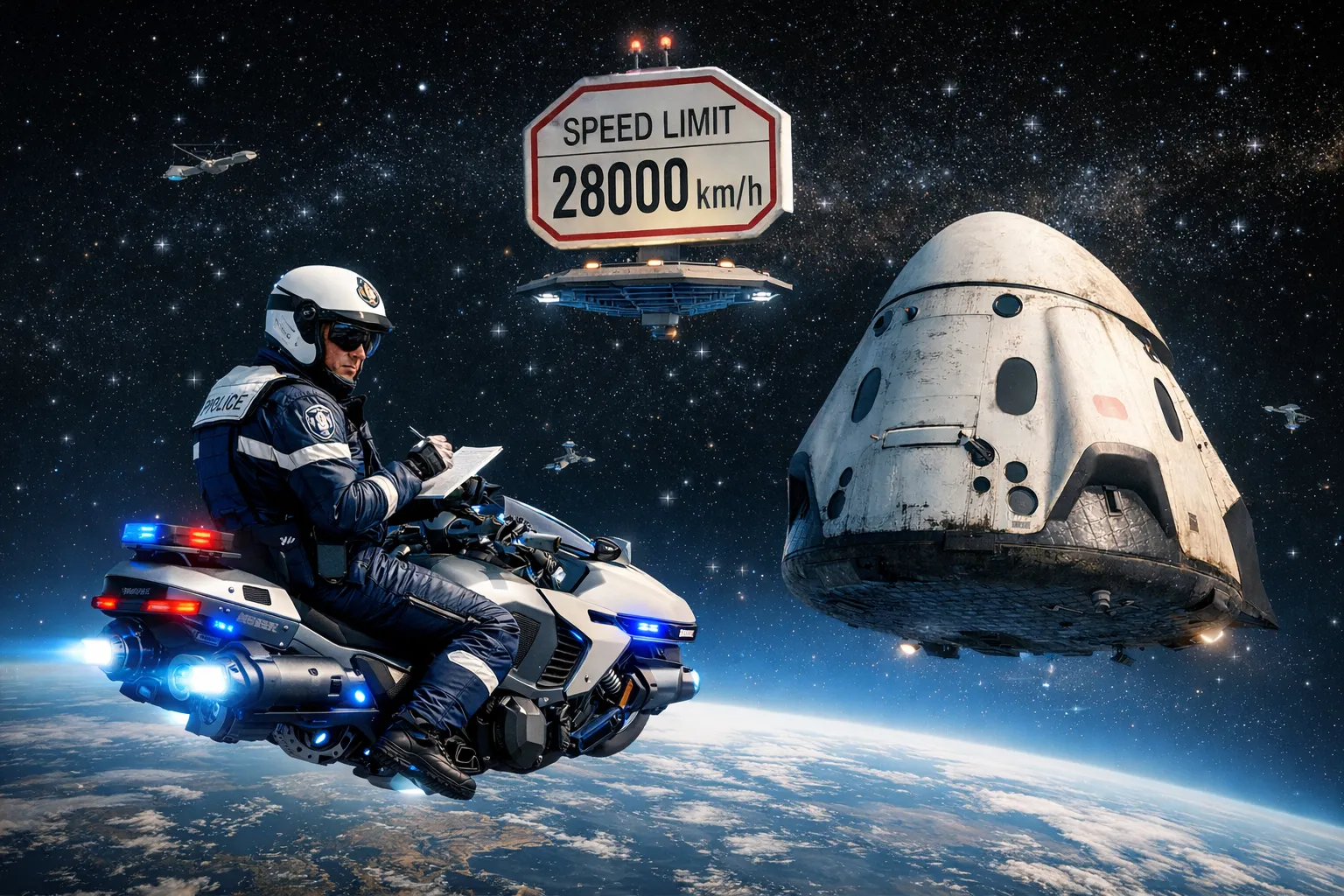
Europe’s caution in space may protect missions, but it could also slow the continent out of the next industrial race.
An ISS medical situation reminds us that human spaceflight remains, above all, a discipline of crew survival.
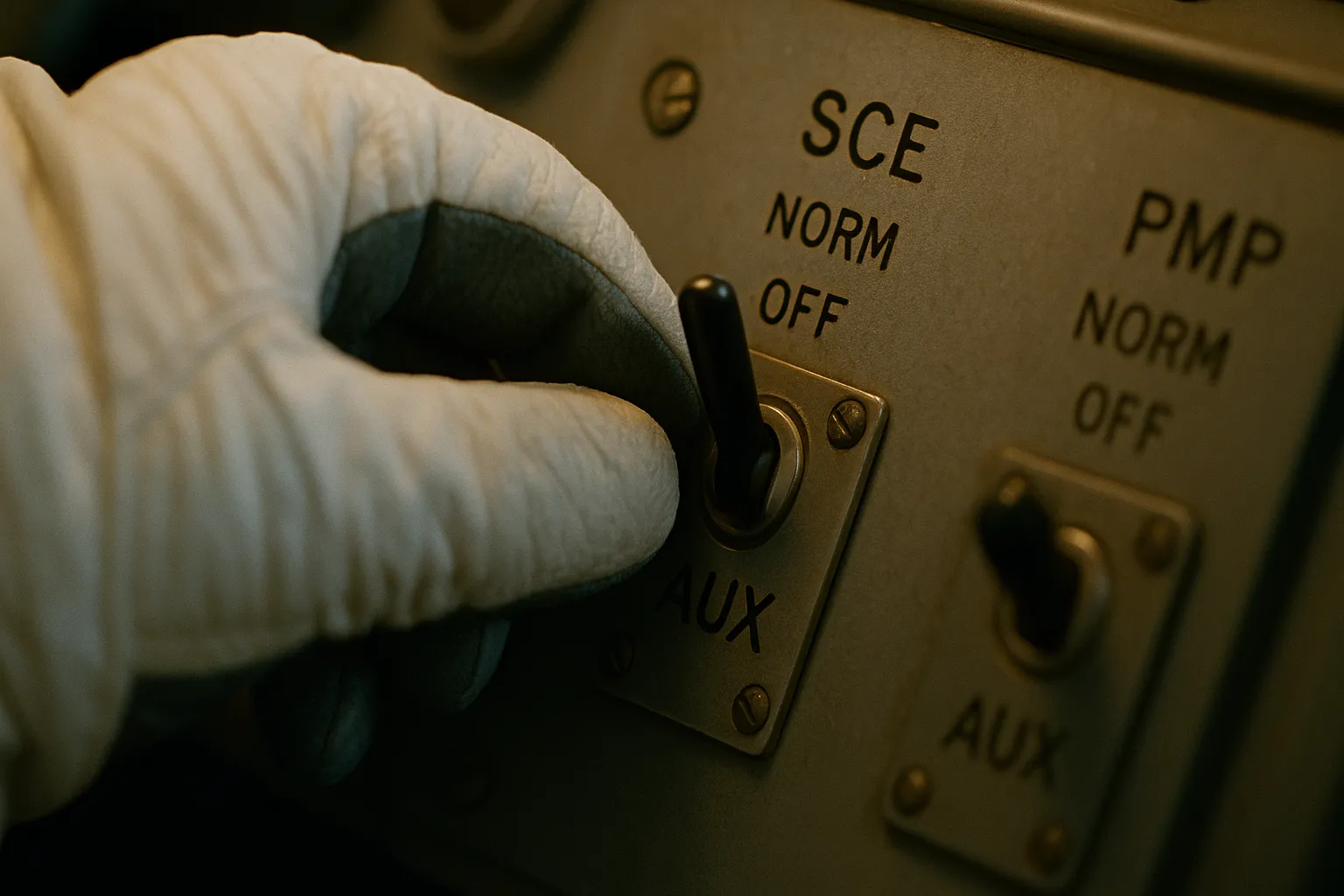
The famous Apollo 12 call shows how obscure switches, calm expertise, and memory can save a mission in seconds.
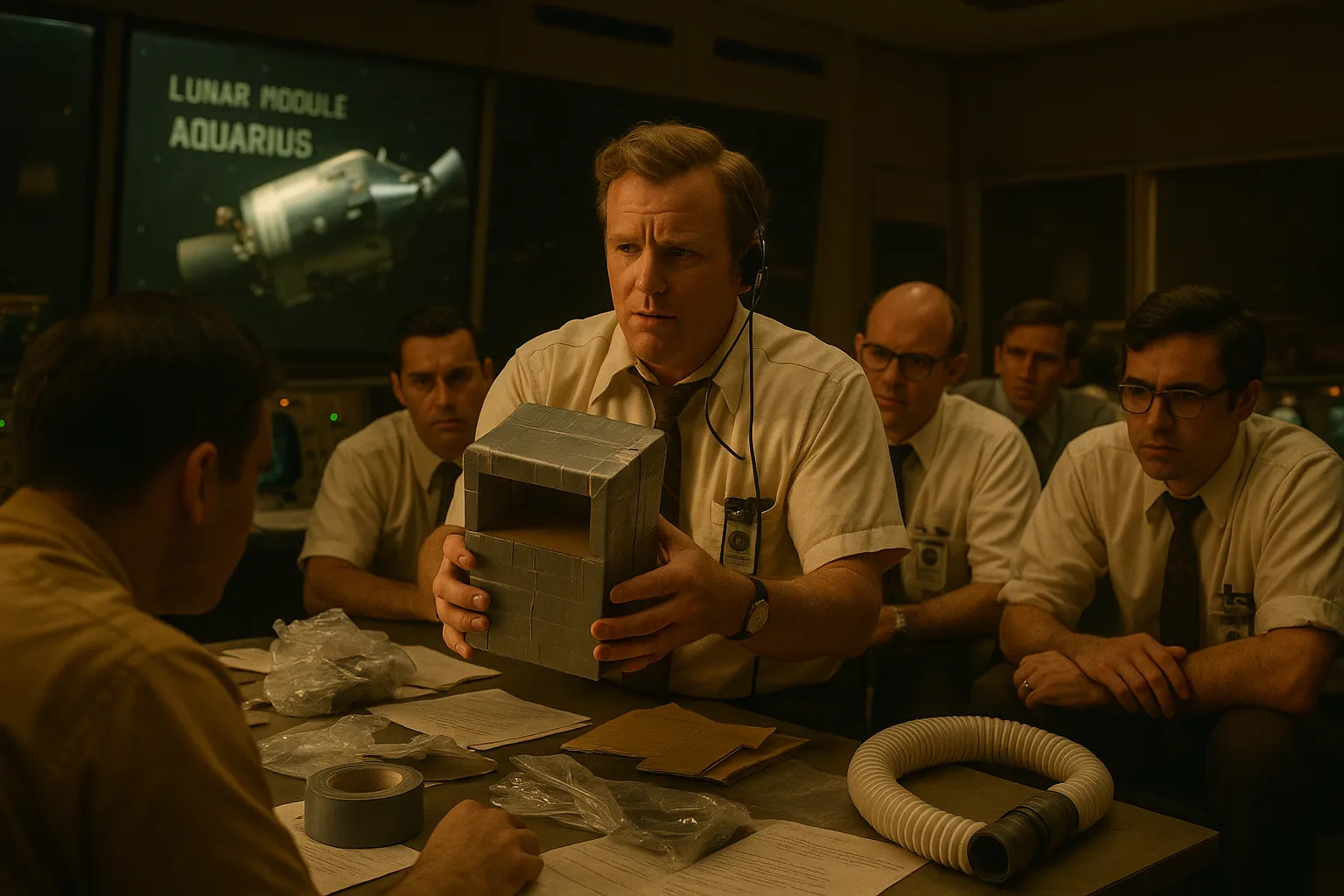
Ed Smylie’s Apollo 13 fix is a reminder that survival in space can depend on ordinary materials and extraordinary thinking.
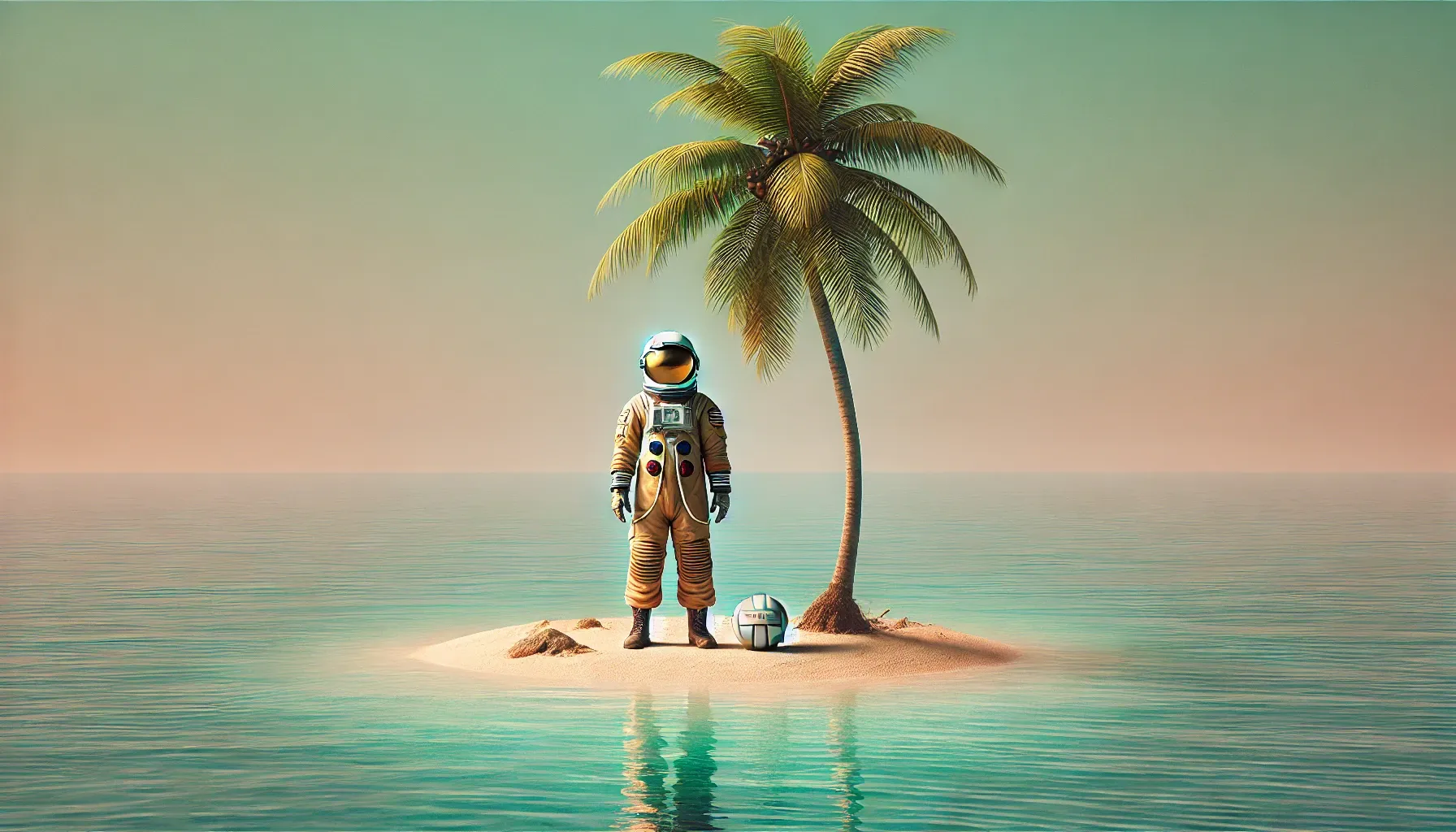
Changing perspectives can make space familiar, ridiculous, or profound, depending on where the mental camera is placed.
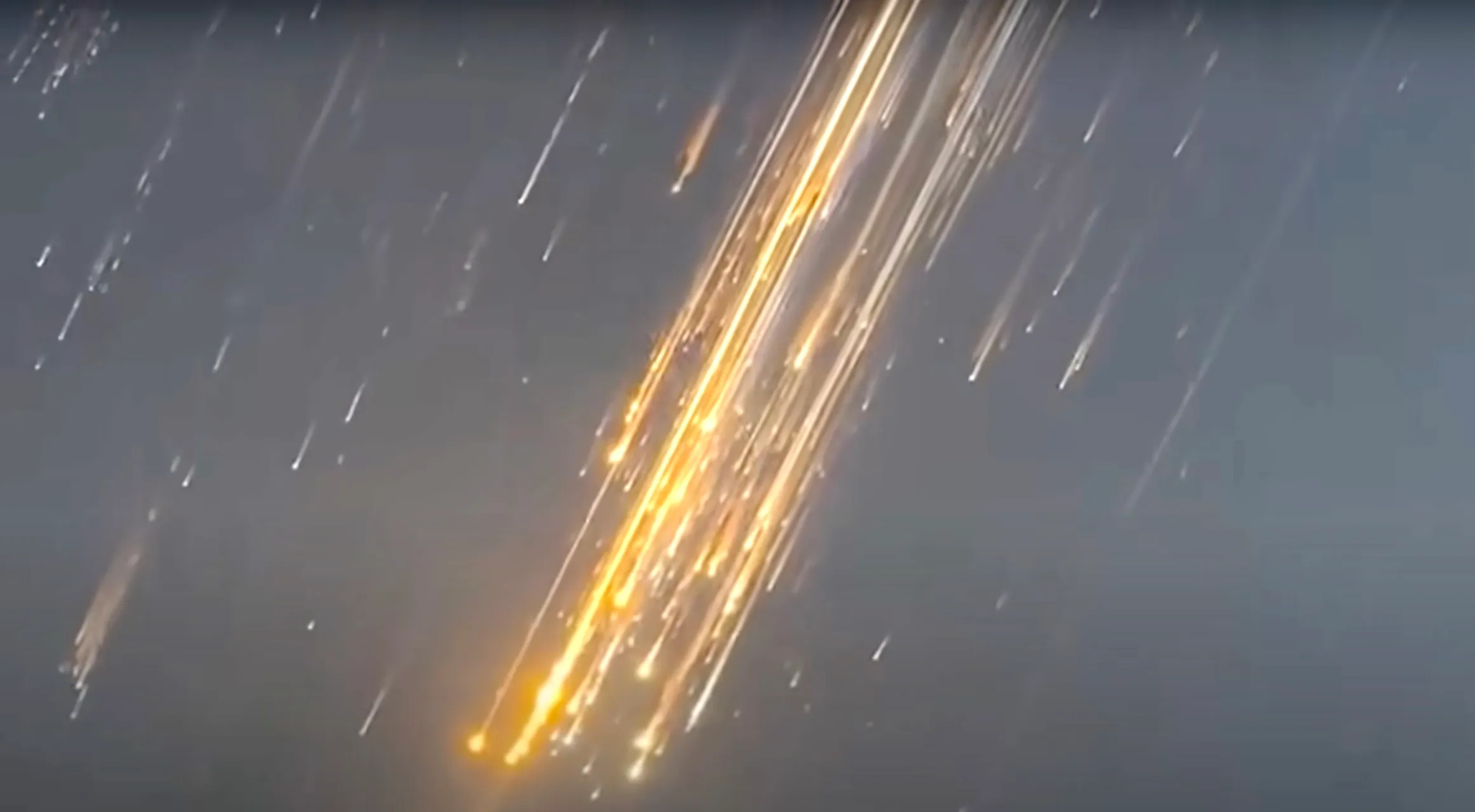
Starship 7’s debris path turns a failed test into a practical lesson in breakup dynamics and public risk.
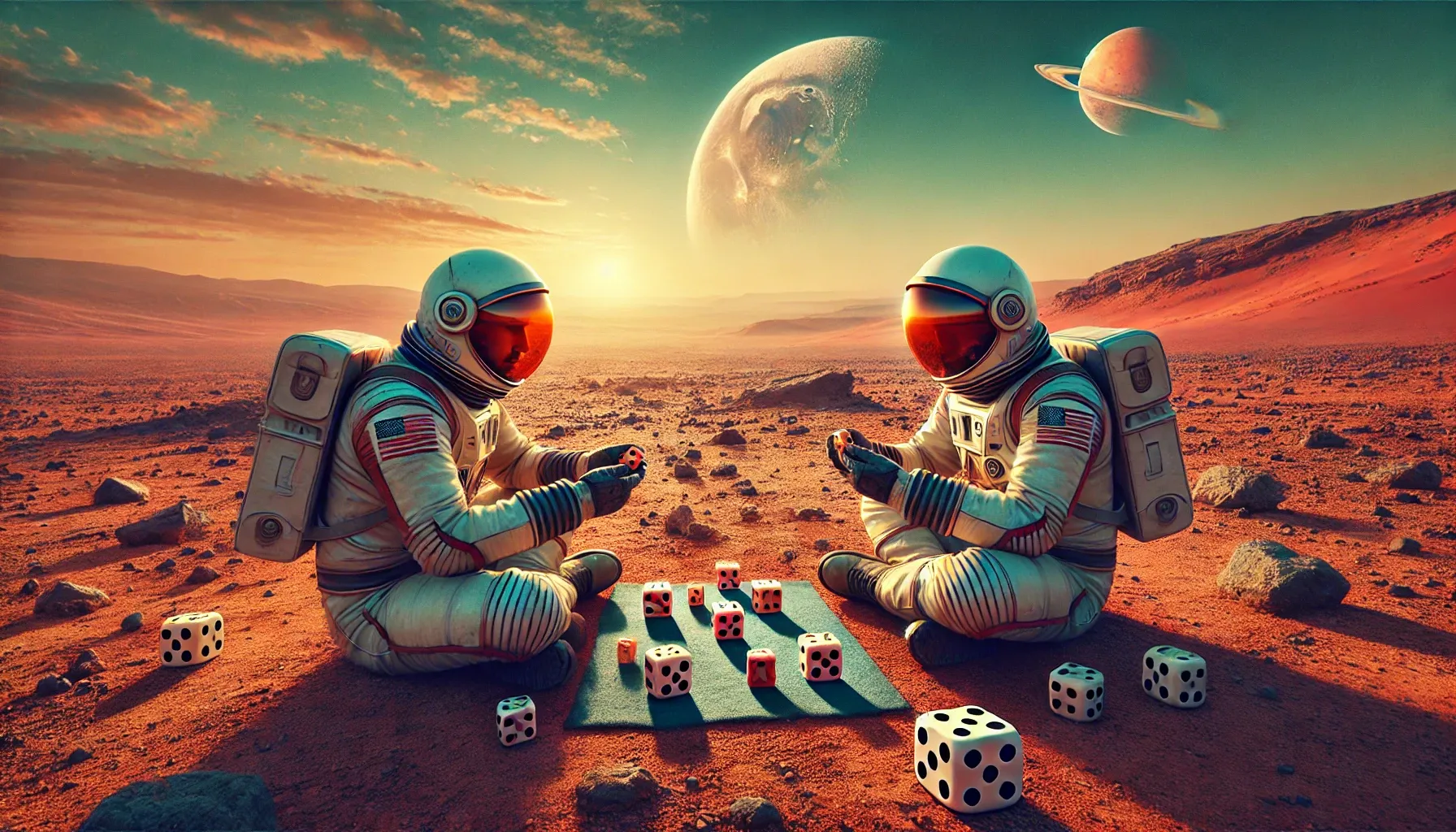
NASA’s risk matrix looks simple, but it reveals how space programs turn uncertainty into decisions.
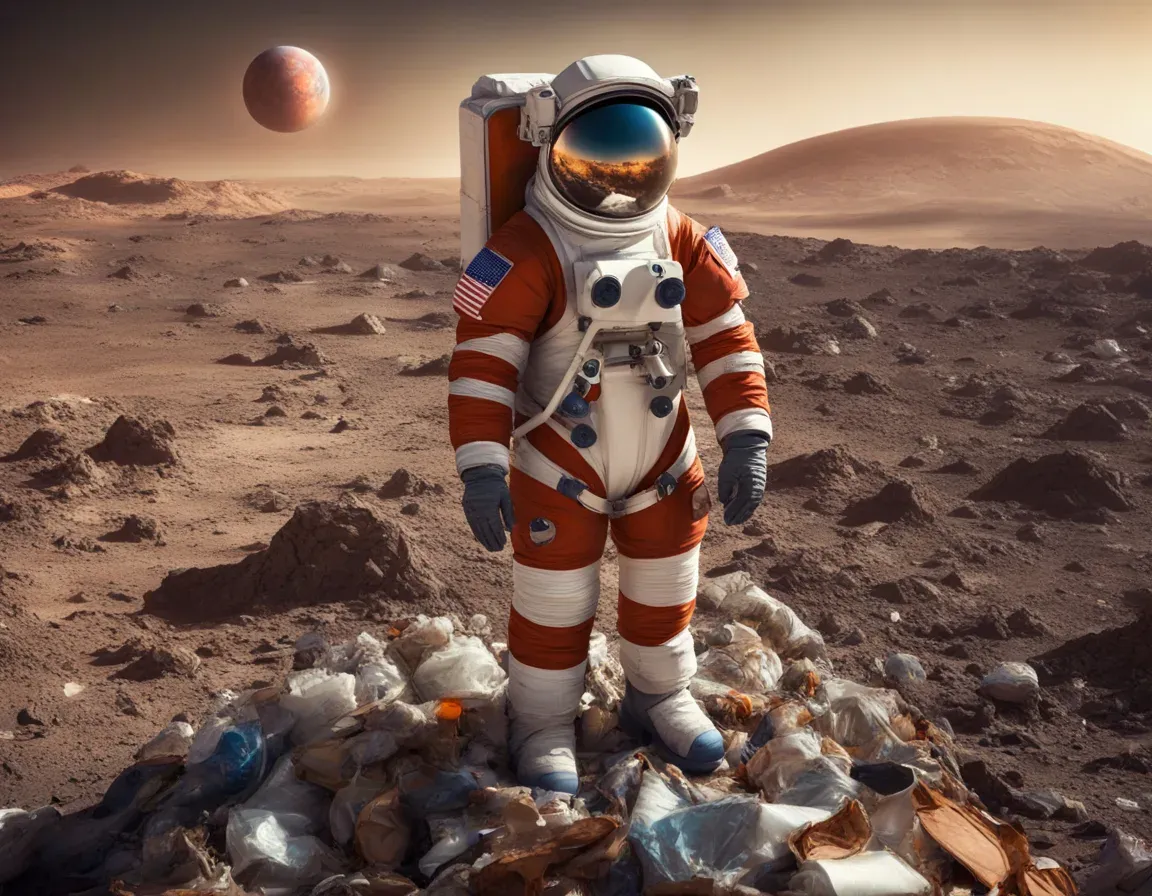
A Mars mission’s second layer of risk involves human limits, logistics, and the harsh details slogans leave out.
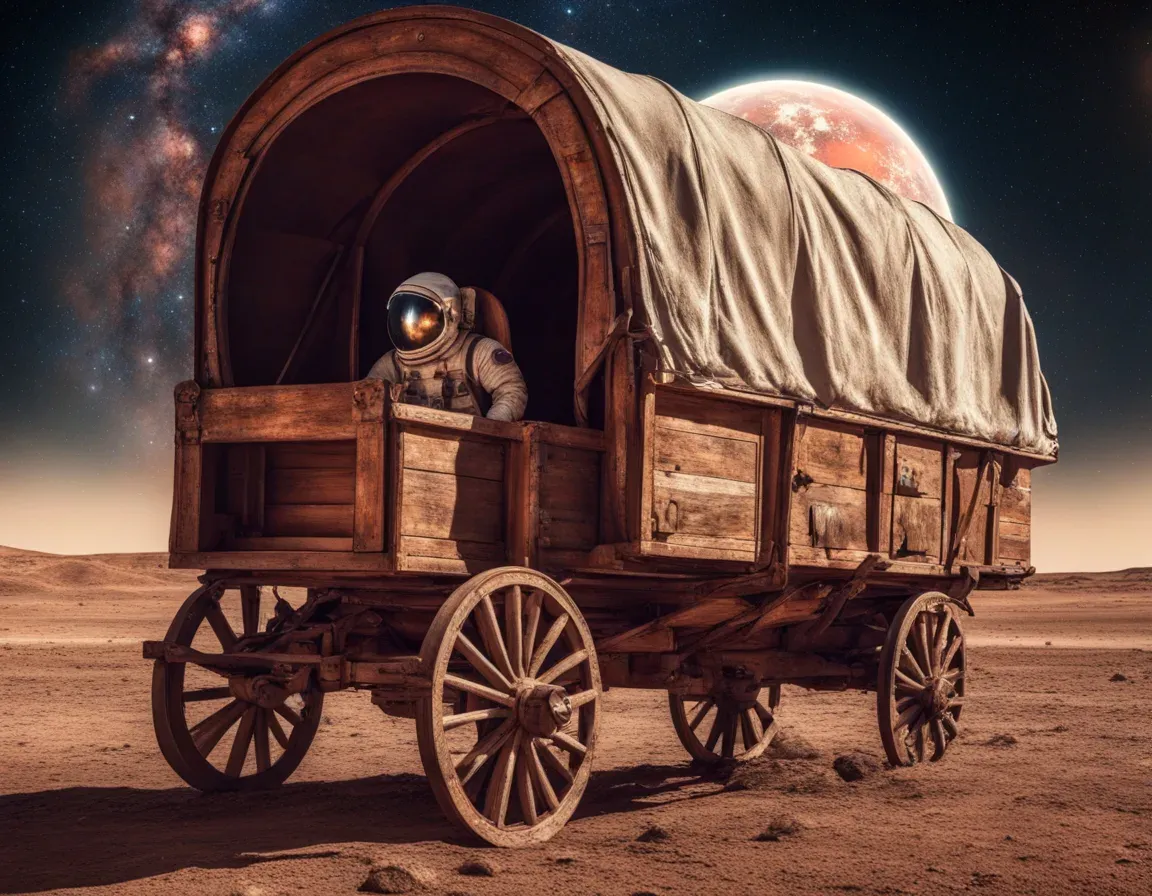
Getting to Mars is not one problem but a chain of hazards, each waiting to test the mission design.
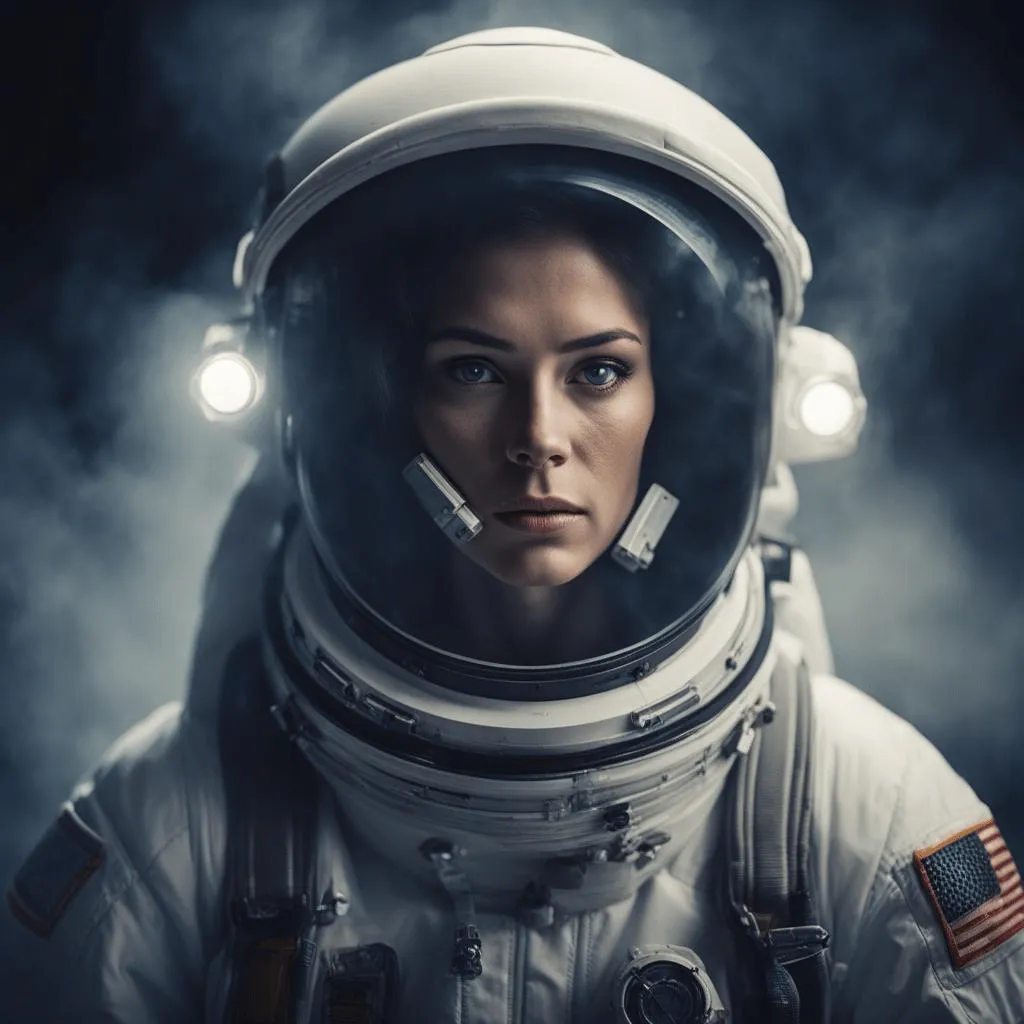
In space, a leak is never small for long, so detection becomes a race between physics and procedure.
Imagined creatures in space become a way to explore biology, AI, and the limits of human-centered thinking.
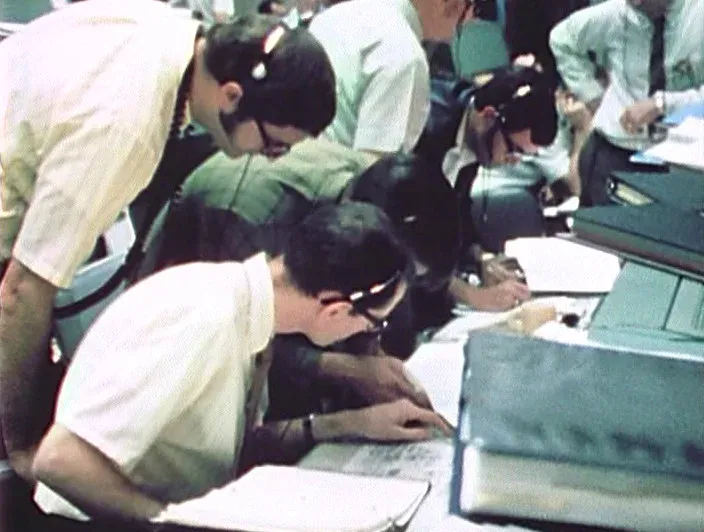
Redundancy is expensive until something fails, which is why space missions treat backups as survival strategy.
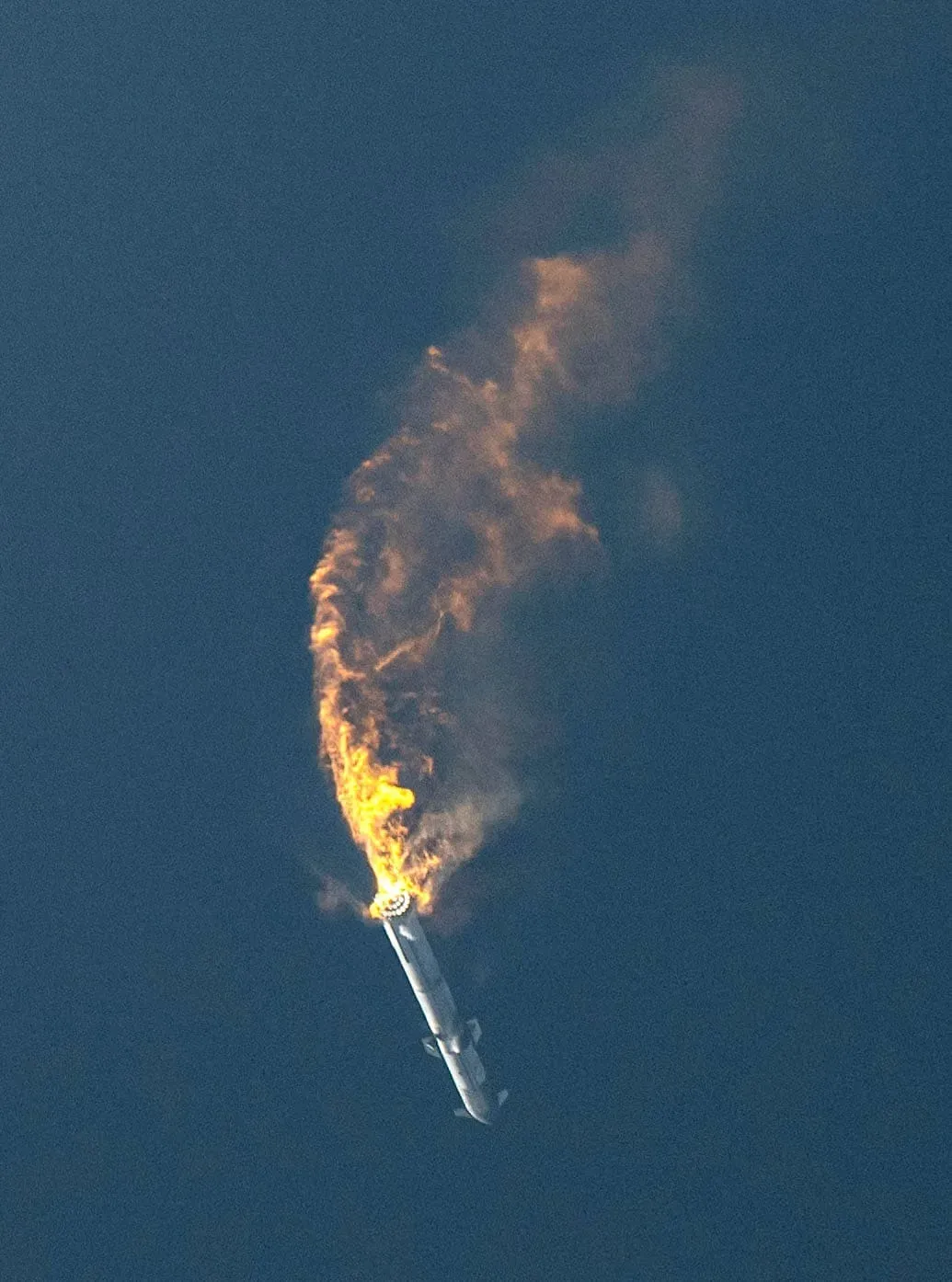
Flight termination systems are grim but essential, protecting people when rockets stop behaving like rockets should.
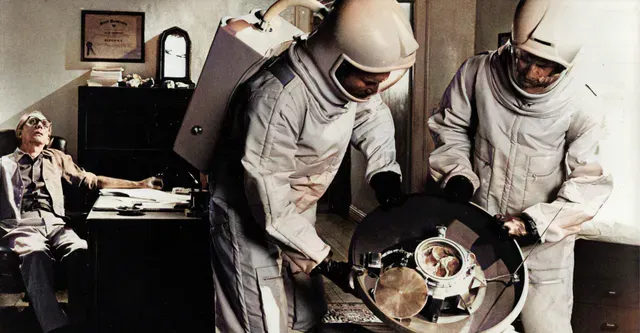
Microbes, dust, mold, and viruses become more serious when sealed habitats make Earth’s smallest threats hard to escape.
Radiation is one of the hardest barriers to deep-space travel, demanding shields, strategy, and biological realism.
Deep-sea and space exploration share a harsh lesson: ambition must negotiate with pressure, isolation, and rescue limits.