
The Most Interesting Ship at Christmas Island
Ship 40’s tow to Christmas Island turns a remarkable Starship recovery into a witty story of engineering, espionage and high-stakes salvage in the Indian Ocean.
23posts
Ship 40’s tow to Christmas Island turns a remarkable Starship recovery into a witty story of engineering, espionage and high-stakes salvage in the Indian Ocean.
Flight 13 exposed Starship’s heat-shield challenge. A break-even model shows when tile repairs, turnaround and payload make reuse beat expendable rockets.
Starship 13 deployed 20 real satellites, restarted a Raptor and landed intact; Super Heavy nailed ascent and boostback, though its final splashdown was hard.

Can Starship Flight 13 lift SpaceX’s valuation as well as its ambitions? A look at Starlink, orbital AI, Mars—and market expectations.

A clear look at why SLS and Starship represent two very different rocket philosophies, from propellant choice to reuse.

Artemis II proves deep-space capability is back, but it also highlights why Starship still matters for the next step.

Starship’s heat-shield troubles show why building reusable spacecraft is less about perfection than learning faster than failure.

A defense of SpaceX’s messy progress, arguing that broken test flights can become part of the design’s strength.
Starship Flight 11 becomes a bridge between today’s test campaign and the larger ambitions of the V3 architecture.
Starship Flight 10 shows how SpaceX turns dramatic failure modes into data for the next design iteration.

A small buoy in the Indian Ocean becomes an unexpected witness to Starship’s increasingly precise flight-test choreography.
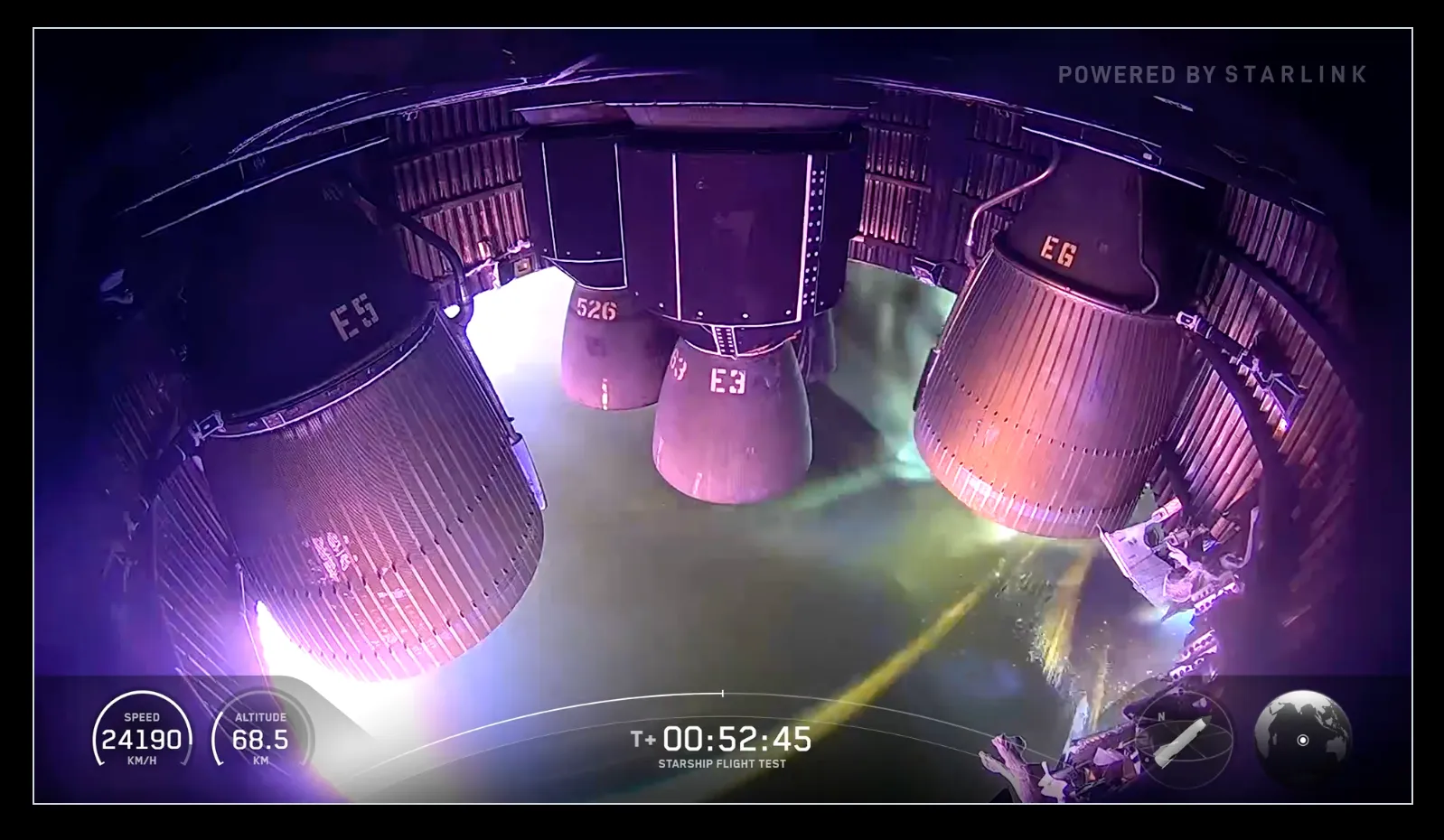
Starship Flight 10 combines major milestones with one odd airlock moment that makes the test especially worth unpacking.
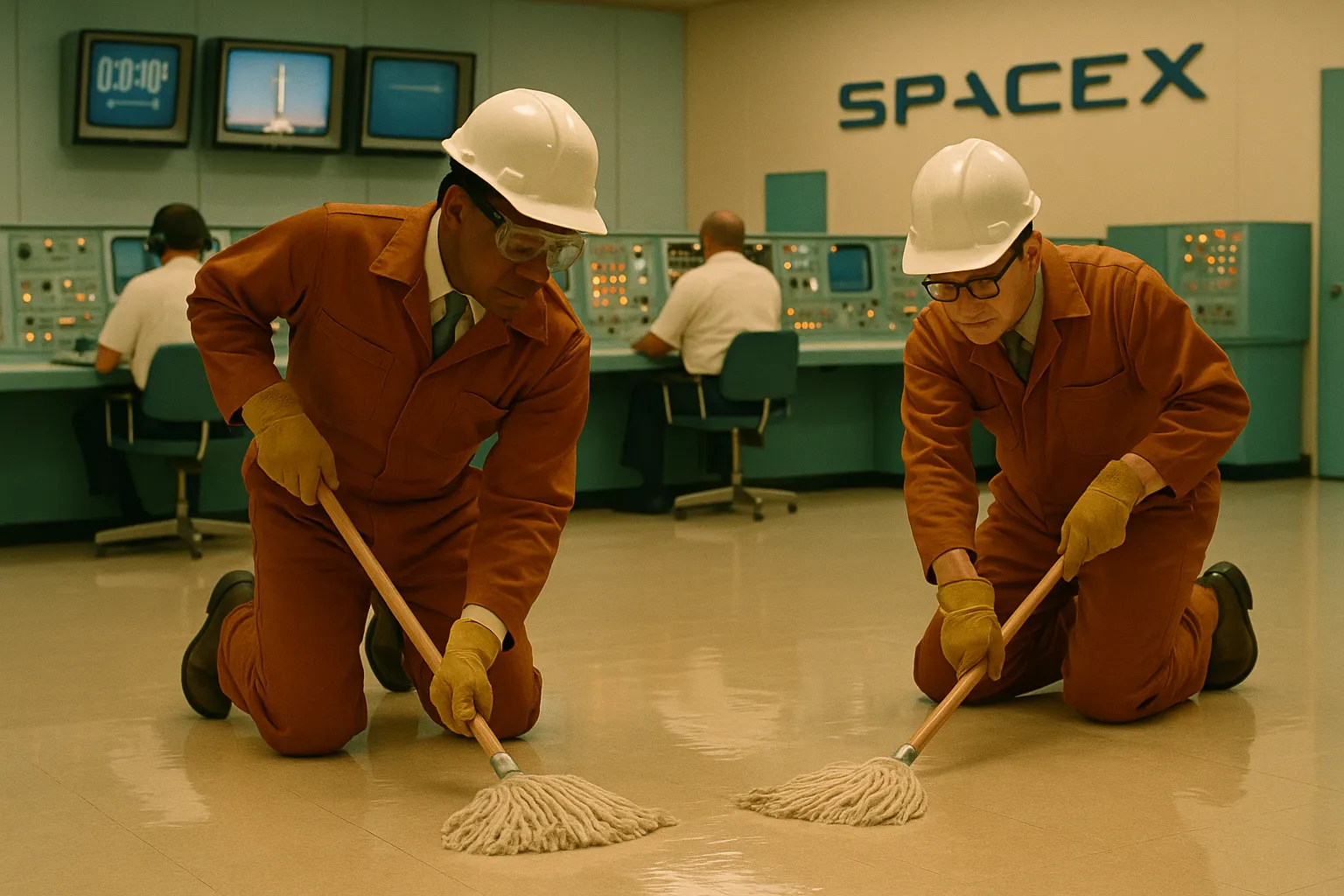
A second look at Starship Flight 10 weighs spectacle against substance, asking what the test really proved.

Landing Starship on Mars will not need launch-tower chopsticks, but it will demand a very different kind of precision.
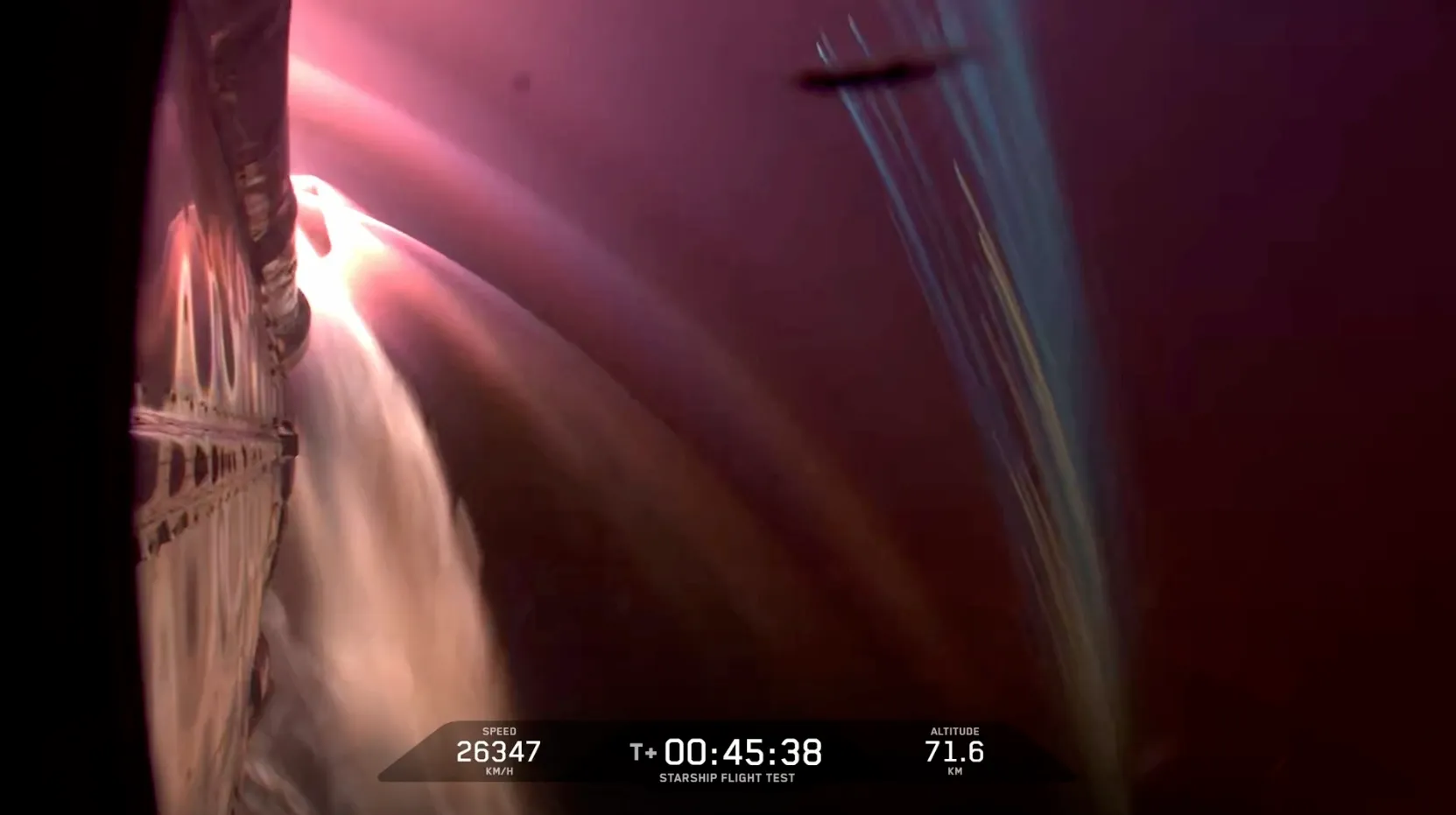
Starship 9’s awkward details make the test memorable, showing how small mechanisms can complicate giant ambitions.

Skipping a rehearsal can look reckless or efficient; Starship Flight 9 offers evidence for both interpretations.

Starship 7’s debris path turns a failed test into a practical lesson in breakup dynamics and public risk.
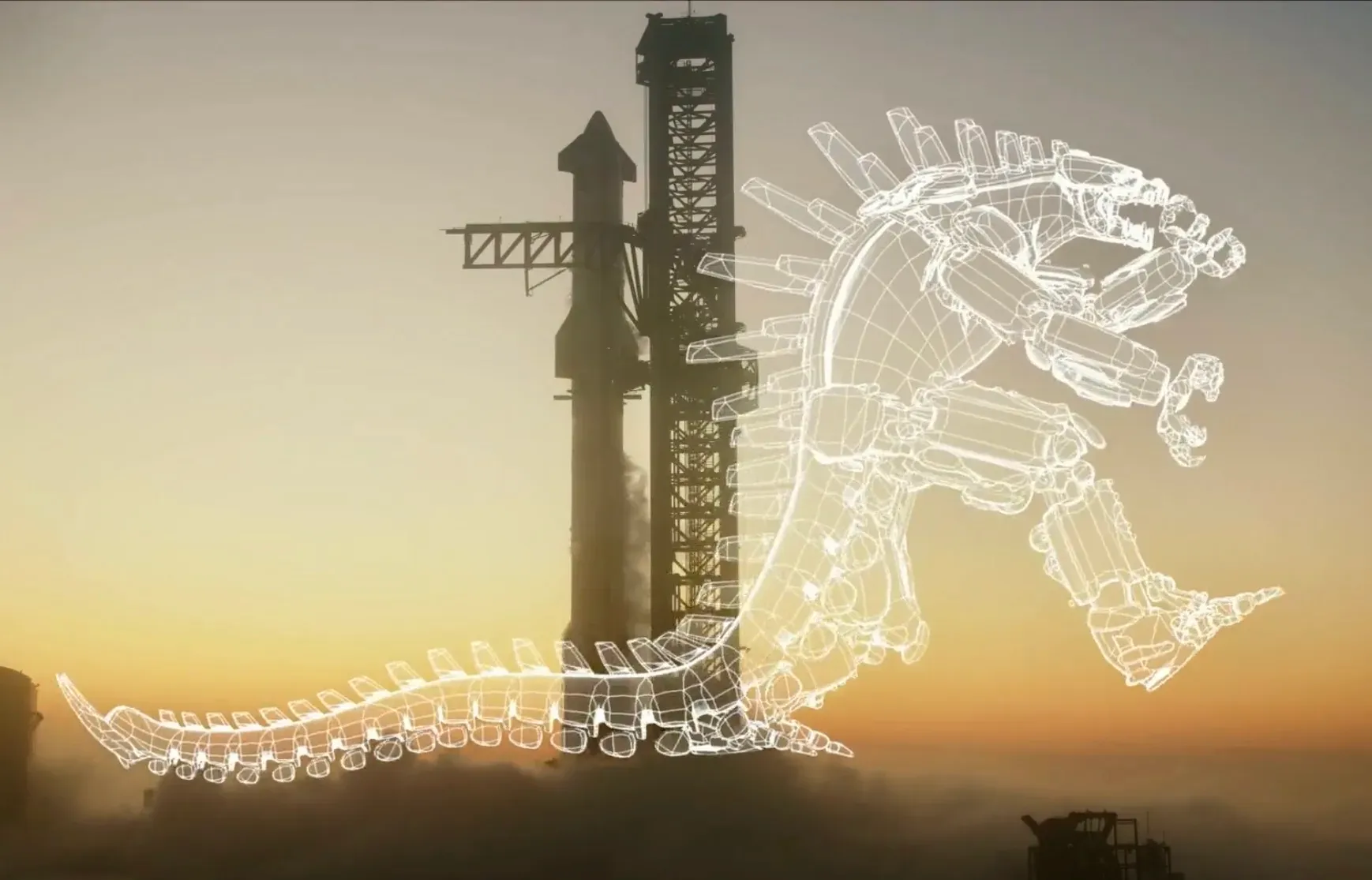
Starship’s explosive test history becomes a story about ambition, iteration, and the public theater of engineering.

SpaceX launches attract devoted watchers because they combine spectacle, uncertainty, and the feeling of history being made live.

Science fiction battles often avoid obvious tactics because drama, world-building, and physics rarely want the same thing.
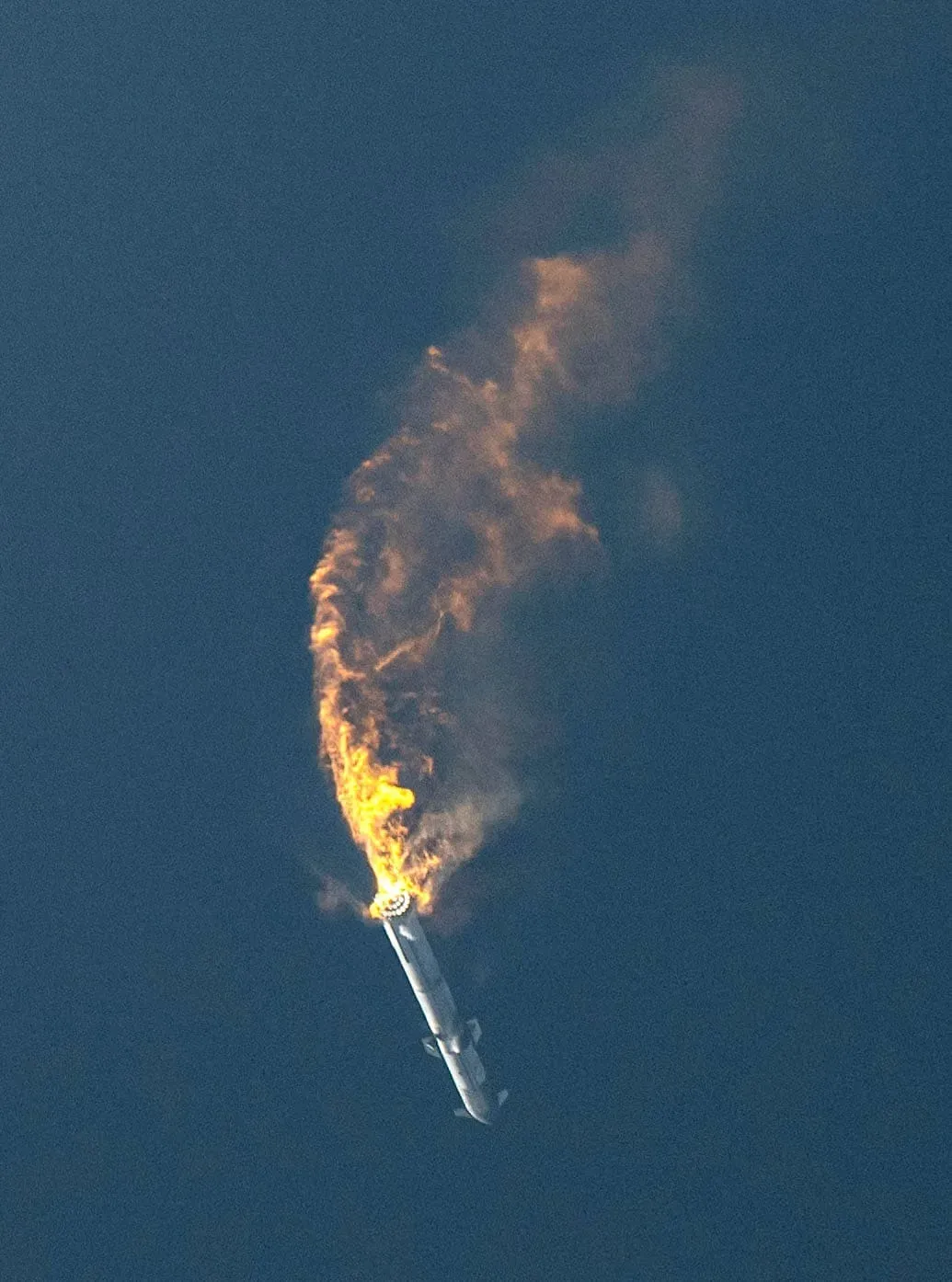
Flight termination systems are grim but essential, protecting people when rockets stop behaving like rockets should.
Starship’s first flight test failed loudly but still marked a consequential step in reusable heavy-lift development.
Raptor engines are more than Starship’s power source; they embody SpaceX’s bet on reuse, methane, and scale.