
Beyond Rockets: The Andromeda Dreamer Gently Pirouettes into Space
For 60 years we’ve reached orbit on chemical rockets — controlled chaos transmuted into mach diamonds. Stunning when they work, devastating when they fail.
23posts
For 60 years we’ve reached orbit on chemical rockets — controlled chaos transmuted into mach diamonds. Stunning when they work, devastating when they fail.

A clear look at why SLS and Starship represent two very different rocket philosophies, from propellant choice to reuse.

John Carmack’s fiber-loop memory idea opens a strange door into latency, physics, and unconventional computing architectures.

The search for alien life is not just an engineering problem; it is also a lesson in reasoning under deep uncertainty.
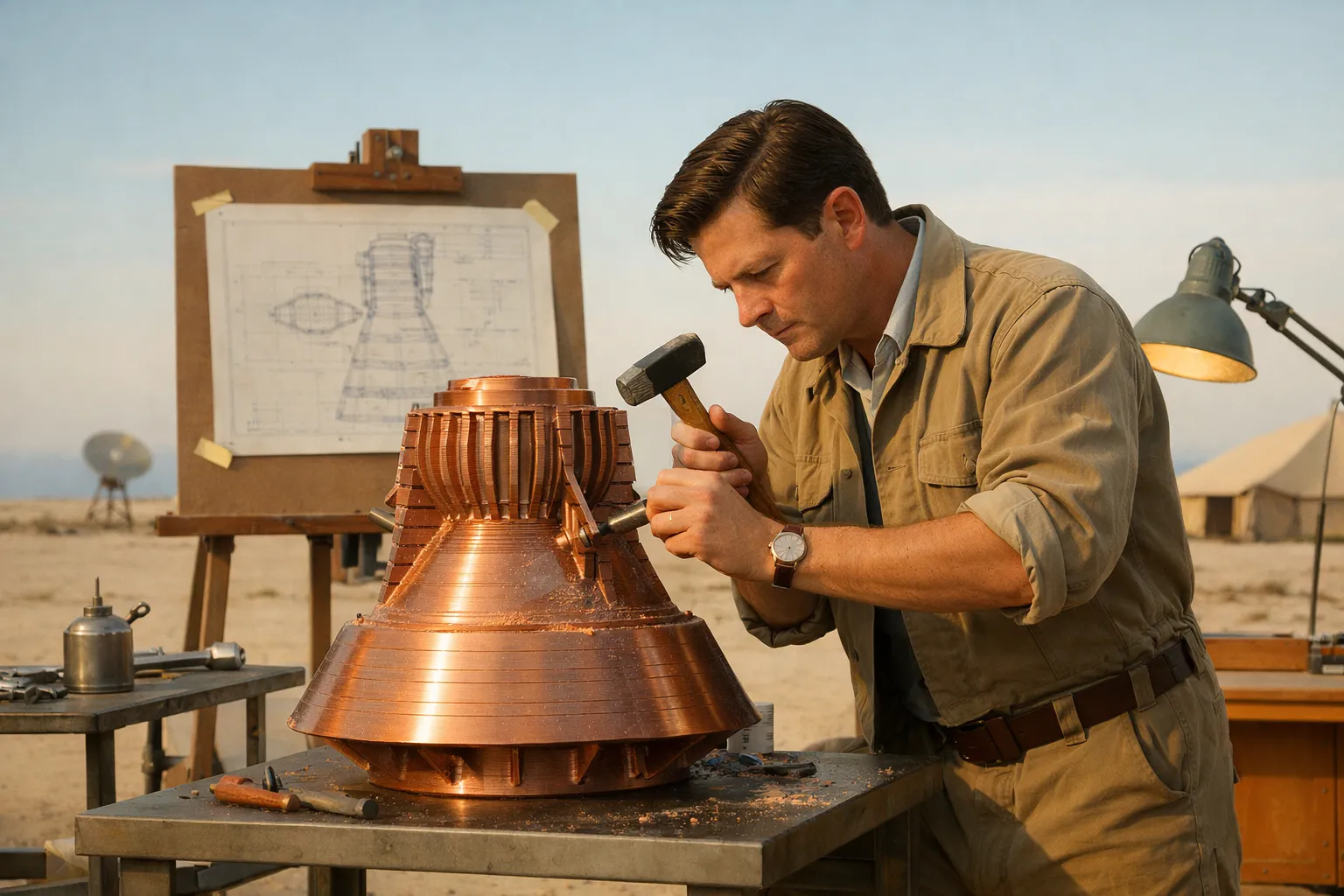
Noyron points toward an engineering future where machines are designed through code, simulation, and computational discipline.

The Moon’s helium-3 dream is seductive, but the physics and economics demand a much colder reality check.

Alcohol in space is more than a joke: it touches chemistry, culture, propulsion, and the rituals humans carry with them.

Honda’s rocket ambitions suggest that precision manufacturing may travel farther than anyone expected from the automotive world.
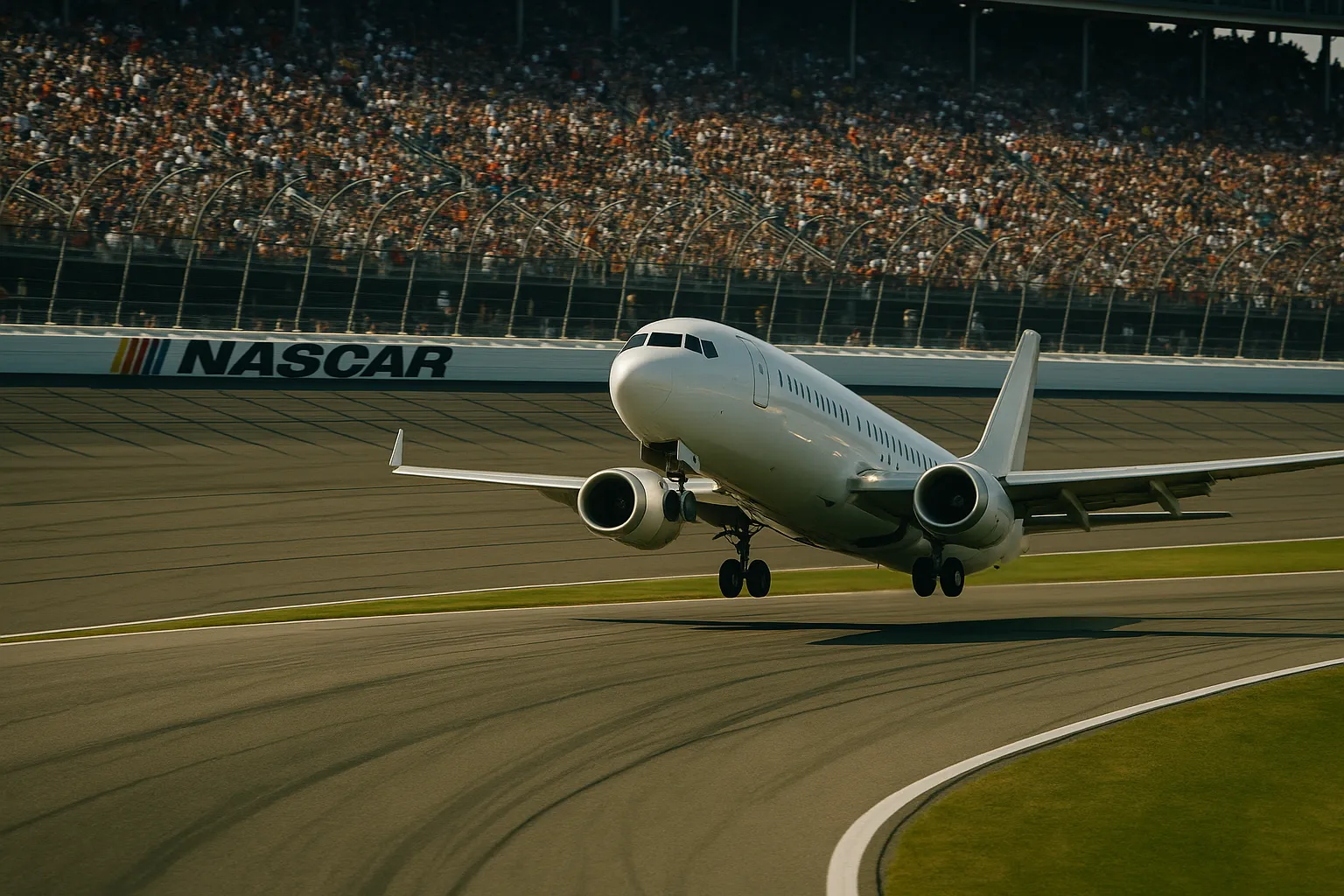
Circular runways sound absurd until they force a fresh look at wind, traffic, airports, and aviation design assumptions.

Resonance can create music, destruction, and unexpected engineering trouble when systems find the frequency they cannot ignore.

Skipping a rehearsal can look reckless or efficient; Starship Flight 9 offers evidence for both interpretations.
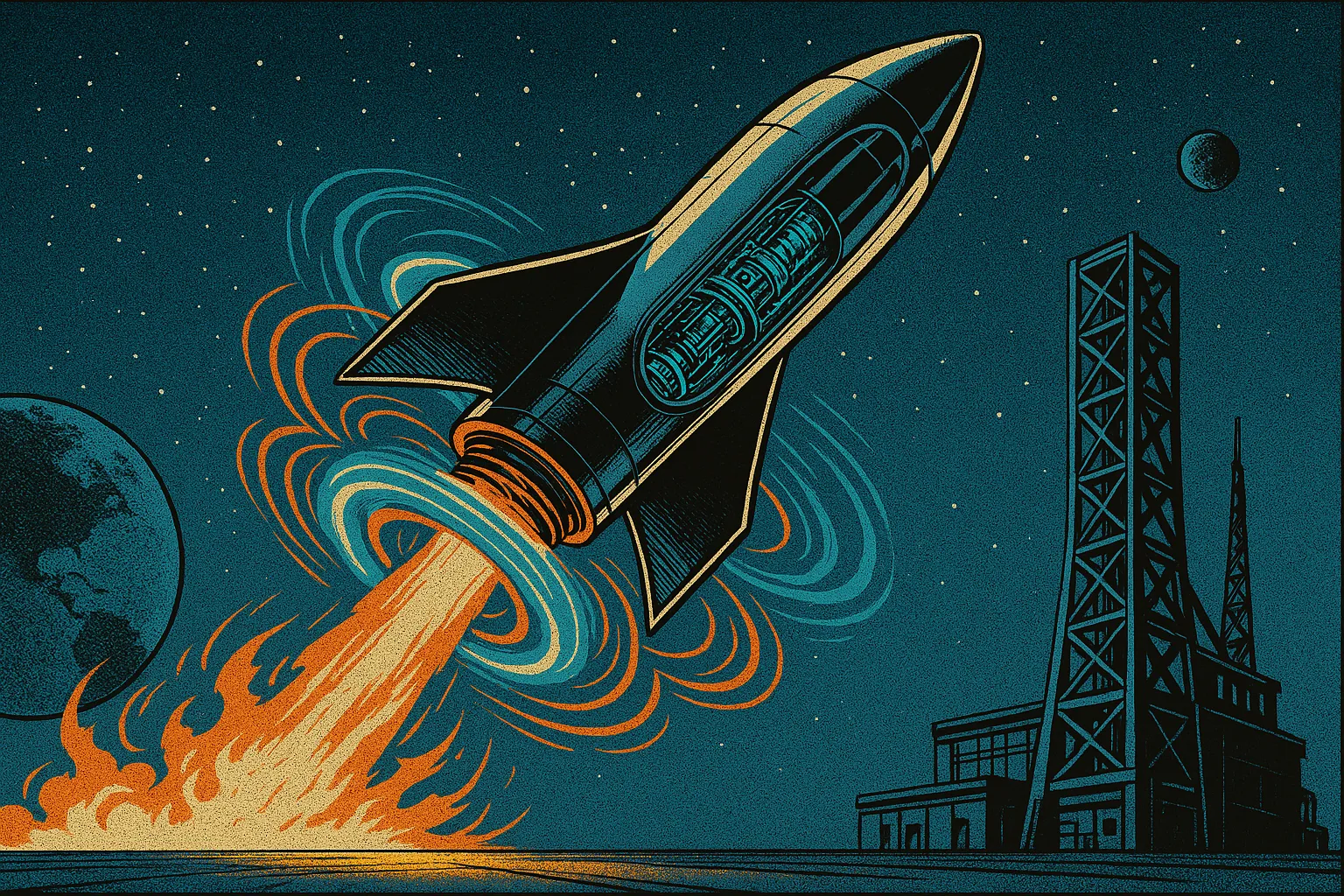
Rotating detonation engines promise a propulsion leap by turning controlled explosions into continuous, efficient thrust.
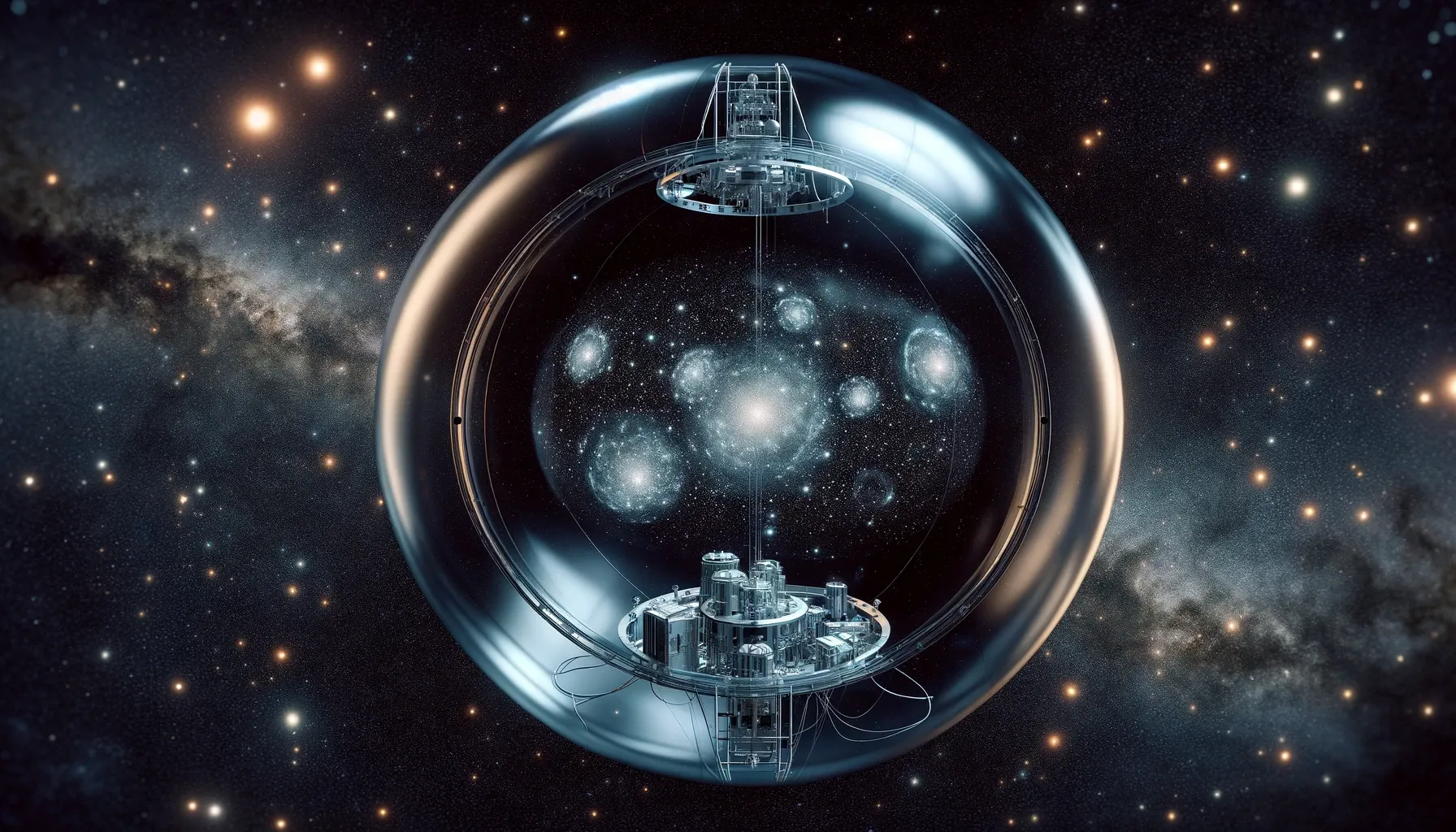
Soft and liquid telescope structures may sound strange, but they could solve problems rigid hardware cannot.

Science fiction battles often avoid obvious tactics because drama, world-building, and physics rarely want the same thing.

Rocket propellant does not sit still, and controlling its motion is essential to steering a vehicle safely.

NASA’s software catalog offers a practical reminder that space research often leaves useful tools behind for everyone.
Glass is easy to overlook, yet space exploration depends on its optical, structural, and protective roles.
From model rockets to launch vehicles, rocket size is really a negotiation among mass, thrust, drag, and purpose.
Measurement systems can seem mundane until mismatched units threaten engineering, navigation, and mission success.
The gravity turn explains why rockets arc into orbit instead of simply climbing straight toward space.
Rocket launches are acoustic events as much as mechanical ones, and vibration can be a serious engineering enemy.
Choosing rocket engine size is a balancing act between thrust, reliability, plumbing, cost, and mission flexibility.
Raptor engines are more than Starship’s power source; they embody SpaceX’s bet on reuse, methane, and scale.