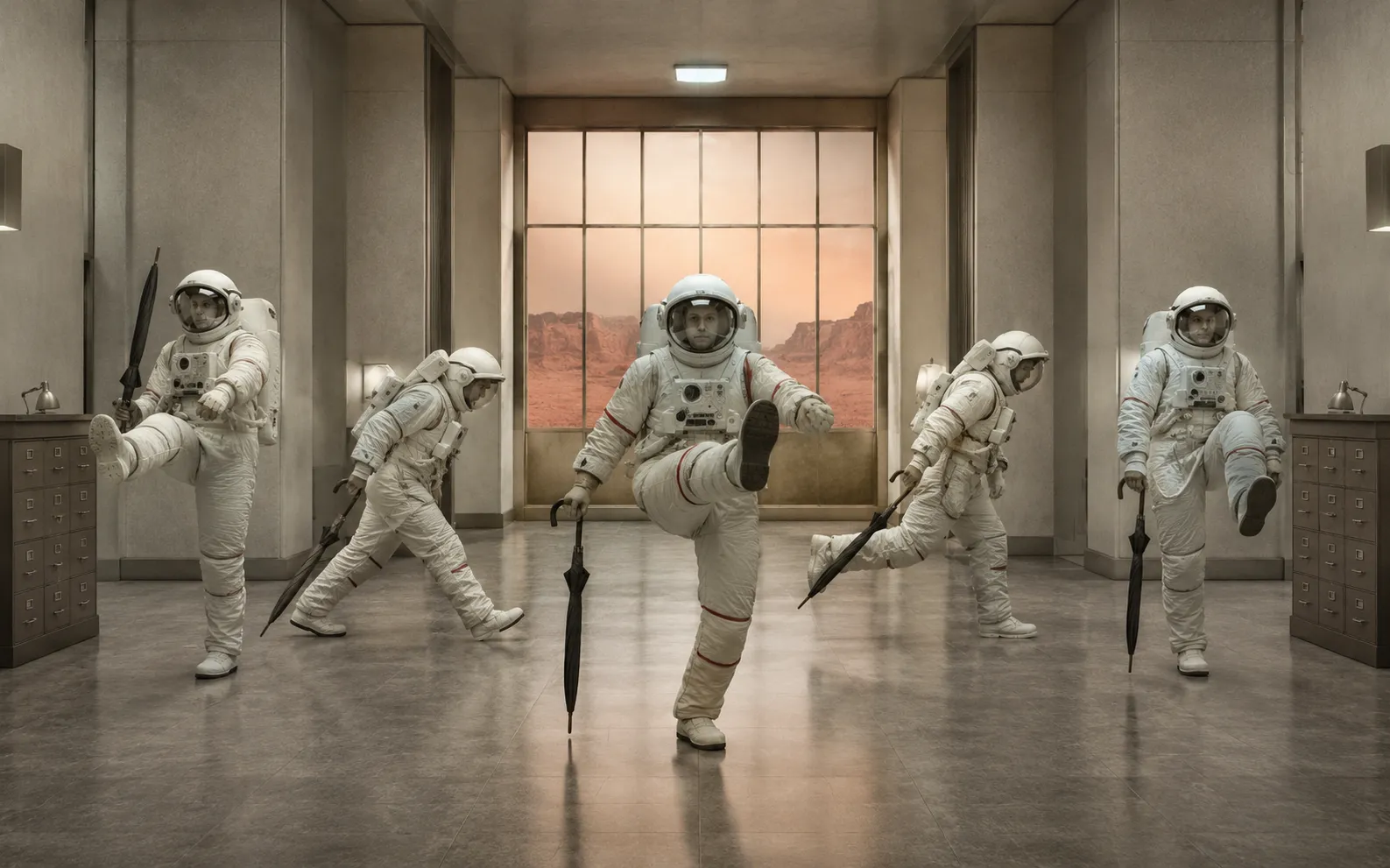
The Martian Ministry of Silly Walks
Wheels, legs, tracks, hoppers and flying scouts: a comic look at why Mars robots still roll, and why Optimus may be the wrong animal.
54posts
Wheels, legs, tracks, hoppers and flying scouts: a comic look at why Mars robots still roll, and why Optimus may be the wrong animal.

Starship’s heat-shield troubles show why building reusable spacecraft is less about perfection than learning faster than failure.
A comic but serious look at what happens when rockets, robotics, AI, and Musk’s corporate universe start overlapping.

The search for alien life is not just an engineering problem; it is also a lesson in reasoning under deep uncertainty.
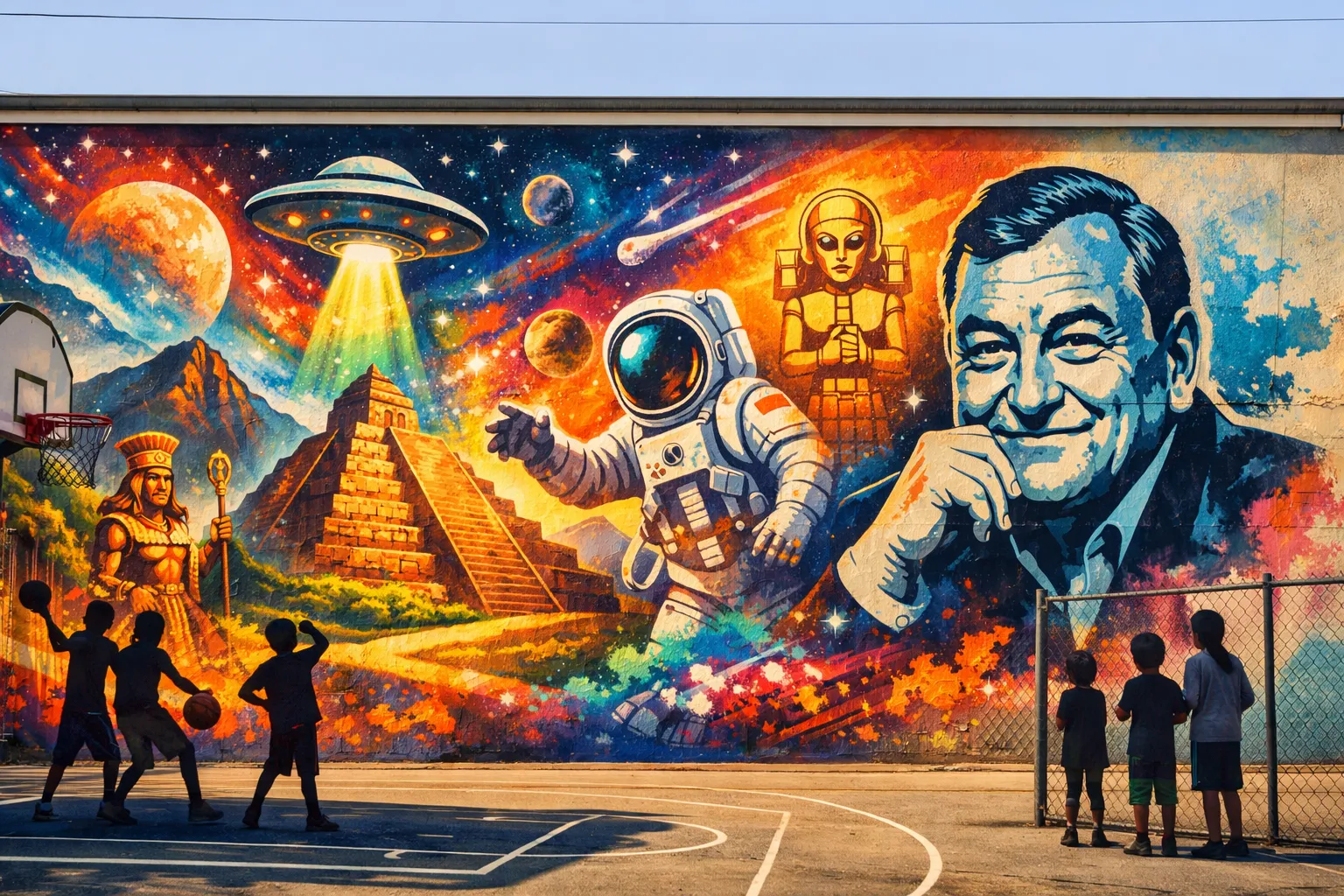
Erich von Däniken’s legacy is messy, but his strange gift was making ancient history feel suddenly cosmic.
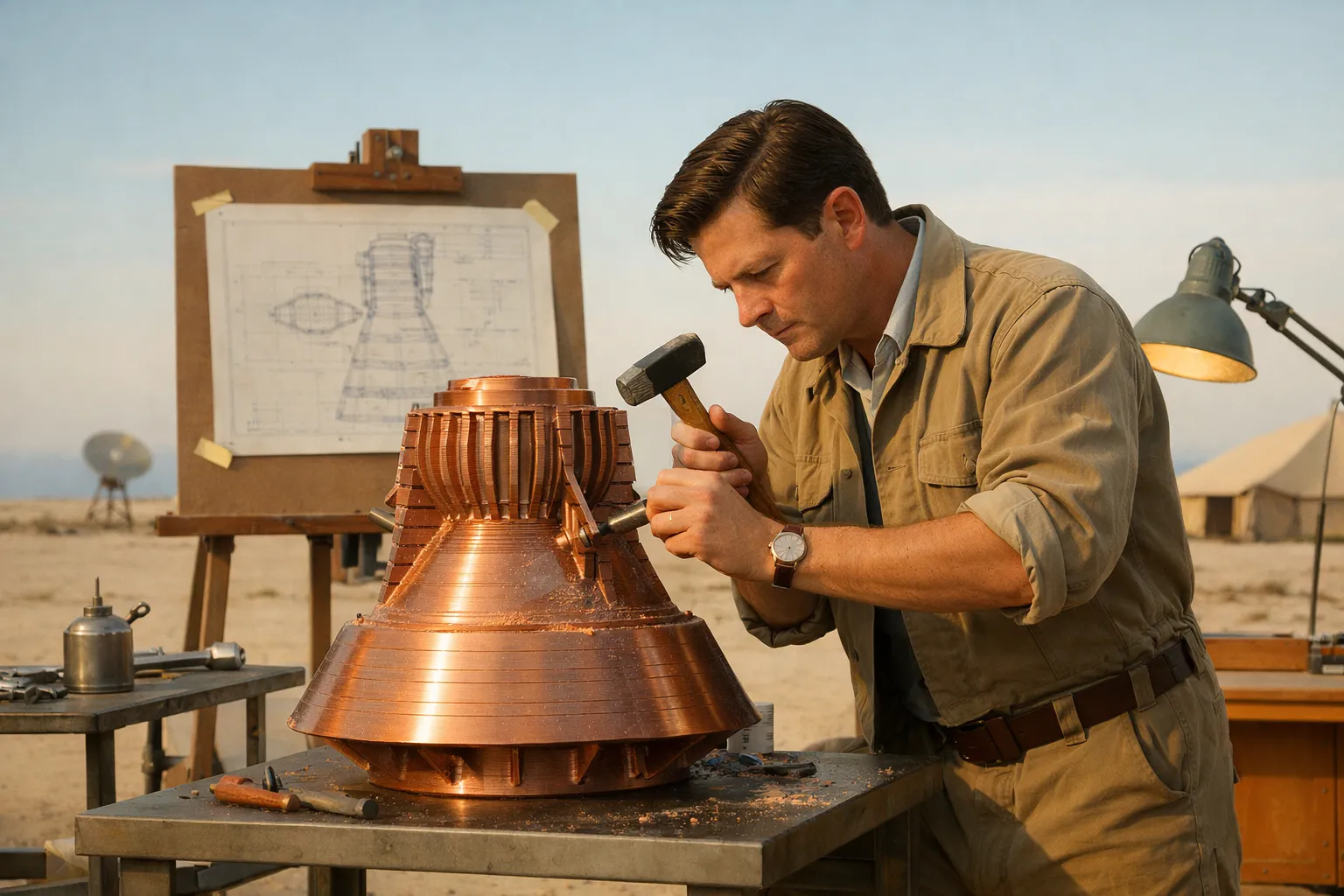
Noyron points toward an engineering future where machines are designed through code, simulation, and computational discipline.
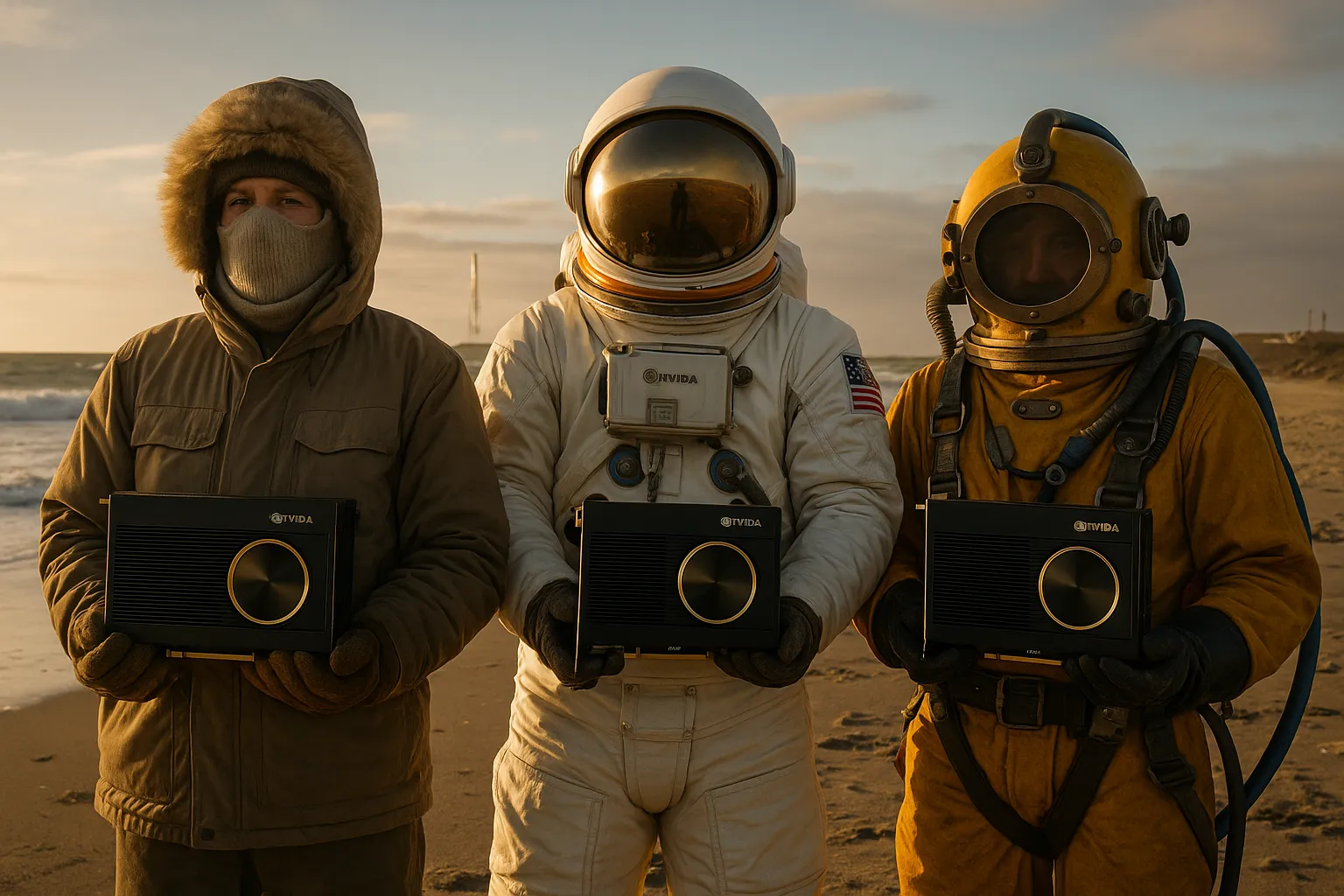
AI’s hunger for cooling pushes the data-center debate toward stranger places, including the possibility of hardware beyond Earth.
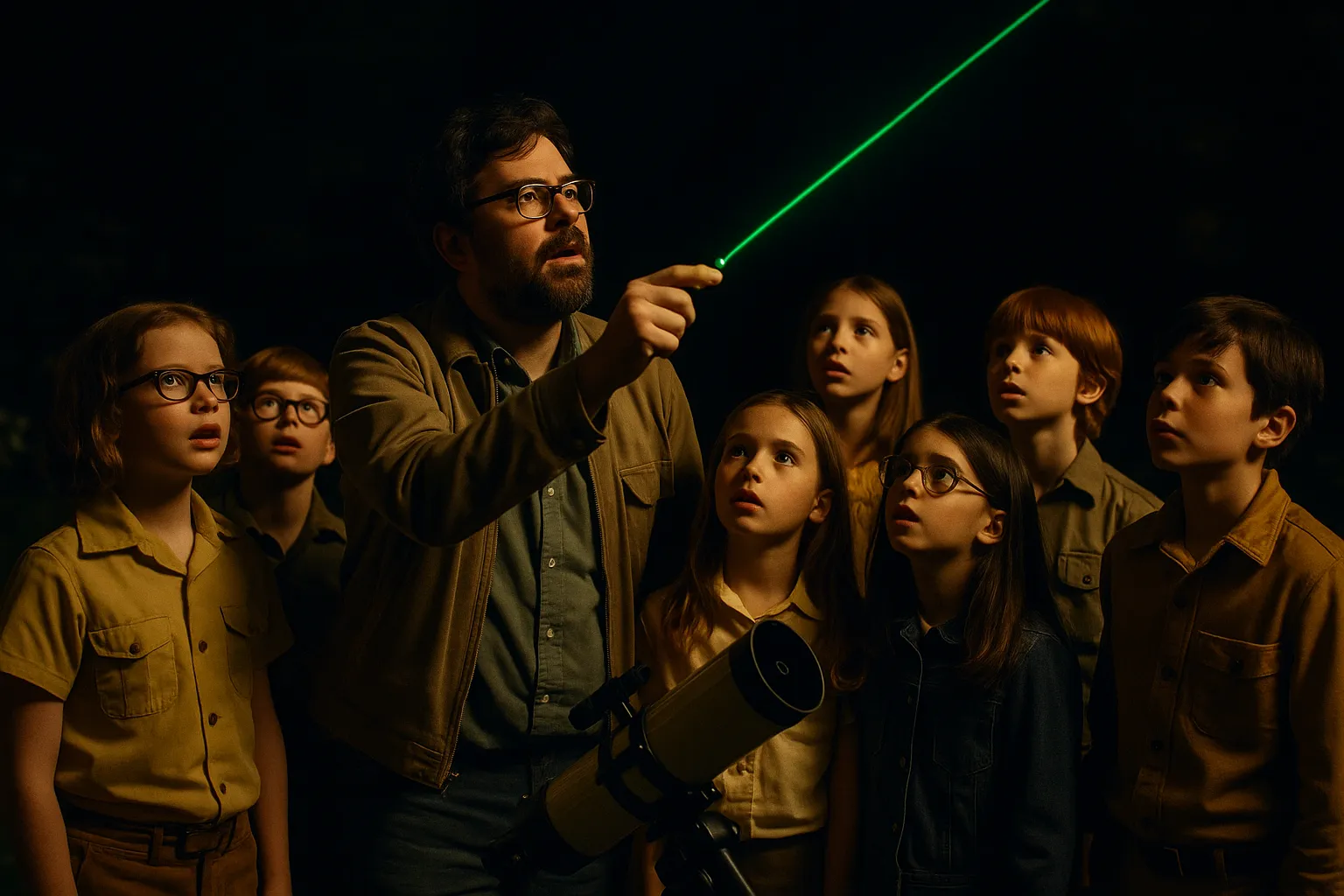
Those lasers above observatories are not for show; they are tools for correcting the atmosphere’s restless distortion.

A one-hertz signal sounds simple until it becomes a meditation on precision, patience, and the art of slow measurement.
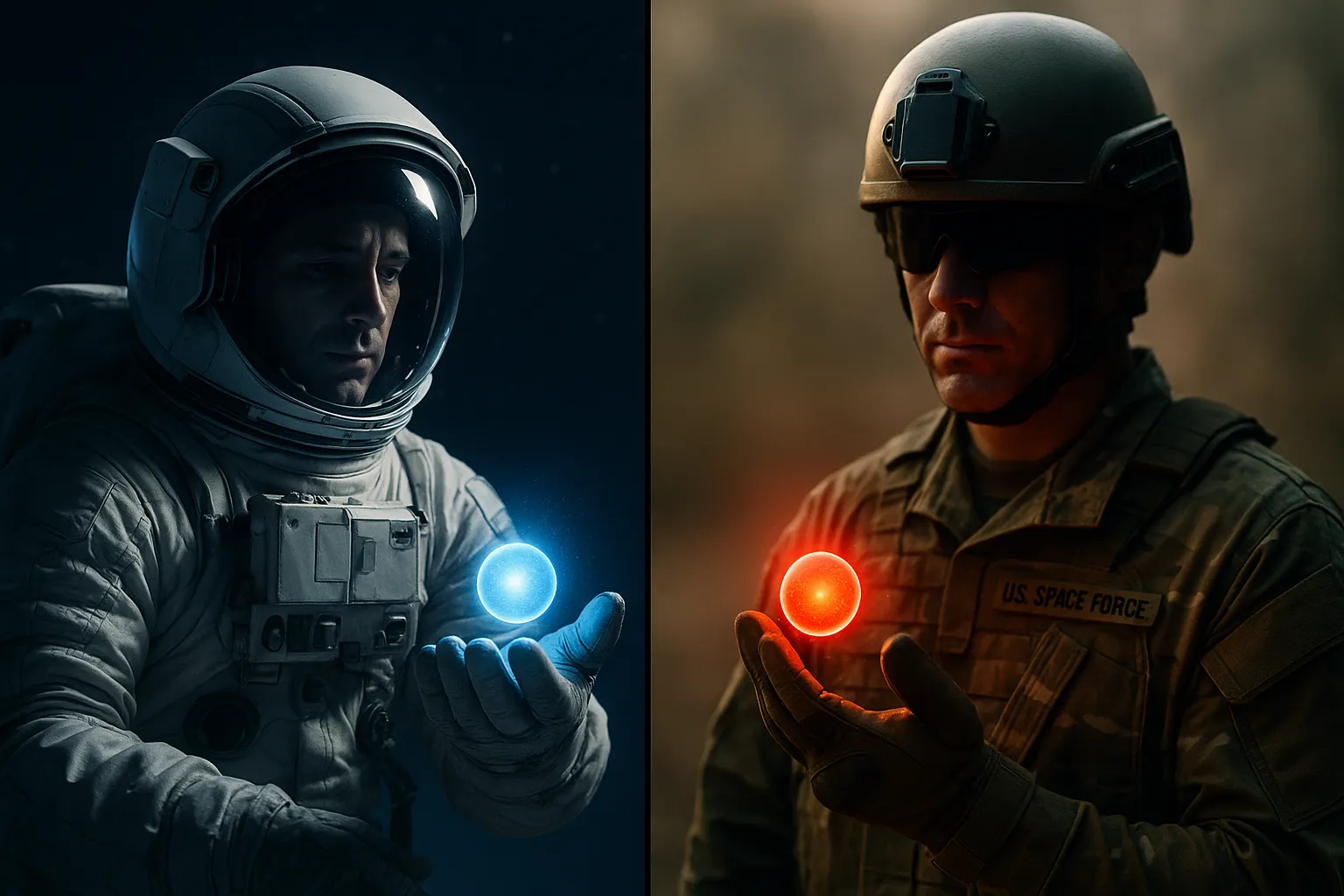
The X-37B’s latest mission hints at a future where military spacecraft can navigate when GPS is unavailable or denied.

CURBy’s quantum randomness story asks what true unpredictability means when computers, physics, and trust collide.
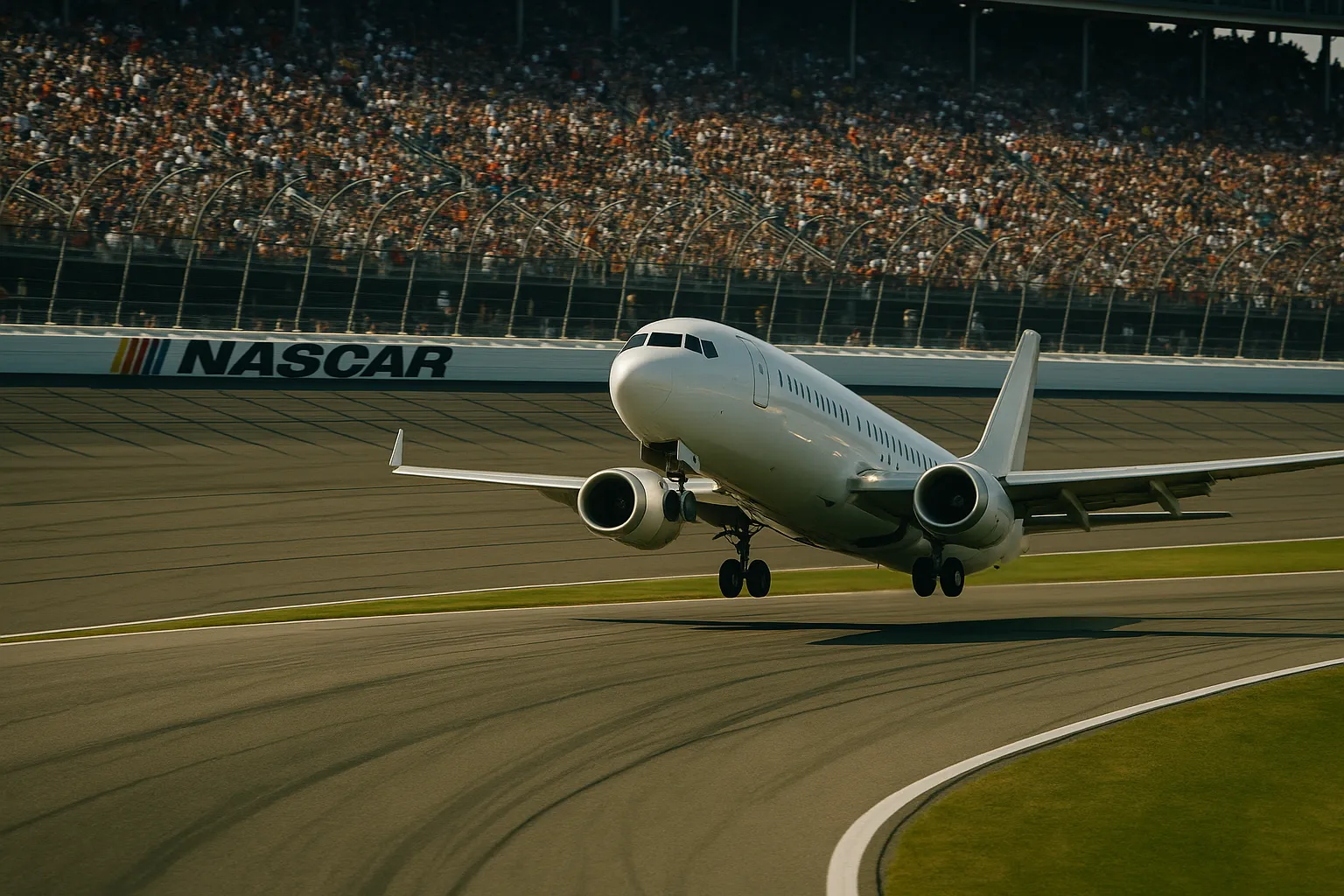
Circular runways sound absurd until they force a fresh look at wind, traffic, airports, and aviation design assumptions.

Resonance can create music, destruction, and unexpected engineering trouble when systems find the frequency they cannot ignore.
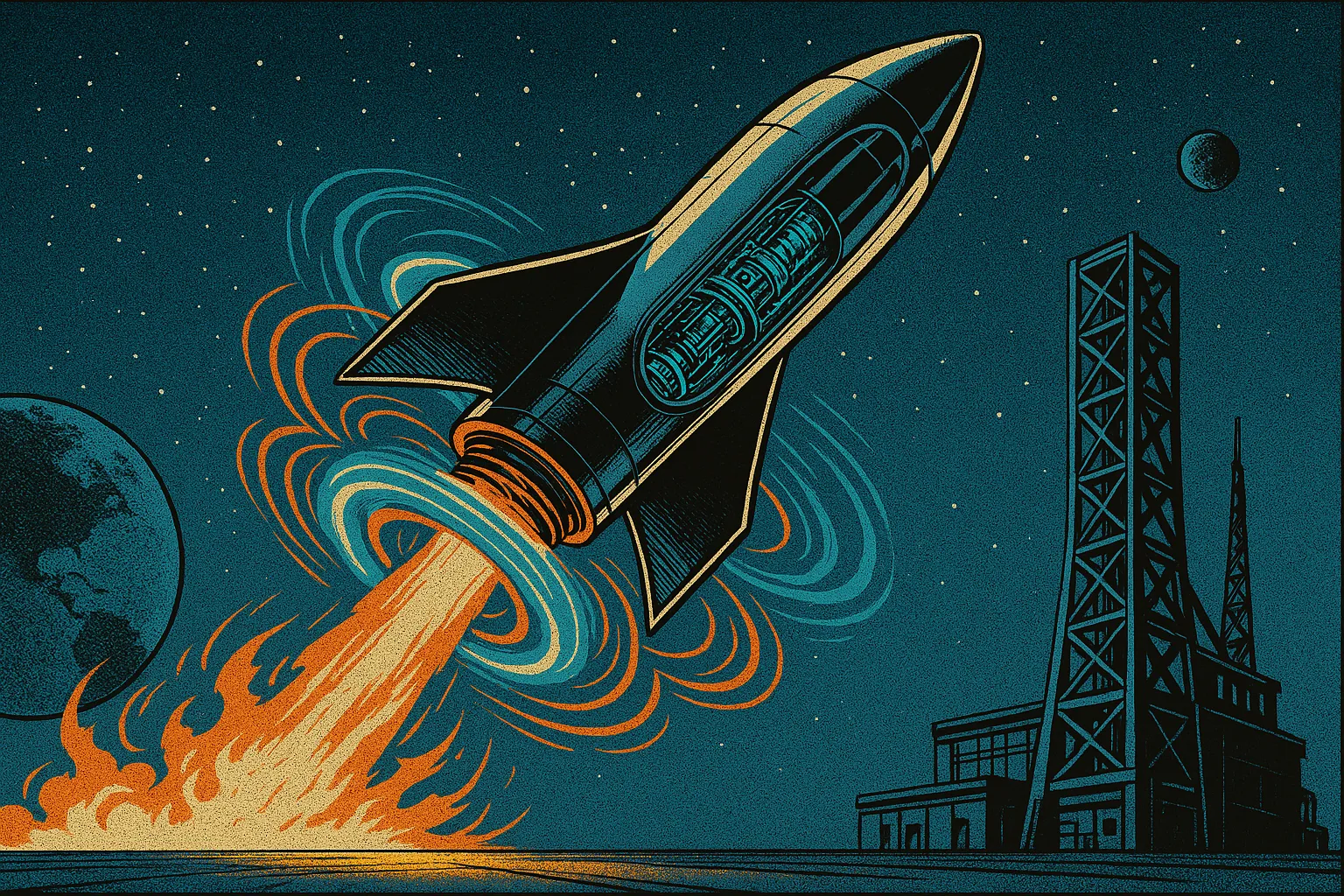
Rotating detonation engines promise a propulsion leap by turning controlled explosions into continuous, efficient thrust.

Silence is never quite silent, and the physics of noise reaches from everyday life to cosmic measurement.
NASA’s Power of Ten rules show how disciplined software habits become survival tools in safety-critical systems.

A hypothetical asteroid mission turns into a guided tour of how engineers plan planetary defense before panic begins.
Stephen Wolfram’s physics project is ambitious and provocative, raising questions about insight, authority, and scientific persuasion.
Modern heat shields are evolving quickly because coming home safely remains one of spaceflight’s hardest problems.

Santa’s impossible journey becomes a playful excuse to examine astronomy, timing, and the physics of holiday magic.

NASA’s TRL scale turns vague invention talk into a practical ladder from idea to flight-proven hardware.

NASA’s risk matrix looks simple, but it reveals how space programs turn uncertainty into decisions.
Soft and liquid telescope structures may sound strange, but they could solve problems rigid hardware cannot.
Sigma thinking connects data, uncertainty, and discovery, showing how scientists decide when a signal becomes knowledge.

Studying the Sun means sending machines toward a star that is both familiar, dangerous, and still deeply mysterious.

Plutonium power keeps distant spacecraft alive where sunlight fails, making nuclear batteries quiet heroes of exploration.
A mock-technical romp through the AI Encabulator skewers buzzwords while celebrating the absurd poetry of engineering jargon.
Star trackers, gyros, and accelerometers give spacecraft the ability to know where they are when Earth cannot help.
GPS is a space-based timing miracle that quietly depends on satellites, relativity, and constant correction.
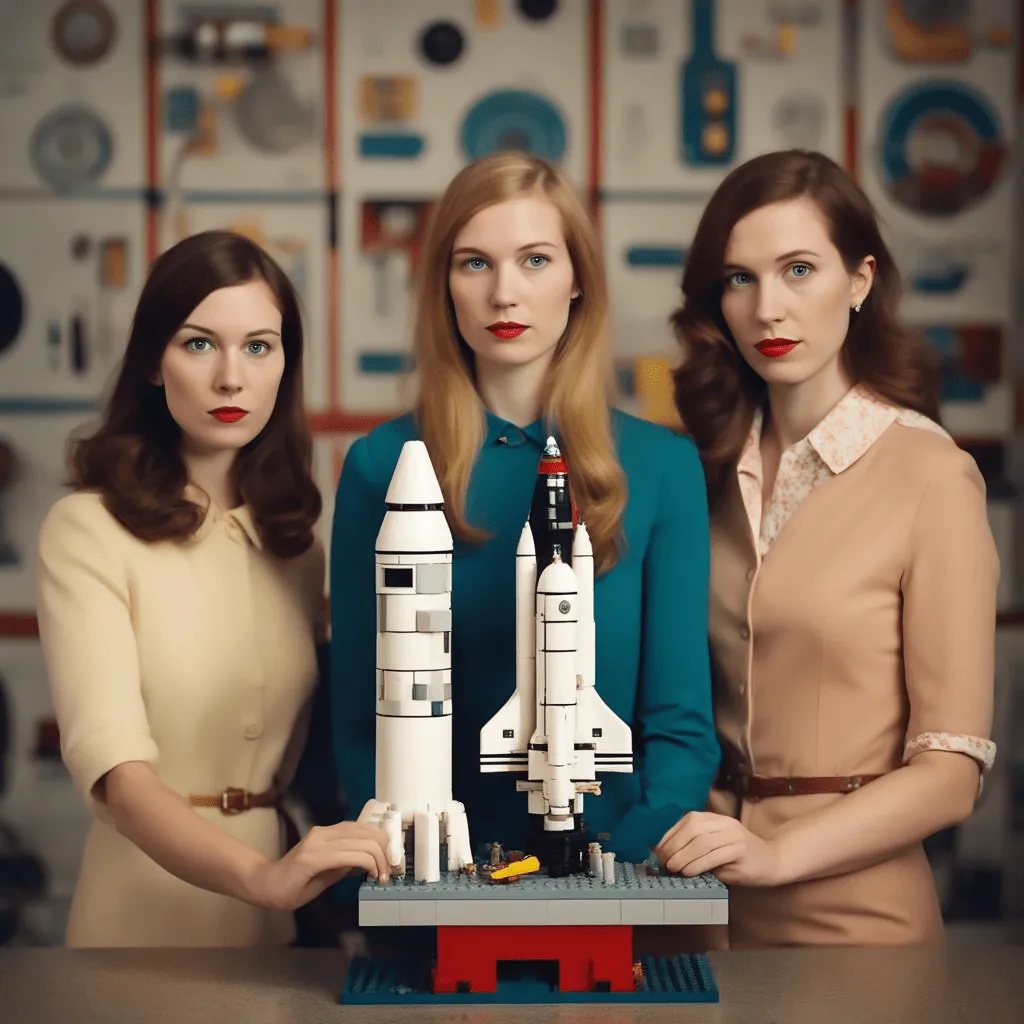
LEGO and space culture fit together because both turn engineering ambition into something people can hold and imagine.

Teleportation remains mostly fiction, but the science behind the dream is stranger and more precise than it first appears.

The lunar rover turned walking distance into exploration range, changing what astronauts could actually do on the Moon.
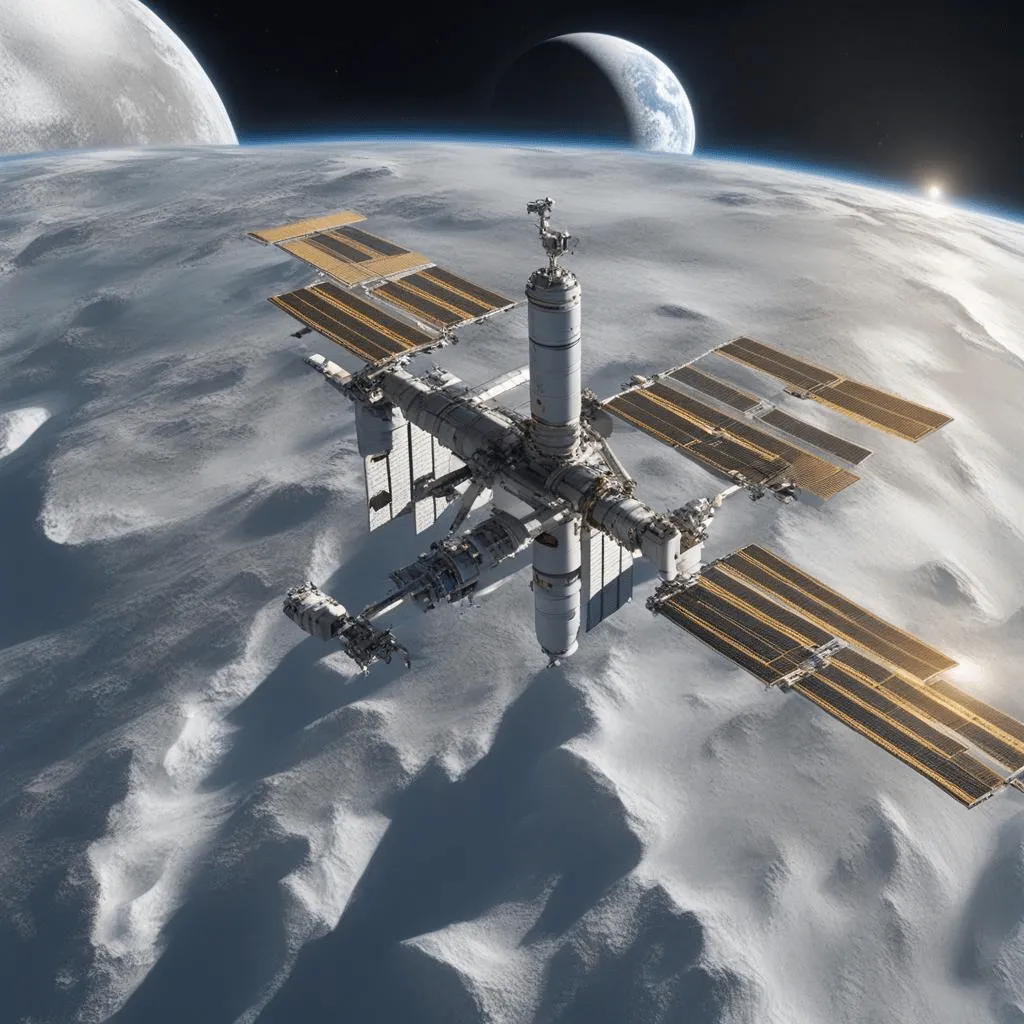
Temperature control in space is an invisible engineering battle against sunlight, shadow, radiation, and vacuum.
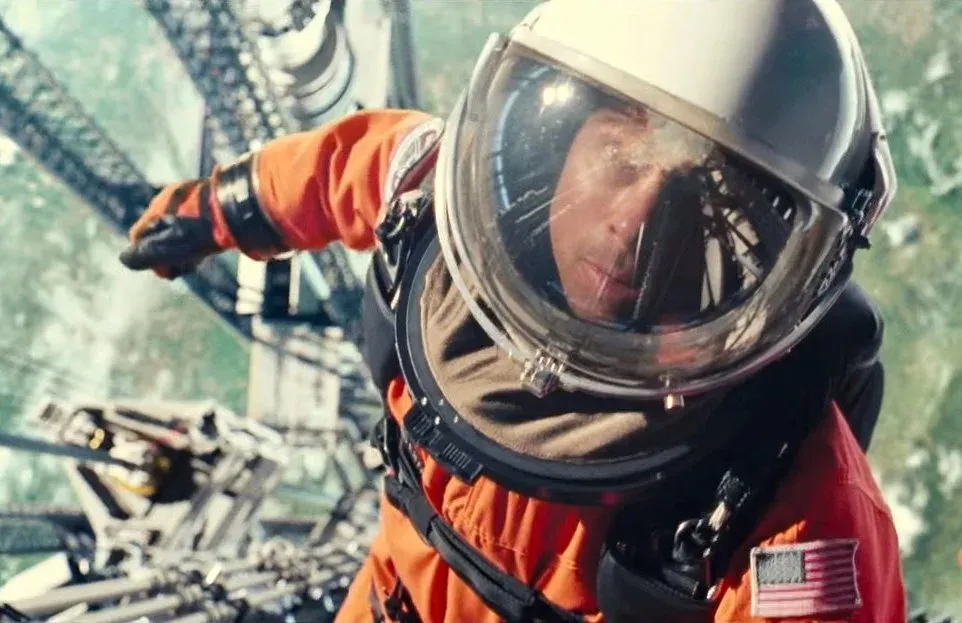
The space elevator remains a beautiful idea balanced between visionary engineering, materials science, and stubborn reality.
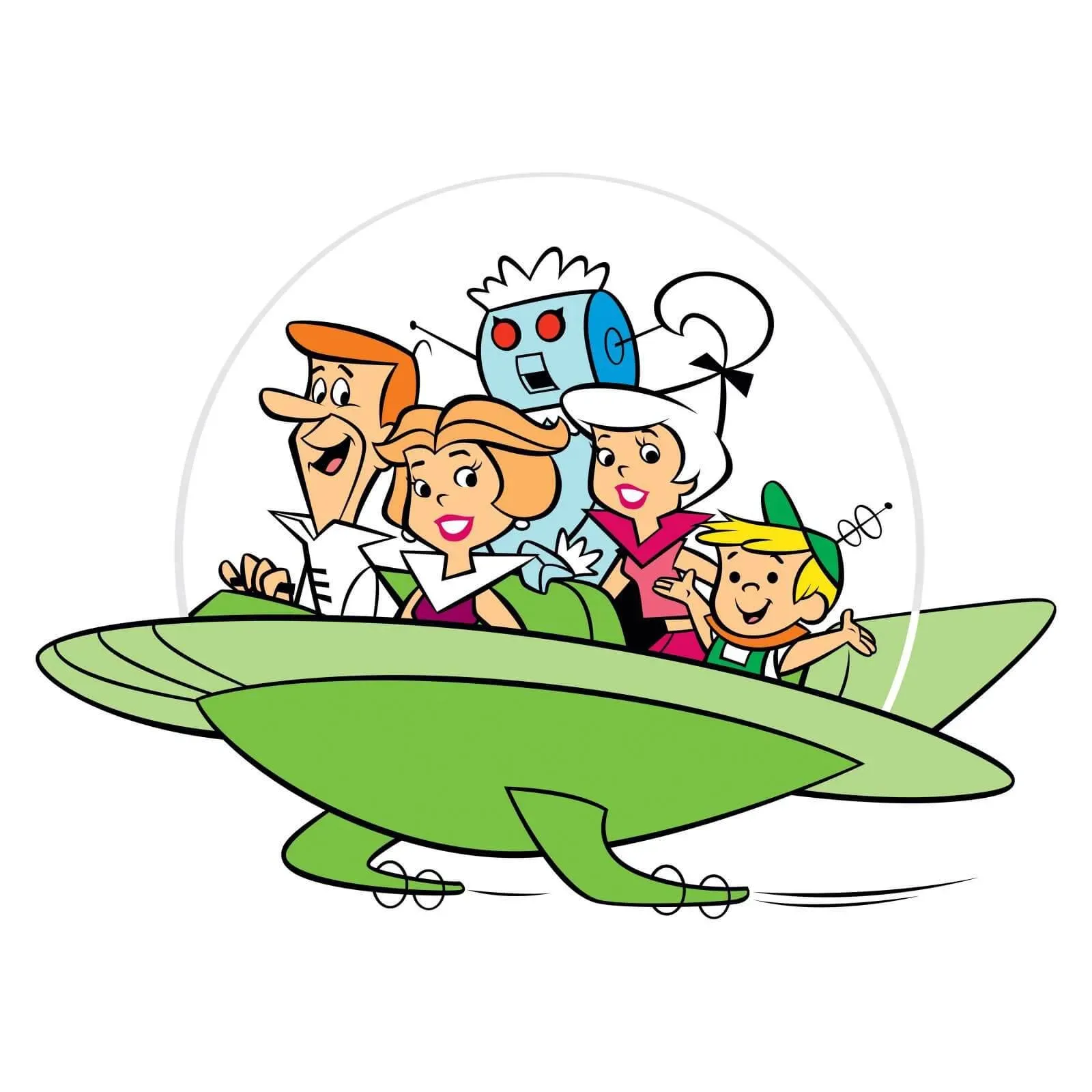
Flying cars keep returning because the dream is simple, while the real world keeps adding traffic, safety, and noise.
Imagined creatures in space become a way to explore biology, AI, and the limits of human-centered thinking.

The rumor of astronaut suicide pills says more about fear, secrecy, and mythmaking than actual mission practice.
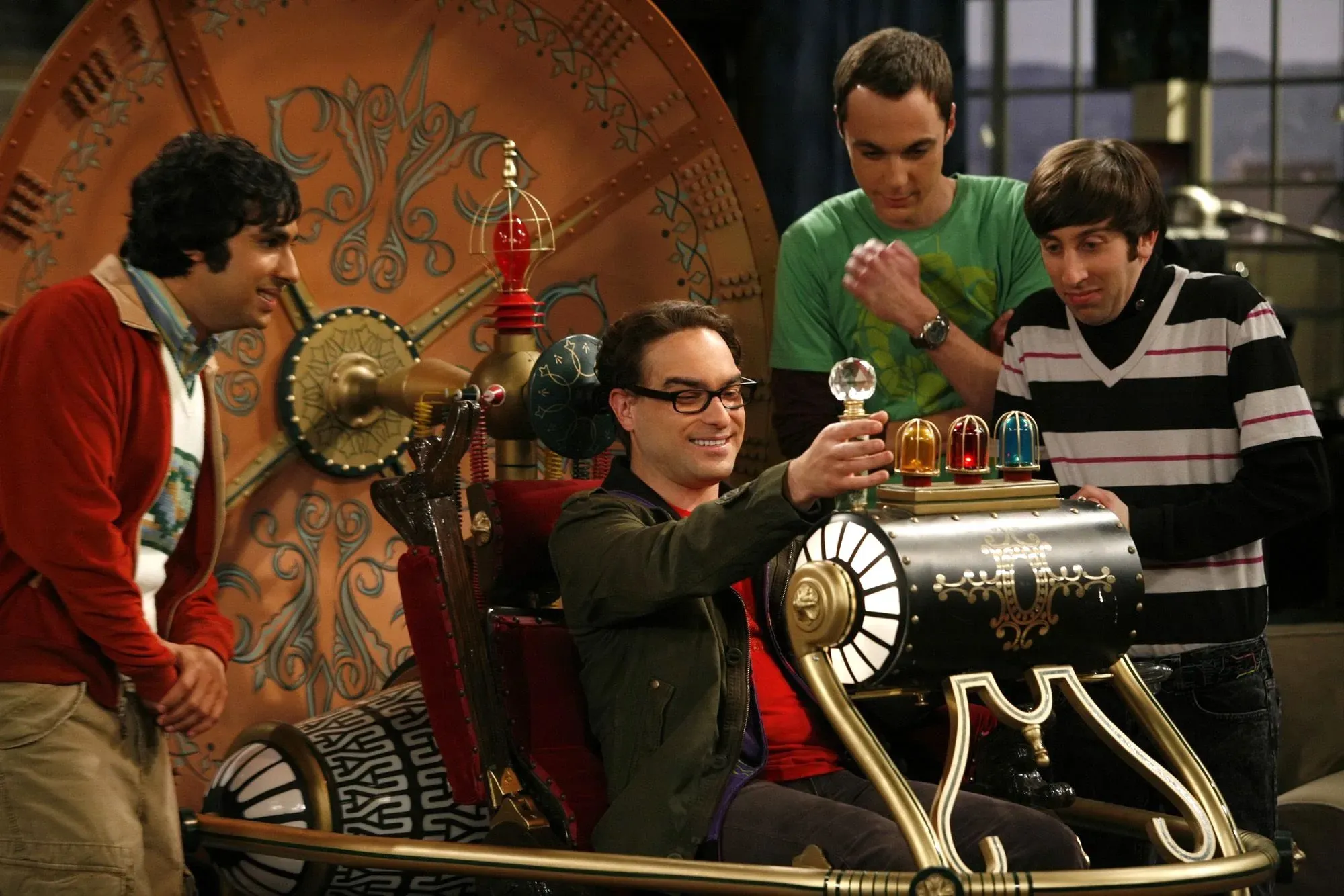
Science fiction gets the future wrong often, but its best predictions reveal something deeper than technical accuracy.
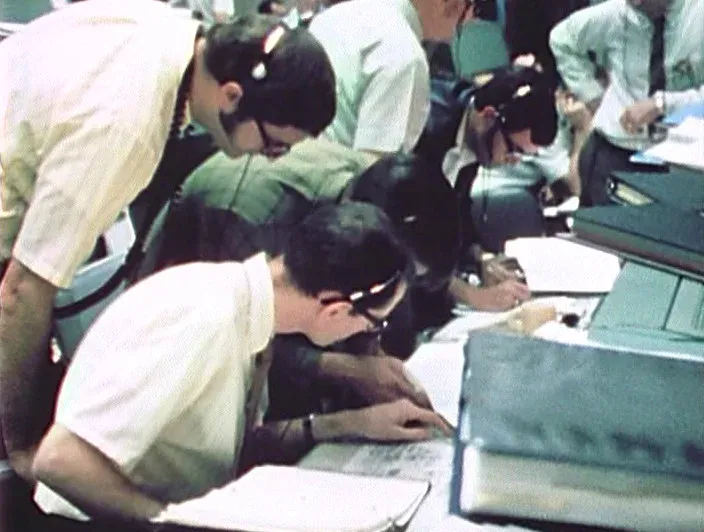
Redundancy is expensive until something fails, which is why space missions treat backups as survival strategy.
Lasers in space have moved from science fiction imagery to practical tools for research, navigation, and communication.
Biomimicry offers inspiration for space systems, but nature’s tricks do not automatically become good engineering economics.
From model rockets to launch vehicles, rocket size is really a negotiation among mass, thrust, drag, and purpose.
The Arctic offers Earthbound lessons in isolation, logistics, and survival that matter for future off-world settlements.
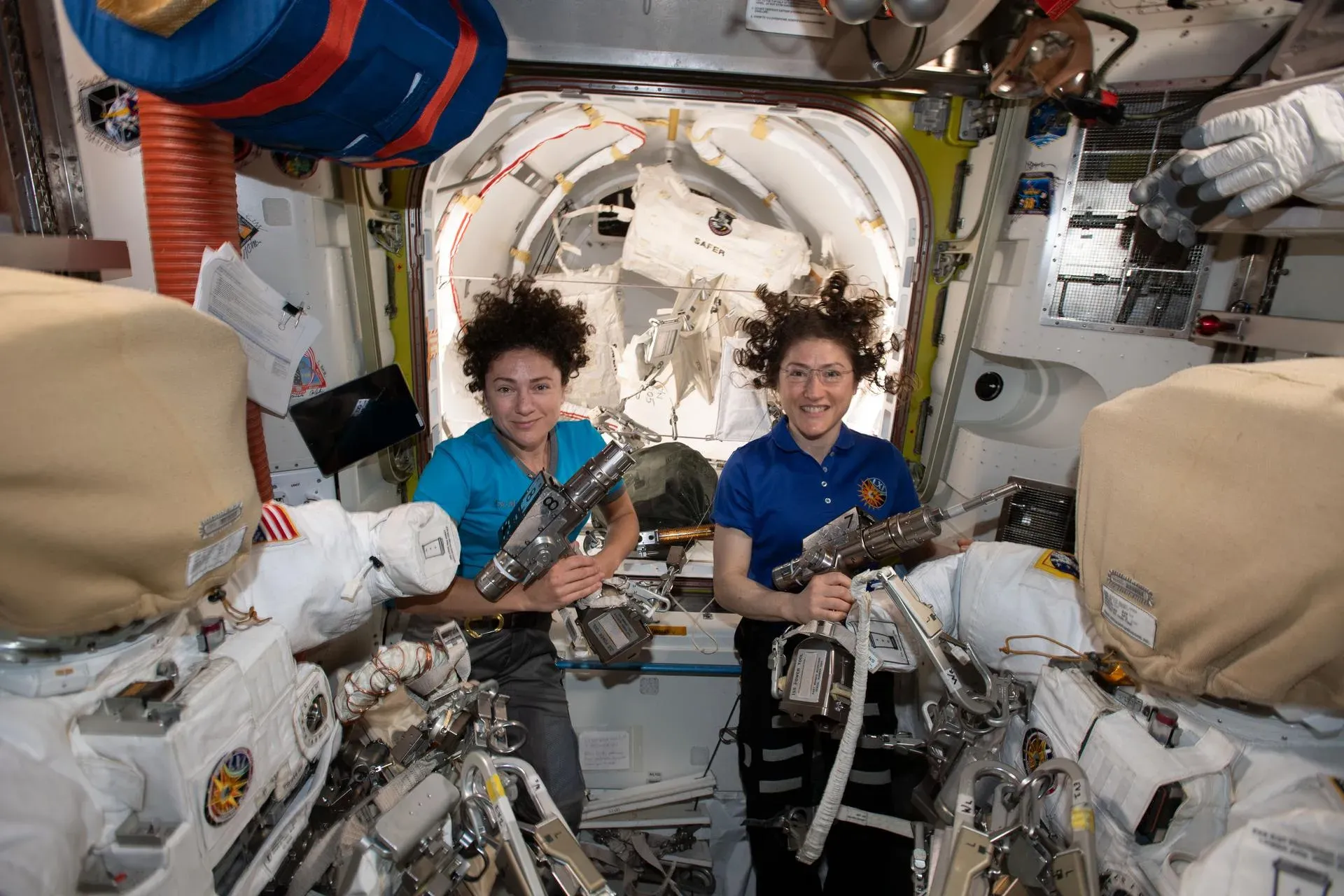
Even simple tools become complicated in microgravity, where every push, screw, and button press has consequences.
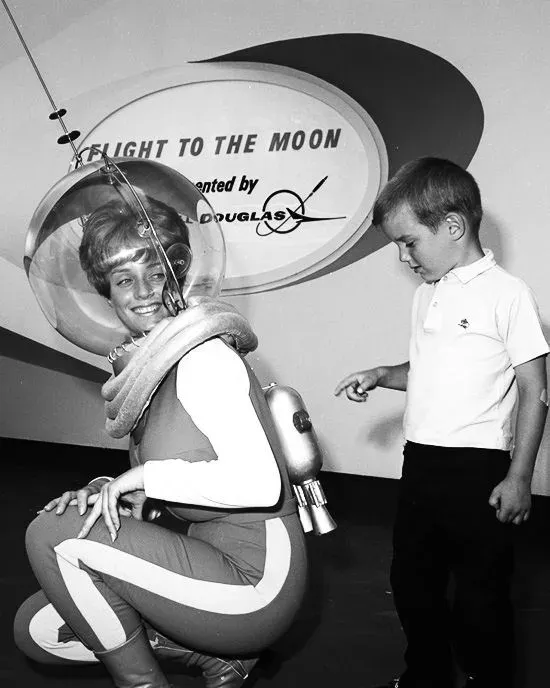
Spacesuits sit at the intersection of survival engineering, public symbolism, design language, and science-fiction expectation.
A spacecraft is only as good as its materials, from structural strength to sustainability and long-duration reliability.
New technologies rarely erase old ones completely; more often, they rearrange what each tool is best for.
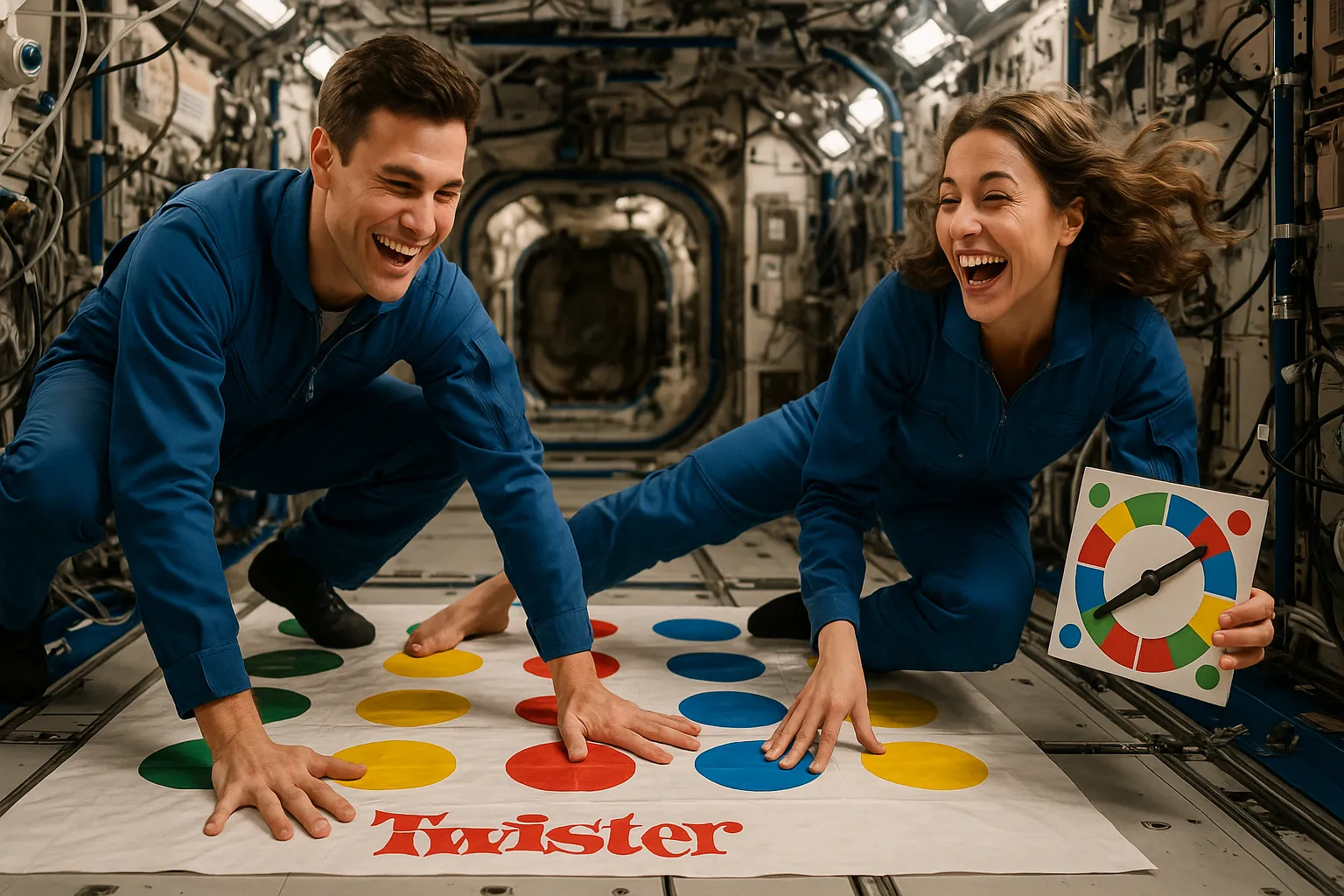
Sex in space is less fantasy than systems problem, involving privacy, biology, safety, and mission culture.
Even astronauts need rhythms of rest, making weekends and downtime surprisingly important in orbit.
Sundials turn sunlight into time, linking simple craft with astronomy, history, and everyday observation.
Measurement systems can seem mundane until mismatched units threaten engineering, navigation, and mission success.
OpenRocket shows how accessible simulation tools can turn curiosity into real engineering intuition for future builders.
Space computers have evolved from Apollo-era constraints to modern autonomy, but reliability remains the central demand.
3D printing is changing rocket manufacturing by collapsing complexity, speeding iteration, and challenging old production assumptions.