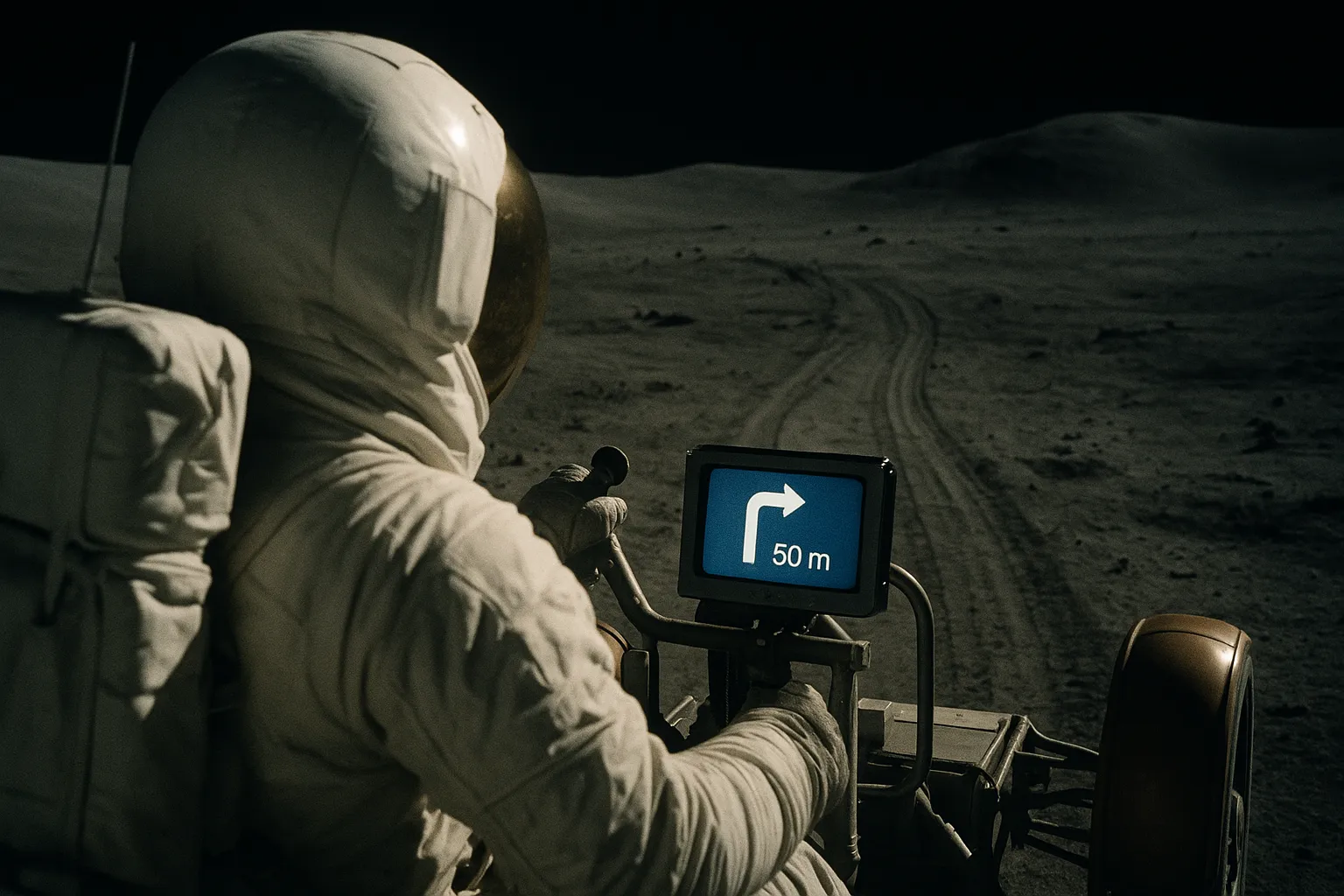
GPS on the Moon: How NASA's LuGRE Experiment is Paving the Way for Lunar Exploration
NASA’s LuGRE experiment asks a deceptively simple question: can Earth’s navigation signals help explorers find their way on the Moon?
19posts
NASA’s LuGRE experiment asks a deceptively simple question: can Earth’s navigation signals help explorers find their way on the Moon?
Comet 3I/ATLAS is exotic enough without aliens, offering a rare glimpse of material from another star system.

A small buoy in the Indian Ocean becomes an unexpected witness to Starship’s increasingly precise flight-test choreography.

A sideways look at sentimental storytelling and why emotion can become manipulative when it substitutes for thought.

CURBy’s quantum randomness story asks what true unpredictability means when computers, physics, and trust collide.

Buckminster Fuller’s geometry still feels futuristic because efficient structures matter on Earth and even more beyond it.

GPS is a space-based timing miracle that quietly depends on satellites, relativity, and constant correction.

Finding planets around other stars is a detective game built from tiny dimmings, wobbles, and patient inference.
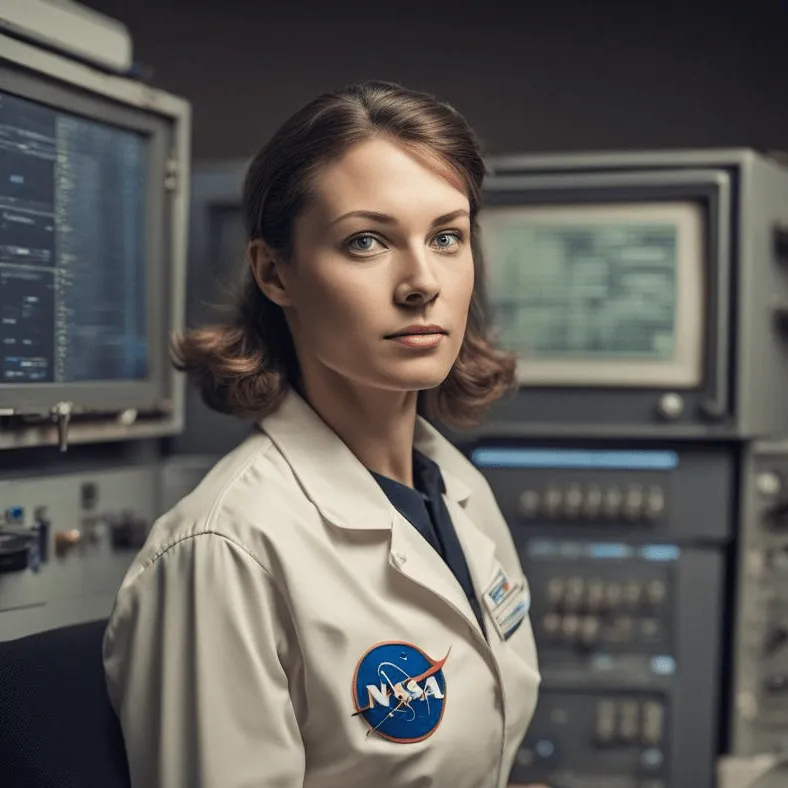
NASA’s software catalog offers a practical reminder that space research often leaves useful tools behind for everyone.

Heinz Haber helped make science feel accessible, visual, and exciting for audiences far beyond the laboratory.
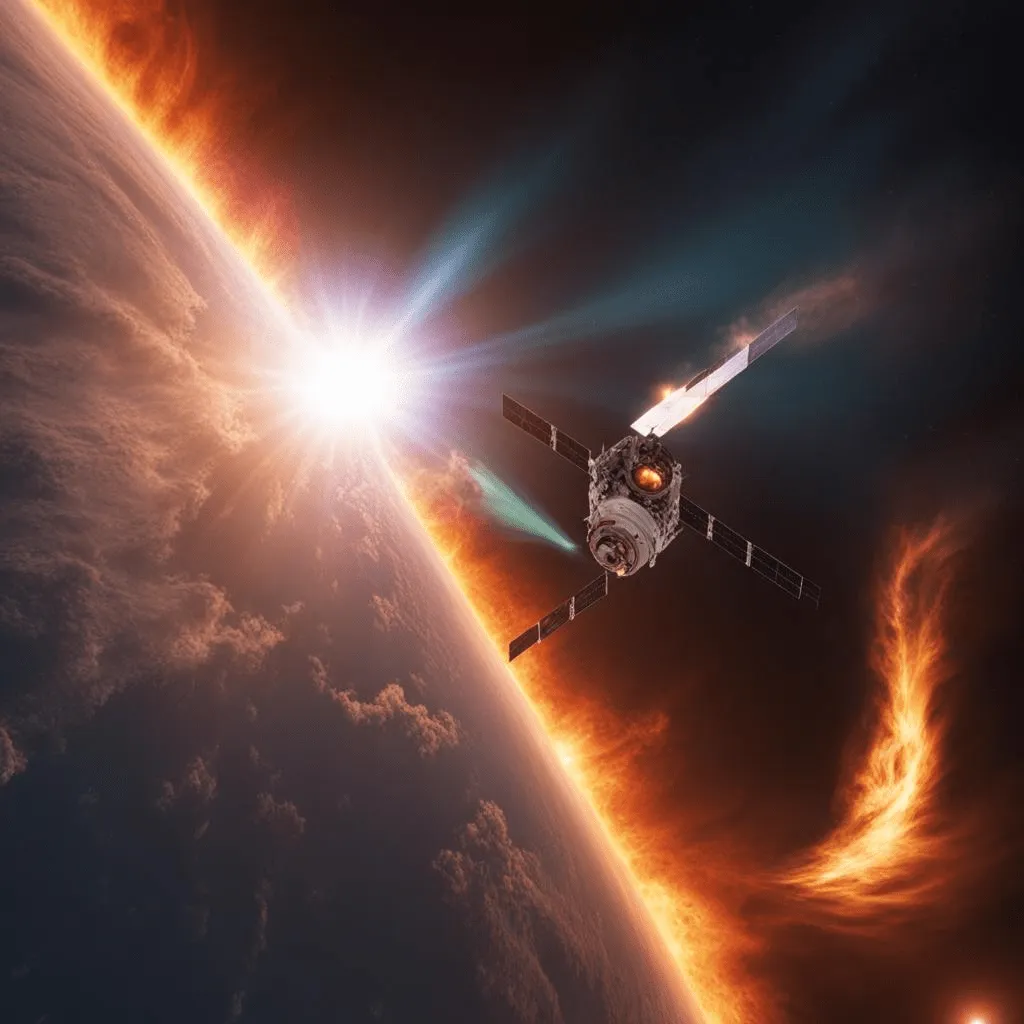
The Carrington Event remains a warning from the Sun about how vulnerable modern technology could be.

A reflection on expertise, authenticity, and knowing when to stay inside the craft you can truly defend.
Gemini 5 shows how public patience, political funding, and technical milestones can collide in human spaceflight.
Glass is easy to overlook, yet space exploration depends on its optical, structural, and protective roles.
New technologies rarely erase old ones completely; more often, they rearrange what each tool is best for.
Measurement systems can seem mundane until mismatched units threaten engineering, navigation, and mission success.
OpenRocket shows how accessible simulation tools can turn curiosity into real engineering intuition for future builders.
Amateur radio connects students, operators, and astronauts, proving that space communication can still feel personal.
SpaceX’s hiring culture offers clues about how young engineers can prepare for aerospace work that moves fast.