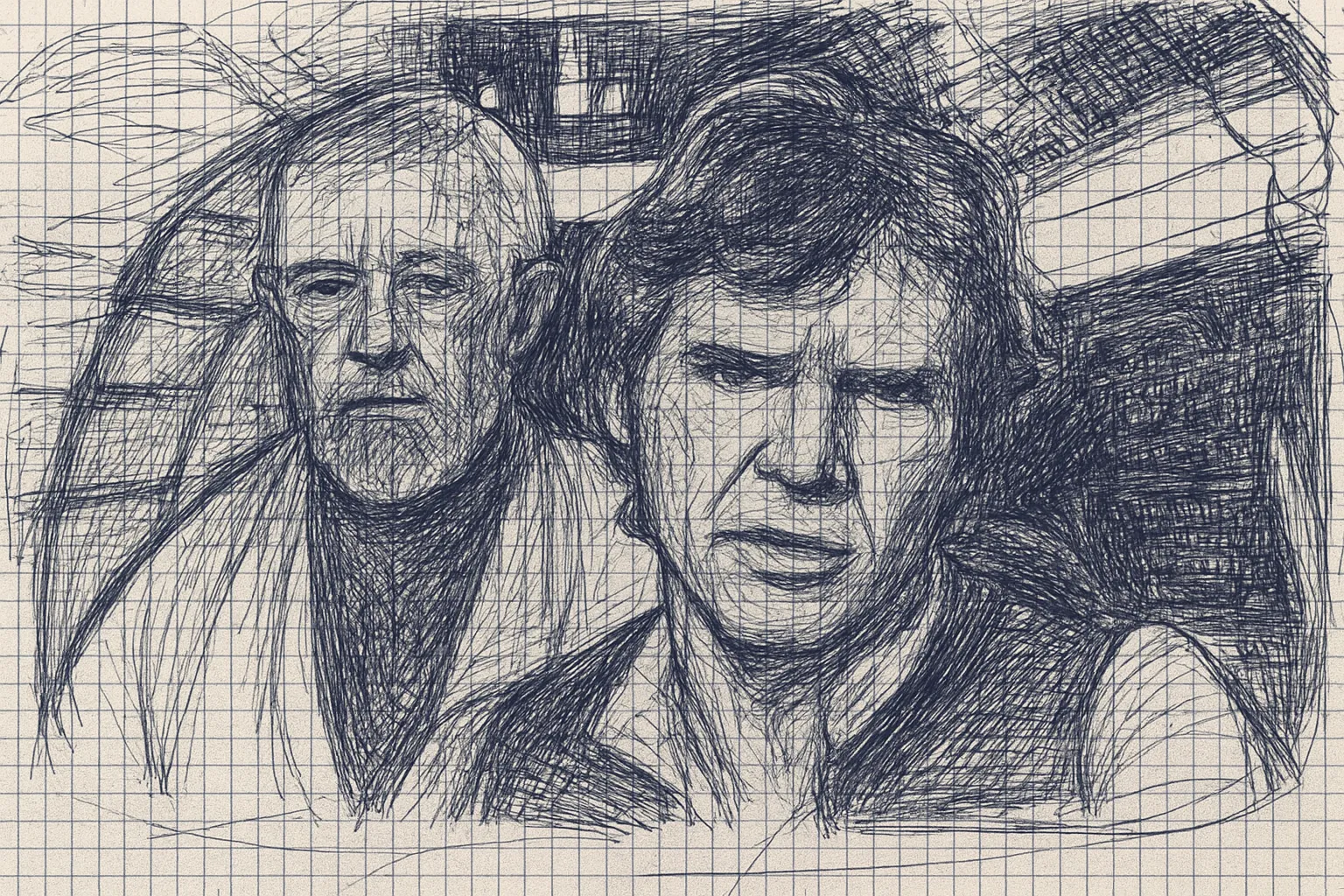
That’s No Moon — It’s an Asteroid!
A tiny asteroid mistaken for a new moon becomes a neat lesson in orbital nuance and public excitement.
22posts
A tiny asteroid mistaken for a new moon becomes a neat lesson in orbital nuance and public excitement.
Comet 3I/ATLAS is exotic enough without aliens, offering a rare glimpse of material from another star system.
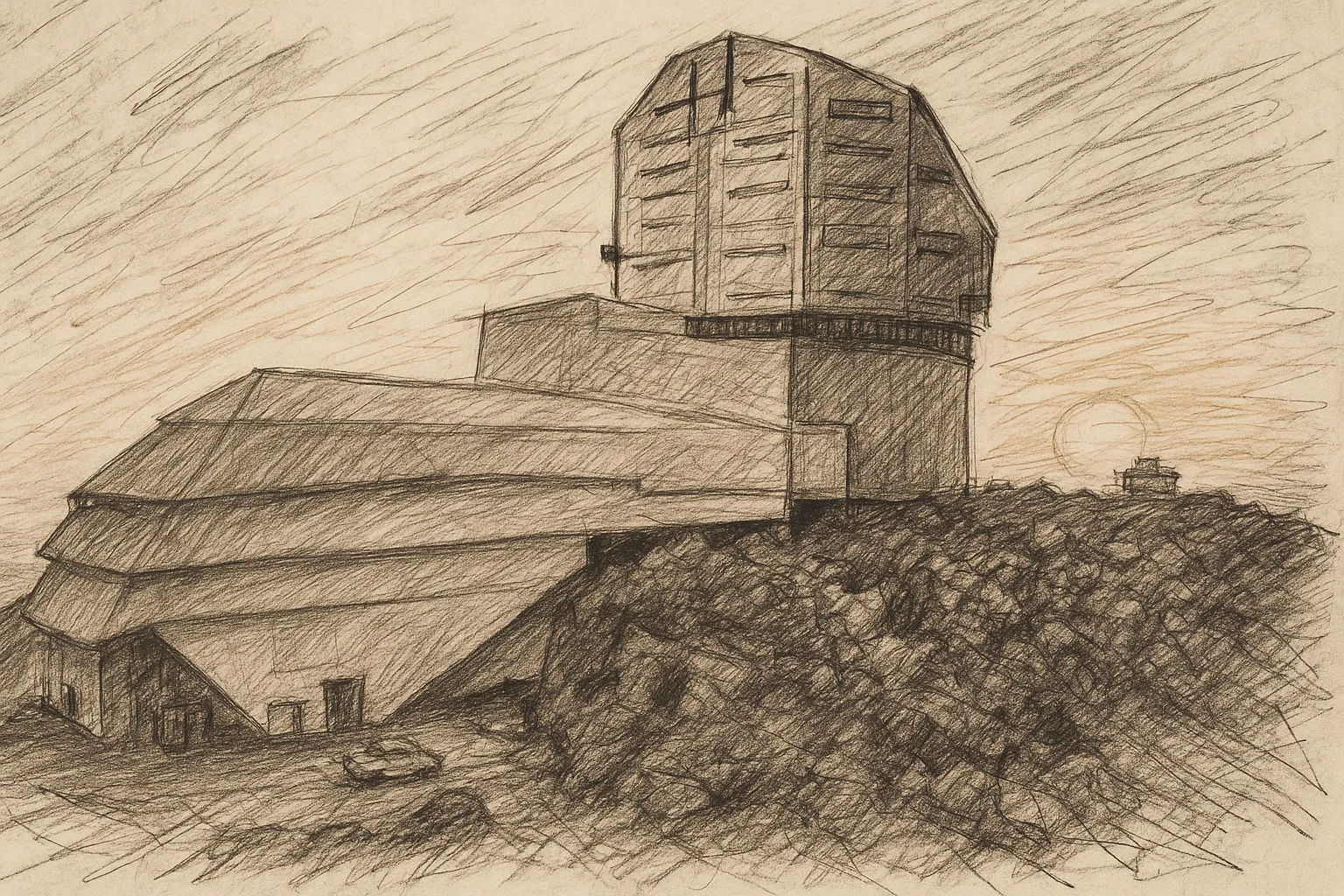
Rubin Observatory’s first views show a sky full of beauty, artifacts, and moving objects waiting to be discovered.

A hypothetical asteroid mission turns into a guided tour of how engineers plan planetary defense before panic begins.
Big science projects can become hard to stop, even when evidence says it is time to rethink the mission.
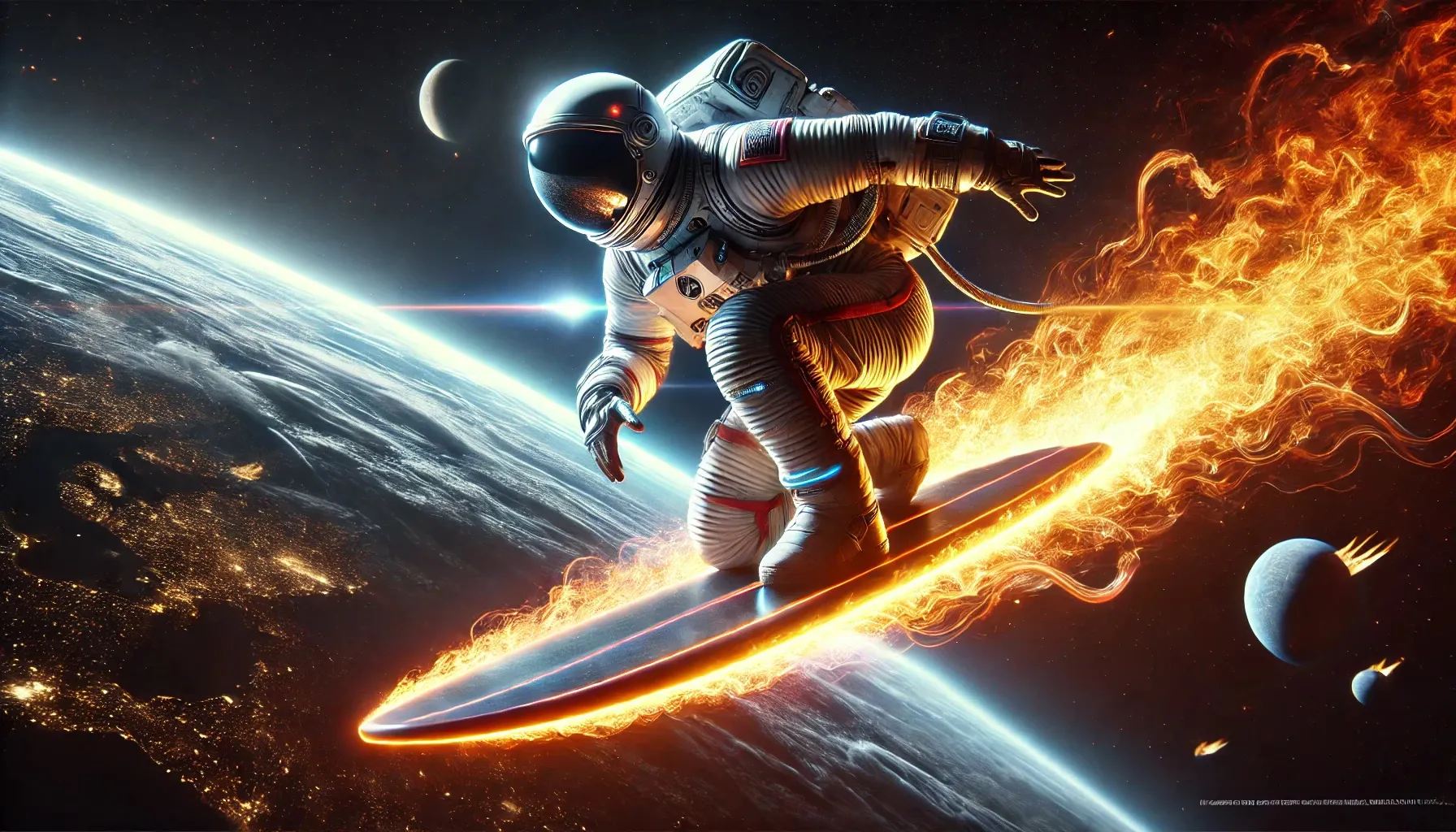
Modern heat shields are evolving quickly because coming home safely remains one of spaceflight’s hardest problems.

Solar sailing turns sunlight into propulsion, offering a quiet and elegant way to cross enormous distances.
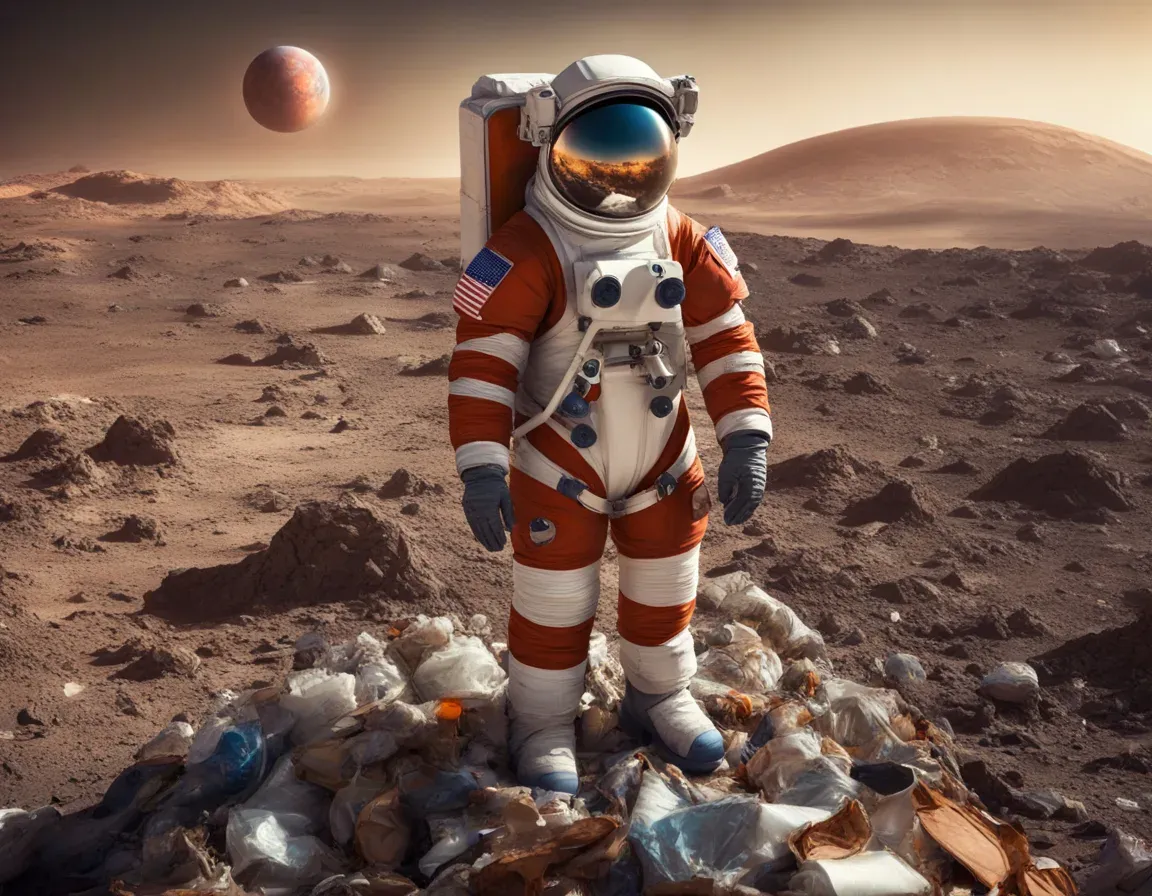
A Mars mission’s second layer of risk involves human limits, logistics, and the harsh details slogans leave out.
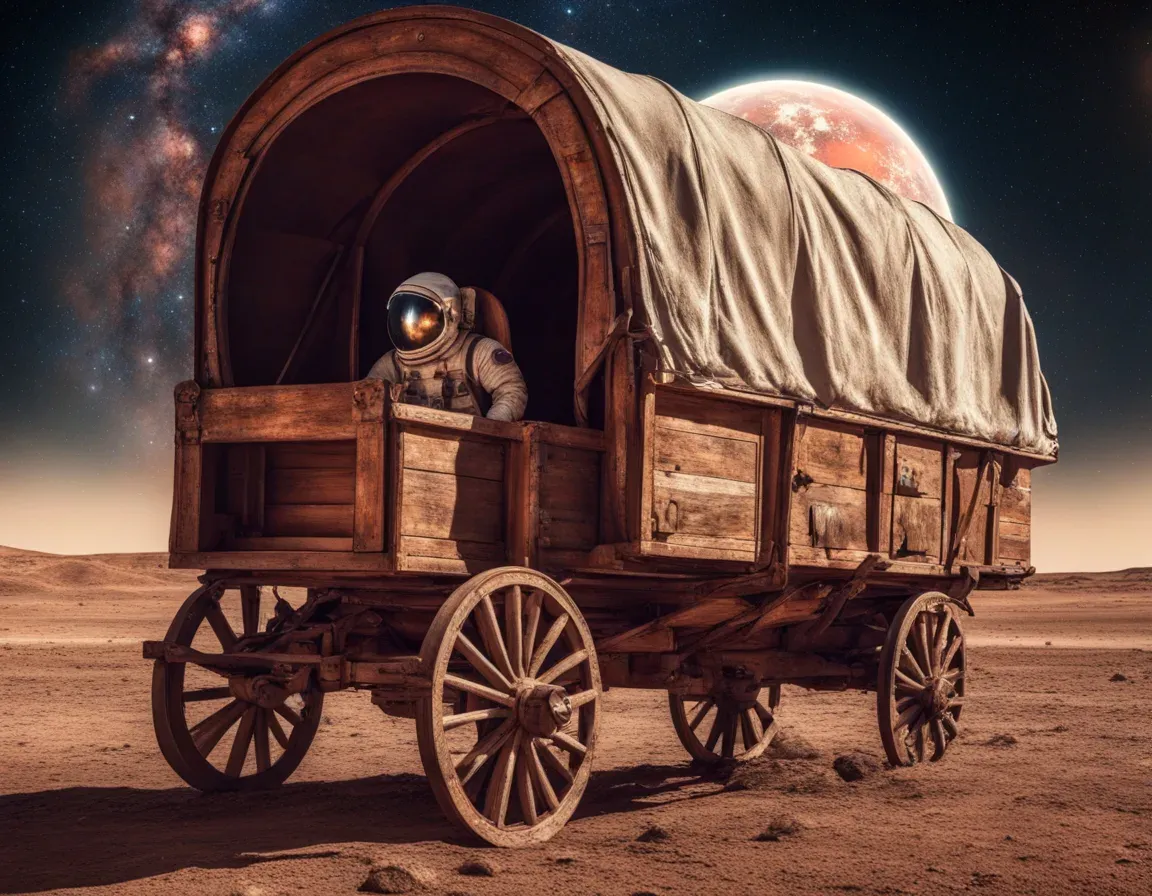
Getting to Mars is not one problem but a chain of hazards, each waiting to test the mission design.

Studying the Sun means sending machines toward a star that is both familiar, dangerous, and still deeply mysterious.
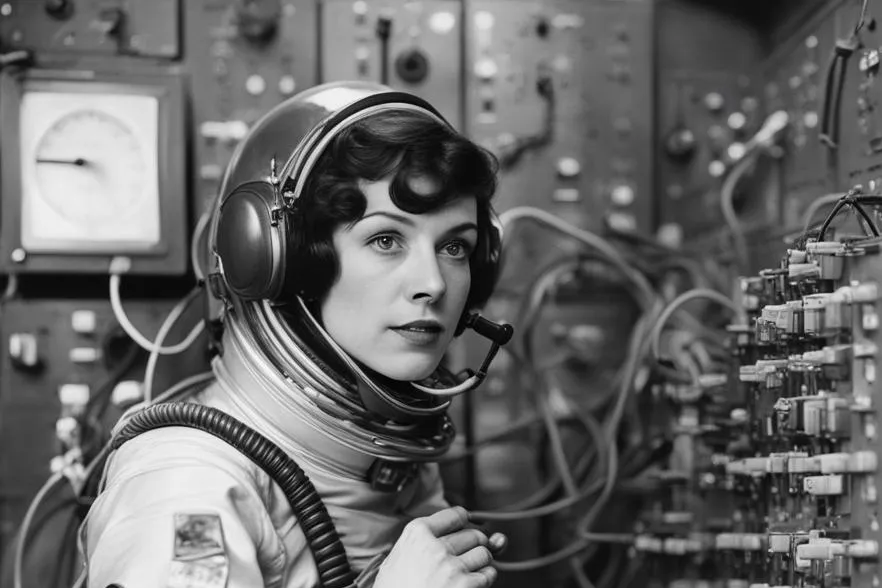
NASA’s Deep Space Network is the invisible infrastructure that keeps distant missions talking, and it is under pressure.

Finding planets around other stars is a detective game built from tiny dimmings, wobbles, and patient inference.
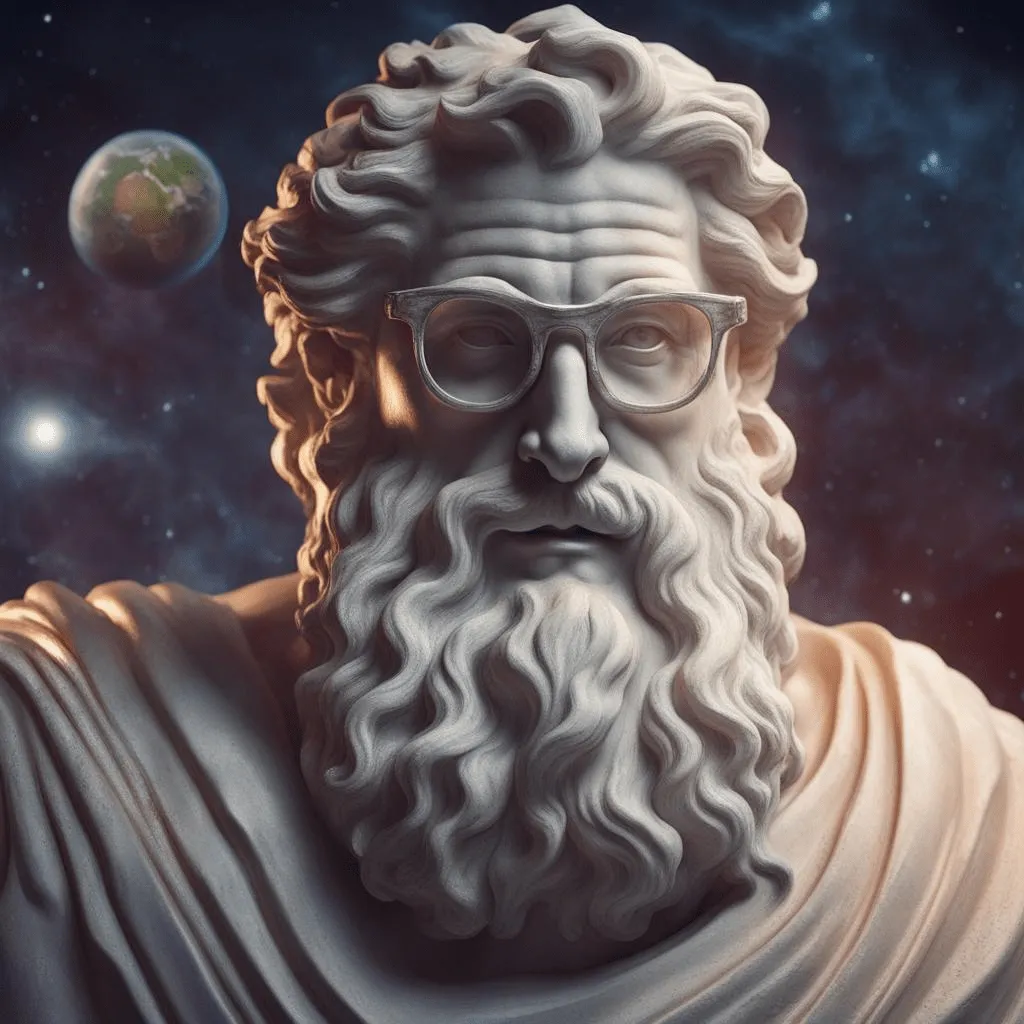
Earth-observing satellites quietly shape weather forecasts, disaster response, climate science, and the way we understand our planet.
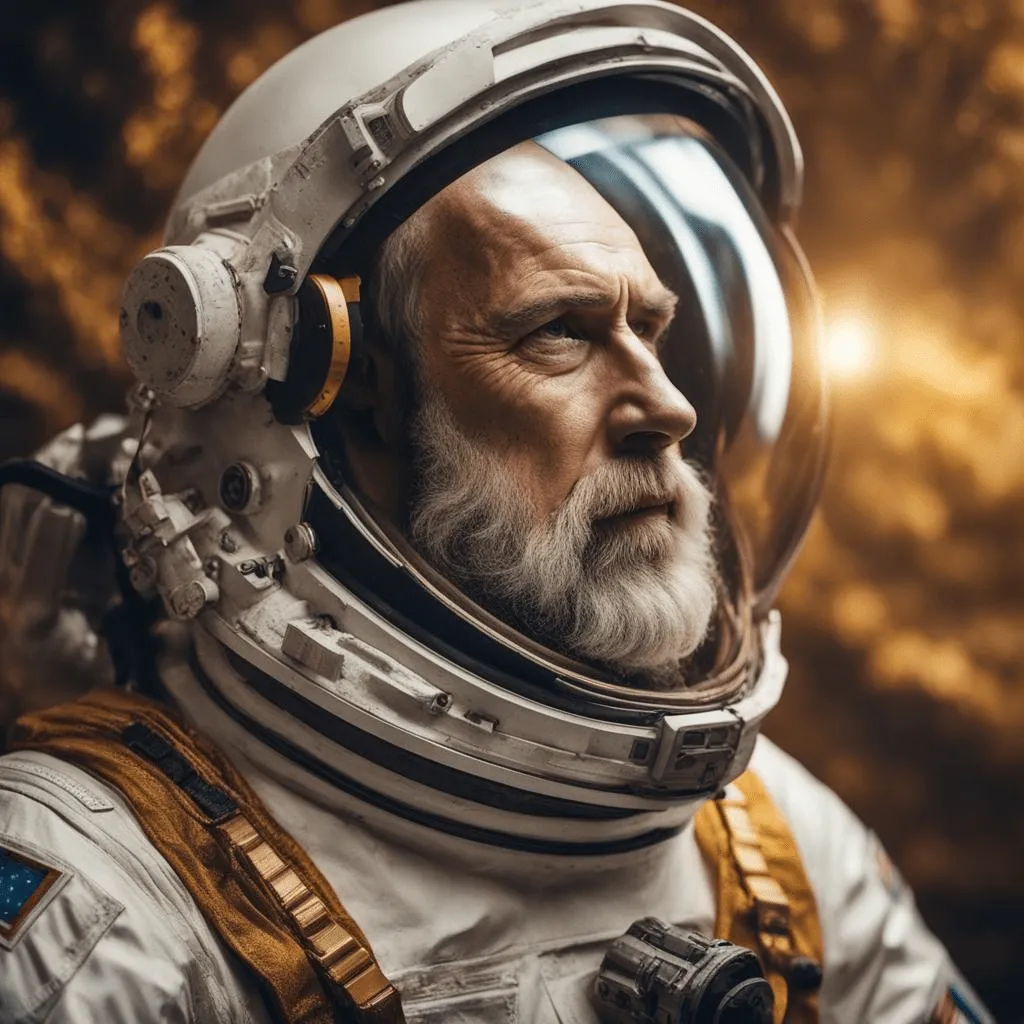
Asteroid mining promises vast resources, but the real challenge is turning celestial abundance into usable economics.
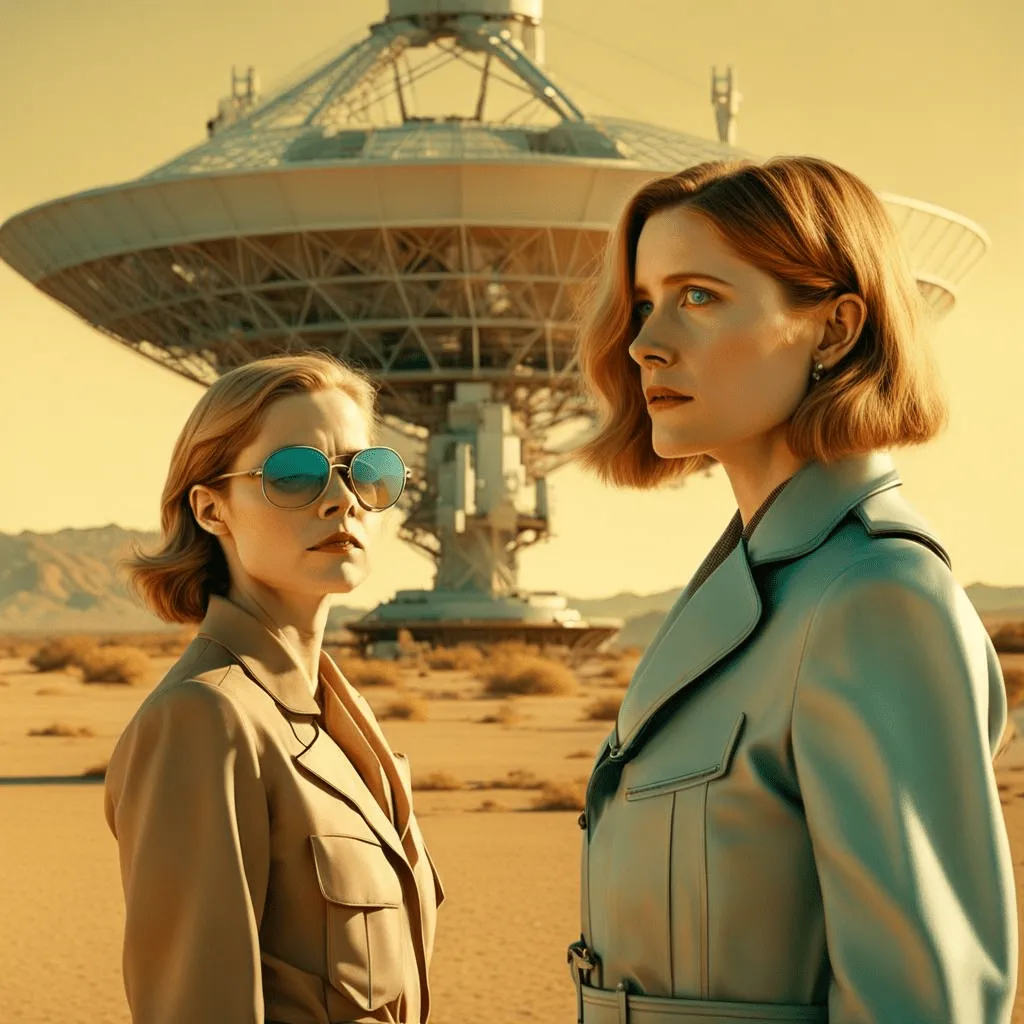
Alien messages reveal as much about human pattern-seeking as they do about any imagined intelligence sending them.
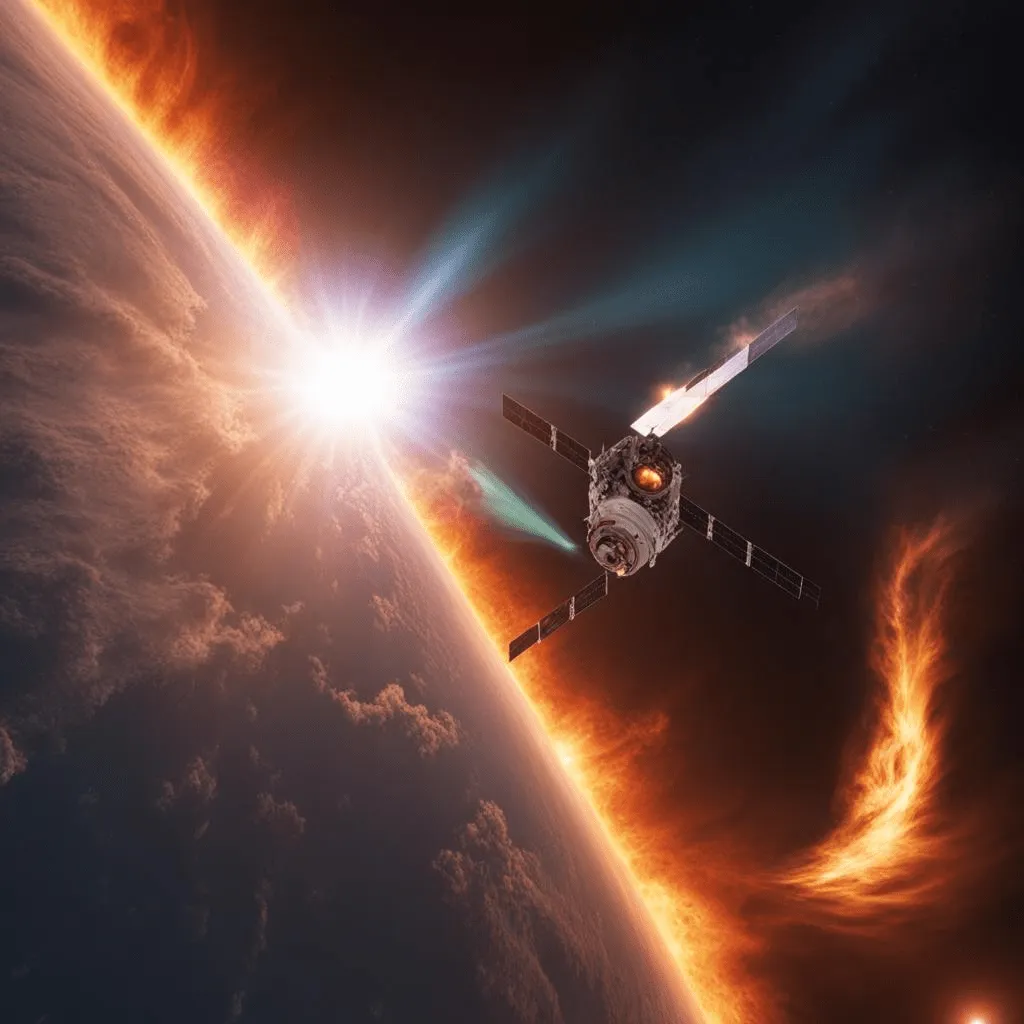
The Carrington Event remains a warning from the Sun about how vulnerable modern technology could be.
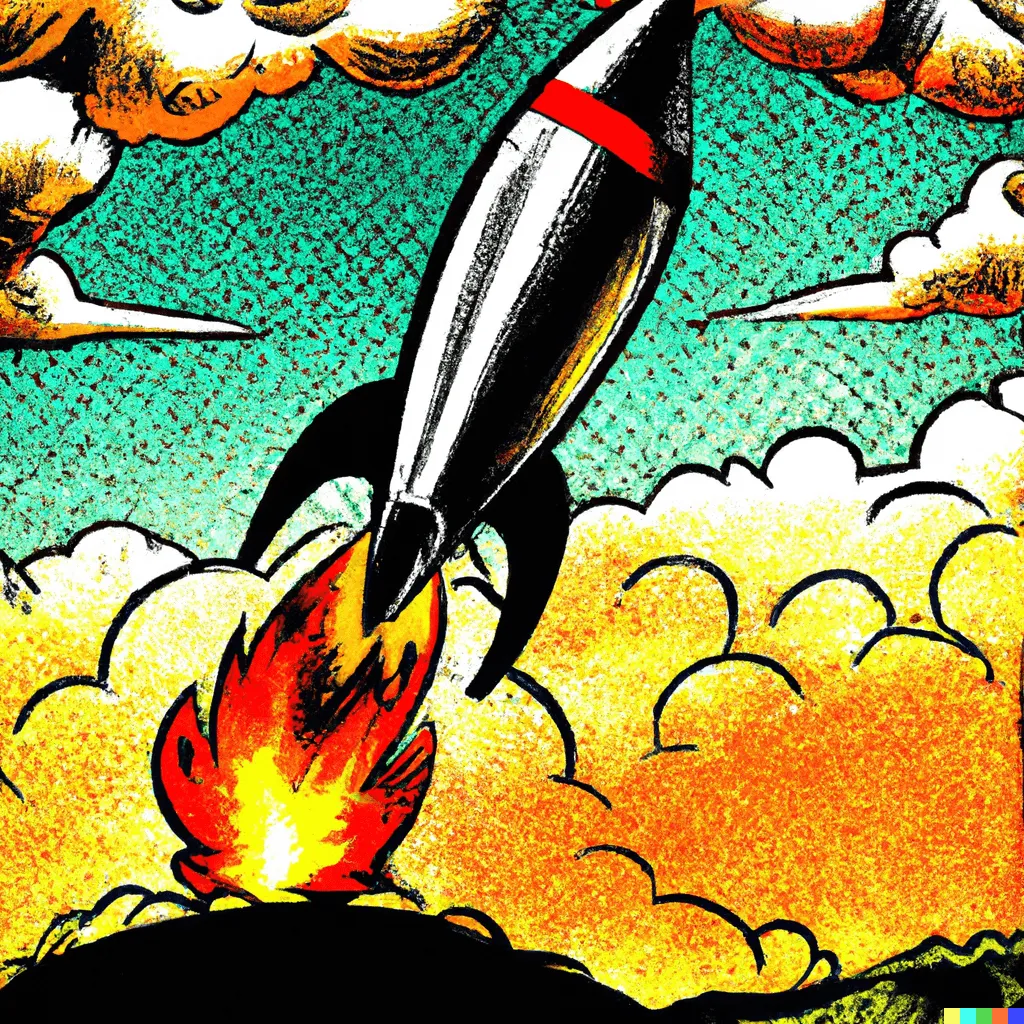
Equatorial launches exploit Earth’s spin, but the perfect launch site involves more than latitude and elevation.

Lagrange points are gravitational sweet spots where spacecraft can linger, observe, and do remarkable work.
Biomimicry offers inspiration for space systems, but nature’s tricks do not automatically become good engineering economics.
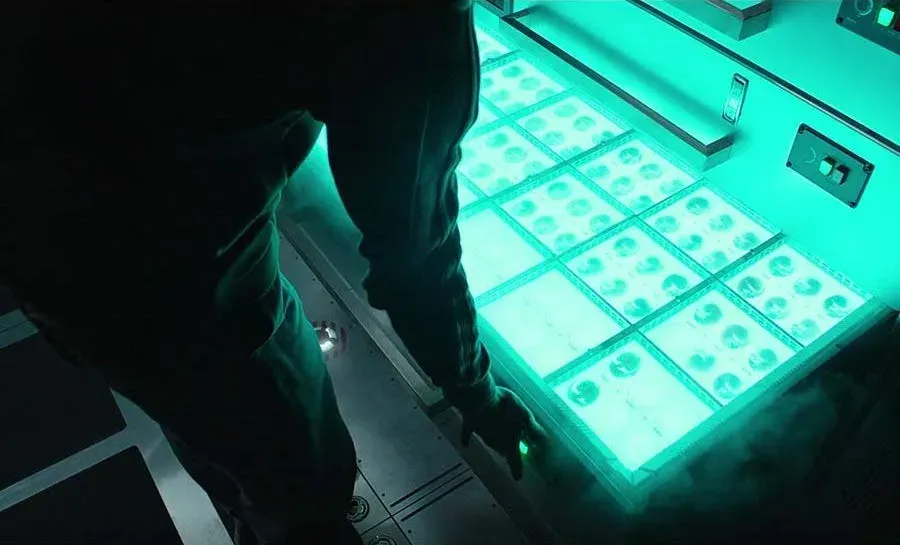
Long-term space settlement raises questions about women’s health, reproduction, crew design, and who exploration is built for.
Sundials turn sunlight into time, linking simple craft with astronomy, history, and everyday observation.
NASA’s Snoopy Award honors the quiet excellence behind missions, where small decisions can protect lives.