
The Most Interesting Ship at Christmas Island
Ship 40’s tow to Christmas Island turns a remarkable Starship recovery into a witty story of engineering, espionage and high-stakes salvage in the Indian Ocean.
33posts
Ship 40’s tow to Christmas Island turns a remarkable Starship recovery into a witty story of engineering, espionage and high-stakes salvage in the Indian Ocean.
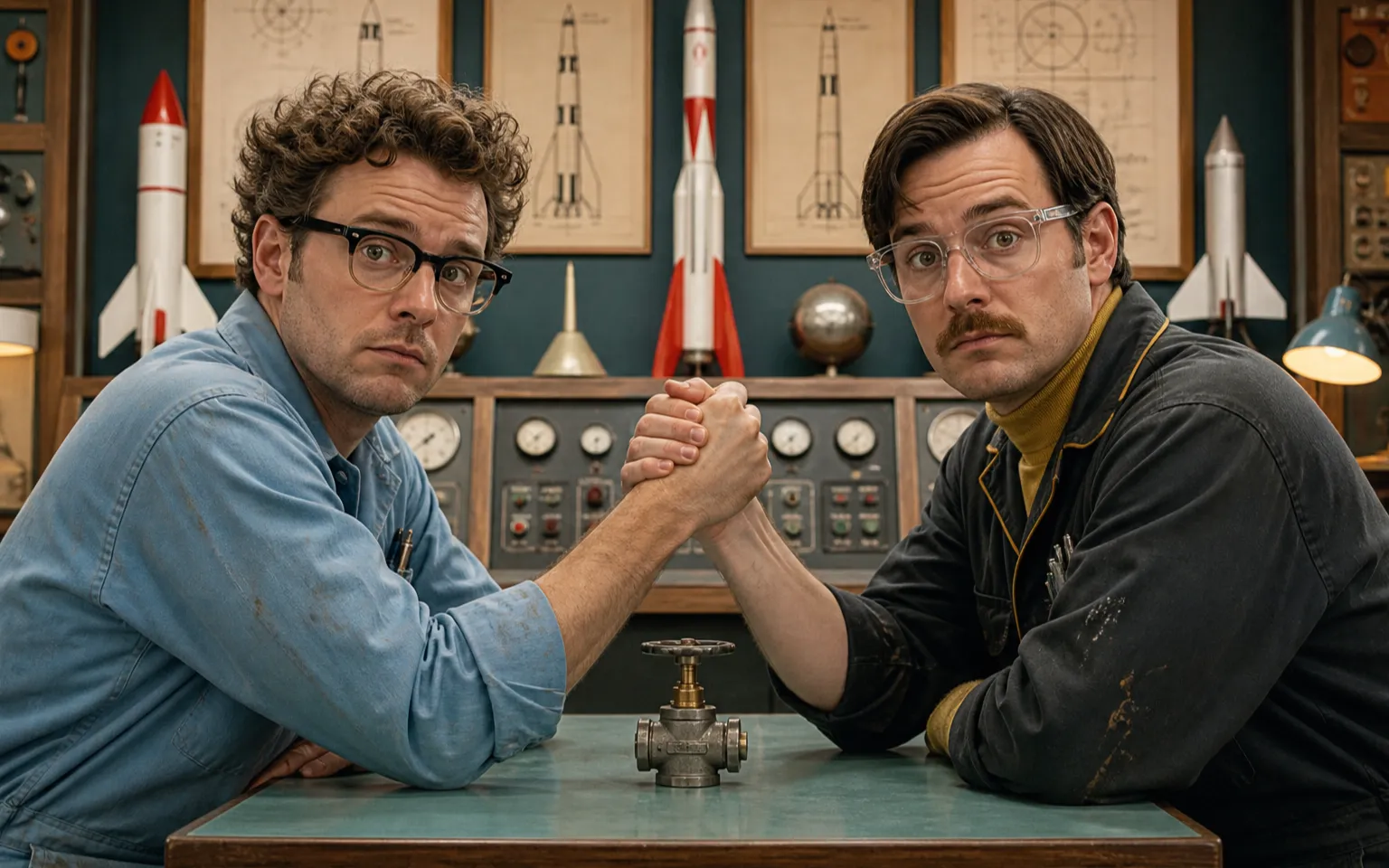
Musk’s support for Blue Origin shows that space rivalry is not hatred: shared setbacks, resilient competition and hard-earned learning move humanity forward.
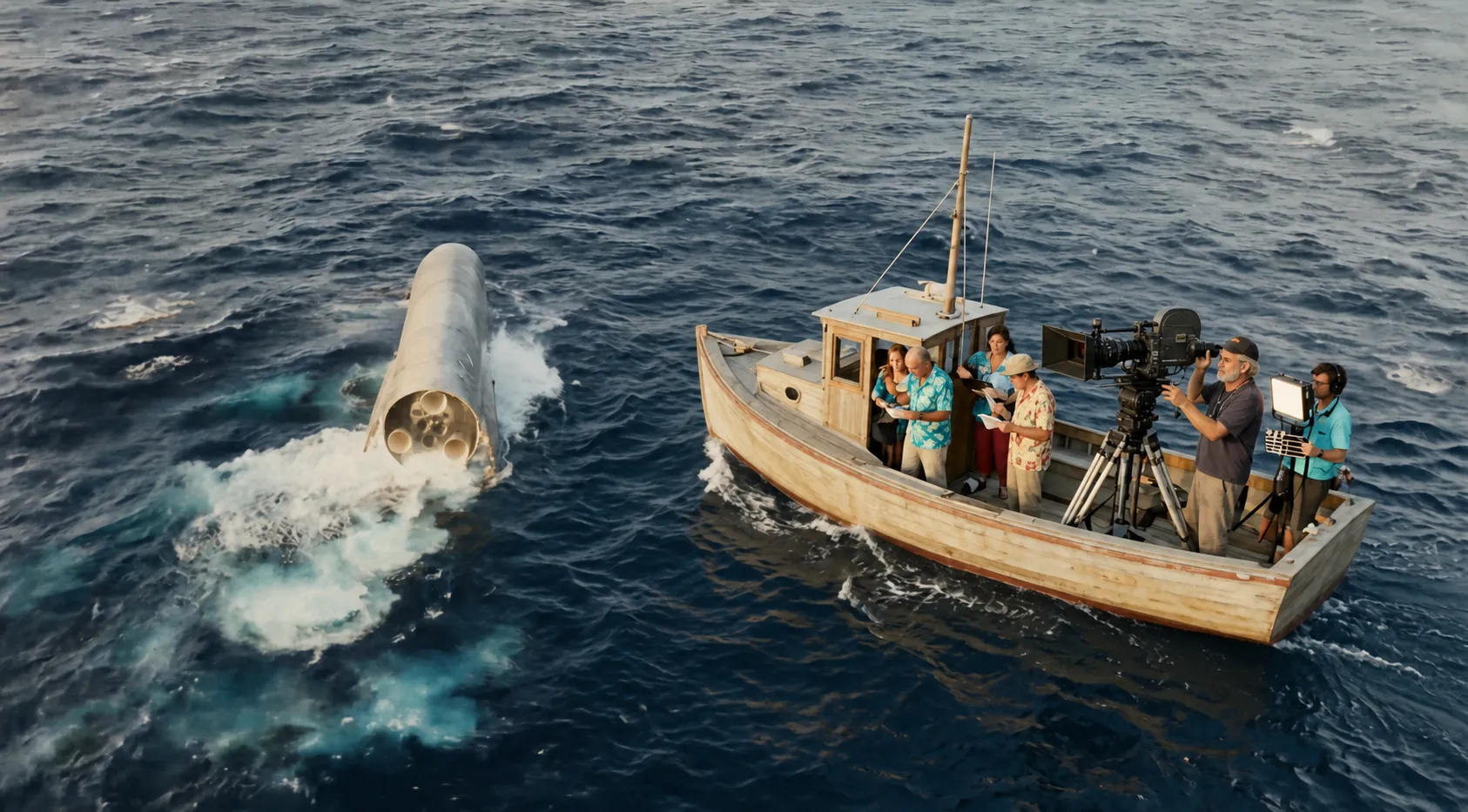
Starship 13 deployed 20 real satellites, restarted a Raptor and landed intact; Super Heavy nailed ascent and boostback, though its final splashdown was hard.

On August 5, the Moon is expected to receive four tonnes of human engineering at 2.43 kilometres per second. No signature will be required.

Can Starship Flight 13 lift SpaceX’s valuation as well as its ambitions? A look at Starlink, orbital AI, Mars—and market expectations.
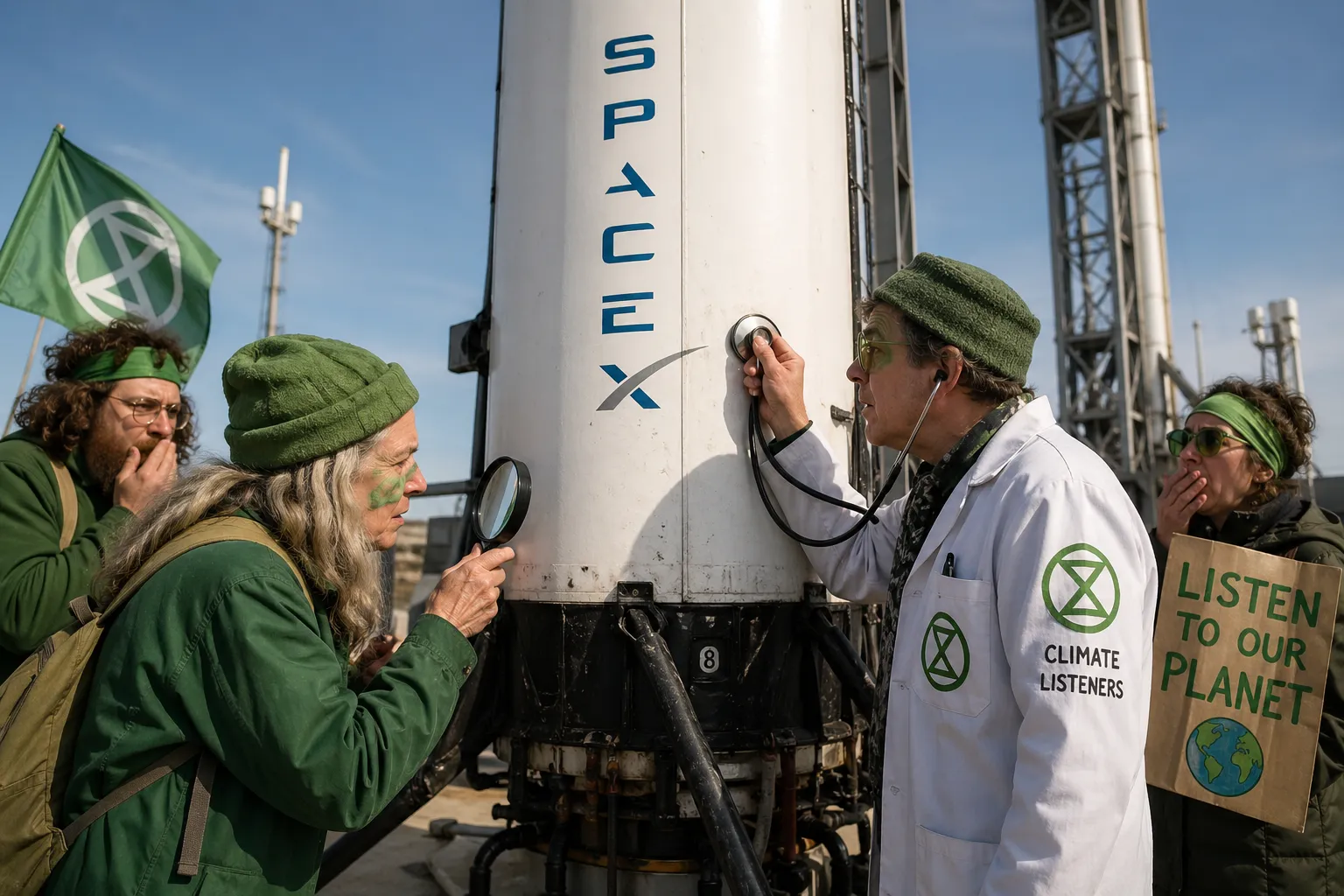
A sharp essay on why useful disruption can provoke more hostility than failure, especially when Elon Musk is involved.

Starlink becomes a case study in why some critics struggle to separate personality, politics, and genuinely useful infrastructure.

Starship’s heat-shield troubles show why building reusable spacecraft is less about perfection than learning faster than failure.
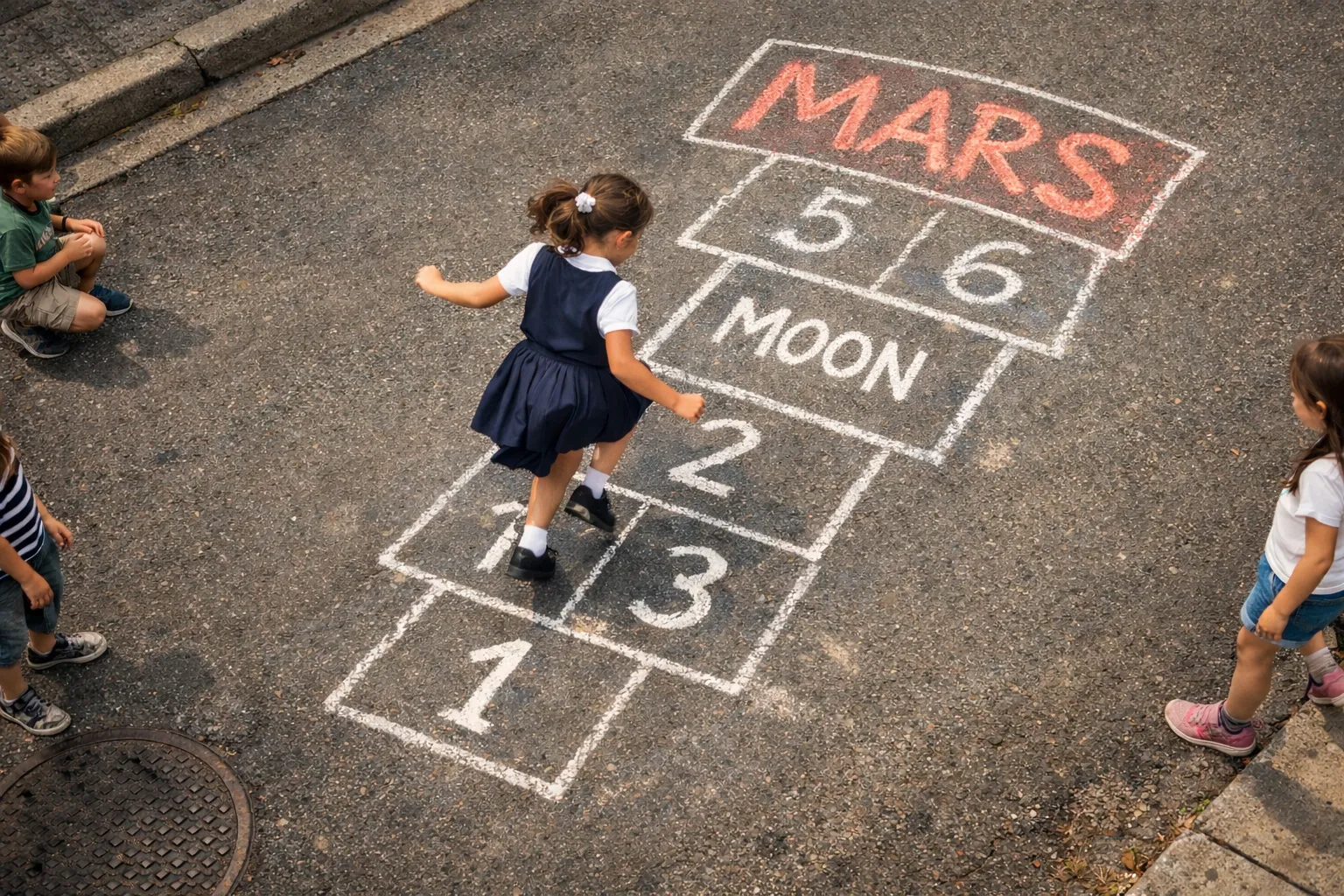
The Moon-first argument reframes lunar missions as the fastest feedback loop for building a real spacefaring civilization.
A comic but serious look at what happens when rockets, robotics, AI, and Musk’s corporate universe start overlapping.

A defense of SpaceX’s messy progress, arguing that broken test flights can become part of the design’s strength.
Starship Flight 11 becomes a bridge between today’s test campaign and the larger ambitions of the V3 architecture.
Starship Flight 10 shows how SpaceX turns dramatic failure modes into data for the next design iteration.

A small buoy in the Indian Ocean becomes an unexpected witness to Starship’s increasingly precise flight-test choreography.
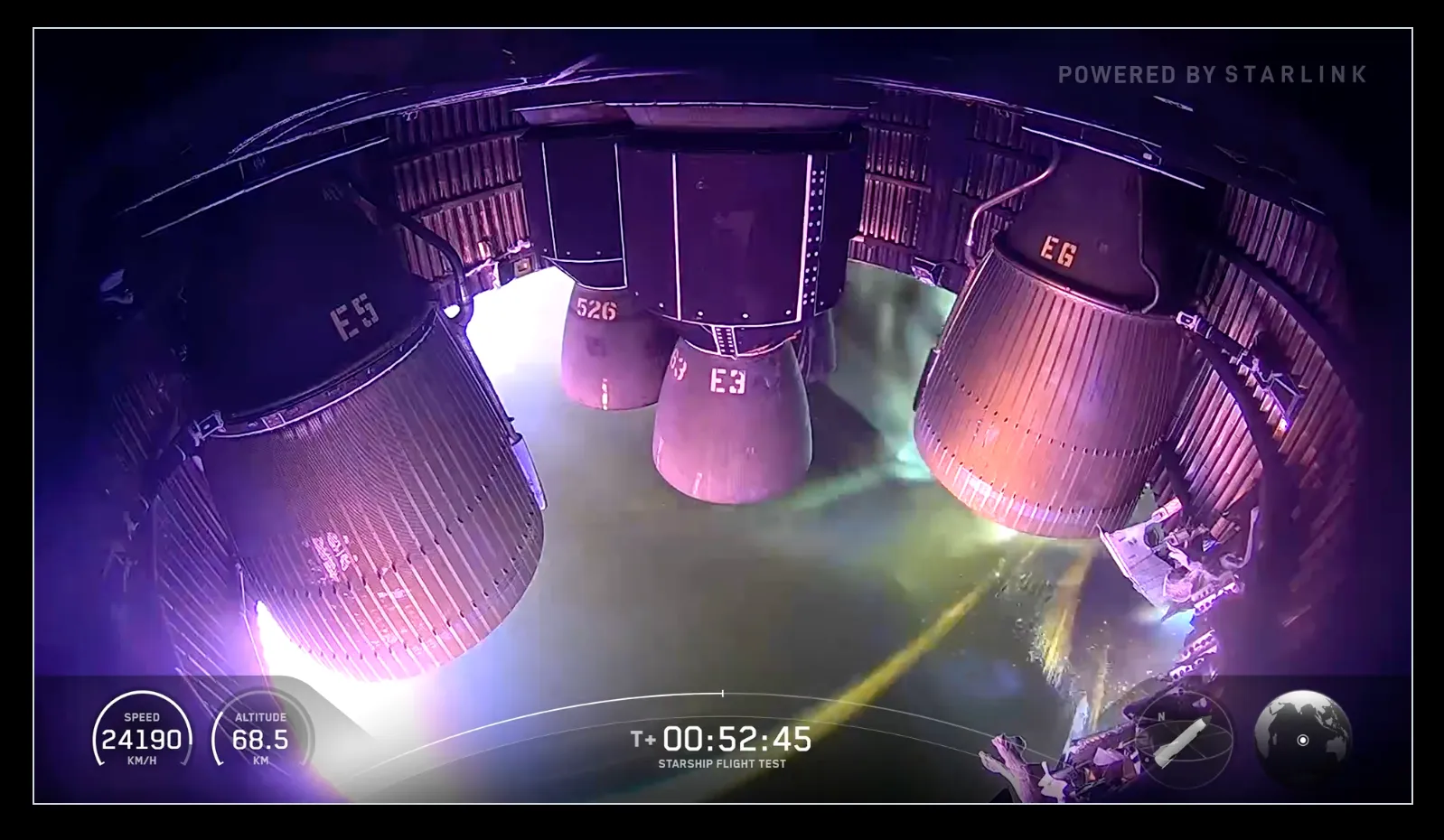
Starship Flight 10 combines major milestones with one odd airlock moment that makes the test especially worth unpacking.
Landing Starship on Mars will not need launch-tower chopsticks, but it will demand a very different kind of precision.
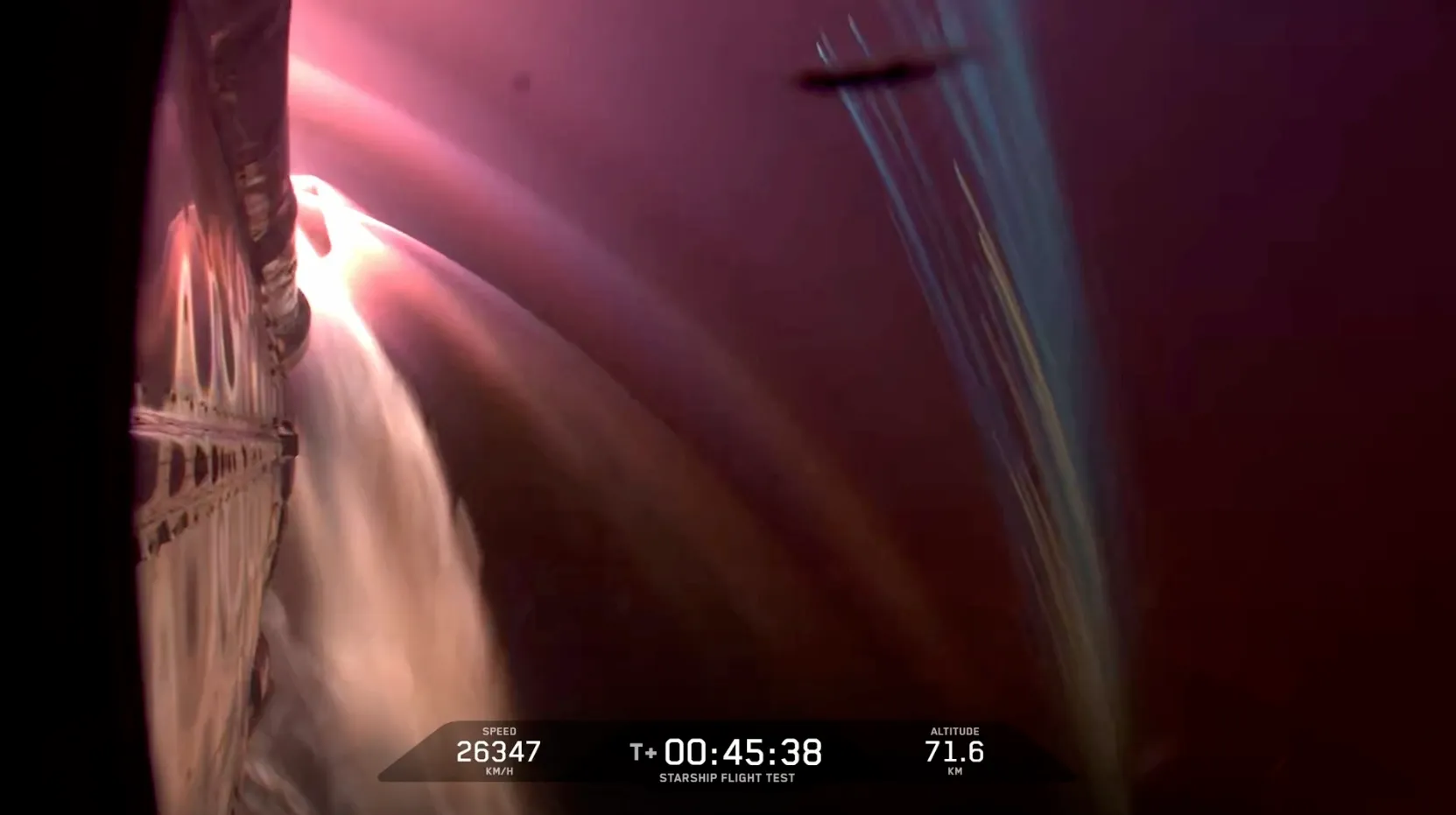
Starship 9’s awkward details make the test memorable, showing how small mechanisms can complicate giant ambitions.

Skipping a rehearsal can look reckless or efficient; Starship Flight 9 offers evidence for both interpretations.

Changing perspectives can make space familiar, ridiculous, or profound, depending on where the mental camera is placed.

Starship 7’s debris path turns a failed test into a practical lesson in breakup dynamics and public risk.

Modern heat shields are evolving quickly because coming home safely remains one of spaceflight’s hardest problems.

Polaris Dawn’s commercial spacewalk marks a small step outside the capsule and a large shift in who gets to do it.
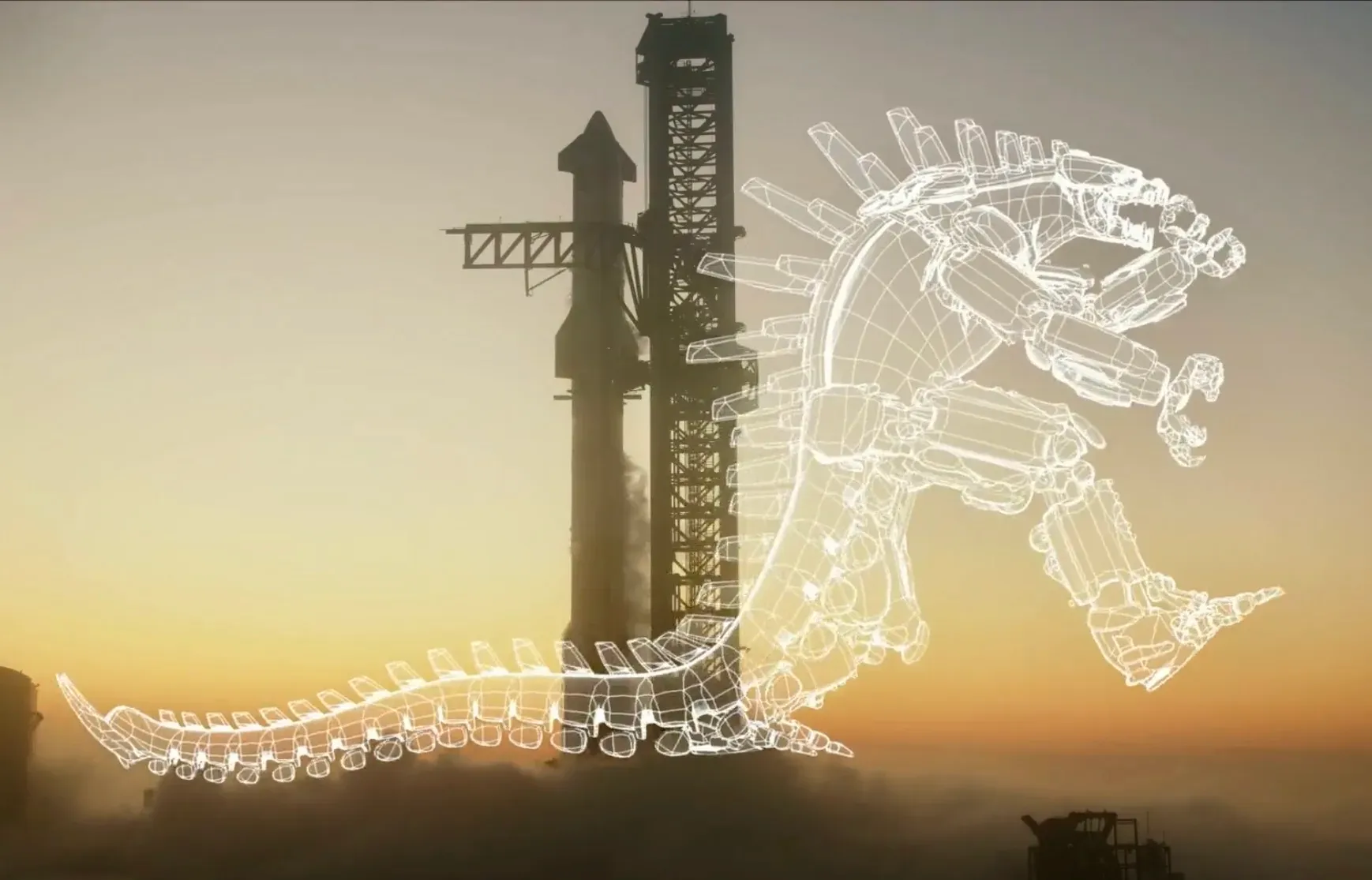
Starship’s explosive test history becomes a story about ambition, iteration, and the public theater of engineering.

SpaceX launches attract devoted watchers because they combine spectacle, uncertainty, and the feeling of history being made live.

A combative look at why established industries react so strongly when Musk’s companies move faster than expected.

Rendezvous with the ISS is a precise orbital dance where timing, speed, and geometry all have to agree.

Megaconstellations make satellite security more urgent, turning orbital networks into targets as well as infrastructure.
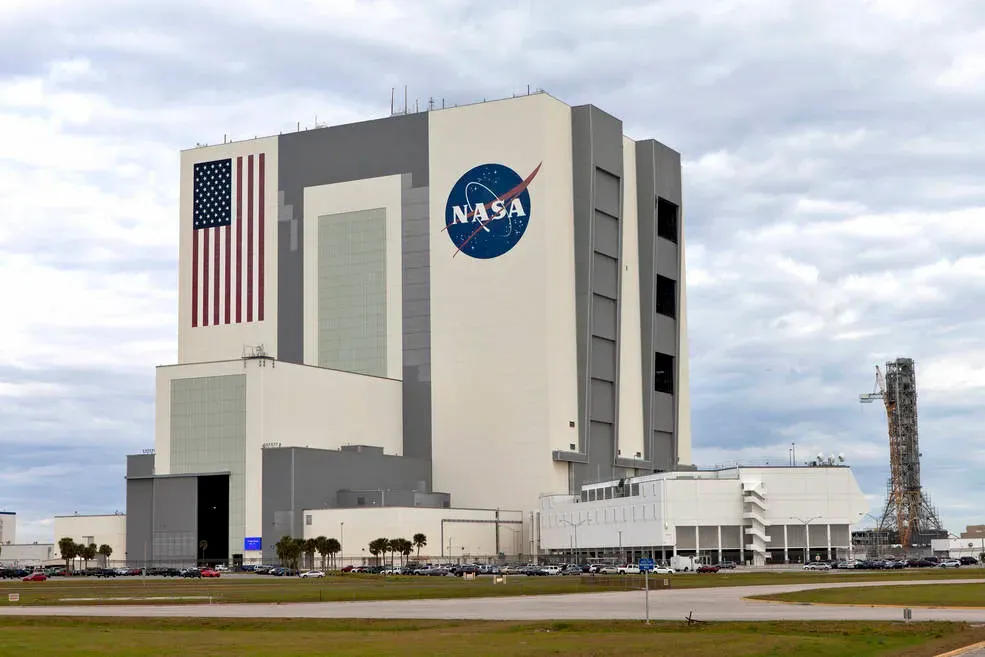
NASA’s old constraints and SpaceX’s new methods reveal how culture can shape the pace of rocket innovation.
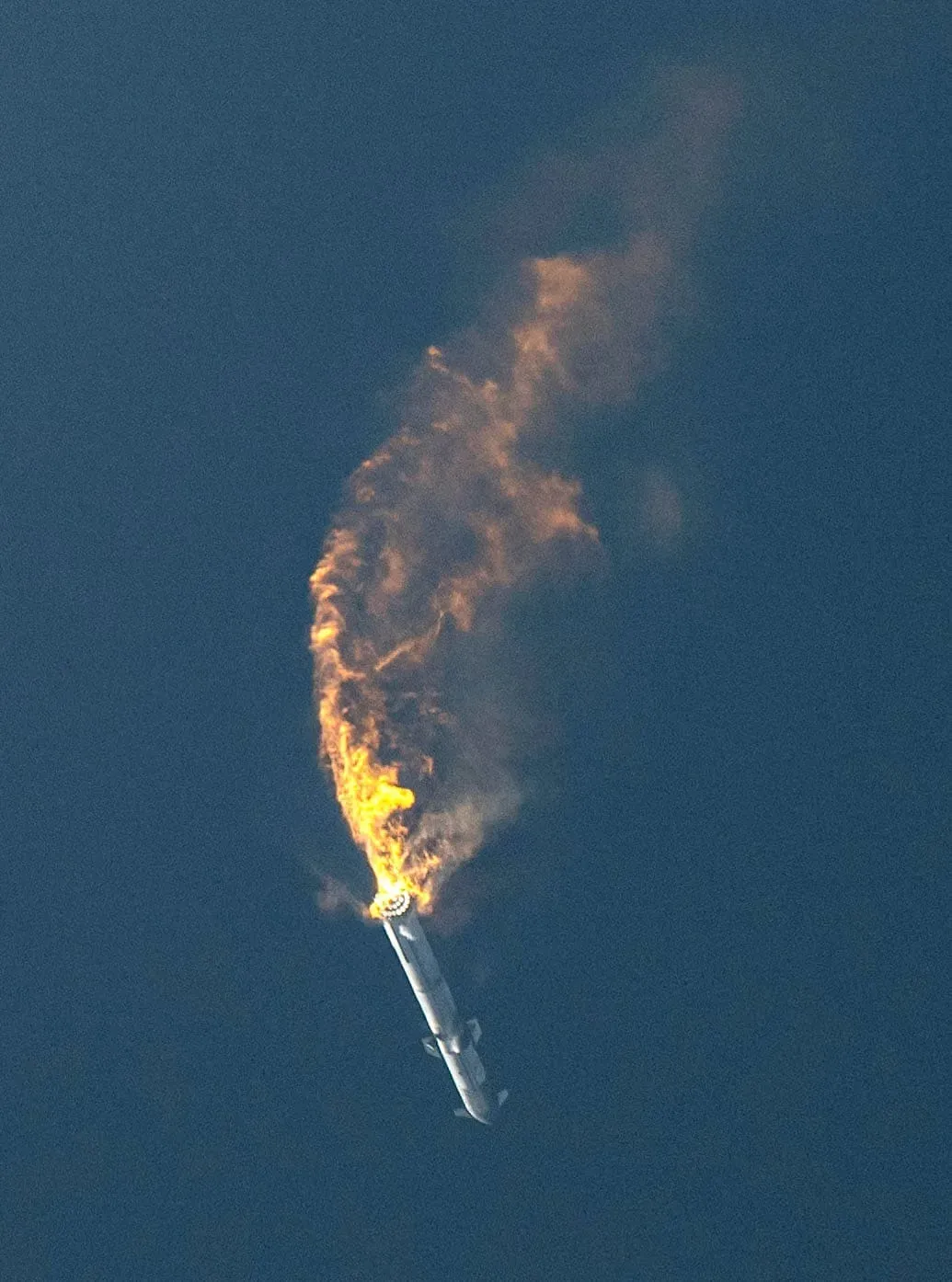
Flight termination systems are grim but essential, protecting people when rockets stop behaving like rockets should.
The many Qs of pop culture become a playful route through intelligence, gadgets, power, and space-age storytelling.
SpaceX’s hiring culture offers clues about how young engineers can prepare for aerospace work that moves fast.
Starship’s first flight test failed loudly but still marked a consequential step in reusable heavy-lift development.
Raptor engines are more than Starship’s power source; they embody SpaceX’s bet on reuse, methane, and scale.