
Your Internet Connection Does Not Include a War
Must every useful technology become a weapon? A biting defence of Starlink’s civilian boundaries and the idea that connectivity need not come with a body count.
10posts
Must every useful technology become a weapon? A biting defence of Starlink’s civilian boundaries and the idea that connectivity need not come with a body count.

The new Mars race promises prestige, science, and plenty of intriguing hints. Who benefits, what needs sterilizing, and will anyone actually find evidence of life?

Isar Aerospace reaches orbit, giving Bavaria a reason to cheer and Europe a reminder that rockets need ambition, engineering—and a manageable amount of paperwork.
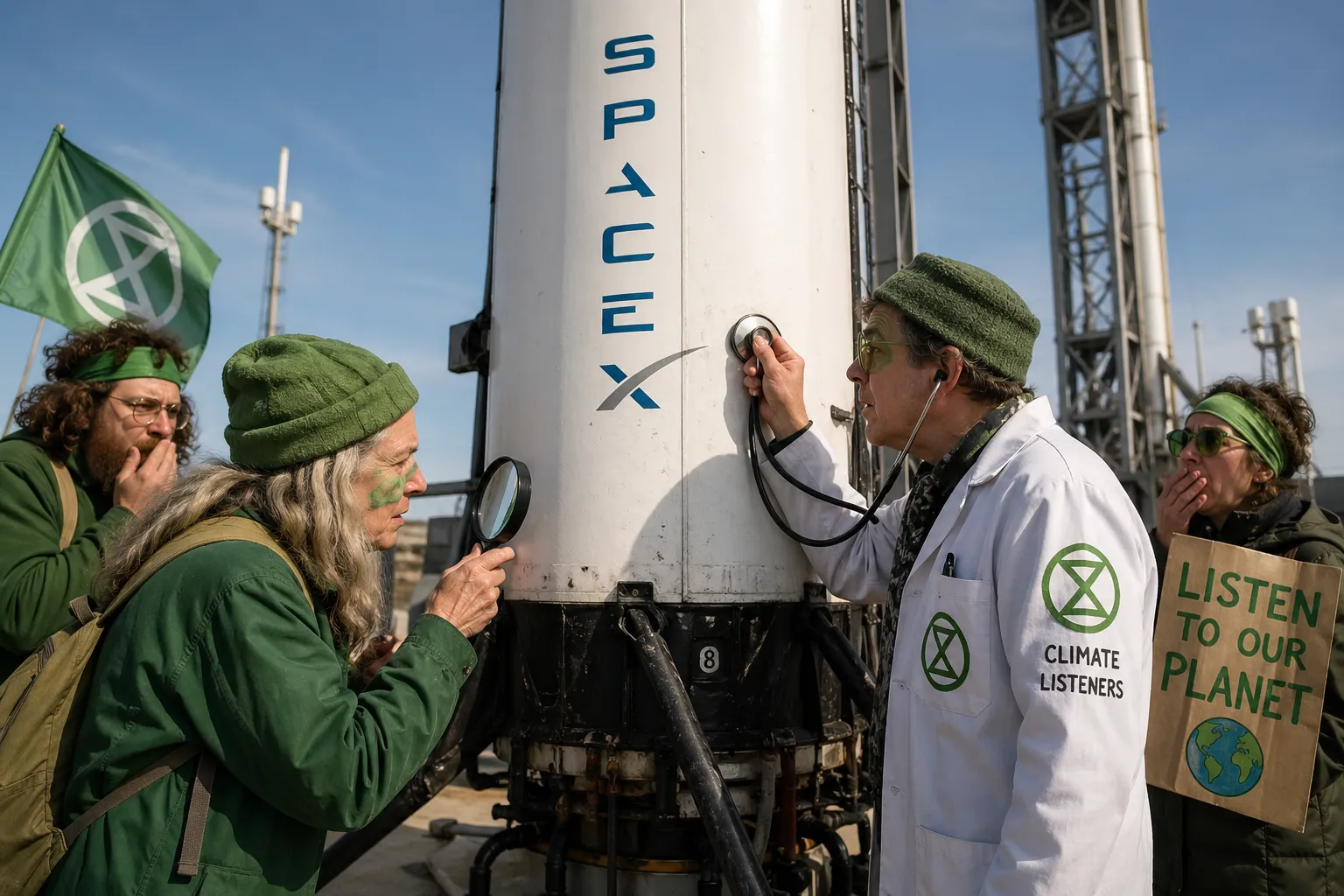
A sharp essay on why useful disruption can provoke more hostility than failure, especially when Elon Musk is involved.

A crowded orbital era brings less glamorous problems into view: traffic, debris, coordination, and the cost of success.
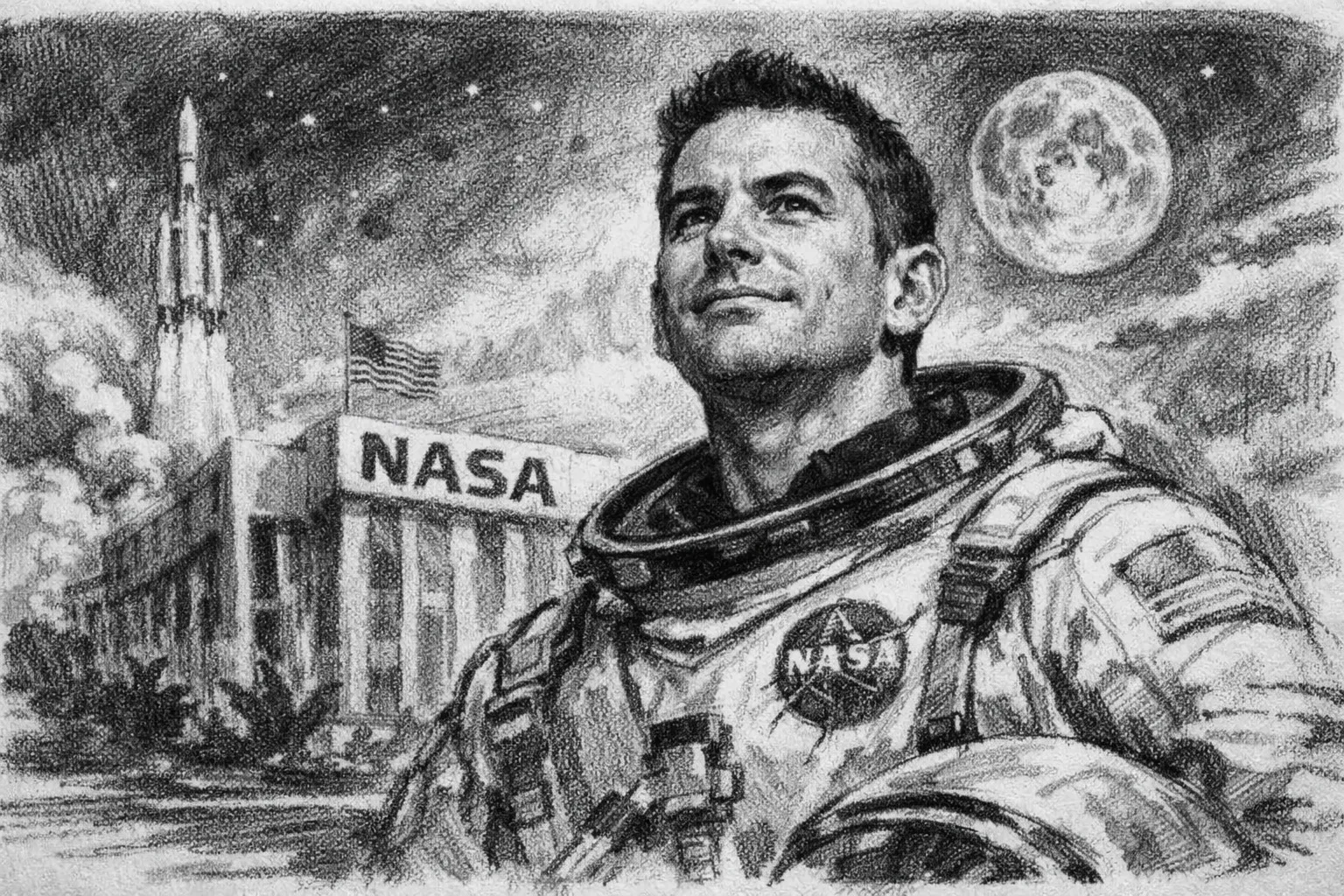
Jared Isaacman’s arrival at NASA signals a possible shift in how public ambition and private speed meet in space.
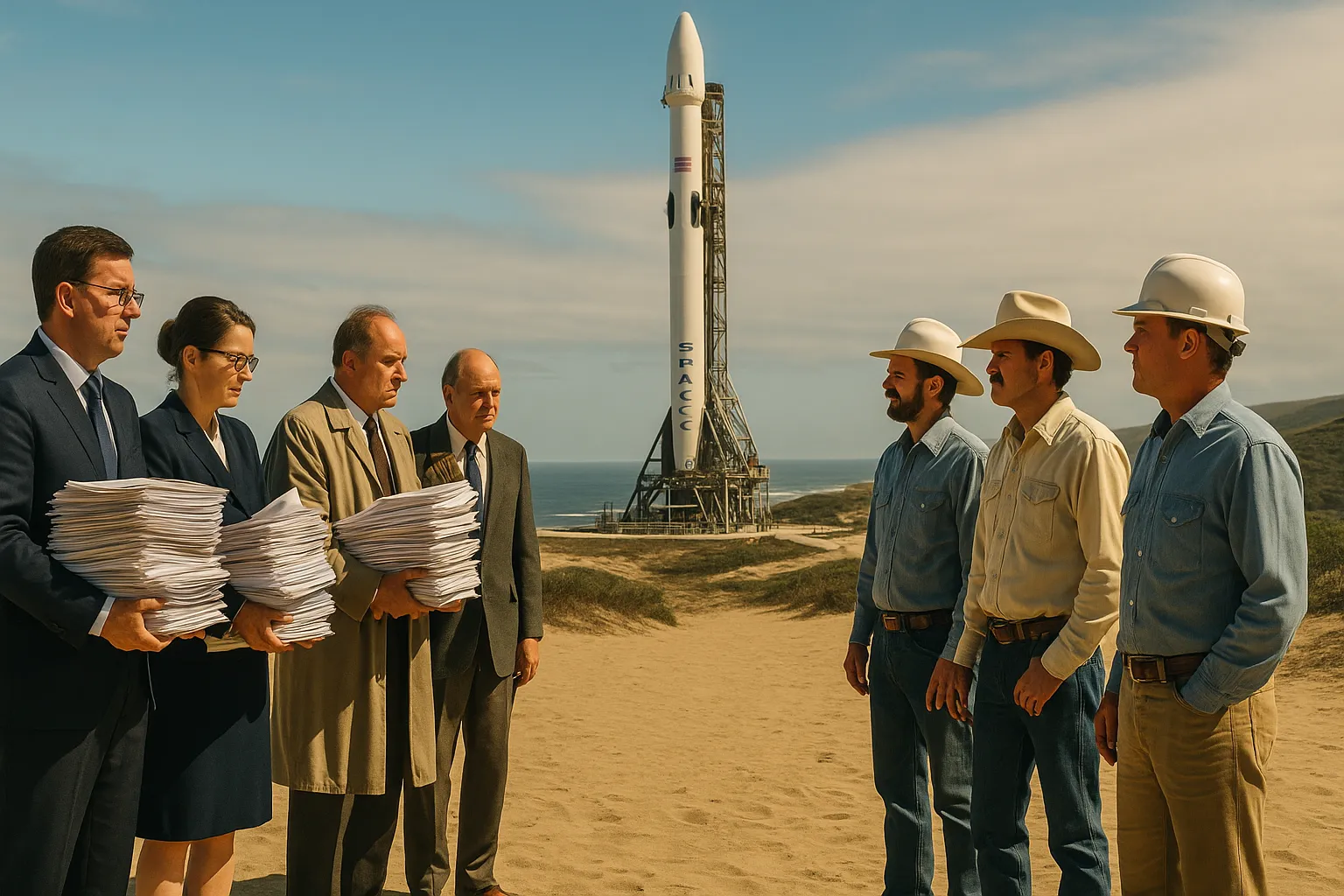
As space becomes commercial and crowded, Europe and America are beginning to argue over who gets to write the orbital rulebook.

America’s commercial space policy is becoming a global competition strategy, not just an industry support program.

The FAA’s role in launches raises a hard question: when does safety oversight become a brake on space progress?

Space law is moving from abstract treaty language toward urgent questions about ownership, liability, and commercial behavior.