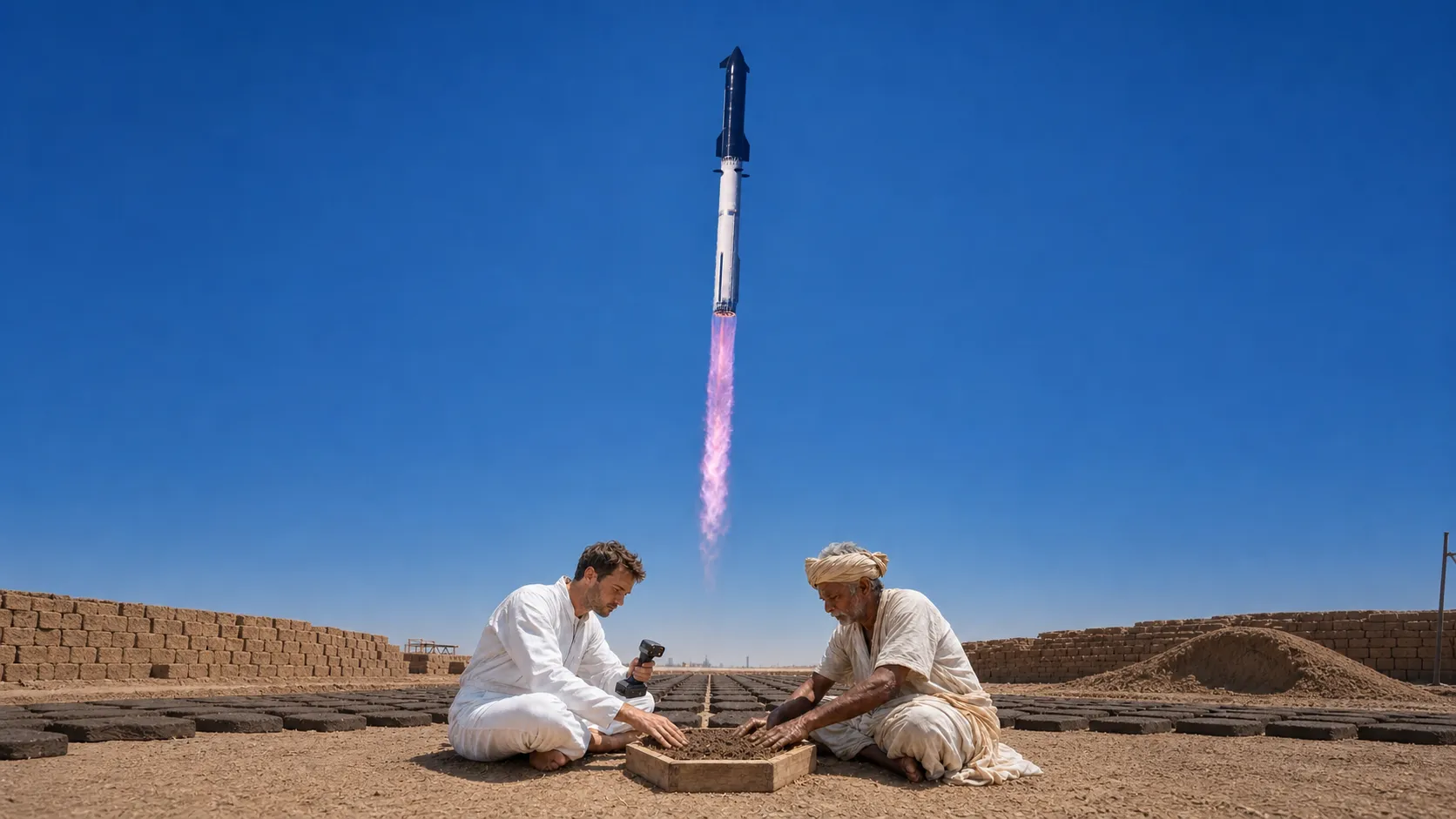
How Many Broken Tiles Can Starship Afford?
Flight 13 exposed Starship’s heat-shield challenge. A break-even model shows when tile repairs, turnaround and payload make reuse beat expendable rockets.
11posts
Flight 13 exposed Starship’s heat-shield challenge. A break-even model shows when tile repairs, turnaround and payload make reuse beat expendable rockets.
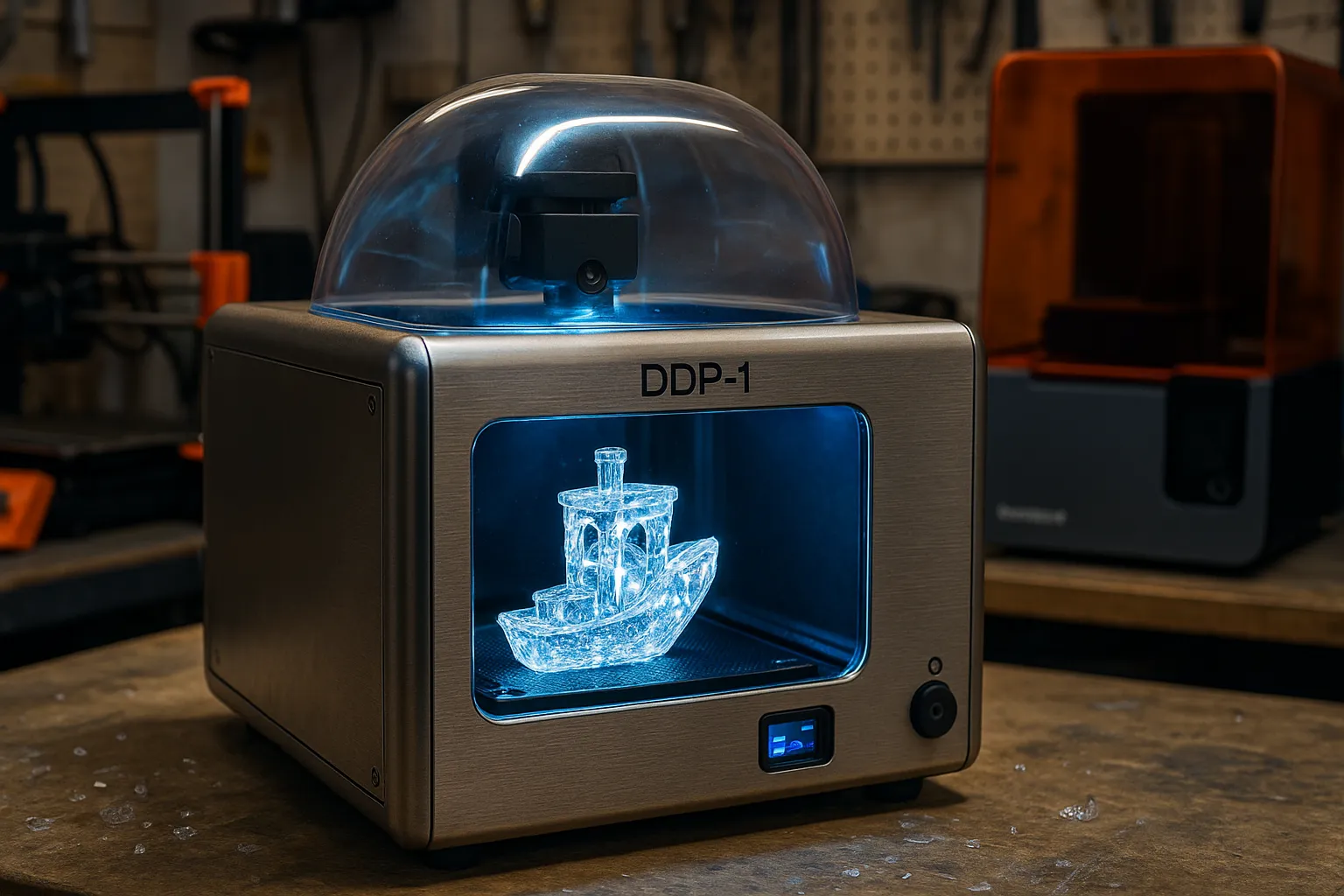
A surprising claim about desktop diamond printing raises bigger questions about materials, manufacturing, and what homes might someday build.

Starship’s heat-shield troubles show why building reusable spacecraft is less about perfection than learning faster than failure.

Atomic-6’s debris armor points to a less romantic but essential space challenge: surviving the junk already circling Earth.

Starship Flight 10 shows how SpaceX turns dramatic failure modes into data for the next design iteration.

Modern heat shields are evolving quickly because coming home safely remains one of spaceflight’s hardest problems.

Memorial diamonds promise eternity, but the science and marketing deserve a closer, less sentimental inspection.

Teleportation remains mostly fiction, but the science behind the dream is stranger and more precise than it first appears.
Glass is easy to overlook, yet space exploration depends on its optical, structural, and protective roles.
A spacecraft is only as good as its materials, from structural strength to sustainability and long-duration reliability.
3D printing is changing rocket manufacturing by collapsing complexity, speeding iteration, and challenging old production assumptions.