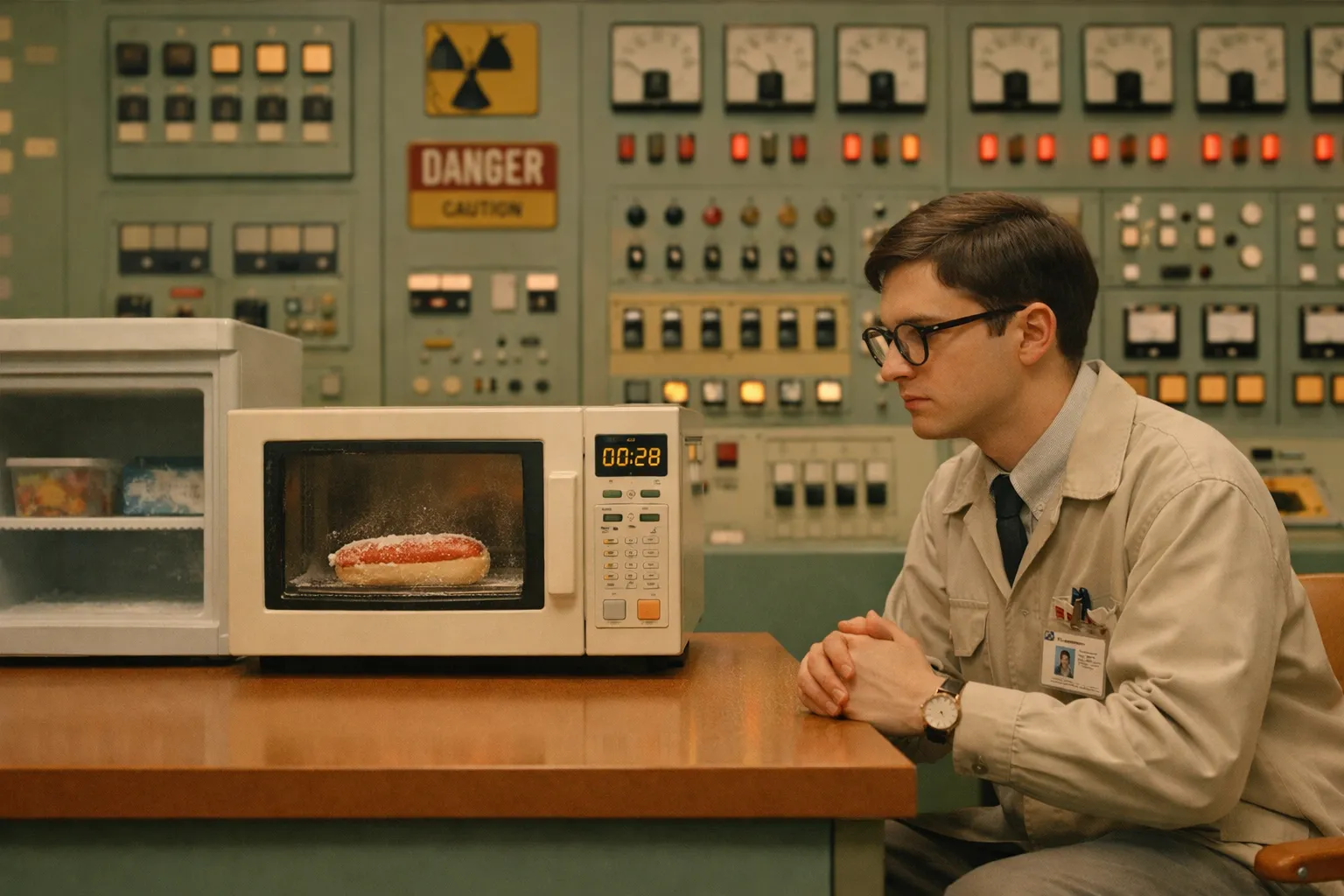
Deinococcus radiodurans and the Spaceflight Question Hidden in a Bacterium
A famously tough bacterium points toward the biological imagination needed for surviving radiation beyond Earth.
15posts
A famously tough bacterium points toward the biological imagination needed for surviving radiation beyond Earth.
The search for alien life is not just an engineering problem; it is also a lesson in reasoning under deep uncertainty.
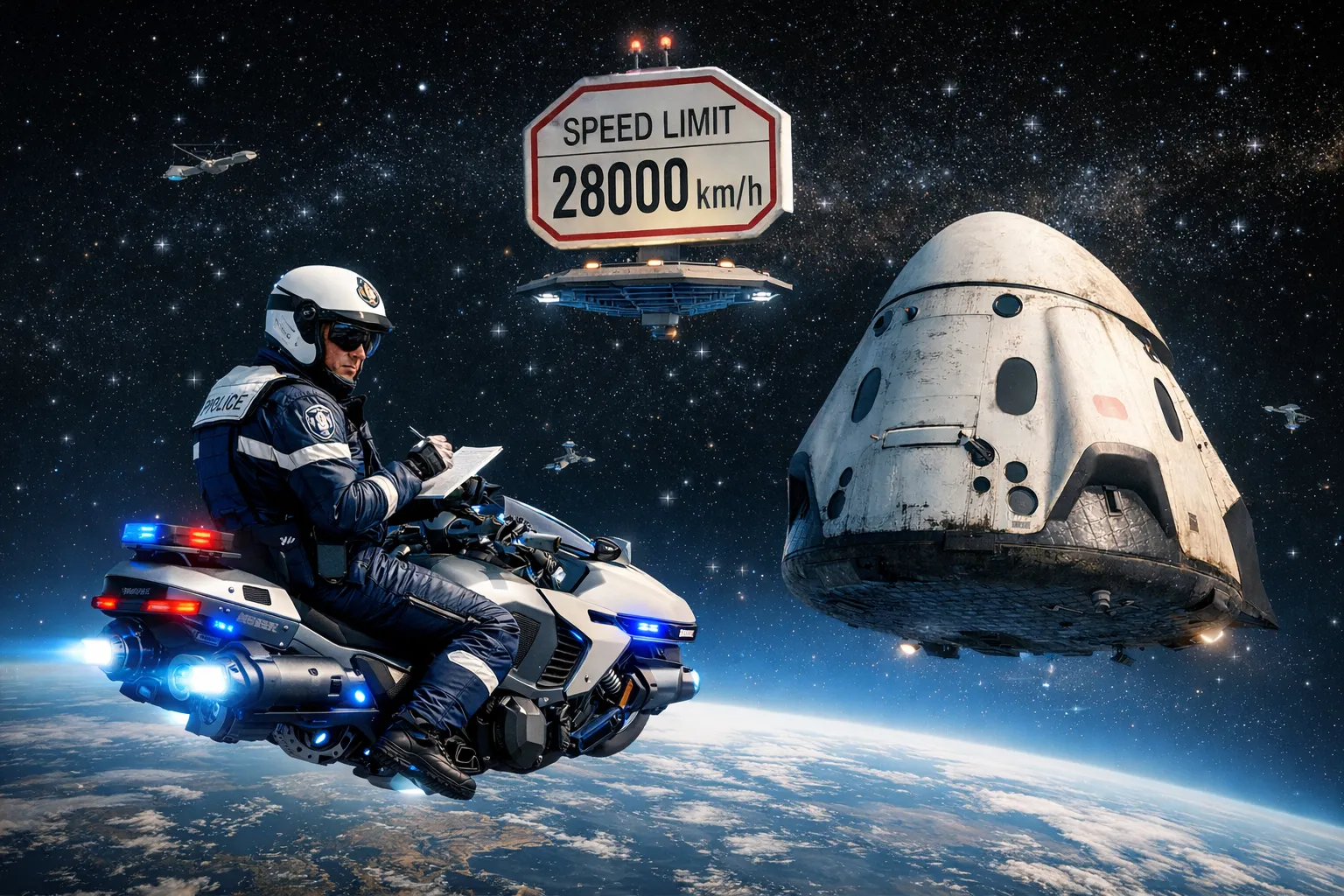
Europe’s caution in space may protect missions, but it could also slow the continent out of the next industrial race.

Erich von Däniken’s legacy is messy, but his strange gift was making ancient history feel suddenly cosmic.
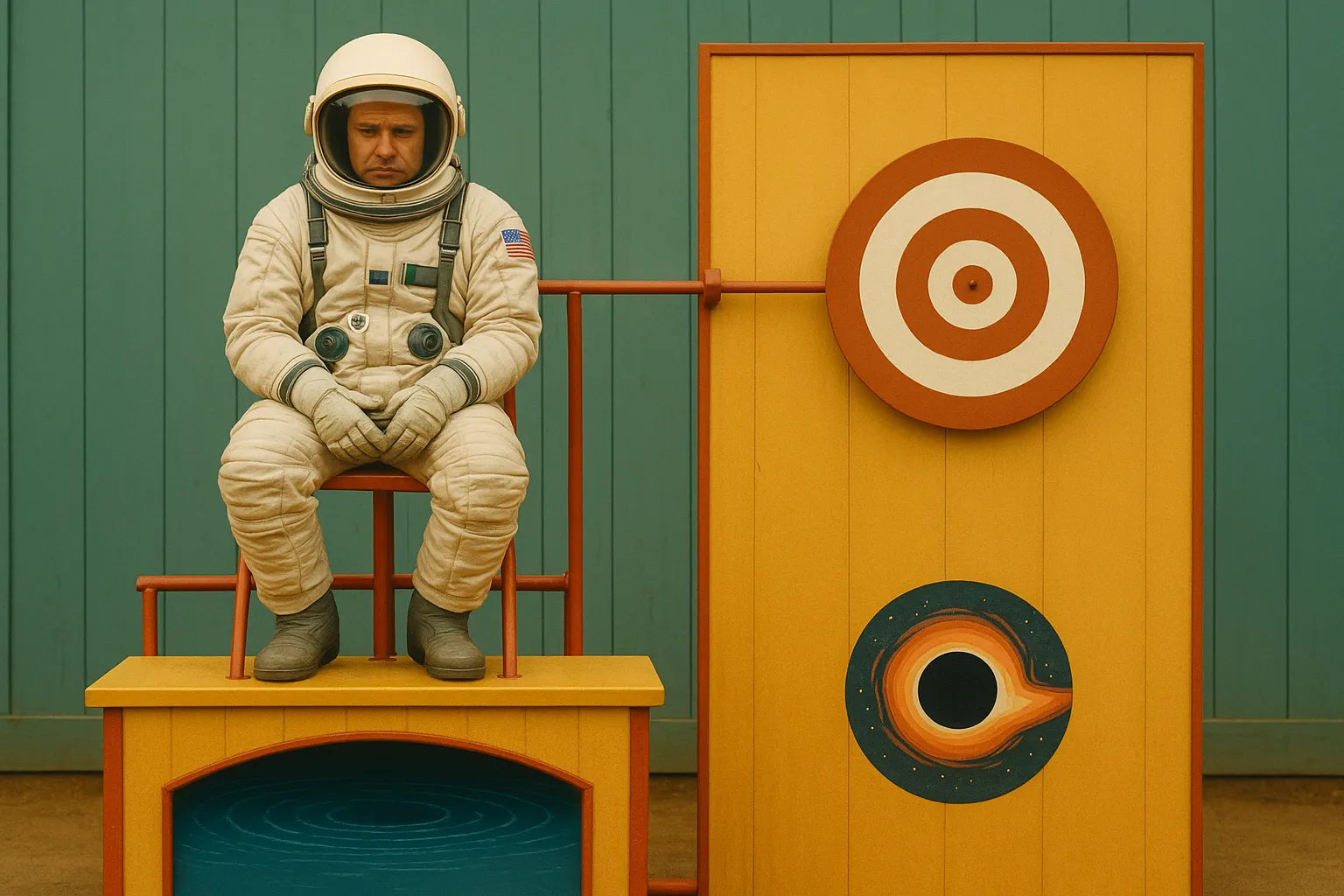
Atomic-6’s debris armor points to a less romantic but essential space challenge: surviving the junk already circling Earth.
Comet 3I/ATLAS is exotic enough without aliens, offering a rare glimpse of material from another star system.
A Martian rock forces a hard question: what would count as evidence for life when certainty is out of reach?
Starlink’s short satellite lifetimes are not just a limitation; they are part of a rapid upgrade strategy.

Abandoned space stations offer a way to think about decay, adaptation, and the afterlife of orbital infrastructure.
NASA’s use of Unreal Engine shows how game technology can become serious preparation for Mars operations.

The hunt for life beyond Earth depends on instruments, patience, and the humility to recognize ambiguous evidence.
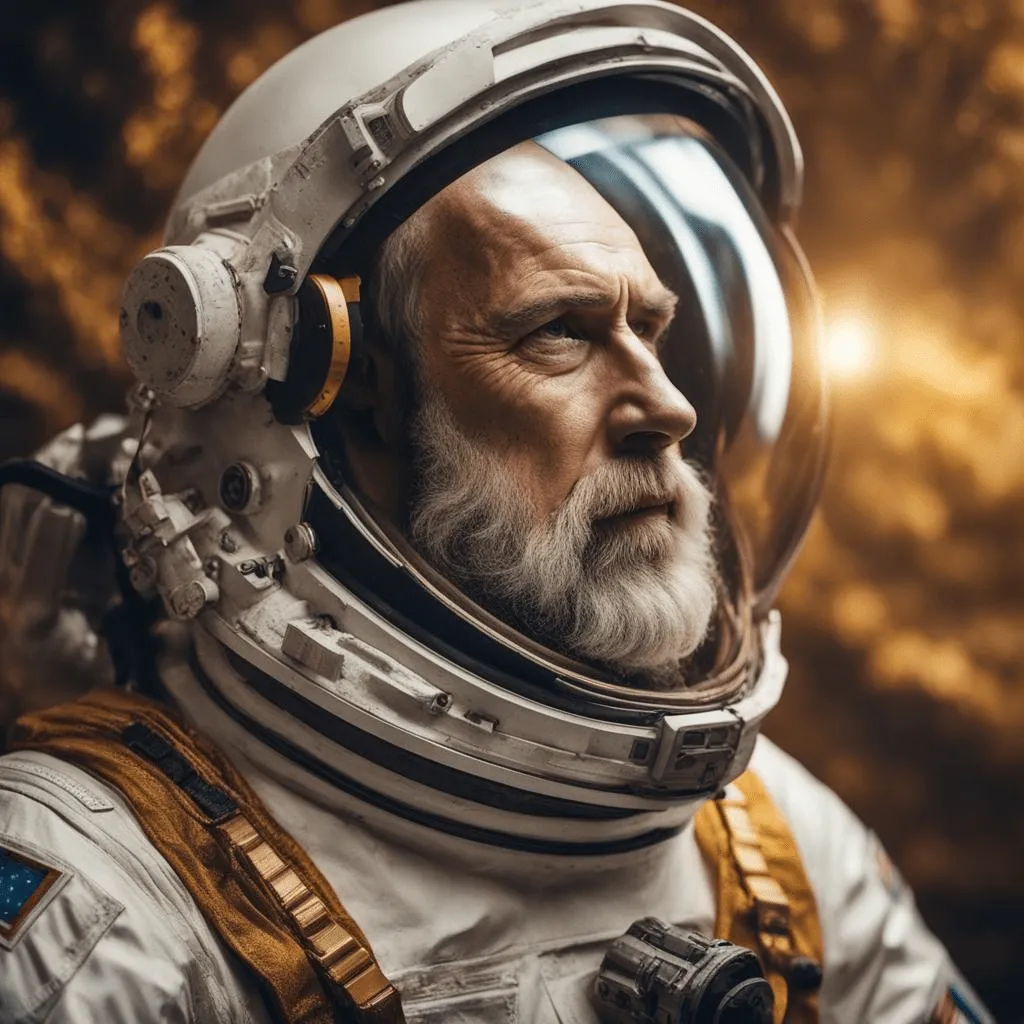
Asteroid mining promises vast resources, but the real challenge is turning celestial abundance into usable economics.
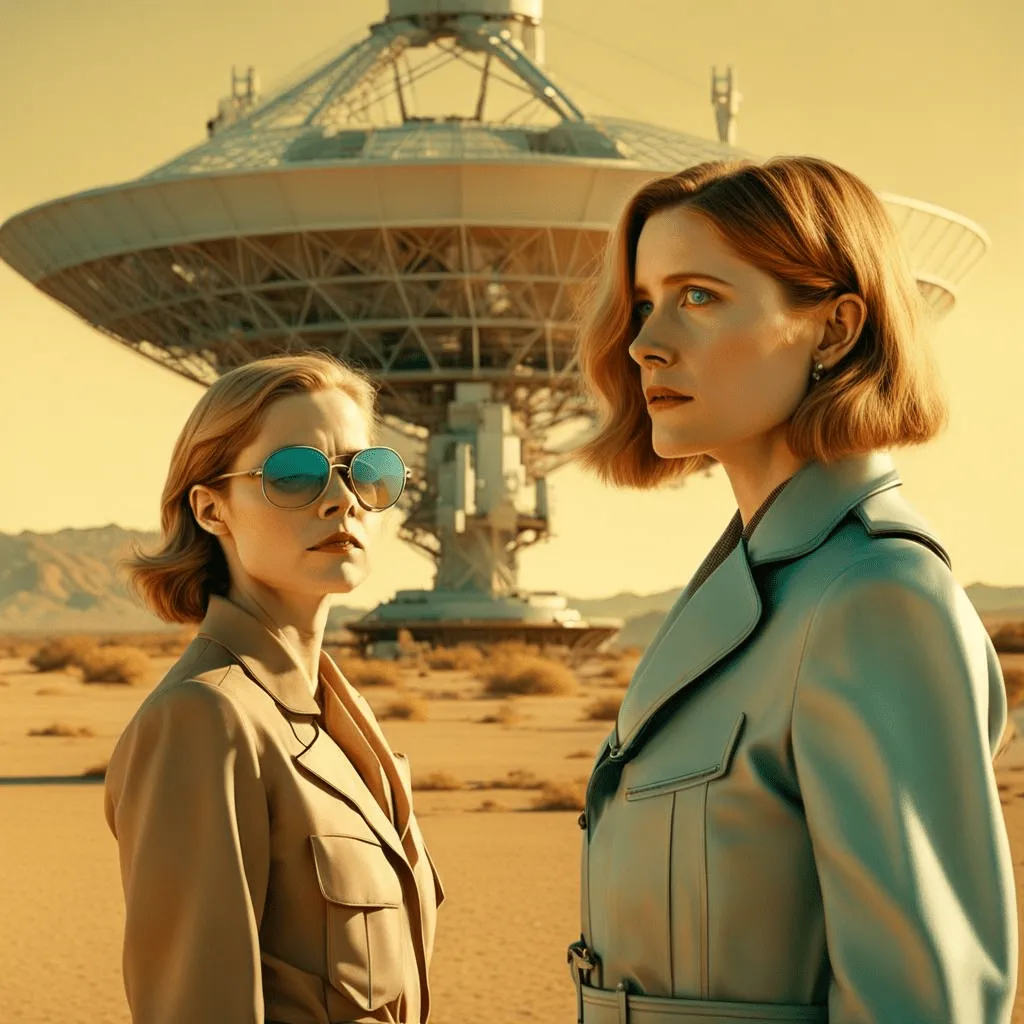
Alien messages reveal as much about human pattern-seeking as they do about any imagined intelligence sending them.
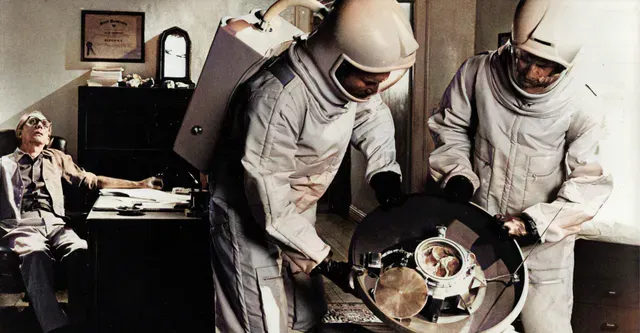
Microbes, dust, mold, and viruses become more serious when sealed habitats make Earth’s smallest threats hard to escape.
OpenRocket shows how accessible simulation tools can turn curiosity into real engineering intuition for future builders.