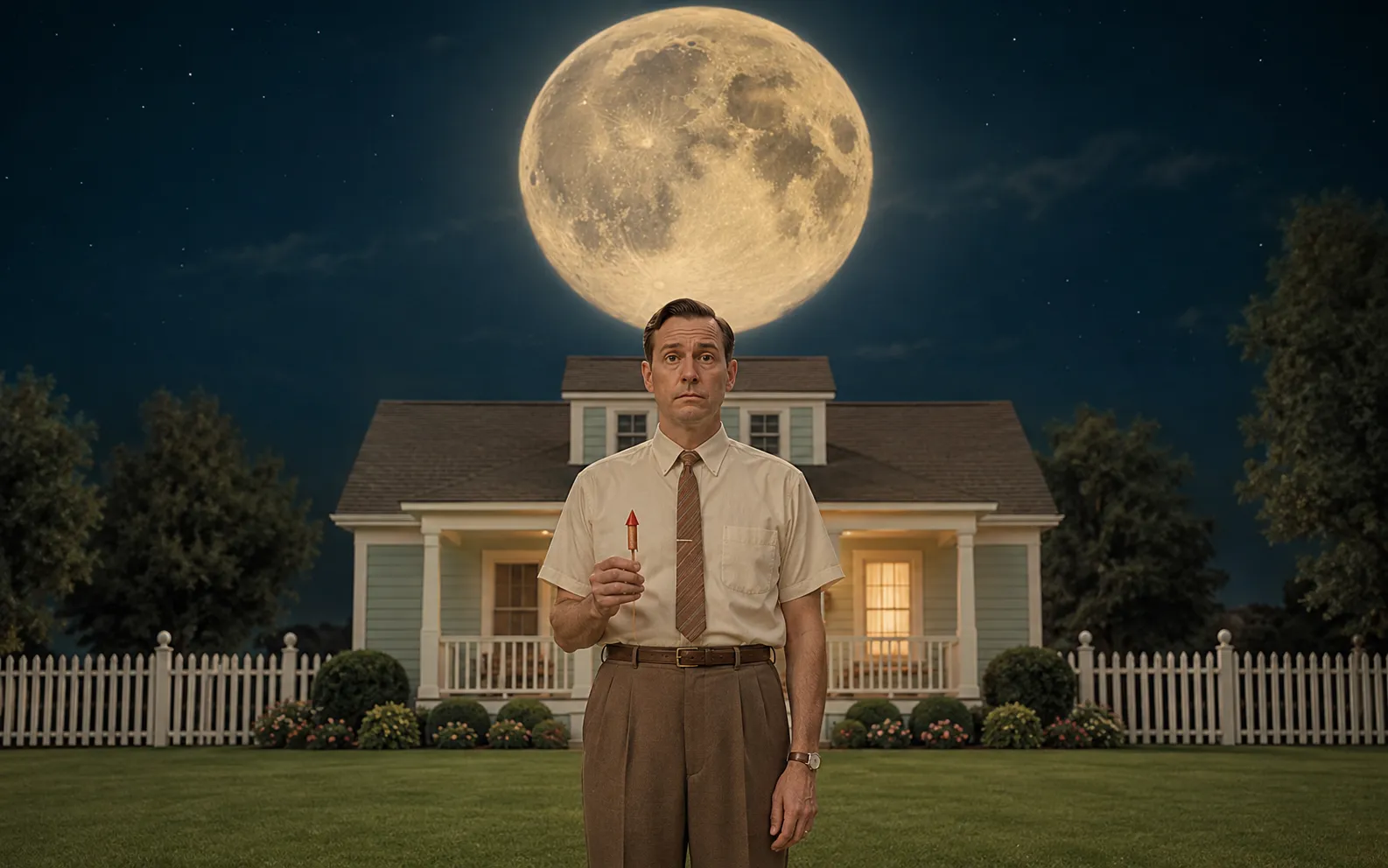
The Republic of Tiny Flashes
From the ISS, Fourth of July fireworks become tiny flashes on Earth’s night side - visible, beautiful, and humblingly unresolved.
16posts
From the ISS, Fourth of July fireworks become tiny flashes on Earth’s night side - visible, beautiful, and humblingly unresolved.
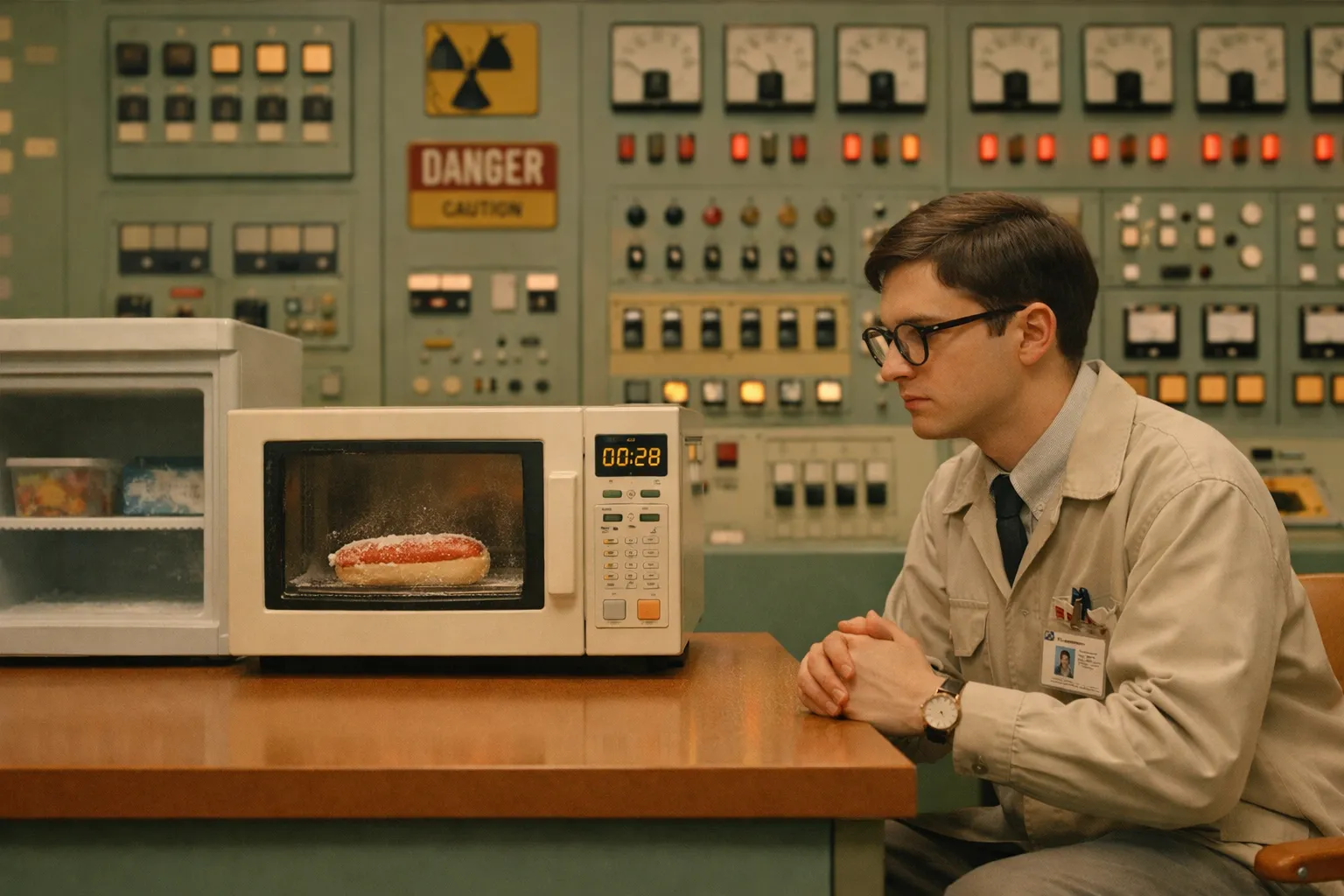
A famously tough bacterium points toward the biological imagination needed for surviving radiation beyond Earth.
Neuralink looks different when viewed not as mind reading, but as a control interface for future off-world work.
A medical return from the ISS shows how quickly orbital routine becomes a test of planning, trust, and contingency.
An ISS medical situation reminds us that human spaceflight remains, above all, a discipline of crew survival.
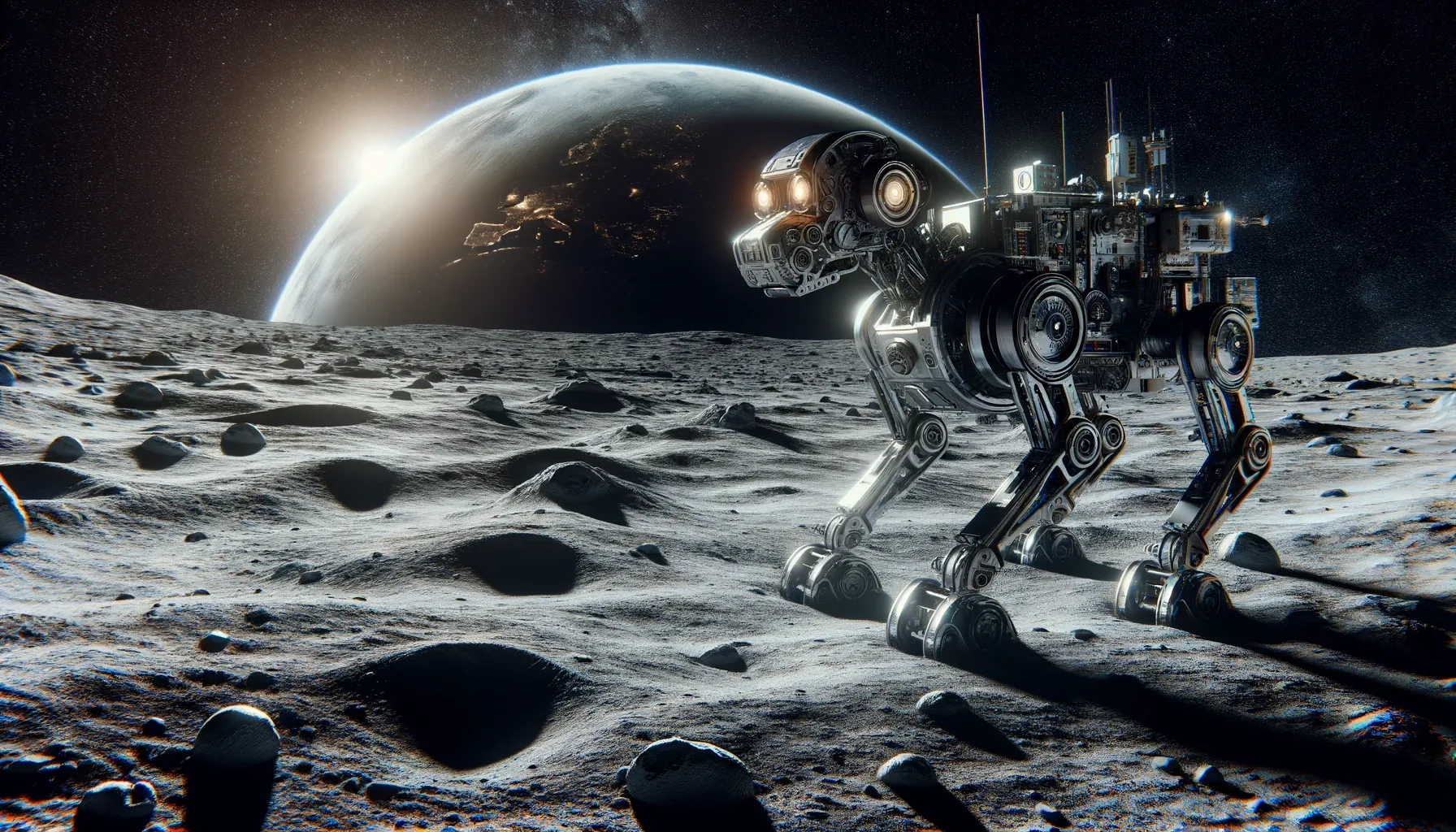
On the Moon, the choice between wheels and legs is really a question about terrain, energy, and mission style.
Weightlessness harms many systems, but its effects on the heart raise a more nuanced and surprising medical question.

Heinz Haber helped make science feel accessible, visual, and exciting for audiences far beyond the laboratory.

The lunar south pole matters because shadow, ice, terrain, and politics all converge in one difficult region.
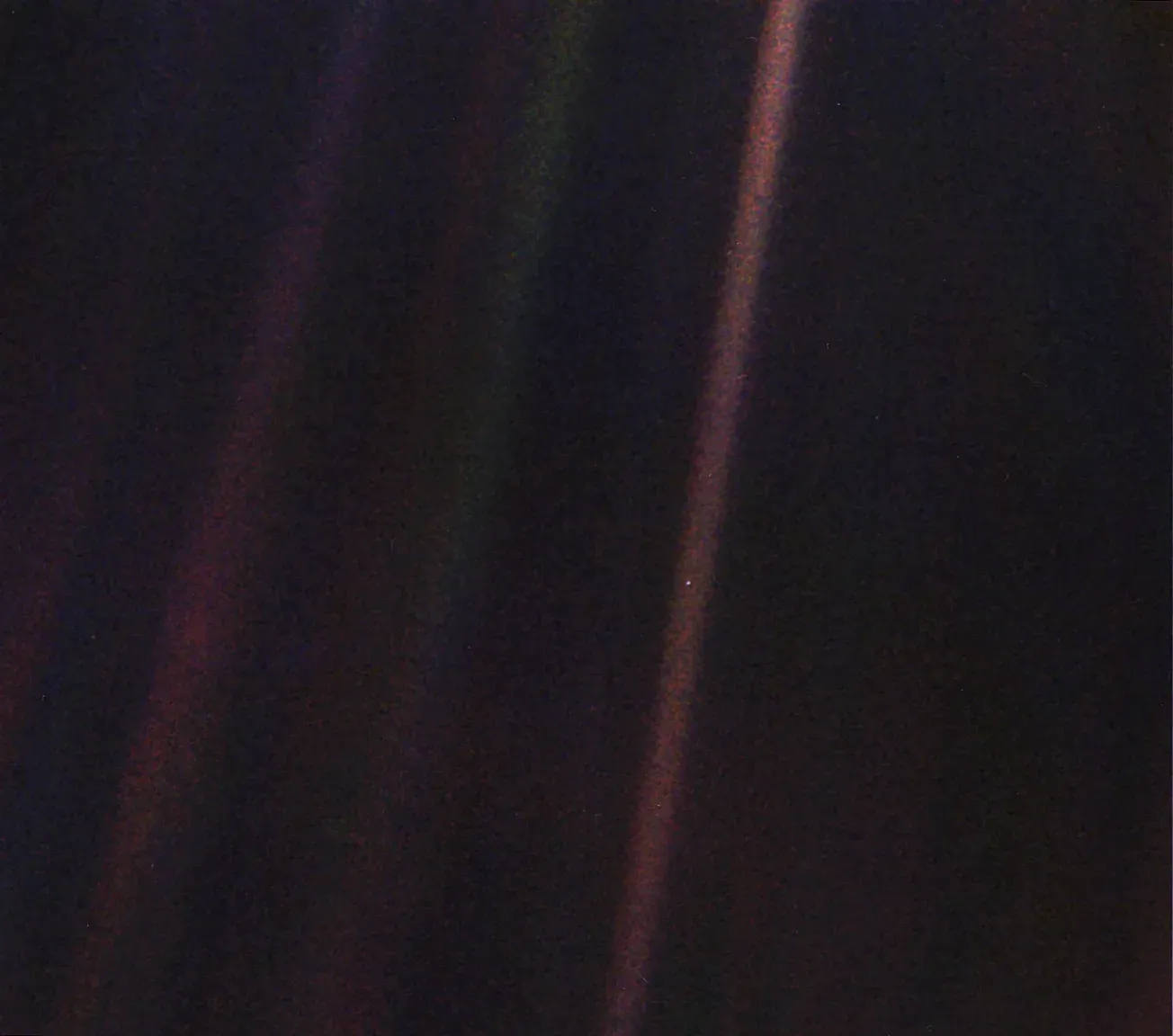
Carl Sagan’s climate warnings and cosmic perspective still challenge how we think about Earth’s fragility.
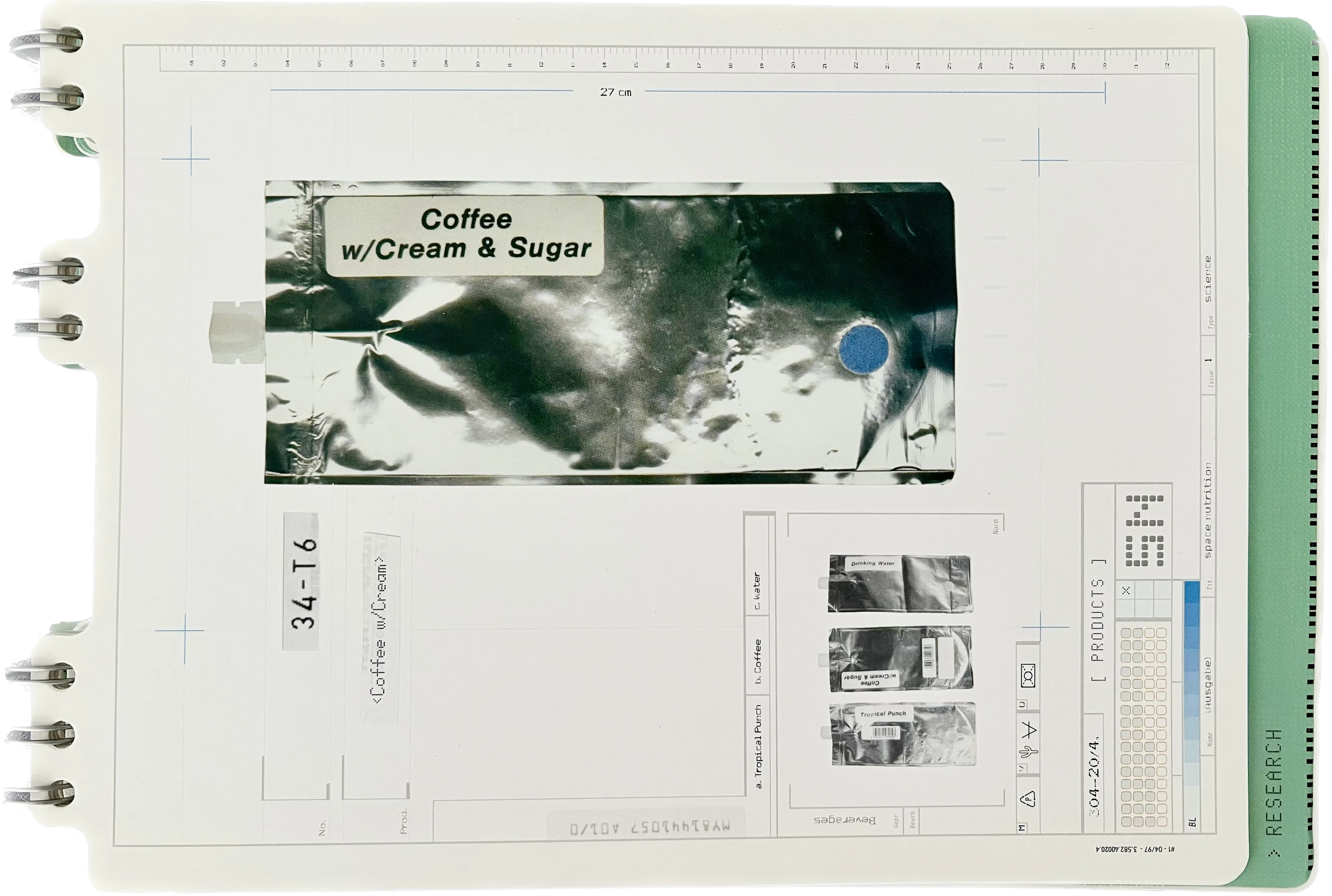
Space nutrition turns food into engineering, psychology, medicine, and comfort packed into every mission plan.
Raising infants in microgravity sounds whimsical until biology, caregiving, and spacecraft design make it deeply complicated.
Glass is easy to overlook, yet space exploration depends on its optical, structural, and protective roles.
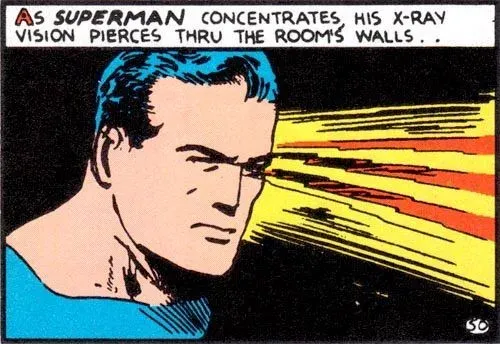
Space can change human perception in surprising ways, turning astronaut health into a source of strange discoveries.
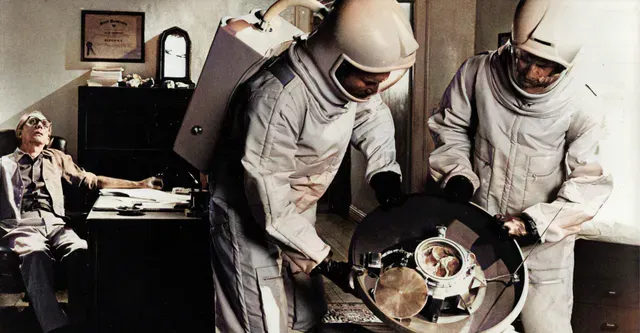
Microbes, dust, mold, and viruses become more serious when sealed habitats make Earth’s smallest threats hard to escape.
Radiation is one of the hardest barriers to deep-space travel, demanding shields, strategy, and biological realism.