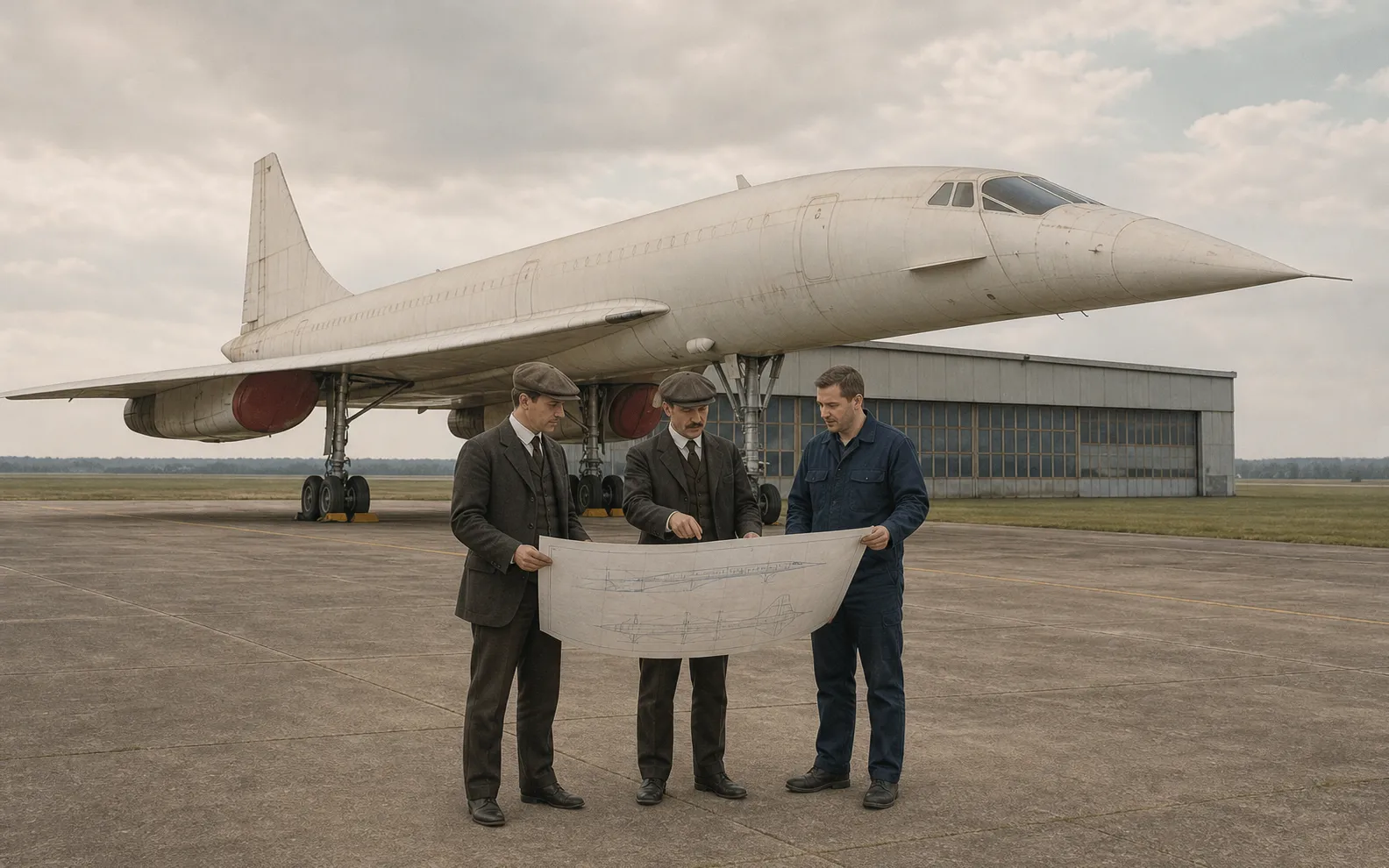
Progress Has a Subscription Fee
Progress is not permanent: from Concorde and Apollo to ancient machines, human capabilities vanish when industries, skills and institutions stop sustaining them.
18posts
Progress is not permanent: from Concorde and Apollo to ancient machines, human capabilities vanish when industries, skills and institutions stop sustaining them.
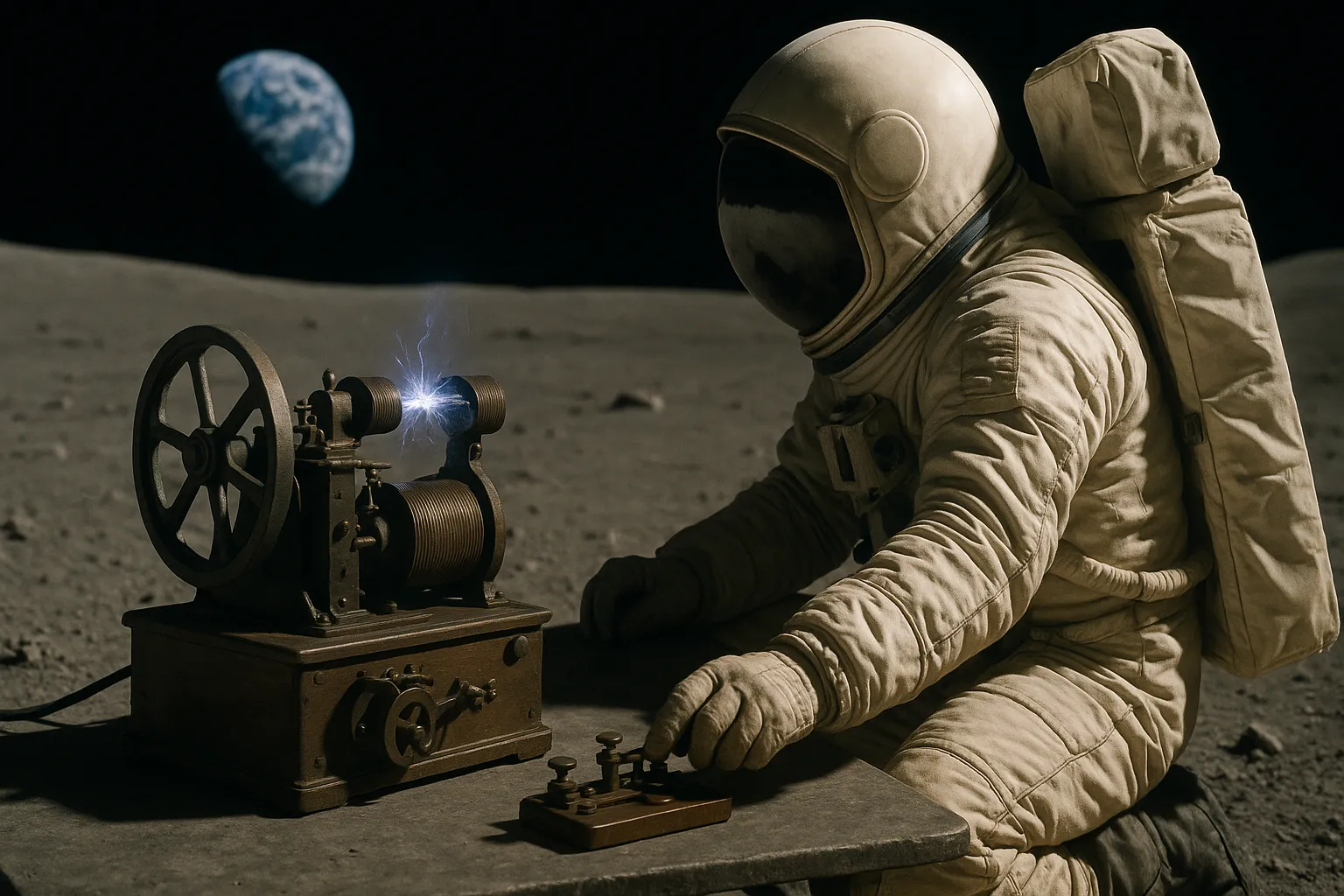
From Apollo’s radios to modern weak-signal techniques, space communication is a story of doing more with less power.
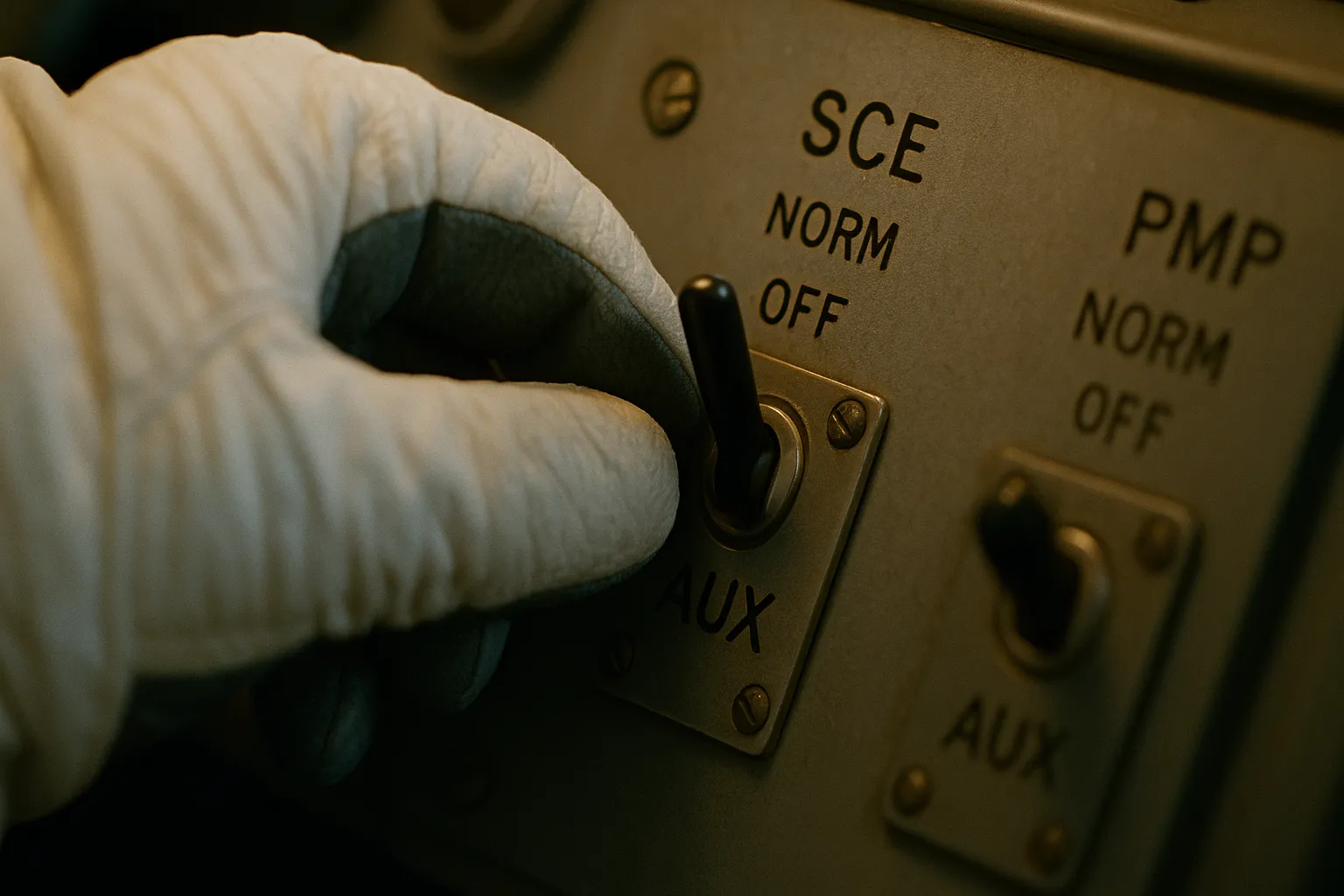
The famous Apollo 12 call shows how obscure switches, calm expertise, and memory can save a mission in seconds.
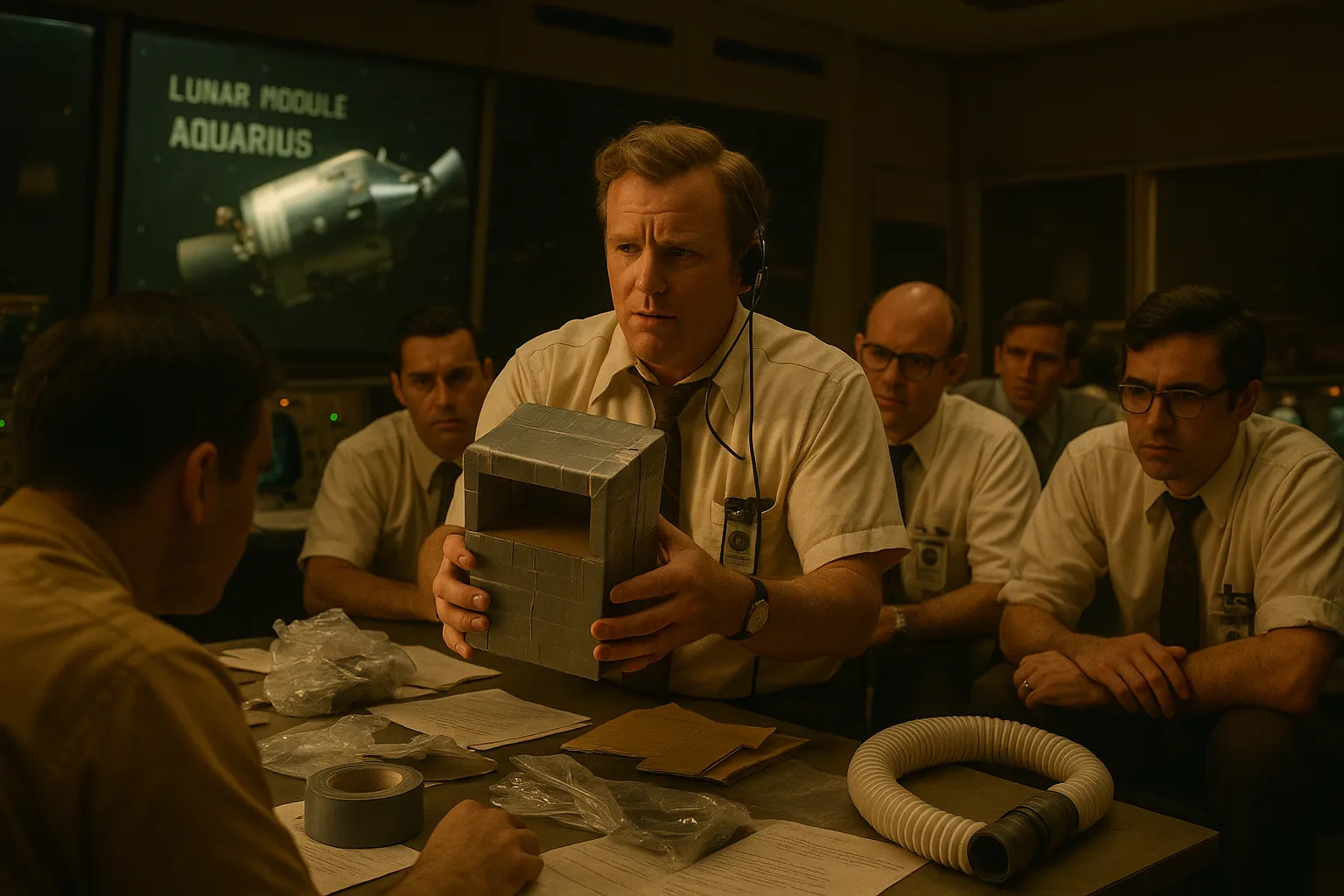
Ed Smylie’s Apollo 13 fix is a reminder that survival in space can depend on ordinary materials and extraordinary thinking.
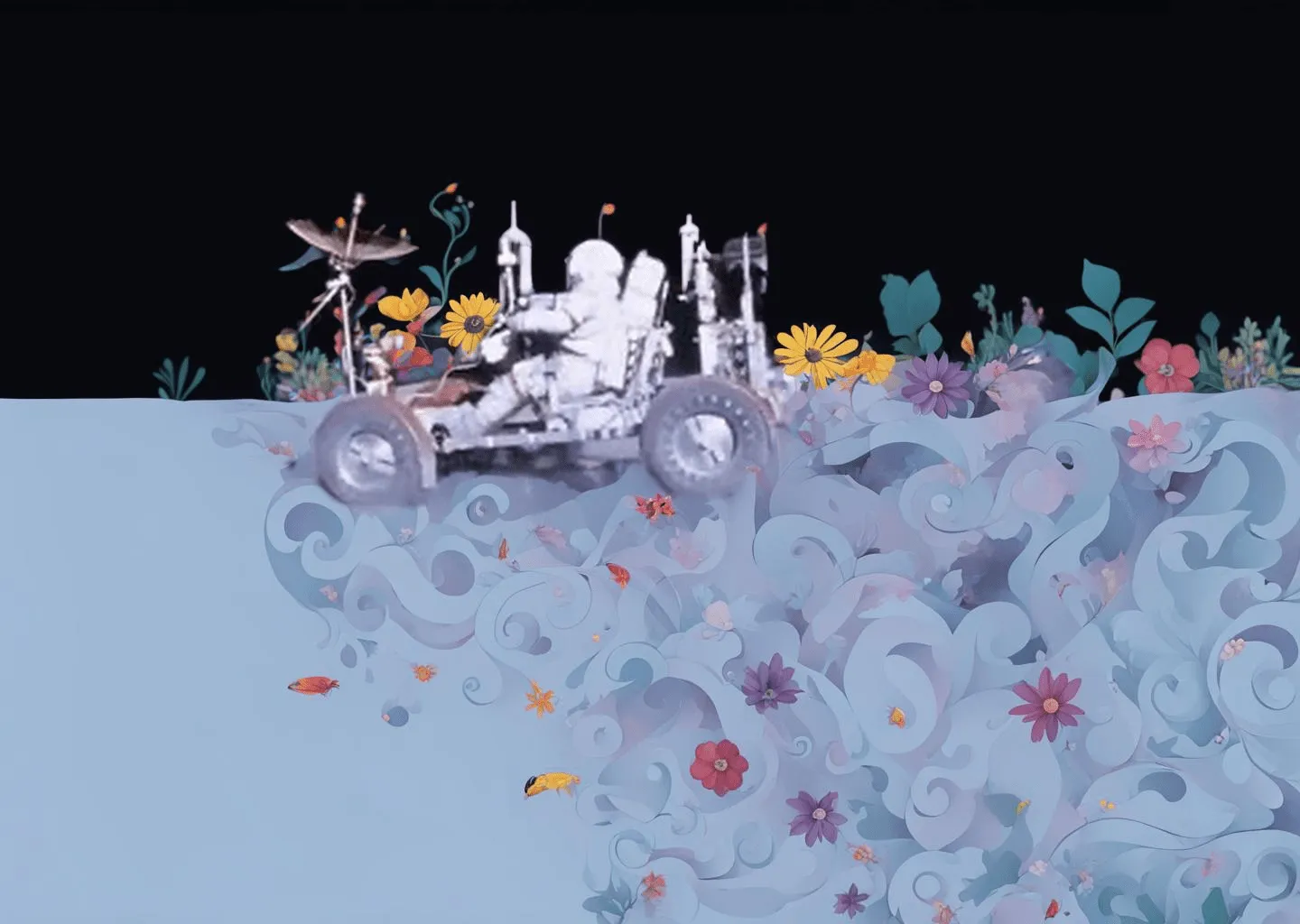
The lunar rover turned walking distance into exploration range, changing what astronauts could actually do on the Moon.

The rocket countdown owes more to cinema than many realize, blending dramatic timing with real launch discipline.
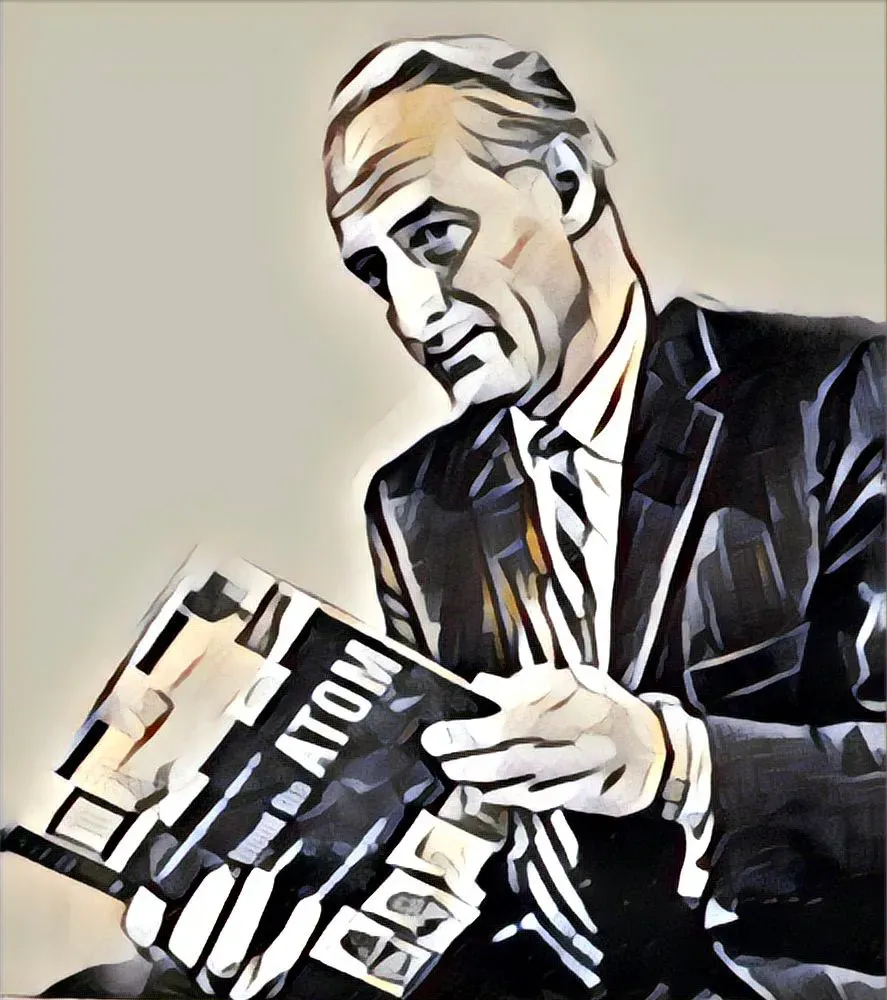
Heinz Haber helped make science feel accessible, visual, and exciting for audiences far beyond the laboratory.
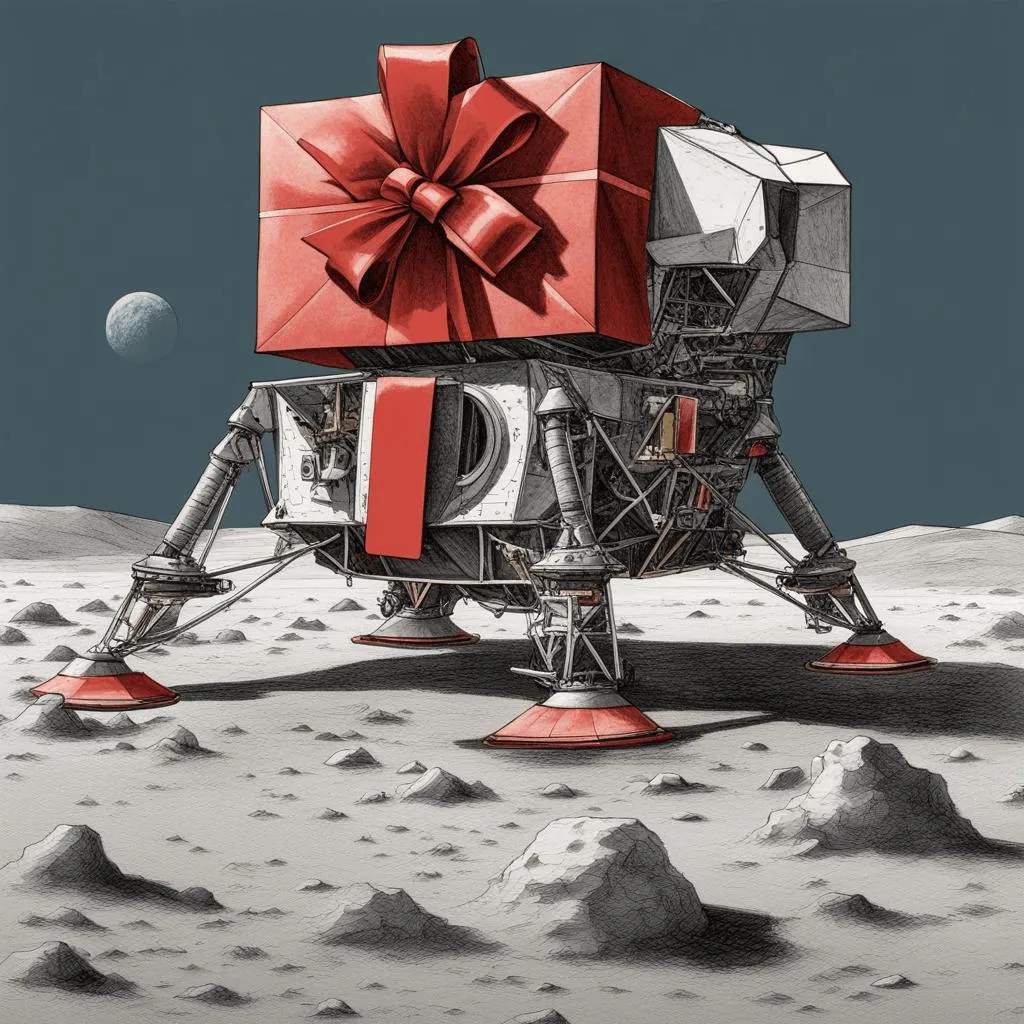
Apollo’s duct-tape fixes show how improvised materials can become mission-critical technology when options run out.
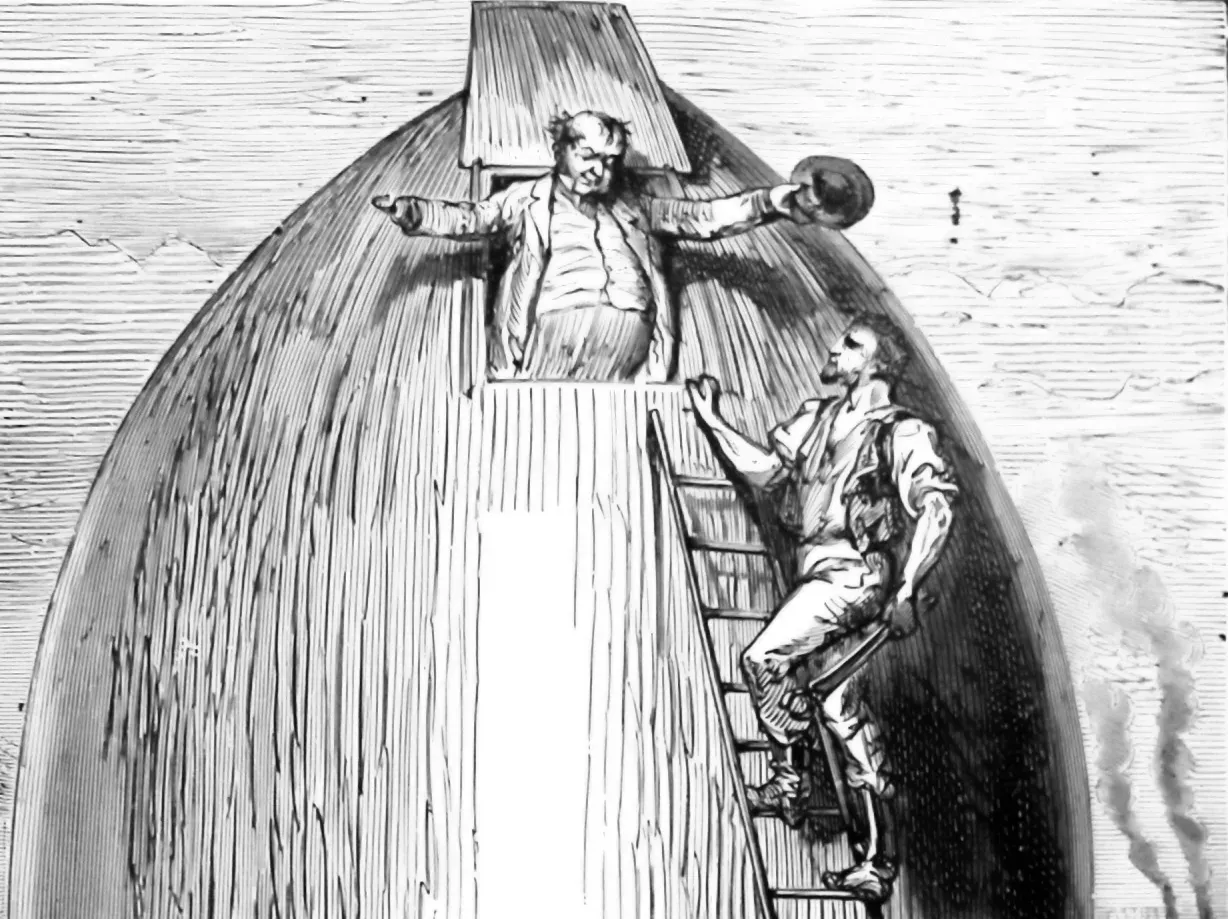
Jules Verne’s Moon voyage was wildly wrong in places and surprisingly insightful in others.
Apollo 11 left more on the Moon than footprints, and those objects tell a surprisingly human story.
NASA’s acronym culture looks comic from outside, but it reflects a world built from systems, teams, and shorthand.
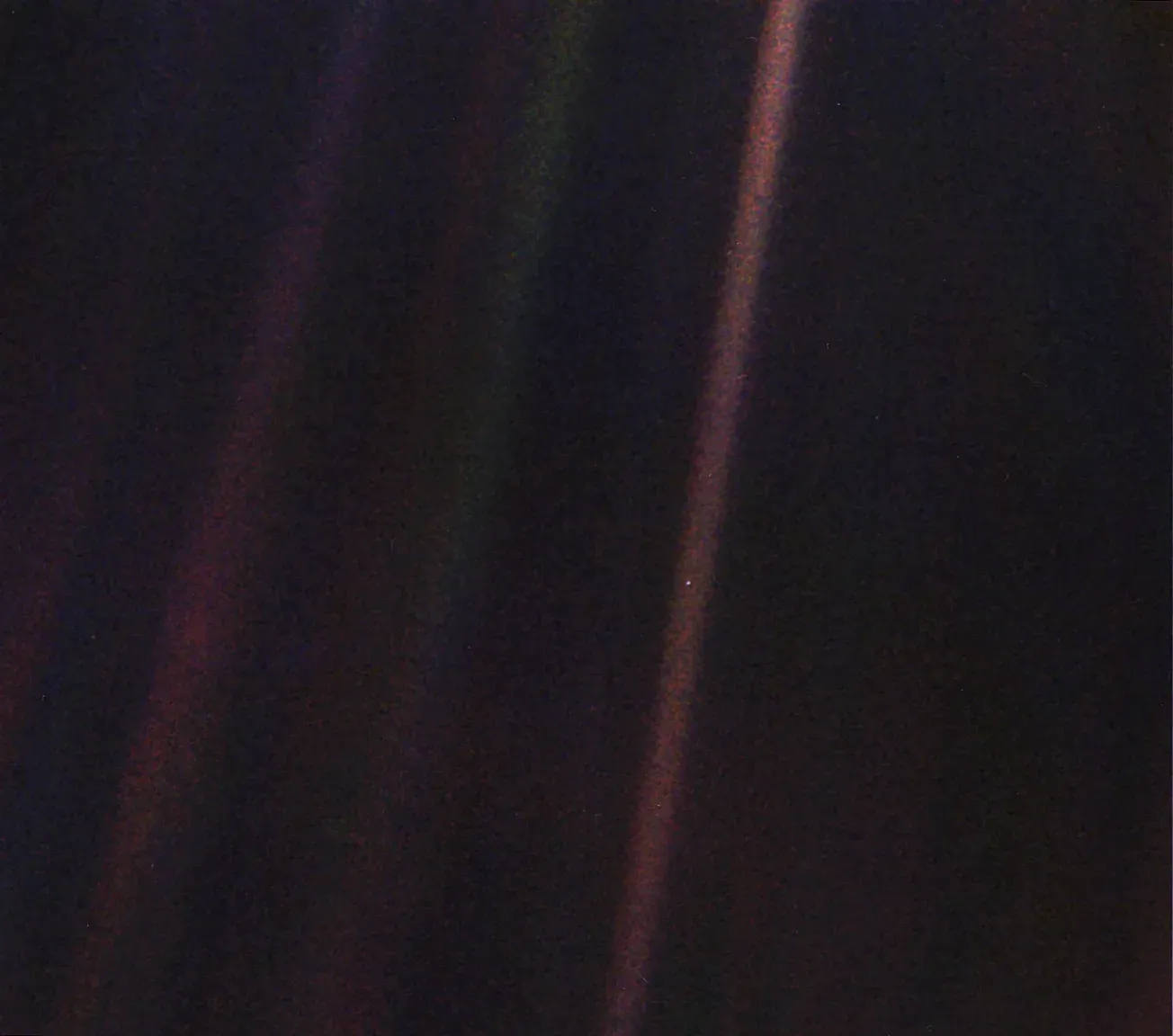
Carl Sagan’s climate warnings and cosmic perspective still challenge how we think about Earth’s fragility.

Apollo 12’s hidden Playboy joke reveals the informal human humor tucked inside one of history’s most serious programs.
Rapid unscheduled disassembly sounds comic, but it captures a long history of learning through violent hardware lessons.
Gemini 5 shows how public patience, political funding, and technical milestones can collide in human spaceflight.
Sundials turn sunlight into time, linking simple craft with astronomy, history, and everyday observation.
Space computers have evolved from Apollo-era constraints to modern autonomy, but reliability remains the central demand.
Rocket launches are acoustic events as much as mechanical ones, and vibration can be a serious engineering enemy.