
Beyond Rockets: The Andromeda Dreamer Gently Pirouettes into Space
For 60 years we’ve reached orbit on chemical rockets — controlled chaos transmuted into mach diamonds. Stunning when they work, devastating when they fail.
25posts
For 60 years we’ve reached orbit on chemical rockets — controlled chaos transmuted into mach diamonds. Stunning when they work, devastating when they fail.
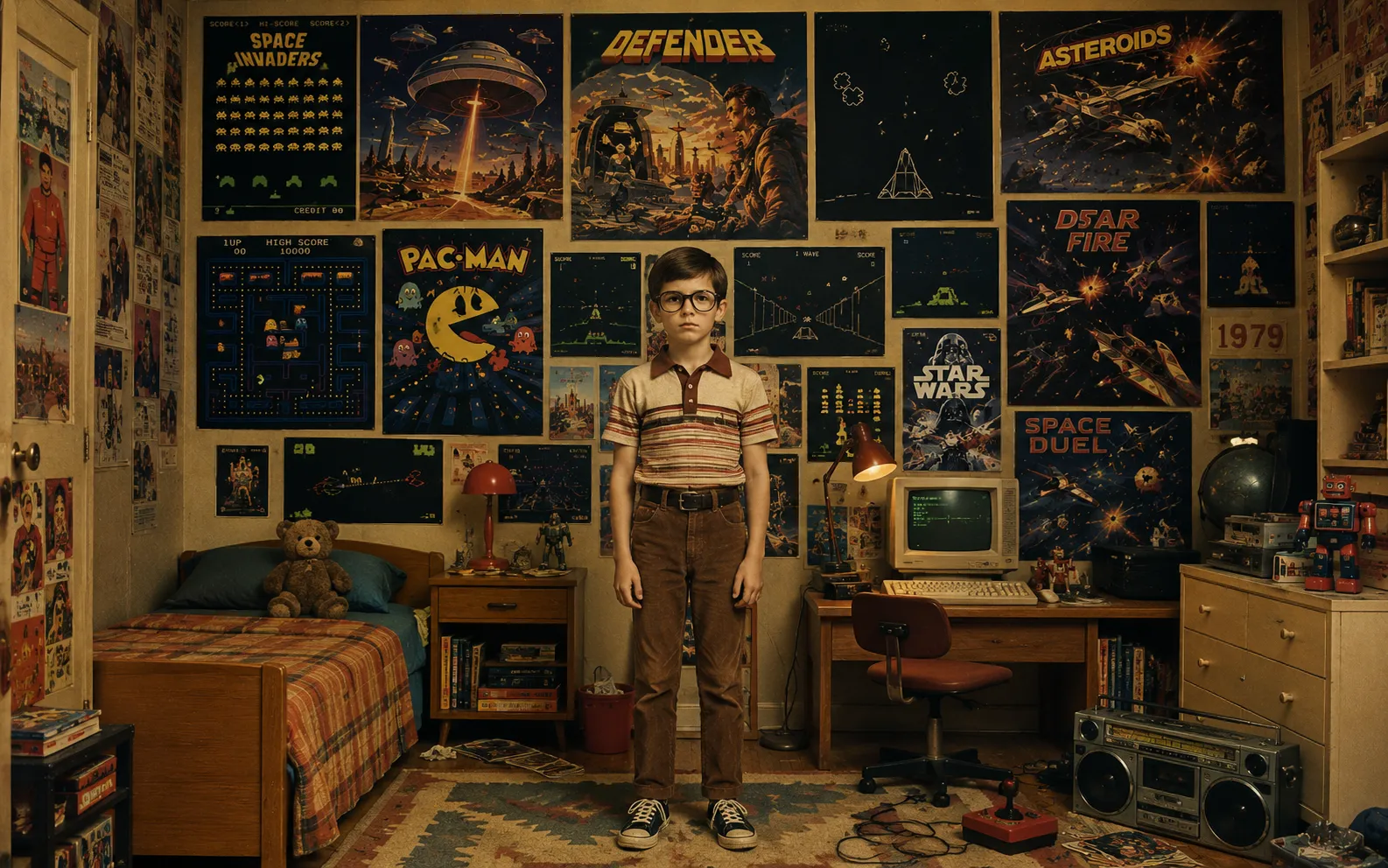
Early game box art wasn’t advertising - it was outsourced imagination. The pixels were tiny. The worlds in players’ heads were enormous.
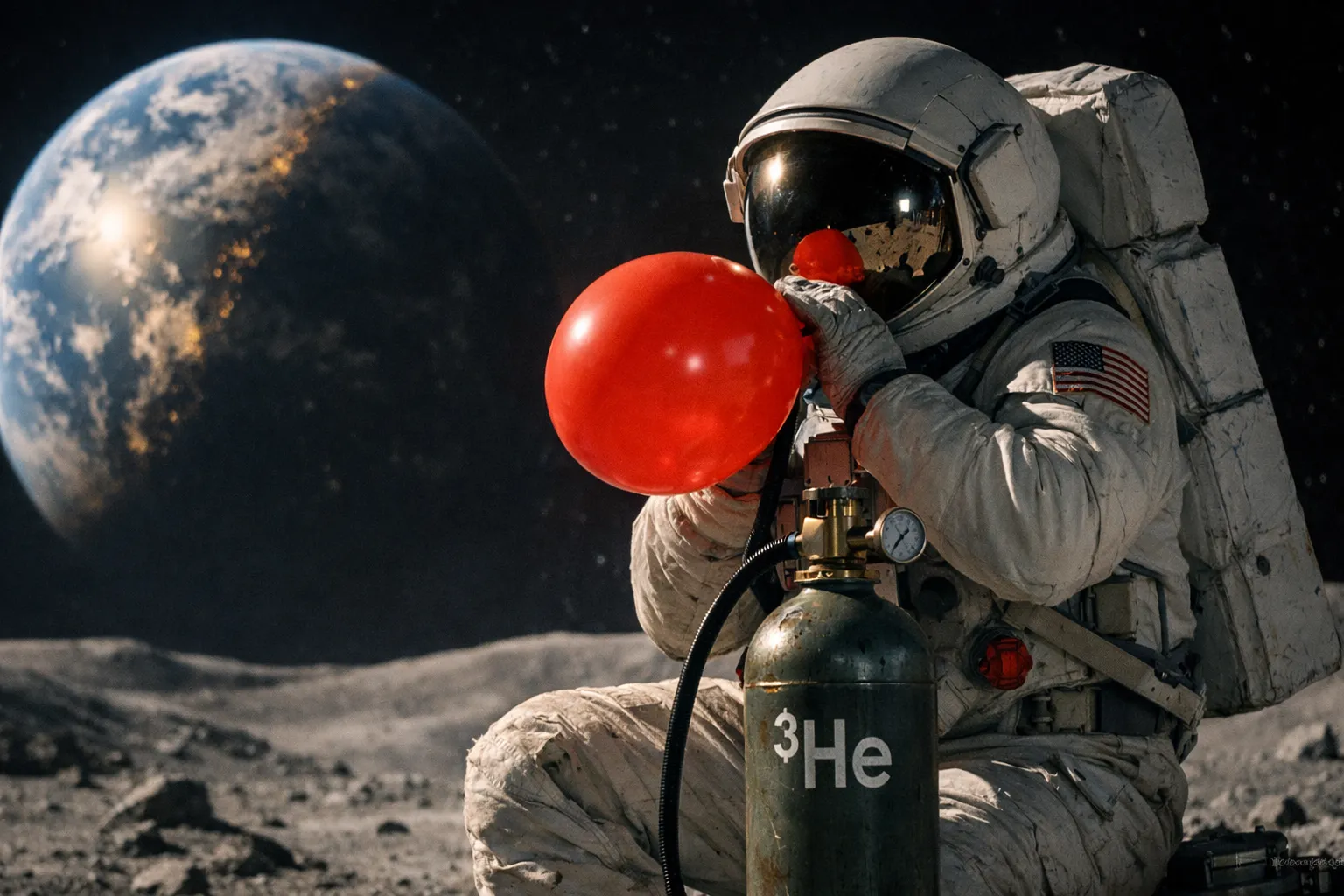
The Moon’s helium-3 dream is seductive, but the physics and economics demand a much colder reality check.
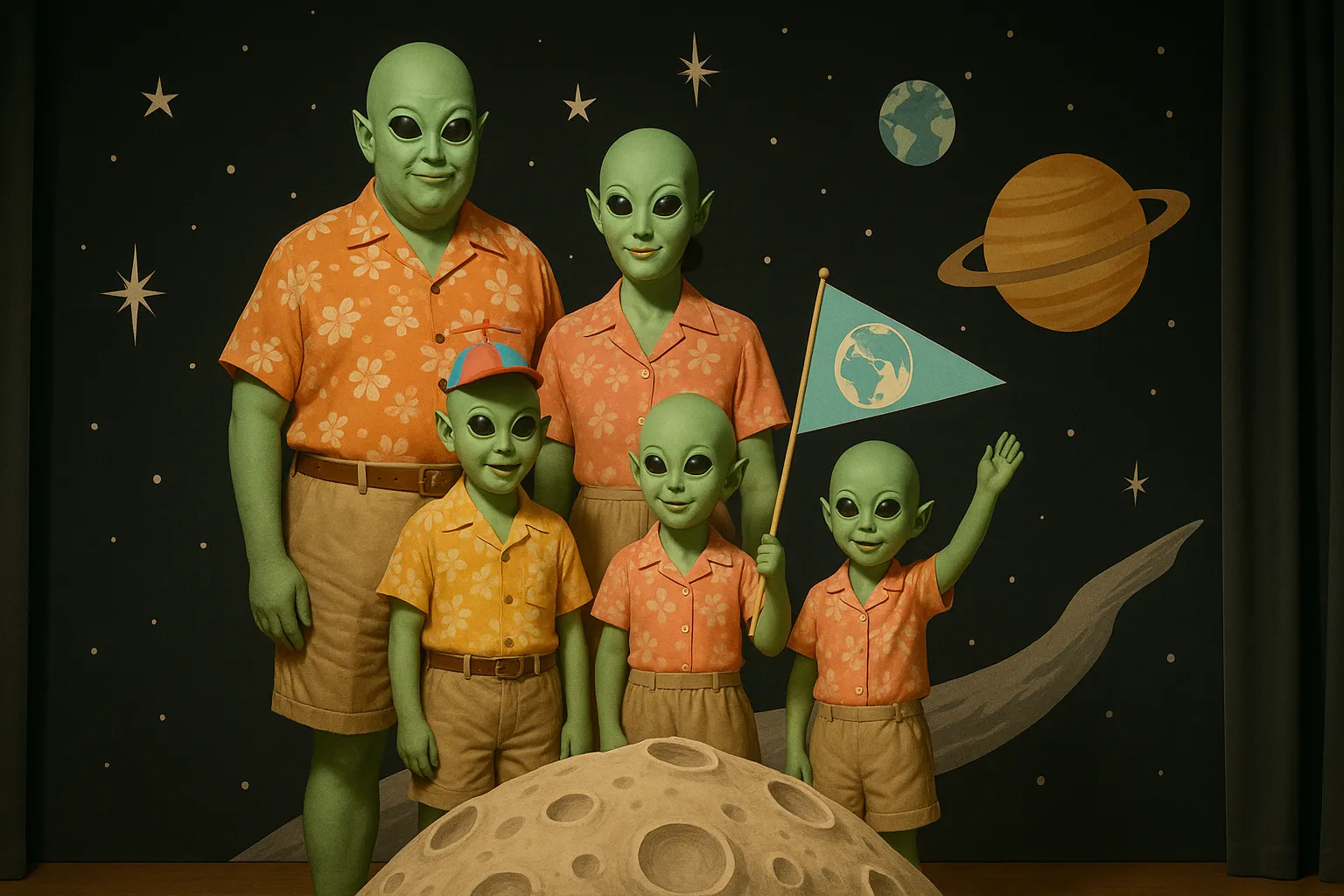
Comet 3I/ATLAS is exotic enough without aliens, offering a rare glimpse of material from another star system.

TRON becomes a useful metaphor for understanding why interpreted and compiled languages behave so differently.
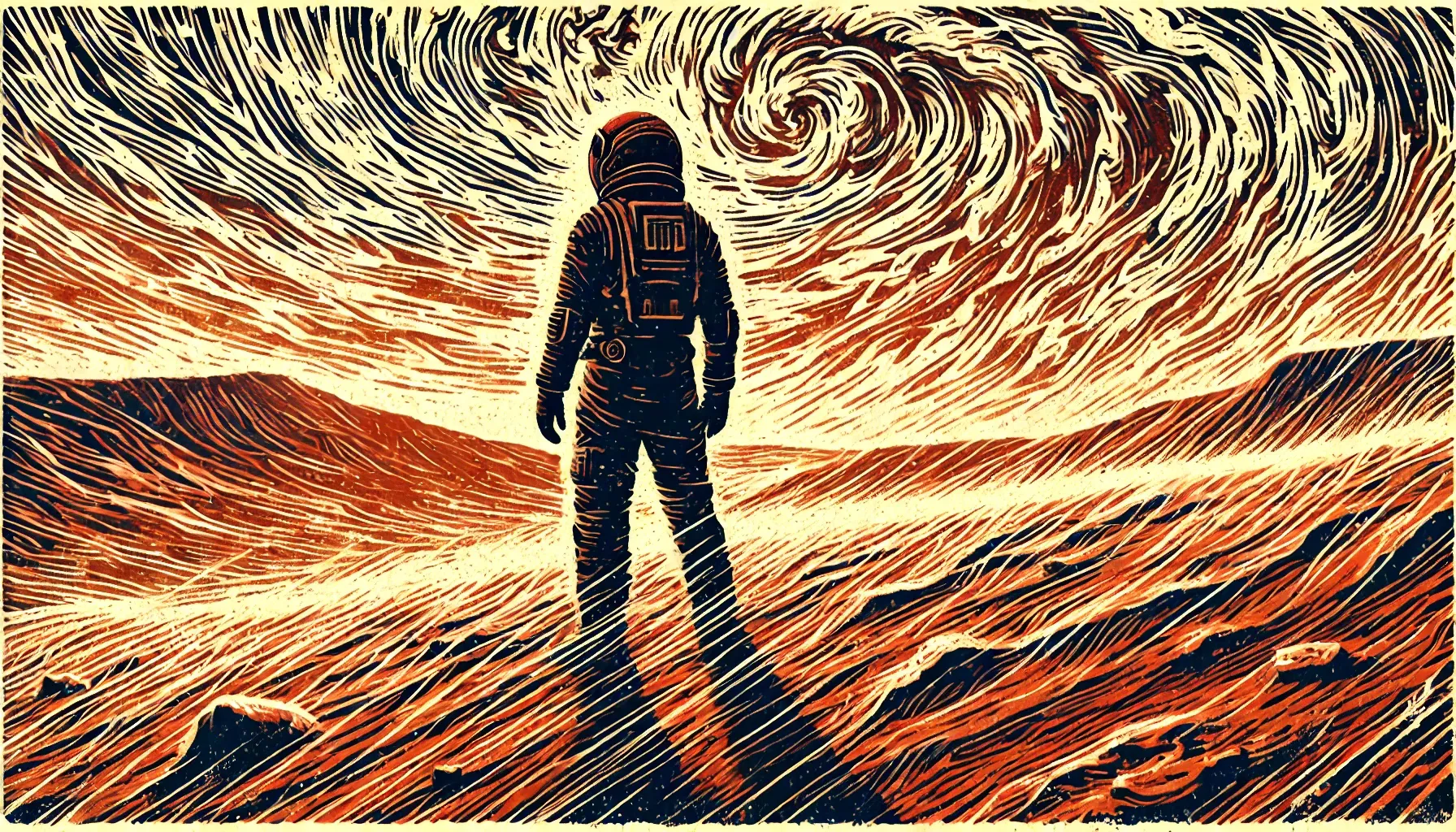
Mars storms are less Hollywood than legend suggests, but the real weather still matters for future explorers.
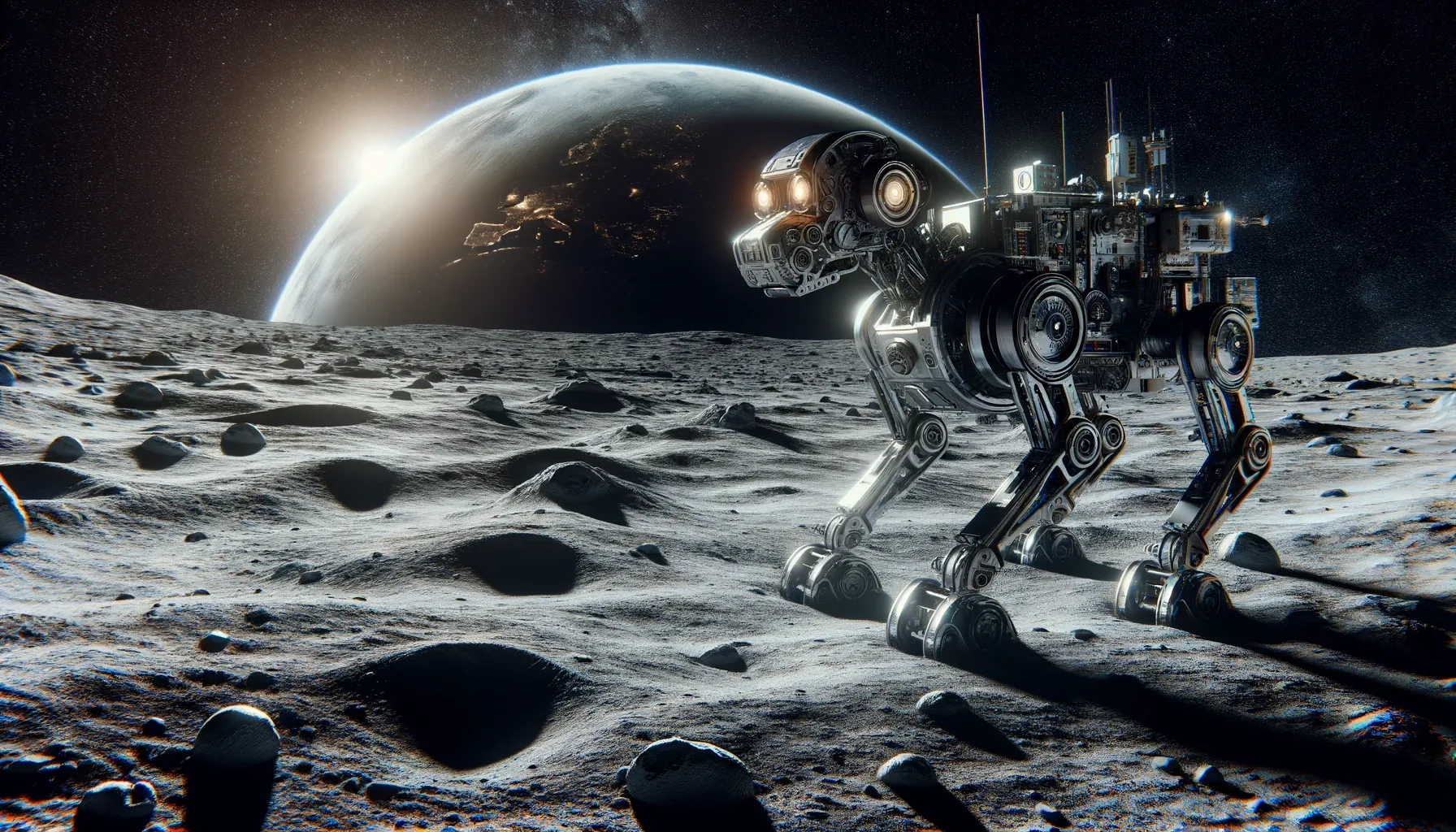
On the Moon, the choice between wheels and legs is really a question about terrain, energy, and mission style.
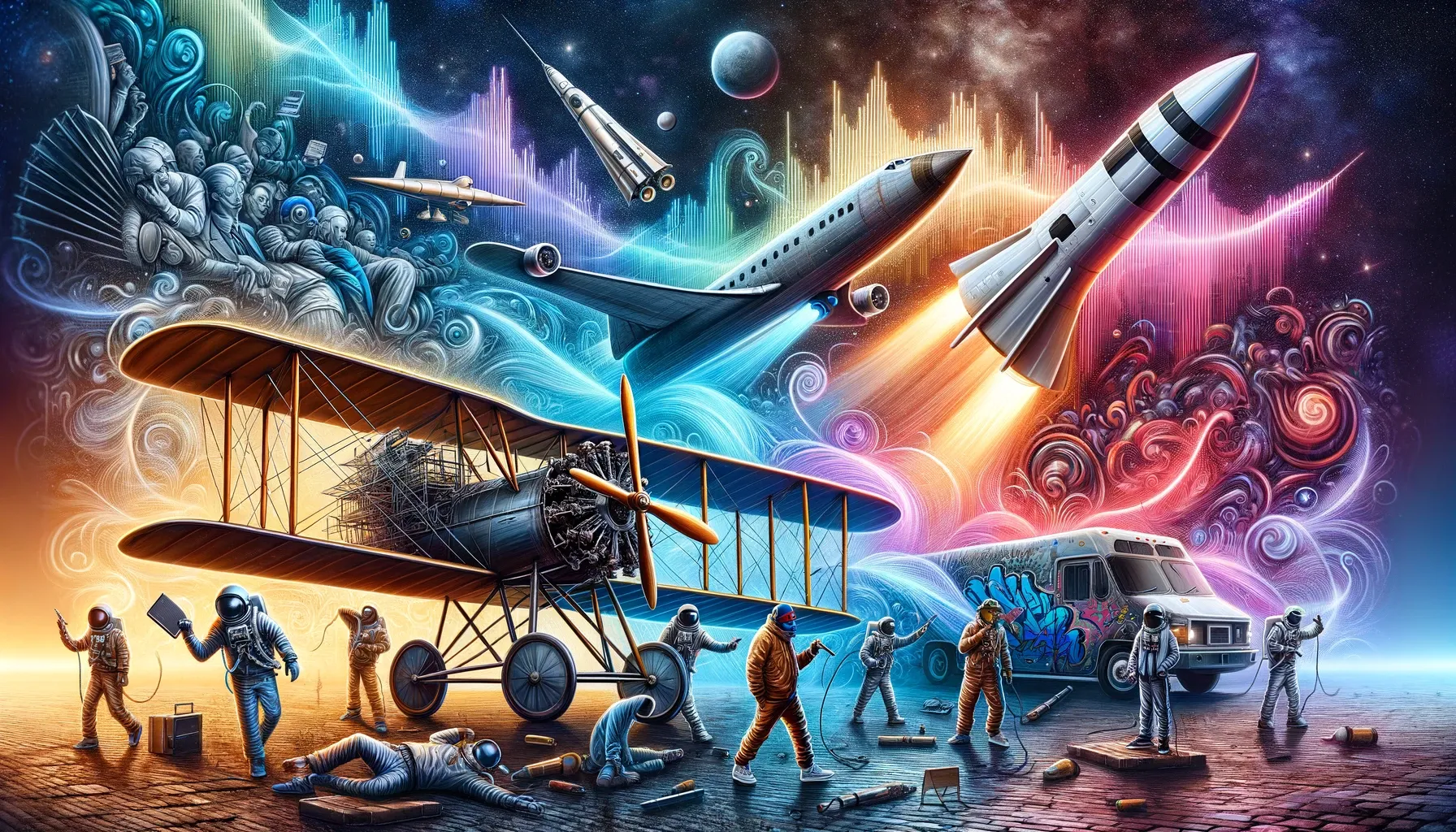
A lyrical detour through space themes, mixing rhythm, technology, and cosmic enthusiasm into something intentionally different.
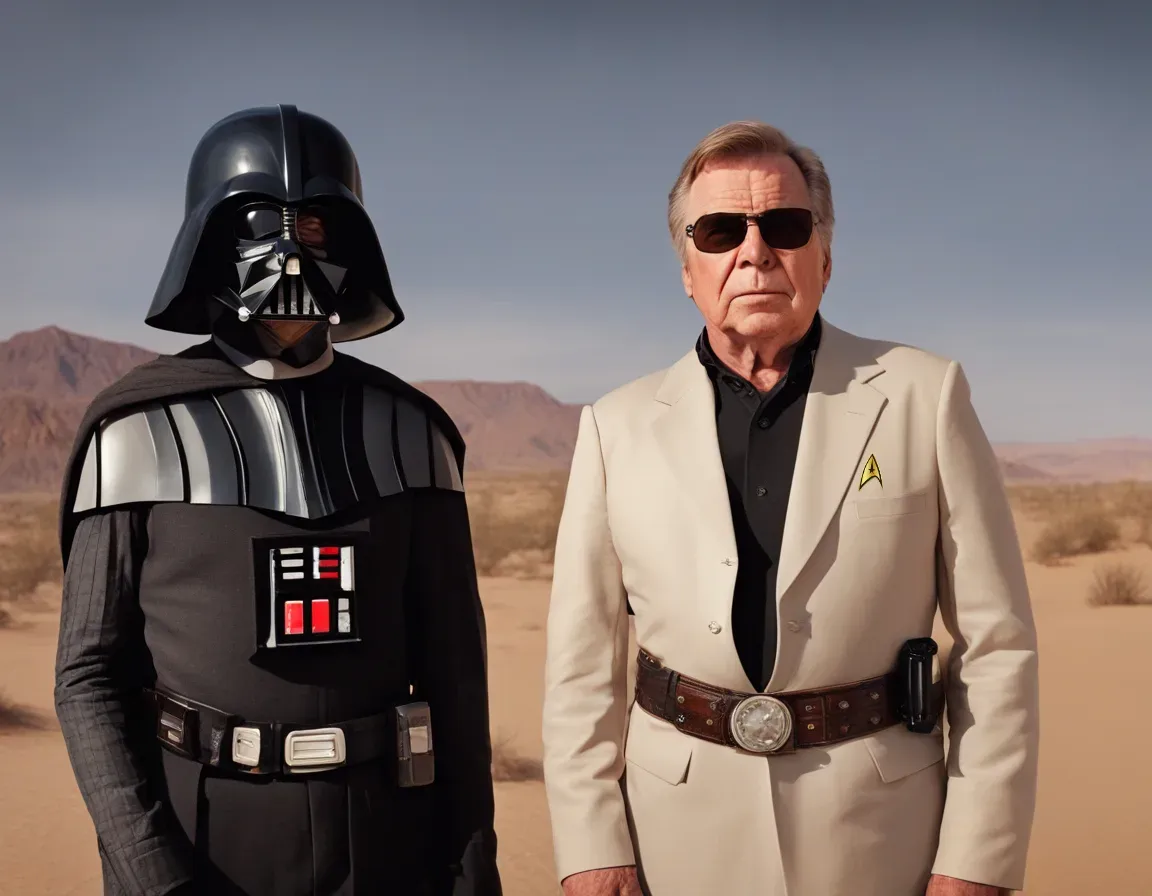
Science fiction battles often avoid obvious tactics because drama, world-building, and physics rarely want the same thing.
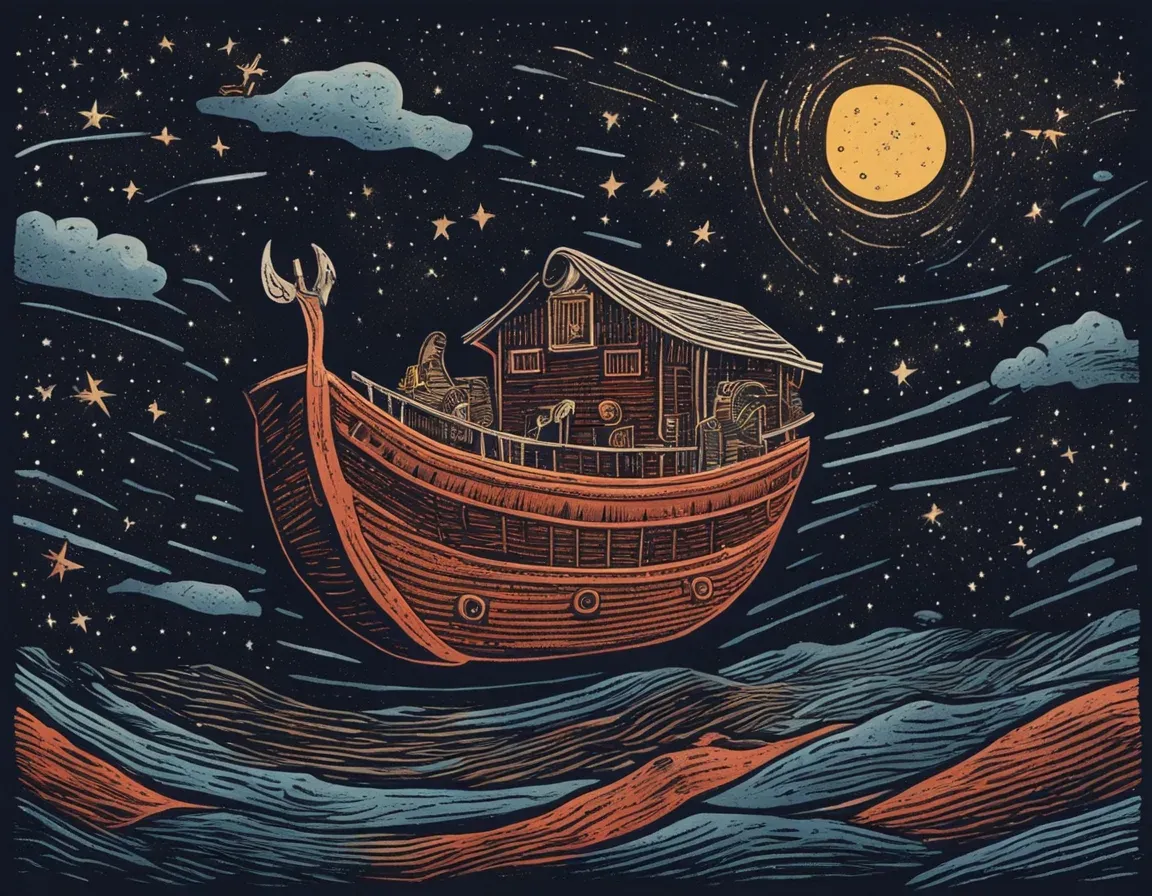
A space ark sounds grand until engineering turns it into a brutal inventory of life-support problems.
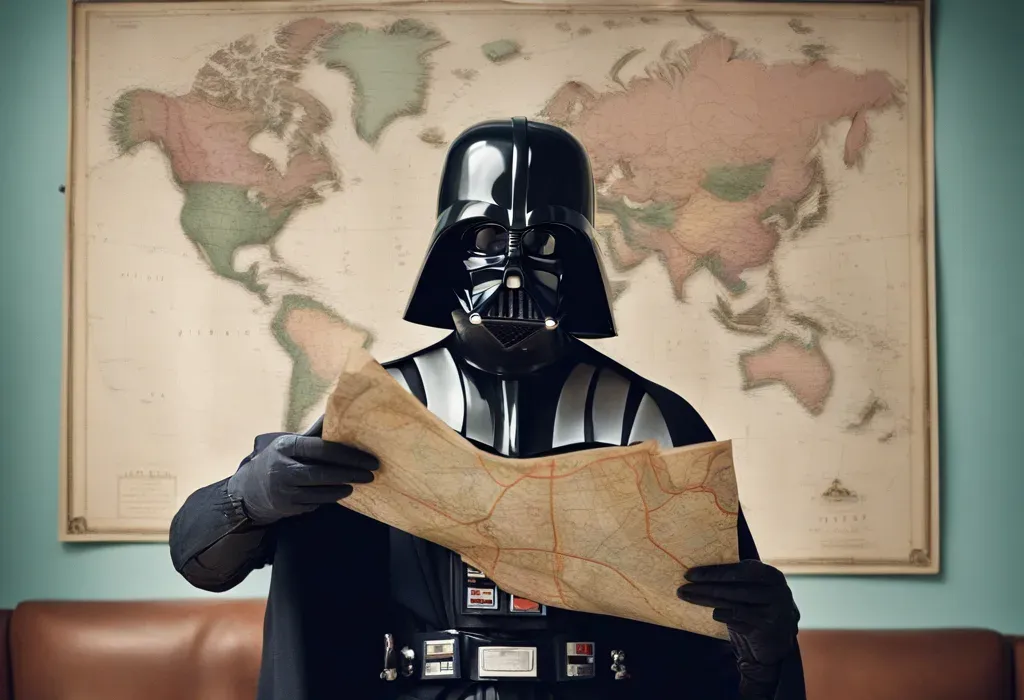
Star trackers, gyros, and accelerometers give spacecraft the ability to know where they are when Earth cannot help.
Interstellar’s black hole drama becomes a gateway into what the film got right, simplified, and made unforgettable.

Dune’s space-folding idea opens a discussion of what physics allows, what fiction needs, and why the dream persists.
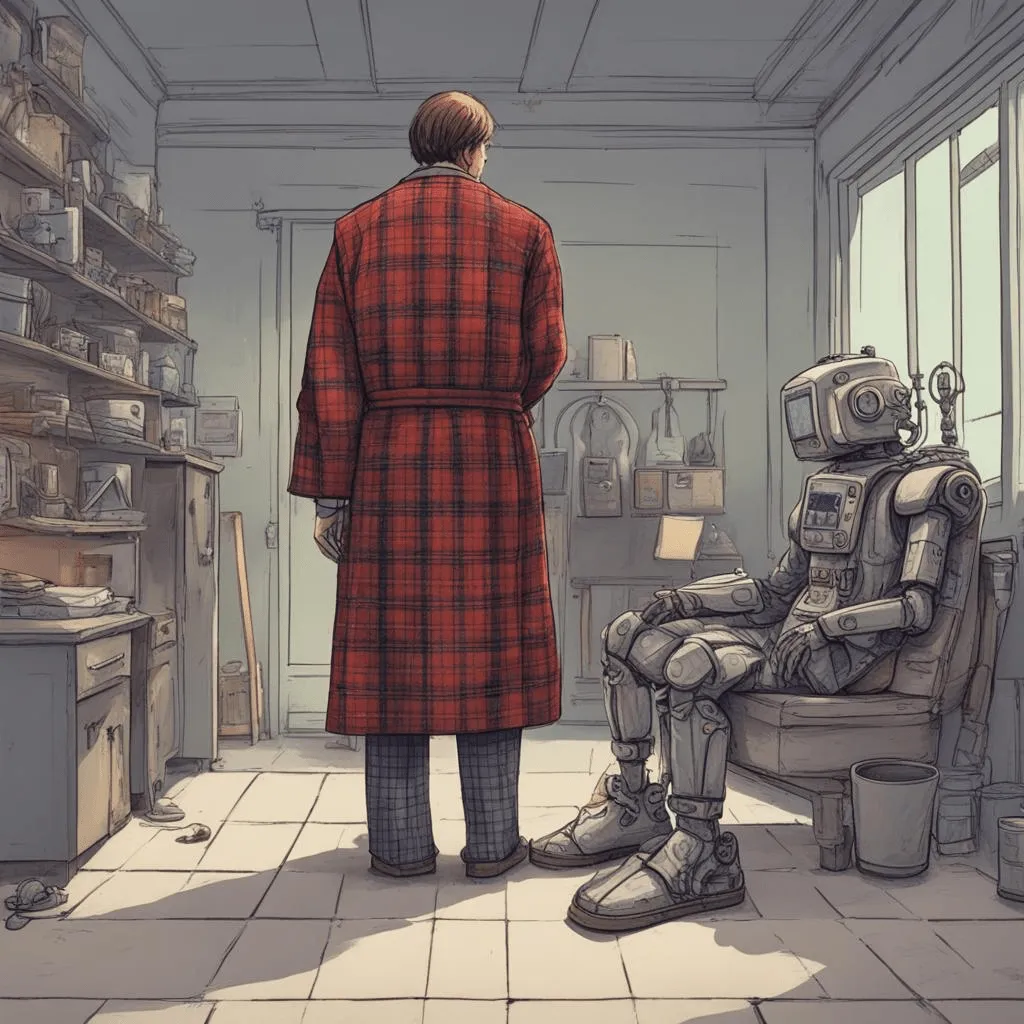
Douglas Adams’ cosmic comedy still works because it treats the universe as both absurd and oddly logical.
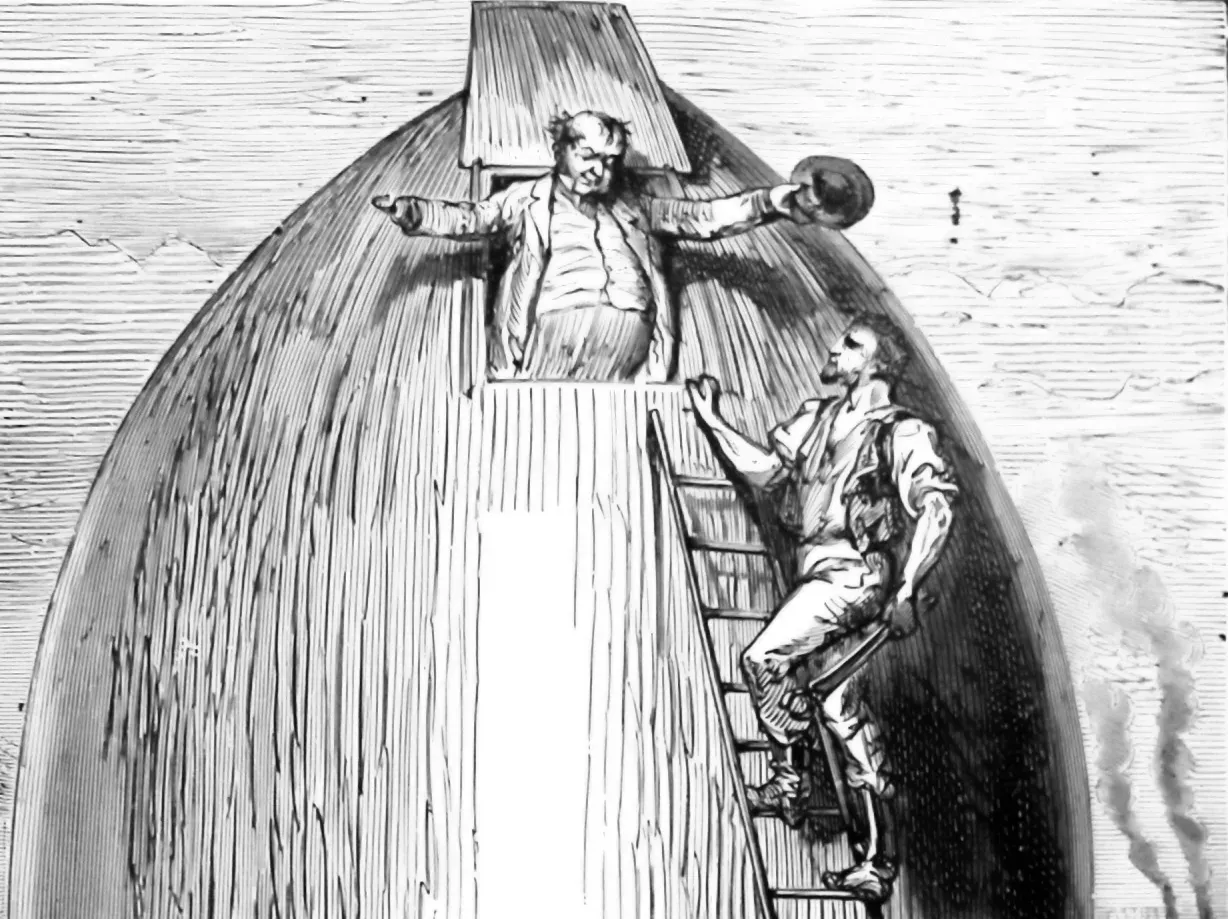
Jules Verne’s Moon voyage was wildly wrong in places and surprisingly insightful in others.
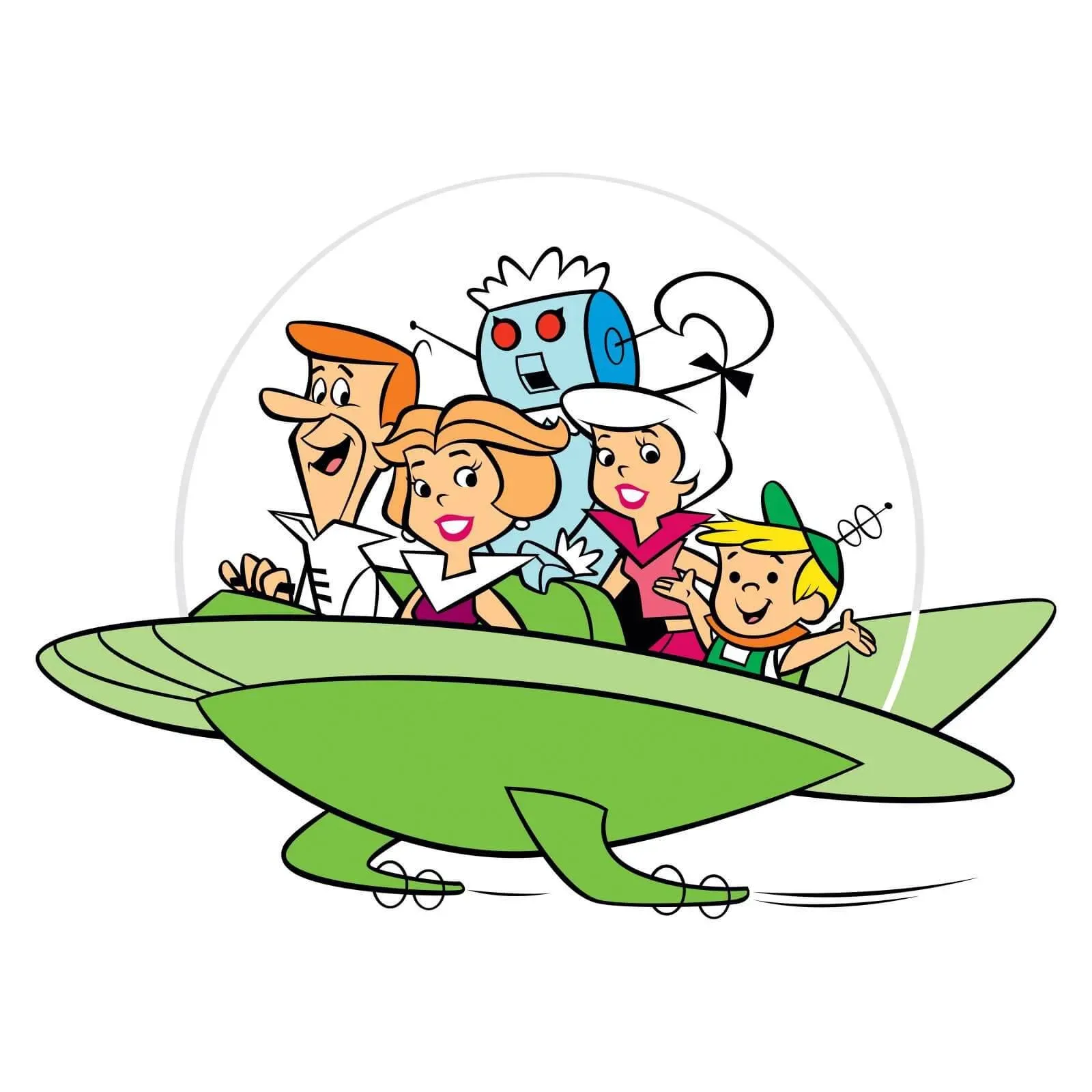
Flying cars keep returning because the dream is simple, while the real world keeps adding traffic, safety, and noise.
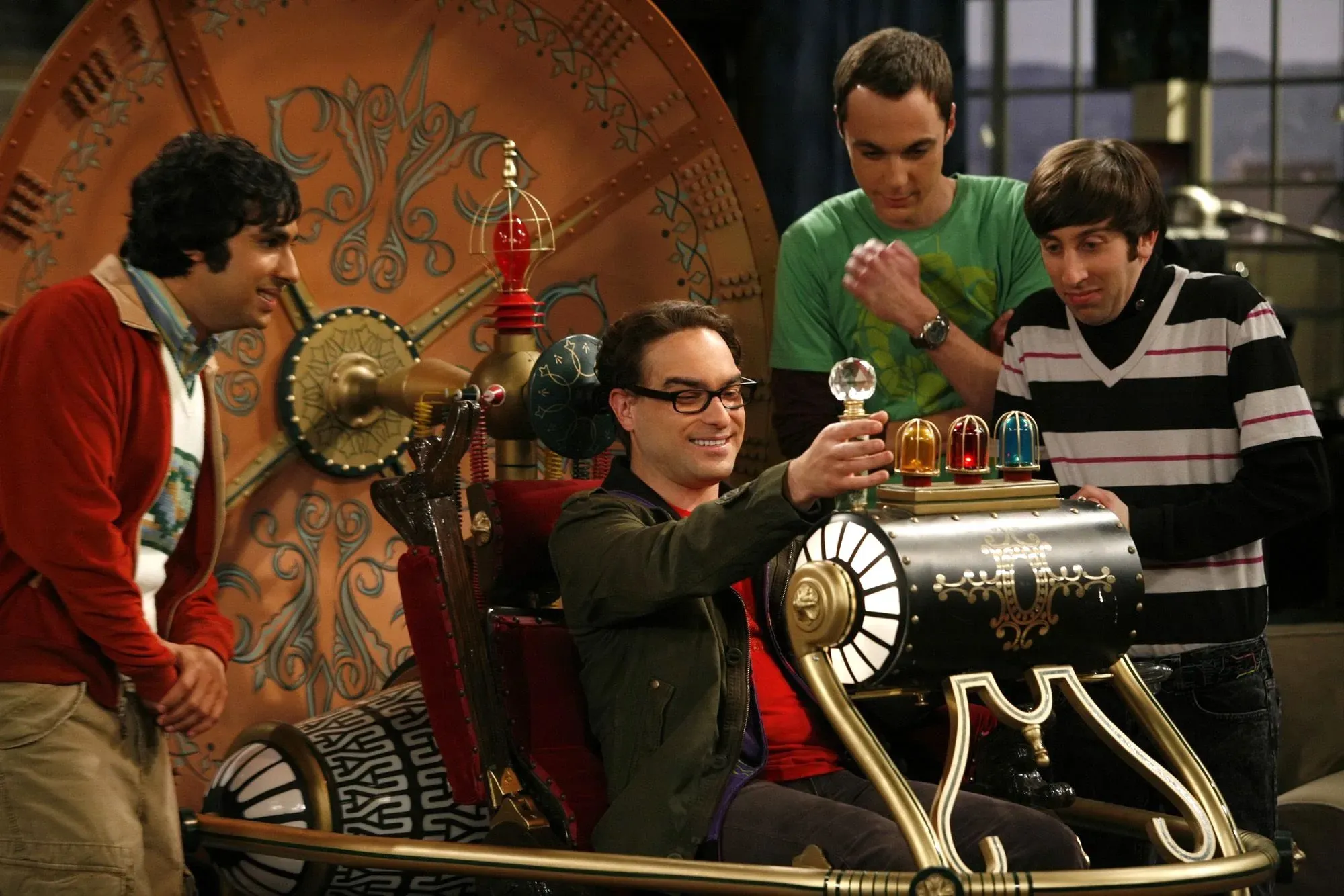
Science fiction gets the future wrong often, but its best predictions reveal something deeper than technical accuracy.
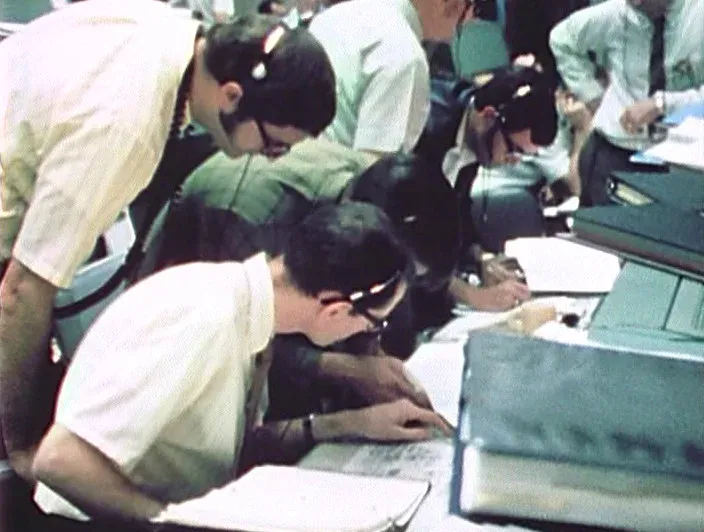
Redundancy is expensive until something fails, which is why space missions treat backups as survival strategy.
Lasers in space have moved from science fiction imagery to practical tools for research, navigation, and communication.
Rocket countdowns and movie bombs share a dramatic grammar that turns waiting into unbearable suspense.
Artificial gravity is a science-fiction staple, but the real engineering is harder, stranger, and less cinematic.
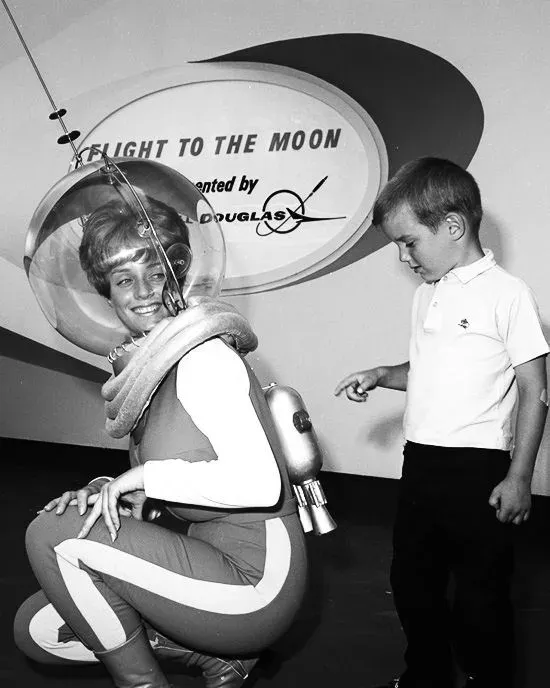
Spacesuits sit at the intersection of survival engineering, public symbolism, design language, and science-fiction expectation.
Relativity is not just a science-fiction flourish; even practical space travel brushes against its subtle effects.
Hollywood’s space stories shape public imagination, sometimes revealing as much about Earthly culture as cosmic travel.
The many Qs of pop culture become a playful route through intelligence, gadgets, power, and space-age storytelling.