
The Internet Archive at Thirty: In Praise of the Untidy Memory of Civilization
Thirty years on, the Internet Archive reminds us that memory is infrastructure, not nostalgia.
12posts
Thirty years on, the Internet Archive reminds us that memory is infrastructure, not nostalgia.
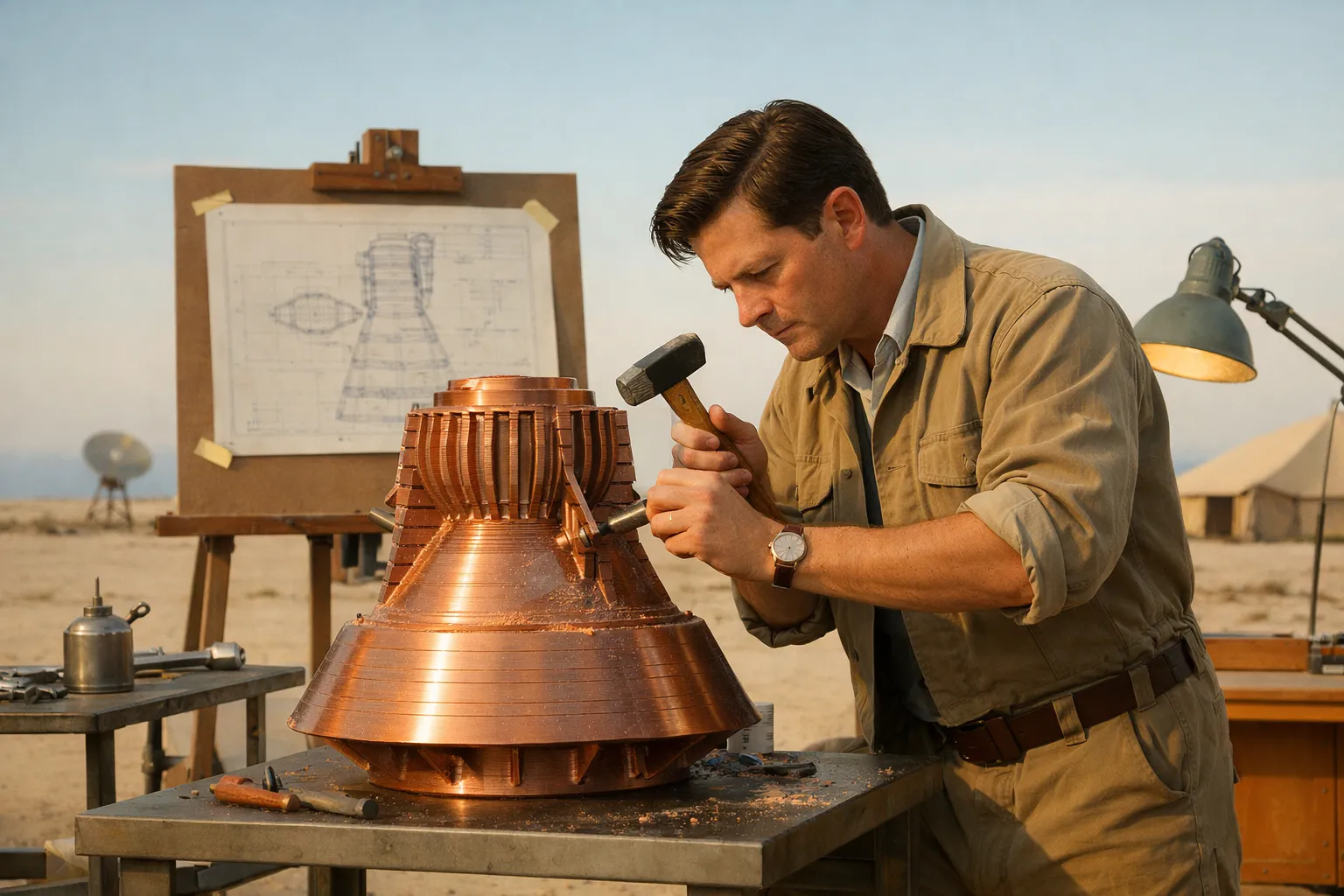
Noyron points toward an engineering future where machines are designed through code, simulation, and computational discipline.

The Hadamard code links deep-space imaging and clever cameras through a beautiful trick of mathematics.

TRON becomes a useful metaphor for understanding why interpreted and compiled languages behave so differently.

Starlink’s short satellite lifetimes are not just a limitation; they are part of a rapid upgrade strategy.
NASA’s Power of Ten rules show how disciplined software habits become survival tools in safety-critical systems.

Star naming sits between romance and reality, where official catalogs and sentimental certificates tell very different stories.
NASA’s use of Unreal Engine shows how game technology can become serious preparation for Mars operations.
NASA’s software catalog offers a practical reminder that space research often leaves useful tools behind for everyone.
From model rockets to launch vehicles, rocket size is really a negotiation among mass, thrust, drag, and purpose.
OpenRocket shows how accessible simulation tools can turn curiosity into real engineering intuition for future builders.
Space computers have evolved from Apollo-era constraints to modern autonomy, but reliability remains the central demand.