
Excuse Me, Is This Orbit Taken?
Space has a personal-space problem. Unfortunately, nobody agreed on the size of the bubble.
19posts
Space has a personal-space problem. Unfortunately, nobody agreed on the size of the bubble.
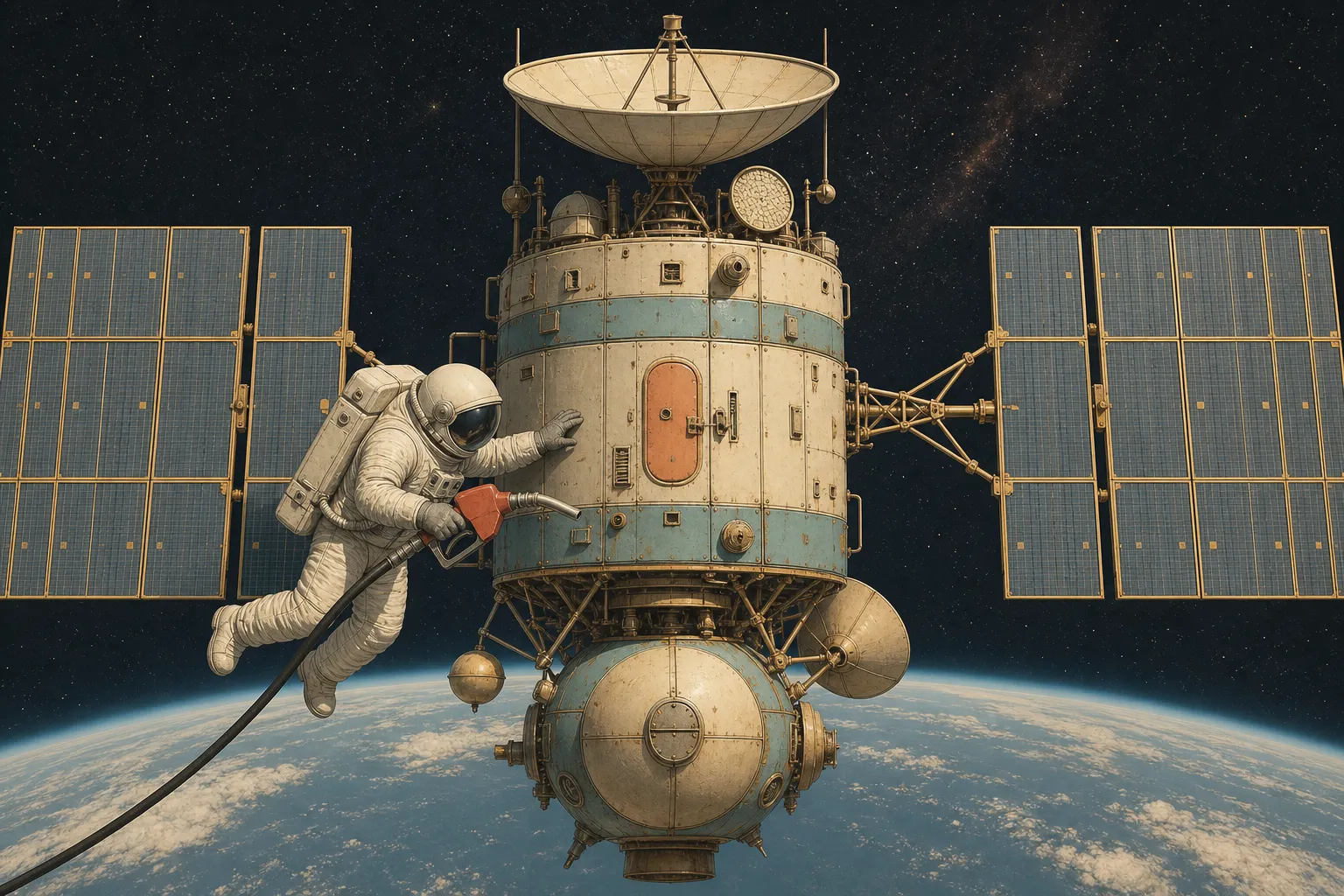
Northrop Grumman’s robotic servicer could extend satellite lifespans, cut waste and costs, but must overcome major technical, legal and economic challenges.

Starlink becomes a case study in why some critics struggle to separate personality, politics, and genuinely useful infrastructure.
A crowded orbital era brings less glamorous problems into view: traffic, debris, coordination, and the cost of success.
Atomic-6’s debris armor points to a less romantic but essential space challenge: surviving the junk already circling Earth.
From Apollo’s radios to modern weak-signal techniques, space communication is a story of doing more with less power.

The X-37B’s latest mission hints at a future where military spacecraft can navigate when GPS is unavailable or denied.
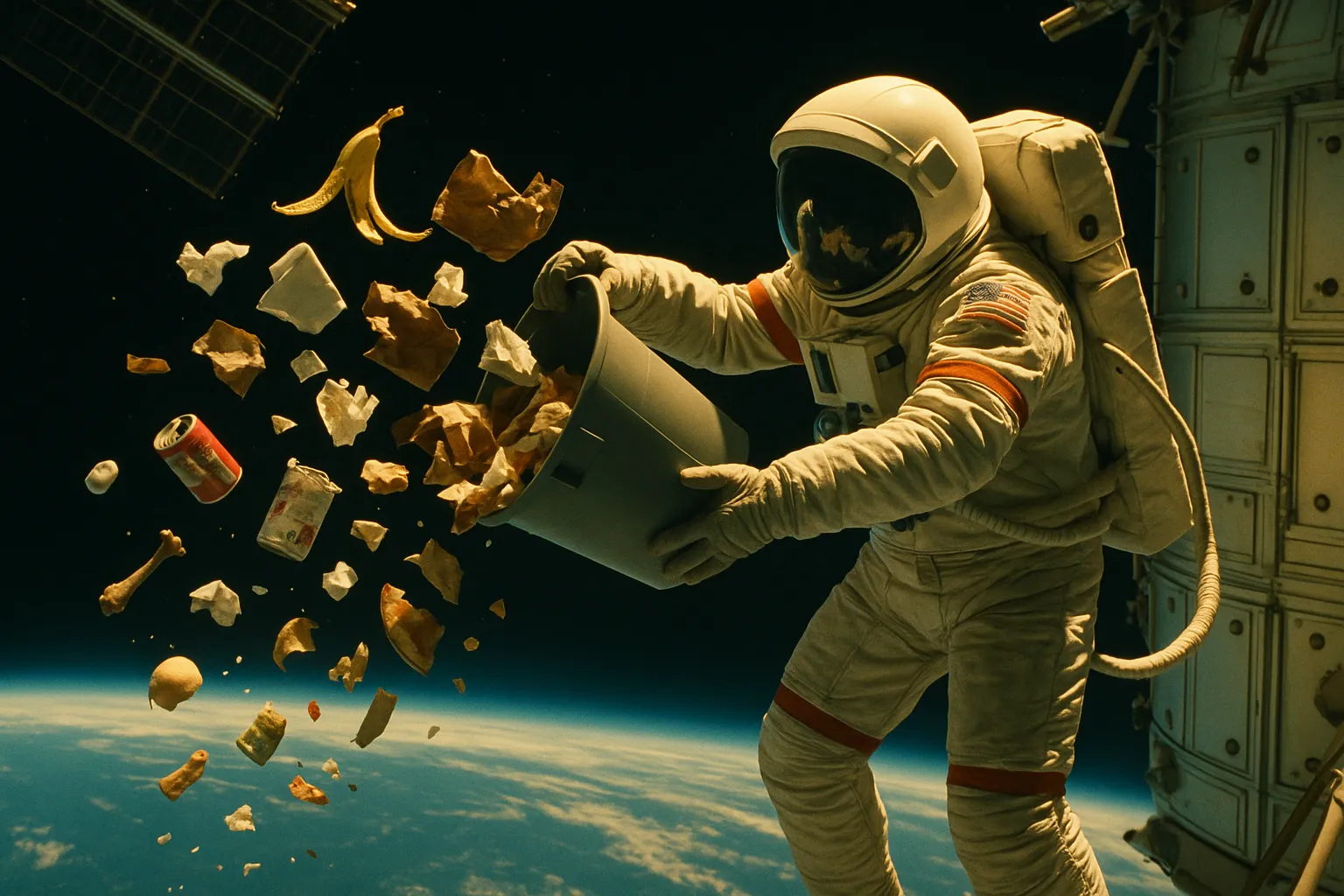
The Kessler effect turns orbital debris from background clutter into a cascading threat to the space age itself.

Starlink’s short satellite lifetimes are not just a limitation; they are part of a rapid upgrade strategy.

Two very different satellites show how space innovation can come from student ambition as well as commercial scale.

Micrometeorites are tiny but dangerous, forcing spacecraft designers to think like armorers in orbit.
Star trackers, gyros, and accelerometers give spacecraft the ability to know where they are when Earth cannot help.
GPS is a space-based timing miracle that quietly depends on satellites, relativity, and constant correction.
NASA’s Deep Space Network is the invisible infrastructure that keeps distant missions talking, and it is under pressure.
Earth-observing satellites quietly shape weather forecasts, disaster response, climate science, and the way we understand our planet.
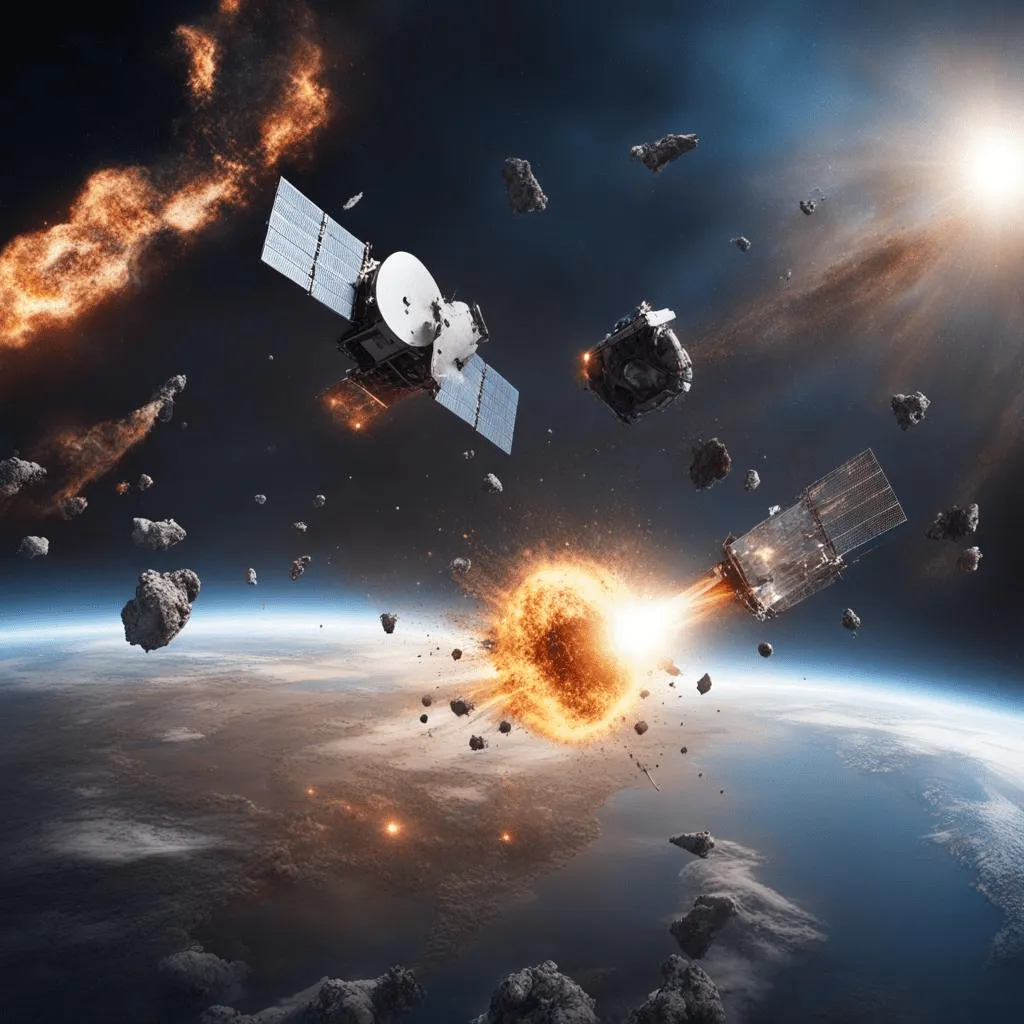
Moving satellites after launch is a practical puzzle of fuel, autonomy, servicing, and orbital traffic management.

Megaconstellations make satellite security more urgent, turning orbital networks into targets as well as infrastructure.

Lagrange points are gravitational sweet spots where spacecraft can linger, observe, and do remarkable work.
Amateur radio connects students, operators, and astronauts, proving that space communication can still feel personal.