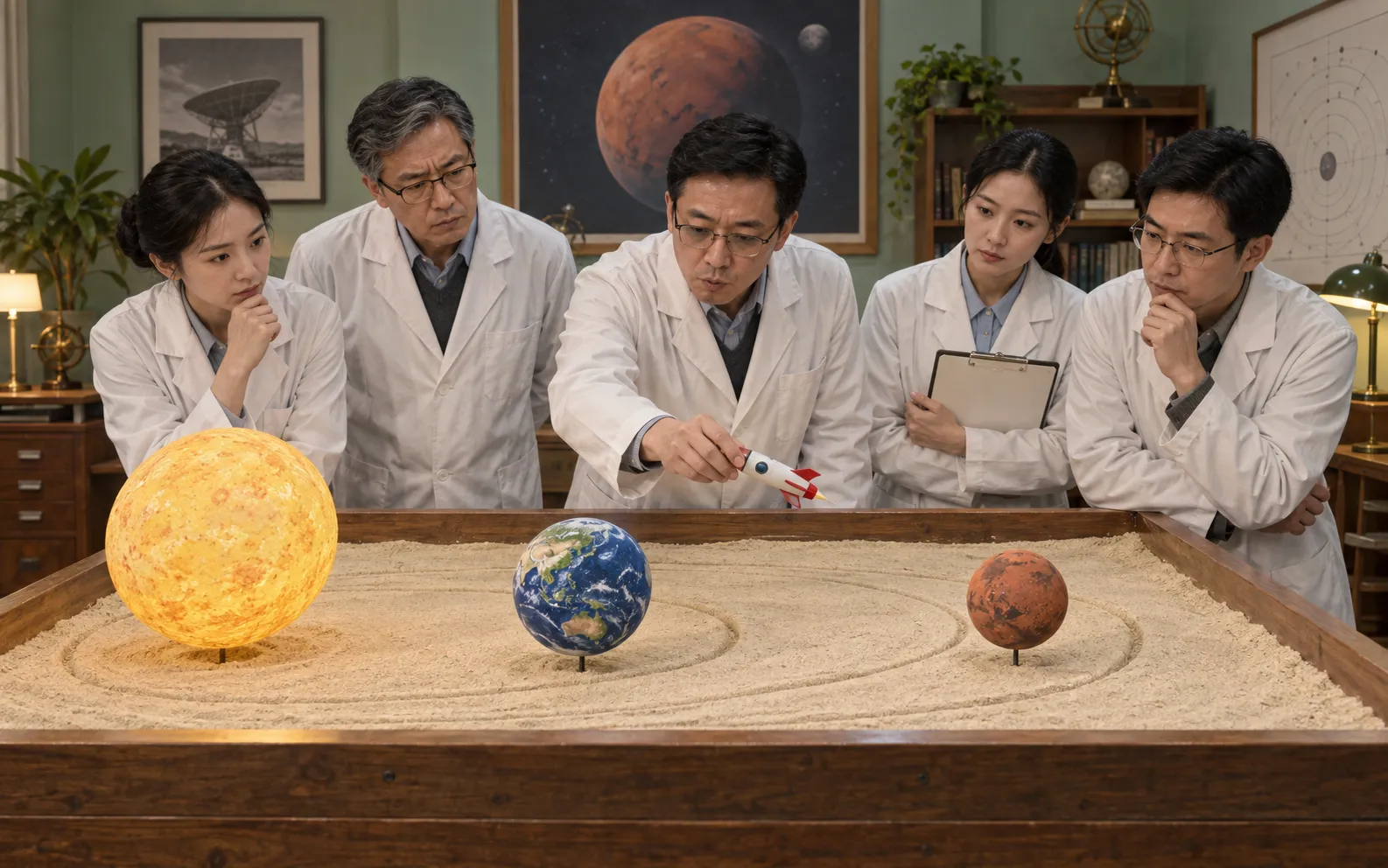
The Great Martian Maybe
The new Mars race promises prestige, science, and plenty of intriguing hints. Who benefits, what needs sterilizing, and will anyone actually find evidence of life?
19posts
The new Mars race promises prestige, science, and plenty of intriguing hints. Who benefits, what needs sterilizing, and will anyone actually find evidence of life?
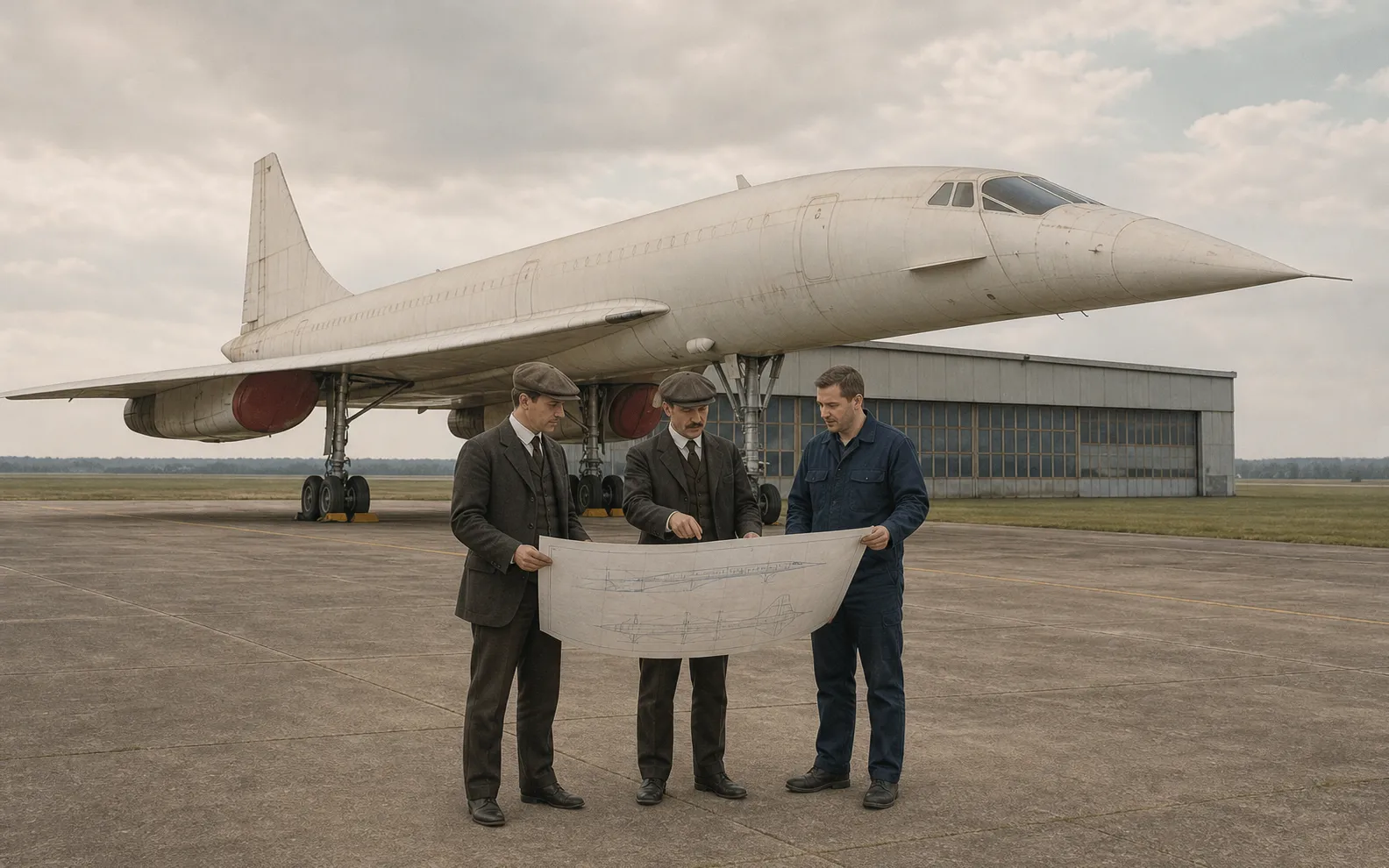
Progress is not permanent: from Concorde and Apollo to ancient machines, human capabilities vanish when industries, skills and institutions stop sustaining them.
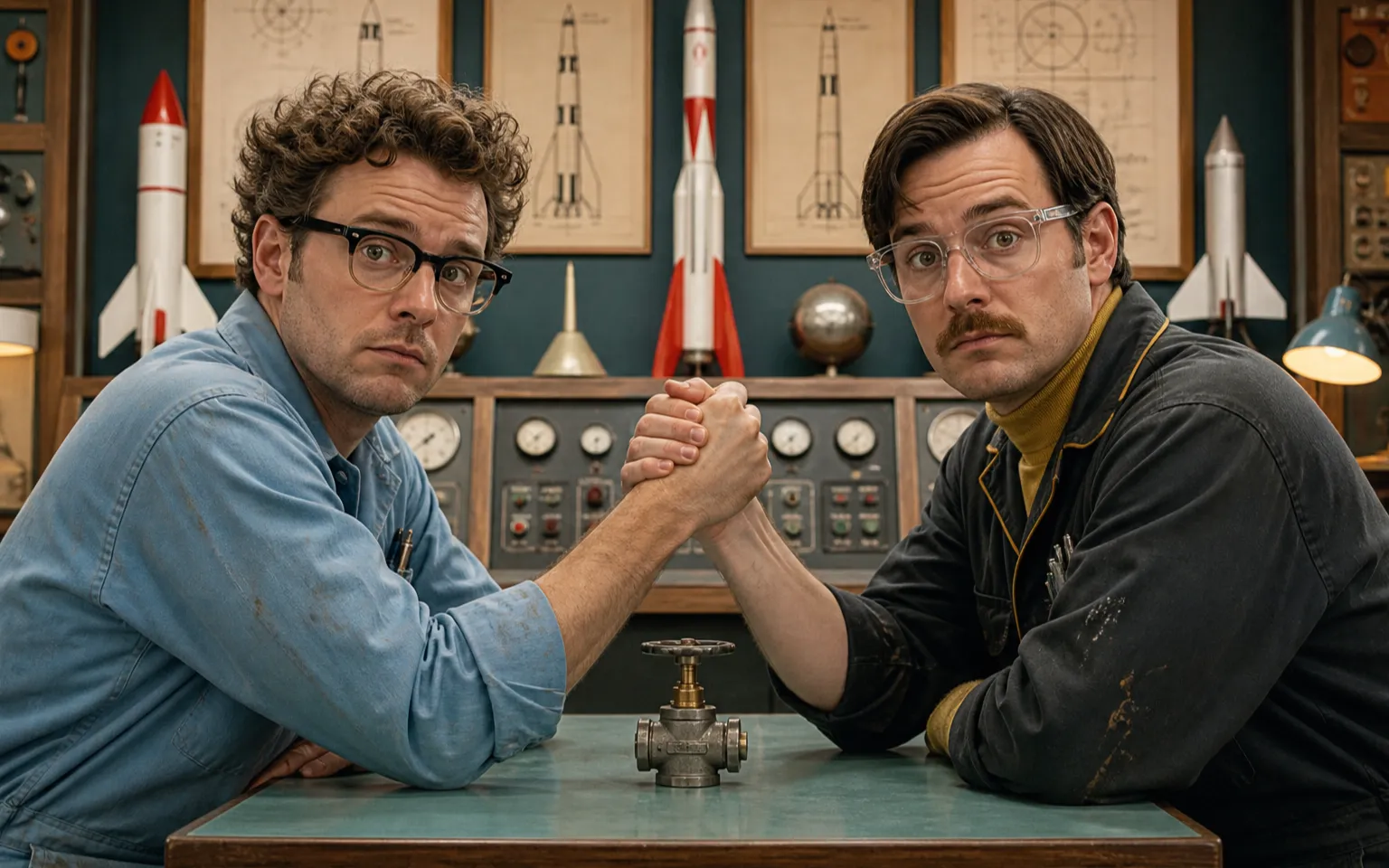
Musk’s support for Blue Origin shows that space rivalry is not hatred: shared setbacks, resilient competition and hard-earned learning move humanity forward.

Can Starship Flight 13 lift SpaceX’s valuation as well as its ambitions? A look at Starlink, orbital AI, Mars—and market expectations.

Small nuclear reactors may power the AI age, while Germany’s nuclear taboo risks turning an industrial nation into a spectator of its own future.

Europe should test Tesla FSD with rigor, not ritual: road safety needs evidence, transparency and lawful authority, not NGOs mistaking advocacy for approval.
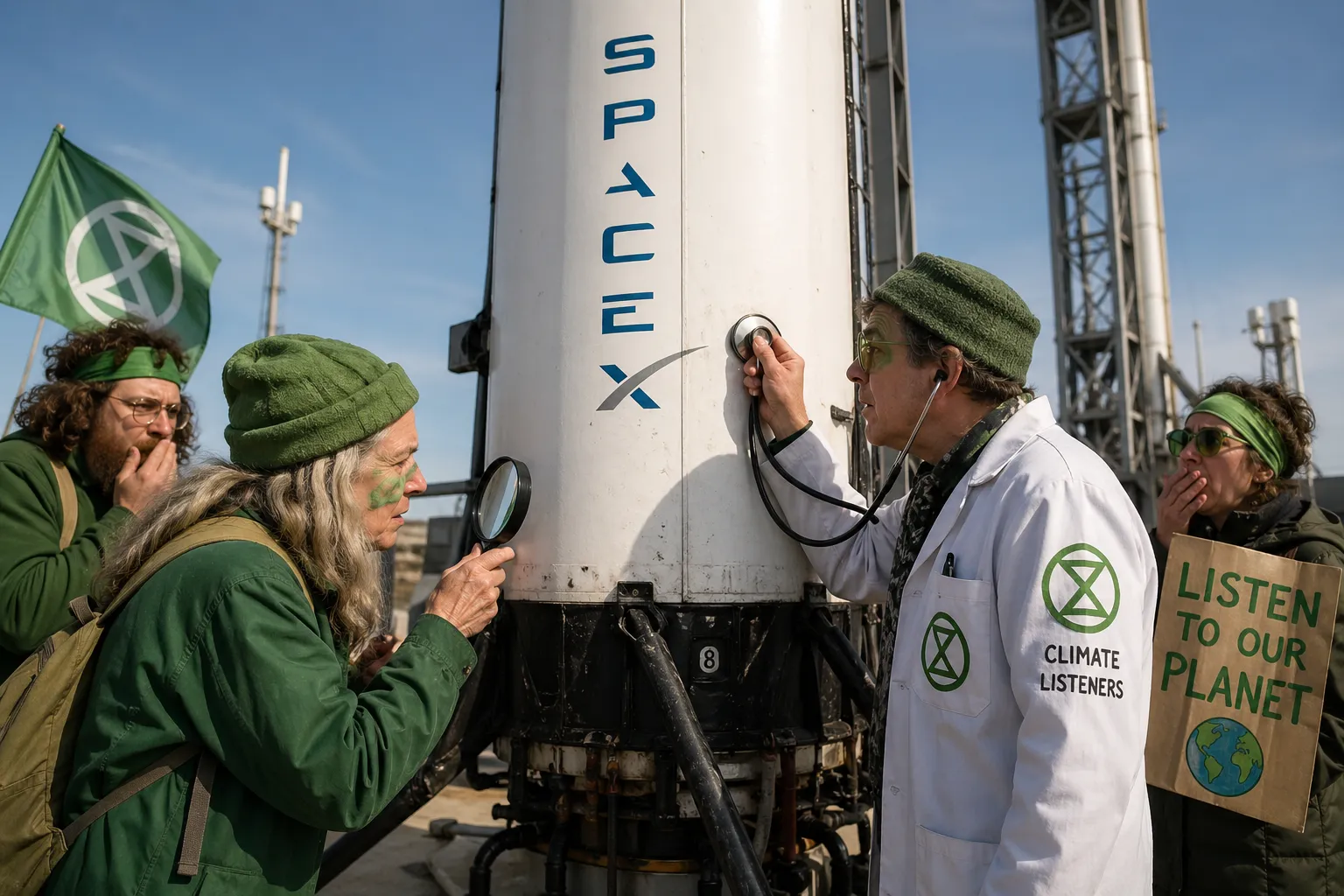
A sharp essay on why useful disruption can provoke more hostility than failure, especially when Elon Musk is involved.
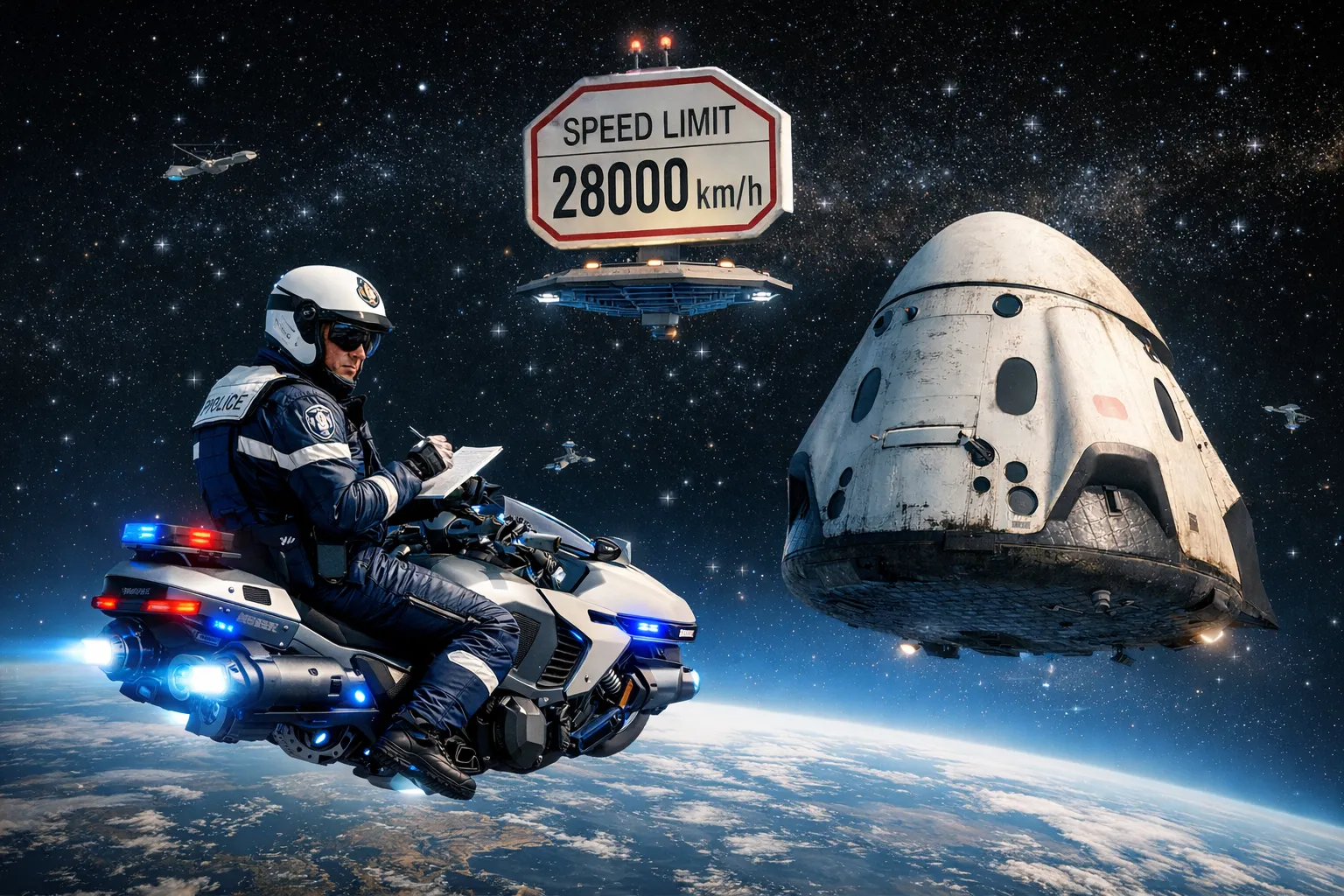
Europe’s caution in space may protect missions, but it could also slow the continent out of the next industrial race.

A breach at ESA shows why space infrastructure now has to be defended as seriously as rockets and satellites.
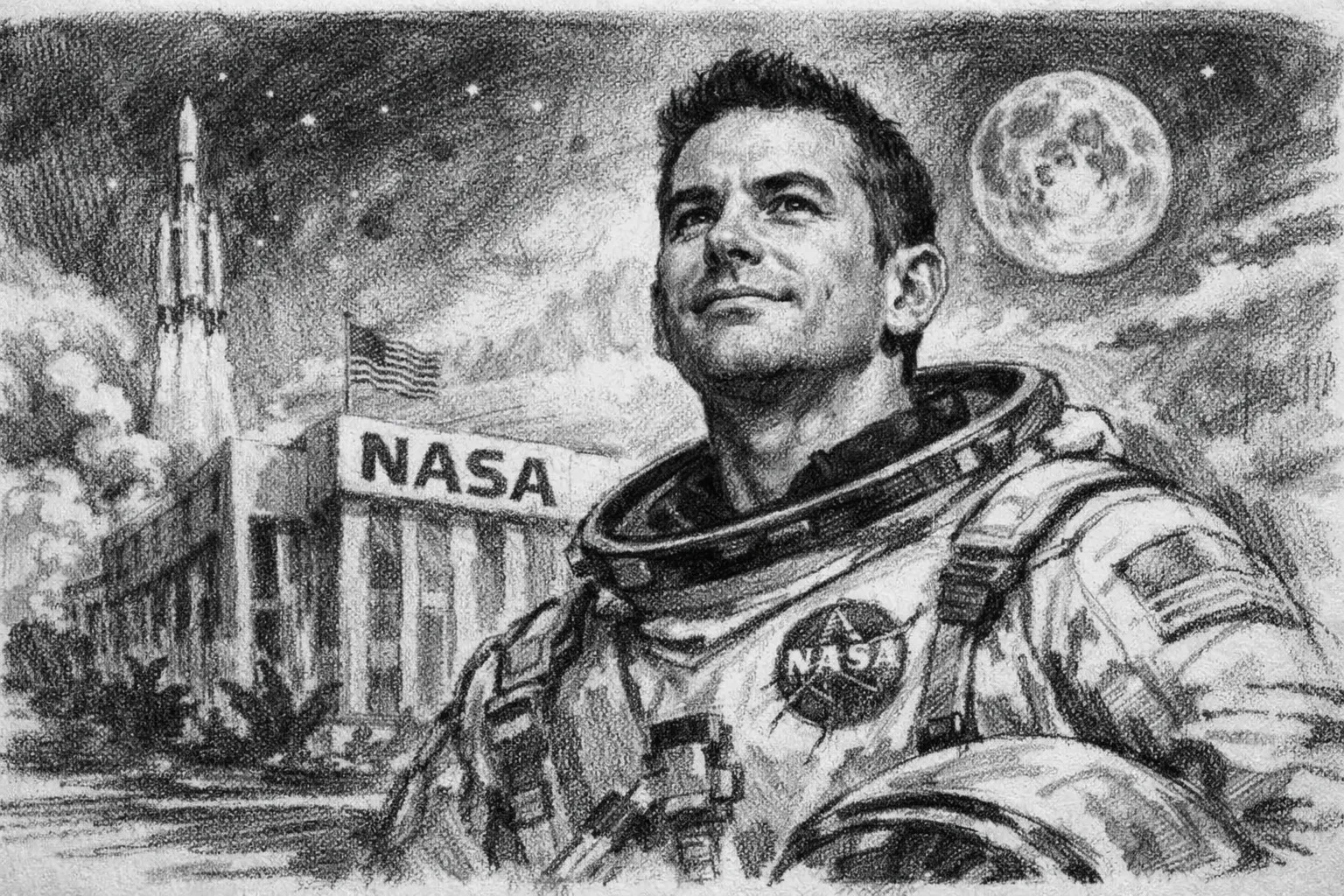
Jared Isaacman’s arrival at NASA signals a possible shift in how public ambition and private speed meet in space.
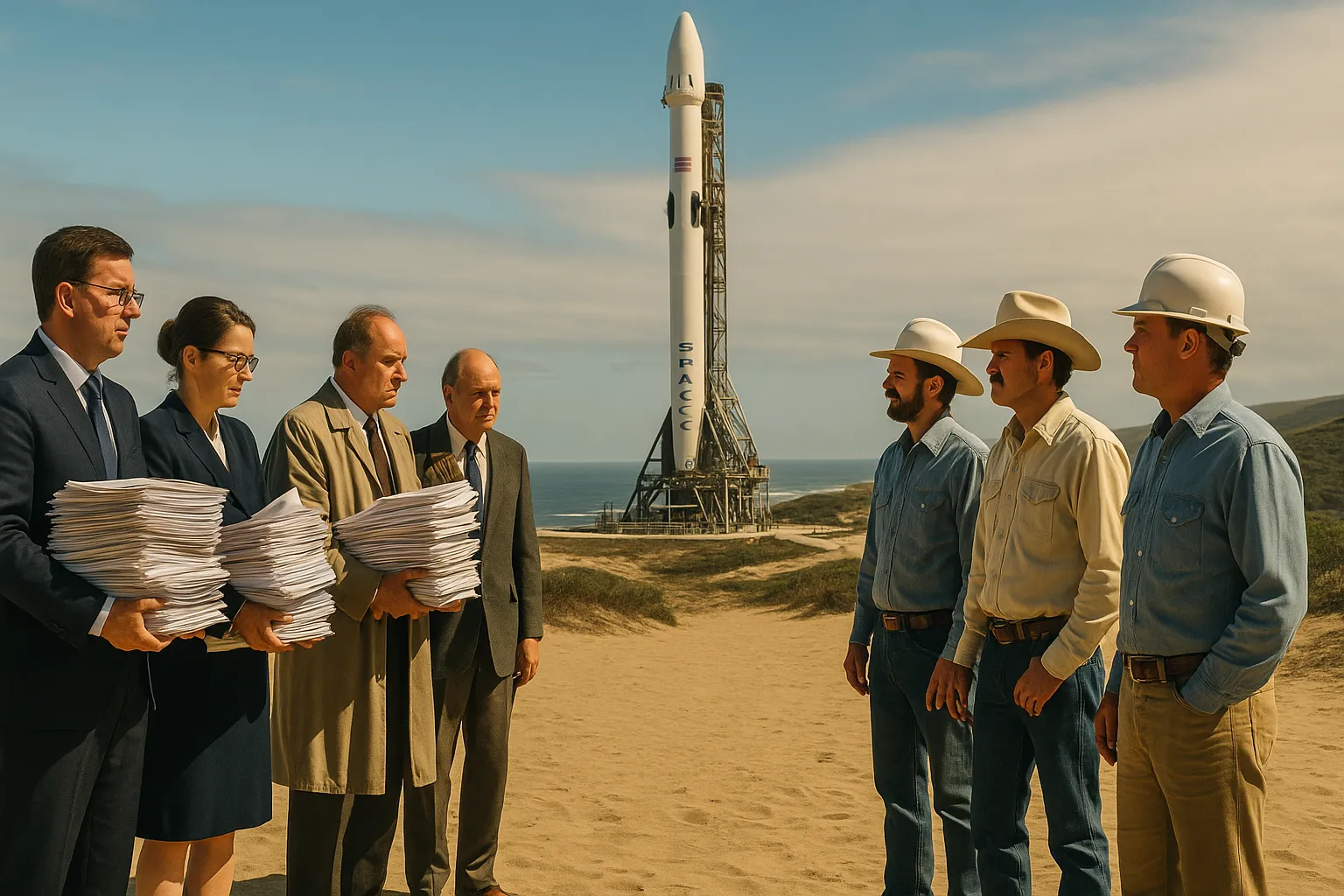
As space becomes commercial and crowded, Europe and America are beginning to argue over who gets to write the orbital rulebook.
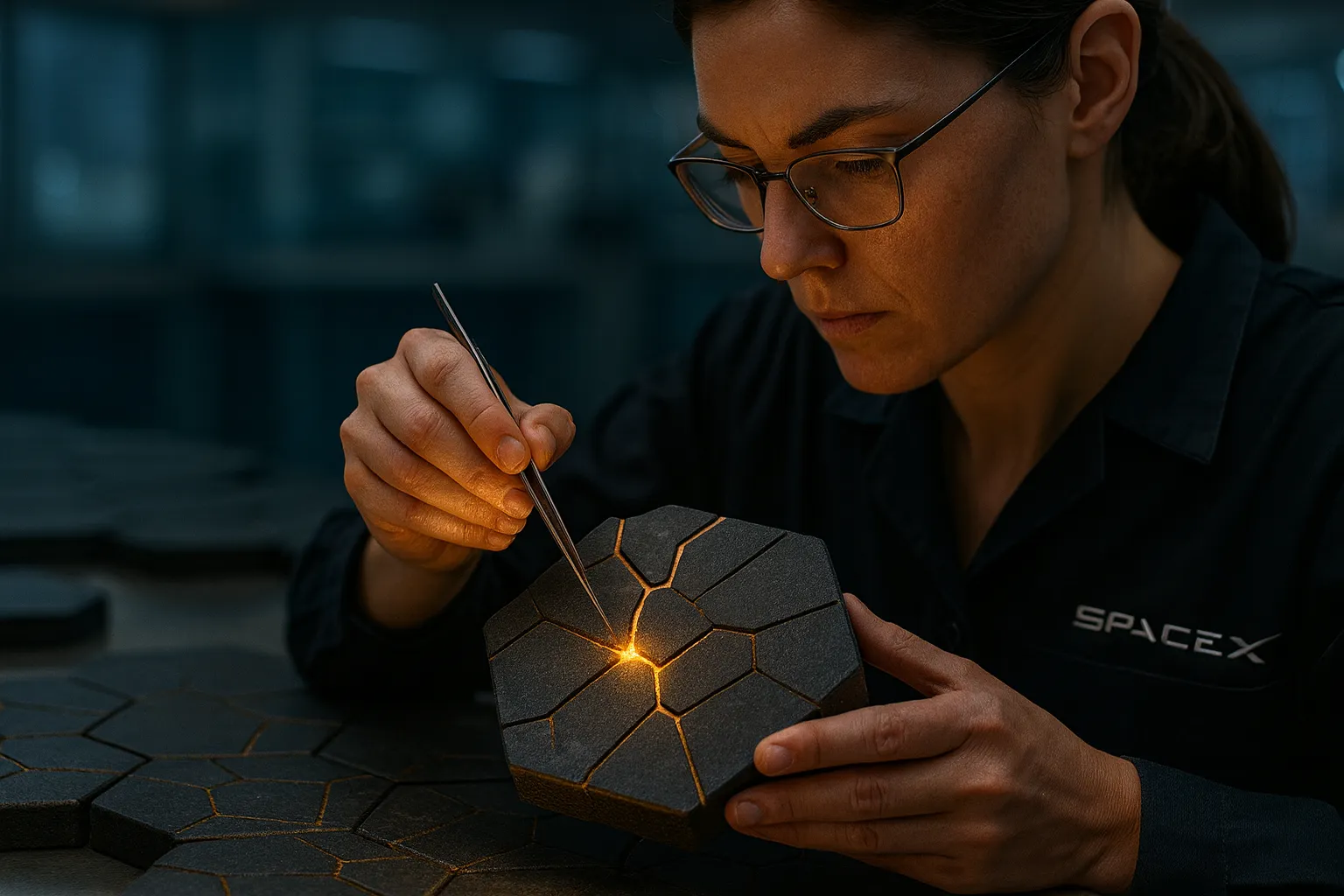
A defense of SpaceX’s messy progress, arguing that broken test flights can become part of the design’s strength.

America’s commercial space policy is becoming a global competition strategy, not just an industry support program.

Big science projects can become hard to stop, even when evidence says it is time to rethink the mission.

A combative look at why established industries react so strongly when Musk’s companies move faster than expected.

The FAA’s role in launches raises a hard question: when does safety oversight become a brake on space progress?

Space law is moving from abstract treaty language toward urgent questions about ownership, liability, and commercial behavior.
SpaceX’s hiring culture offers clues about how young engineers can prepare for aerospace work that moves fast.
NASA mission operations offer practical principles for excellence that reach beyond control rooms into everyday work.