
Gravity Has Rejected Your Pull Request
Rockets evolve like software: simulated, tested and revised. Digital twins accelerate development, while gravity remains stubbornly immune to persuasive prompts.
38posts
Rockets evolve like software: simulated, tested and revised. Digital twins accelerate development, while gravity remains stubbornly immune to persuasive prompts.

Isar Aerospace reaches orbit, giving Bavaria a reason to cheer and Europe a reminder that rockets need ambition, engineering—and a manageable amount of paperwork.

Ship 40’s tow to Christmas Island turns a remarkable Starship recovery into a witty story of engineering, espionage and high-stakes salvage in the Indian Ocean.

For 60 years we’ve reached orbit on chemical rockets — controlled chaos transmuted into mach diamonds. Stunning when they work, devastating when they fail.
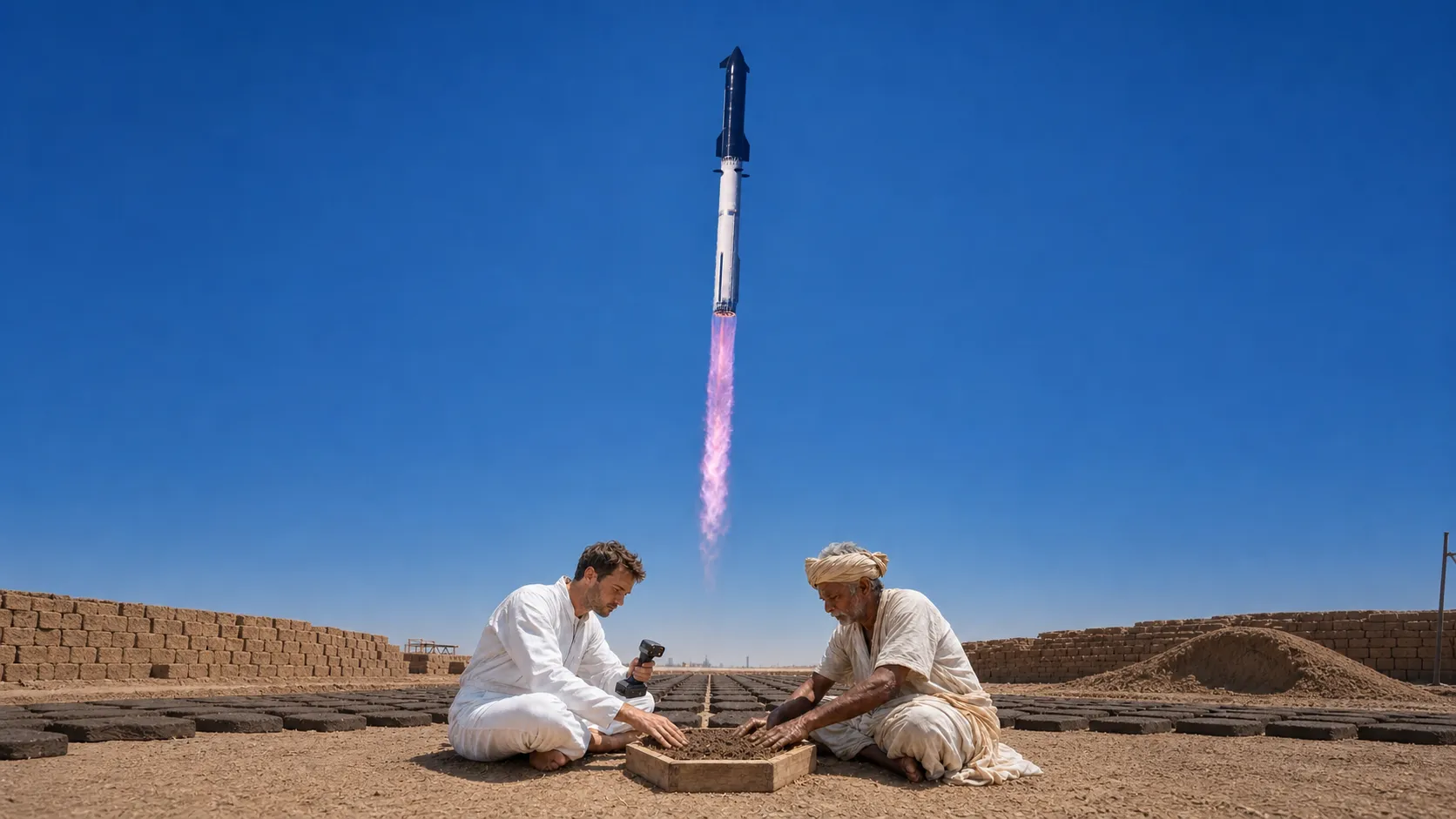
Flight 13 exposed Starship’s heat-shield challenge. A break-even model shows when tile repairs, turnaround and payload make reuse beat expendable rockets.

Starship 13 deployed 20 real satellites, restarted a Raptor and landed intact; Super Heavy nailed ascent and boostback, though its final splashdown was hard.

On August 5, the Moon is expected to receive four tonnes of human engineering at 2.43 kilometres per second. No signature will be required.

Private space is messy, loud, and sometimes explosive. But without it, the Moon would be mostly rhetoric and Mars a screensaver.

A clear look at why SLS and Starship represent two very different rocket philosophies, from propellant choice to reuse.

Starship’s heat-shield troubles show why building reusable spacecraft is less about perfection than learning faster than failure.
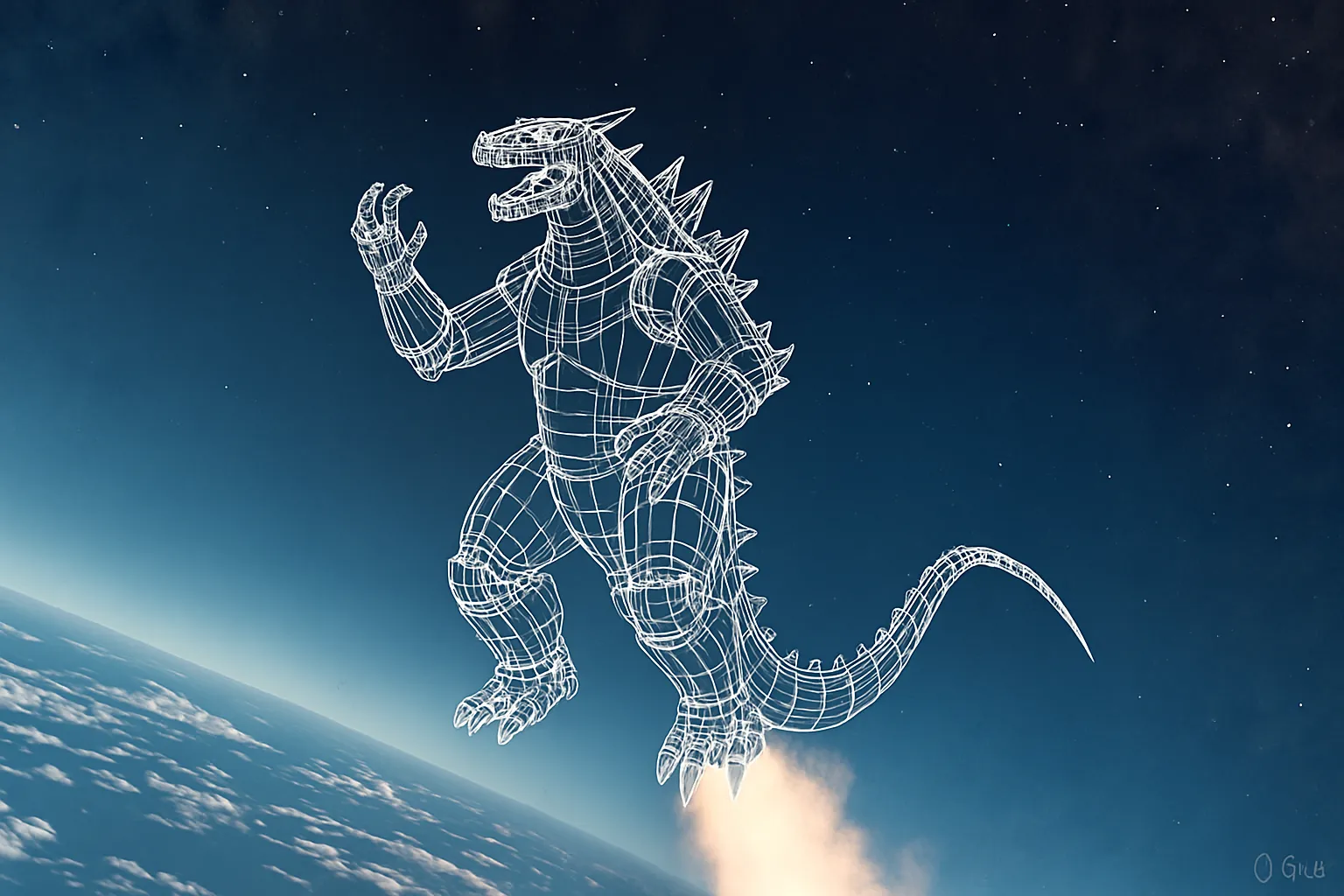
Starship Flight 11 becomes a bridge between today’s test campaign and the larger ambitions of the V3 architecture.

Starship Flight 10 shows how SpaceX turns dramatic failure modes into data for the next design iteration.

A small buoy in the Indian Ocean becomes an unexpected witness to Starship’s increasingly precise flight-test choreography.
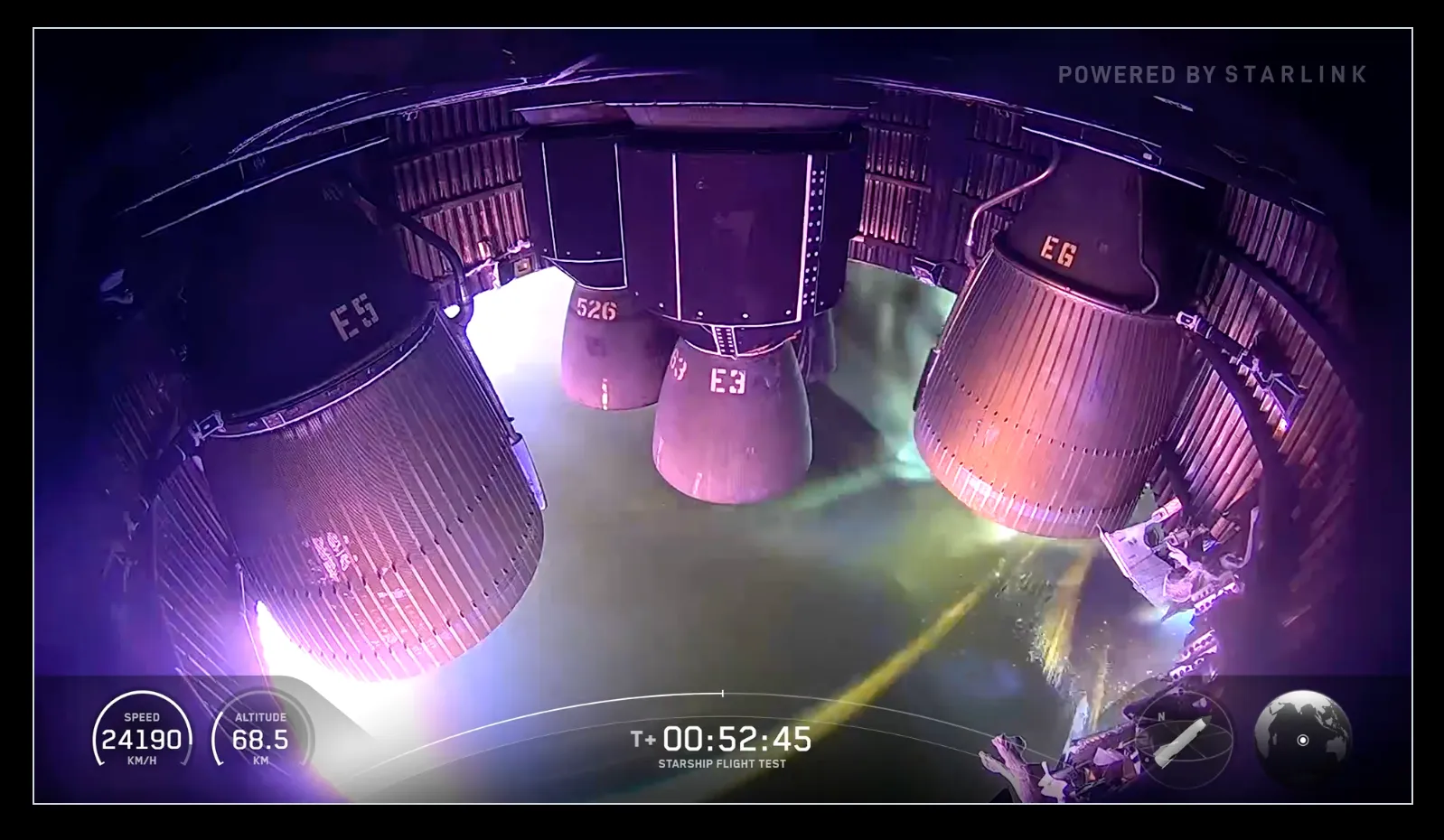
Starship Flight 10 combines major milestones with one odd airlock moment that makes the test especially worth unpacking.
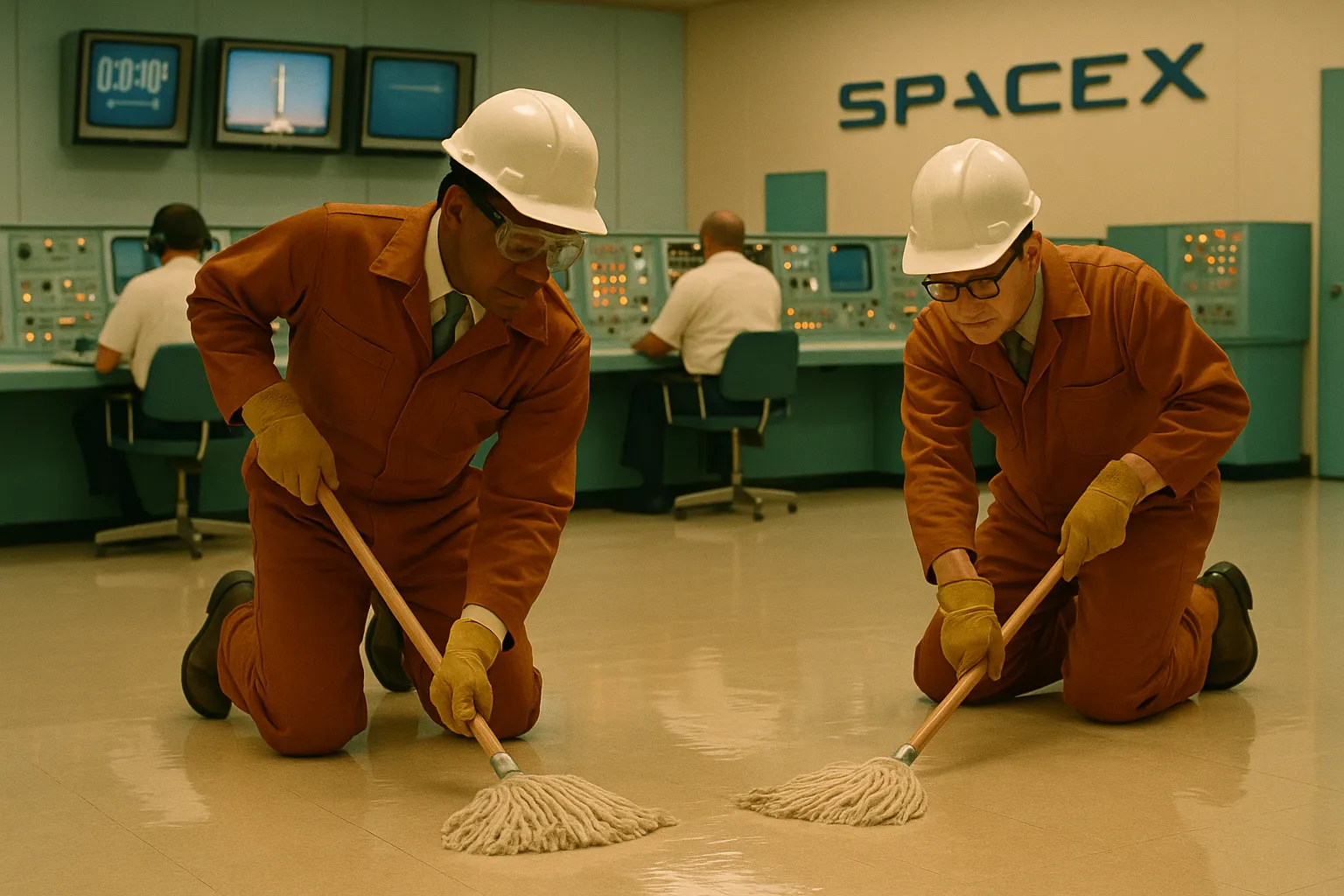
A second look at Starship Flight 10 weighs spectacle against substance, asking what the test really proved.
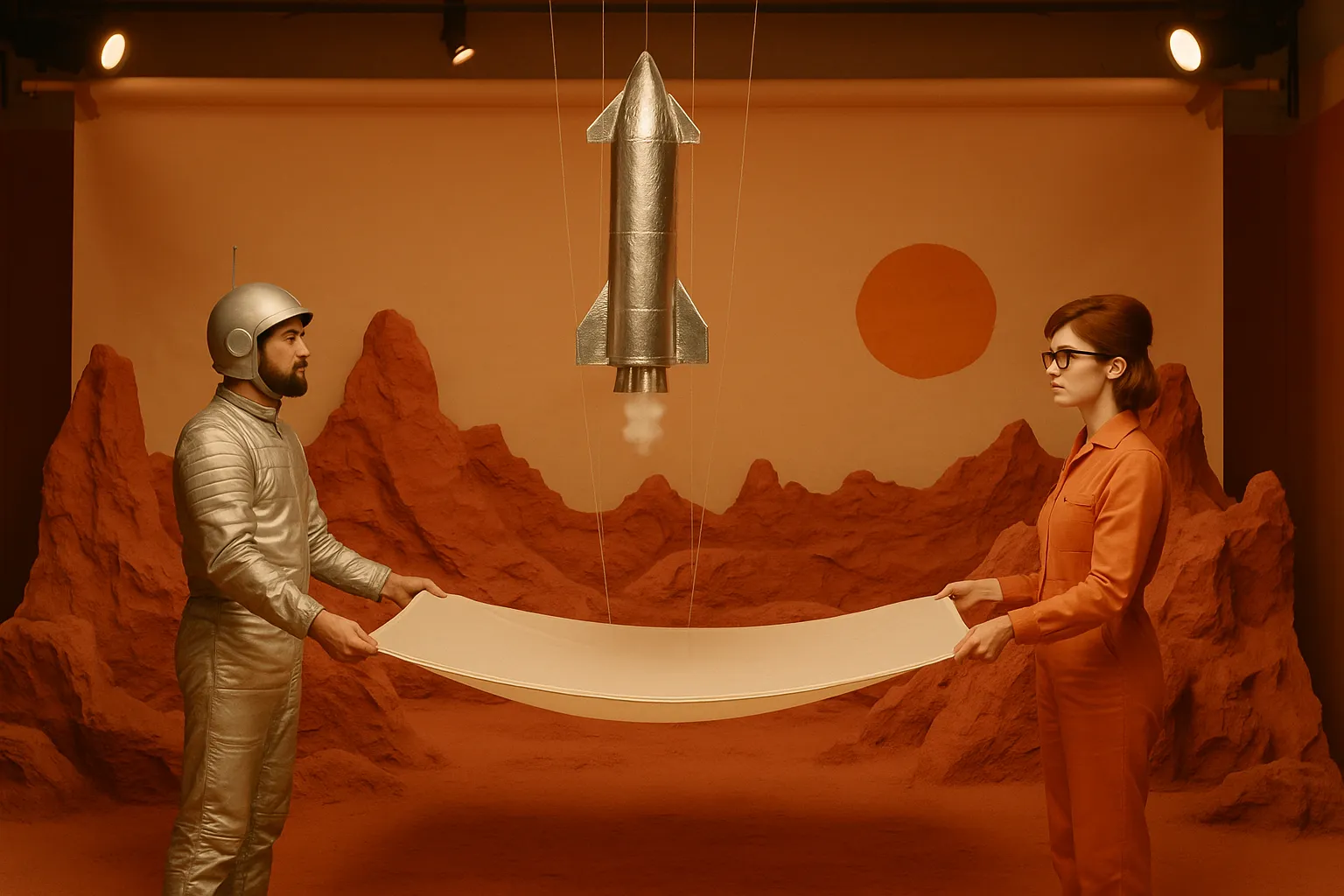
Landing Starship on Mars will not need launch-tower chopsticks, but it will demand a very different kind of precision.

Honda’s rocket ambitions suggest that precision manufacturing may travel farther than anyone expected from the automotive world.
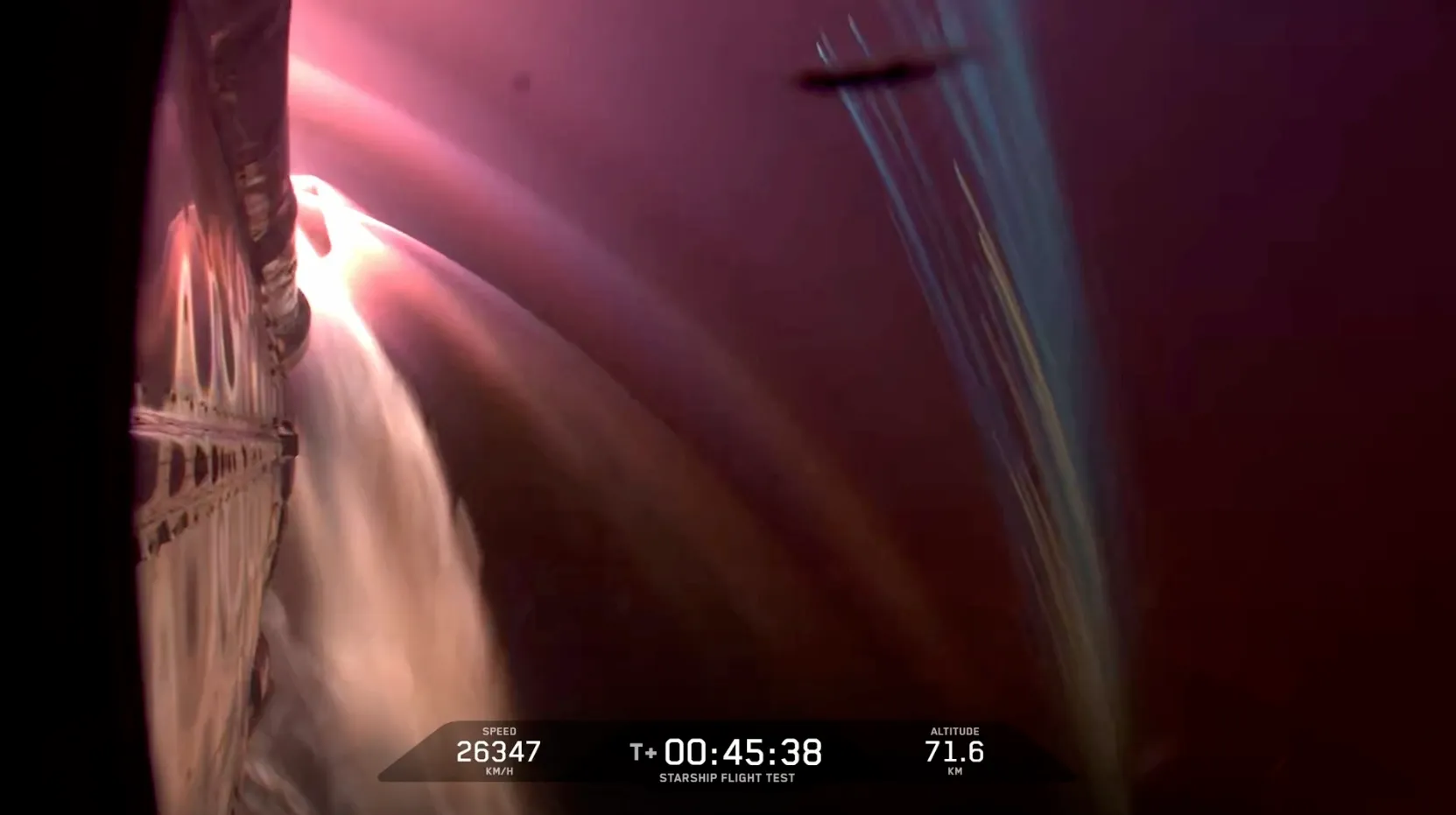
Starship 9’s awkward details make the test memorable, showing how small mechanisms can complicate giant ambitions.

Skipping a rehearsal can look reckless or efficient; Starship Flight 9 offers evidence for both interpretations.

Rotating detonation engines promise a propulsion leap by turning controlled explosions into continuous, efficient thrust.

Starship 7’s debris path turns a failed test into a practical lesson in breakup dynamics and public risk.

Modern heat shields are evolving quickly because coming home safely remains one of spaceflight’s hardest problems.
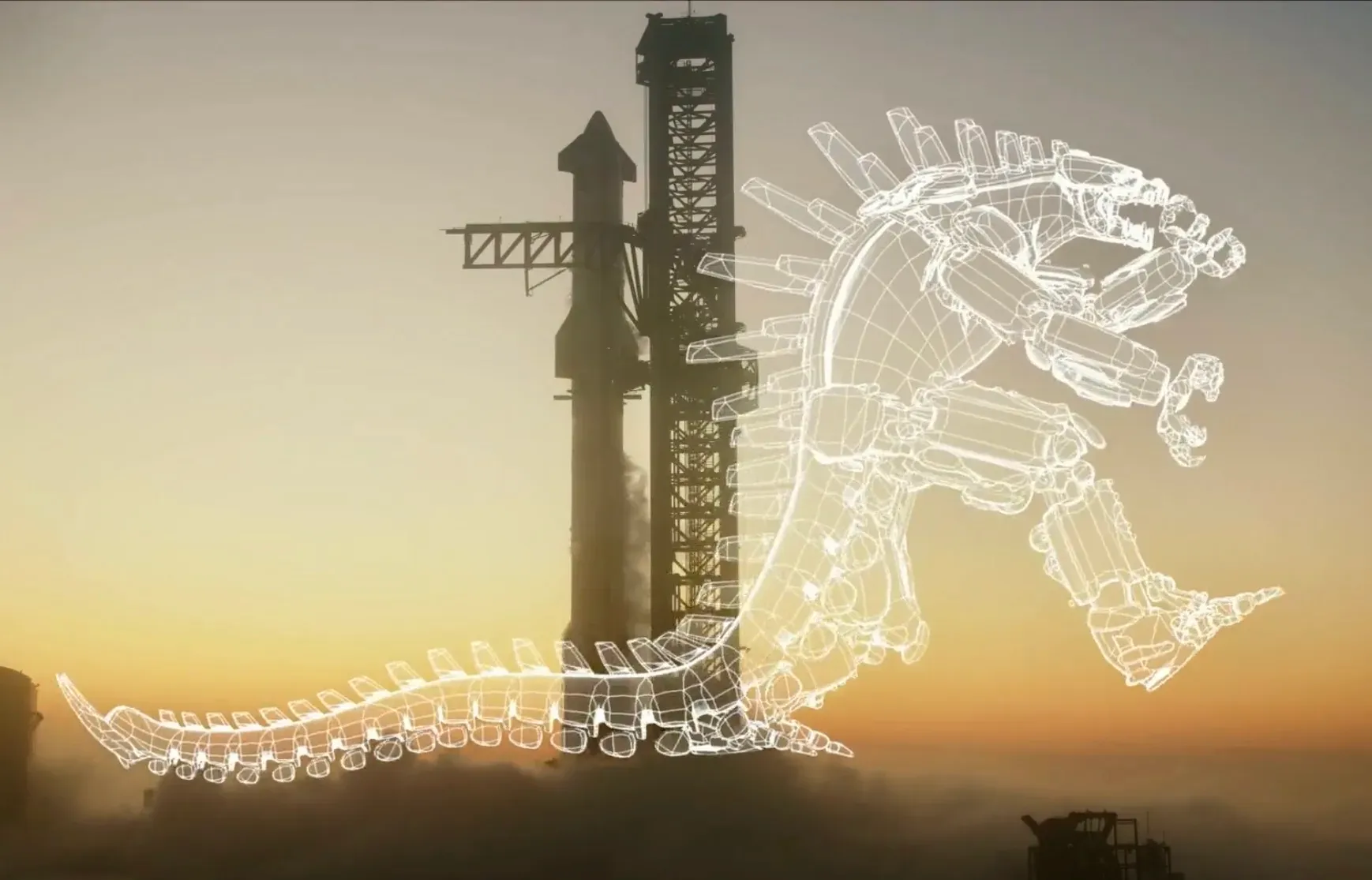
Starship’s explosive test history becomes a story about ambition, iteration, and the public theater of engineering.

Rocket propellant does not sit still, and controlling its motion is essential to steering a vehicle safely.

The rocket countdown owes more to cinema than many realize, blending dramatic timing with real launch discipline.

Equatorial launches exploit Earth’s spin, but the perfect launch site involves more than latitude and elevation.
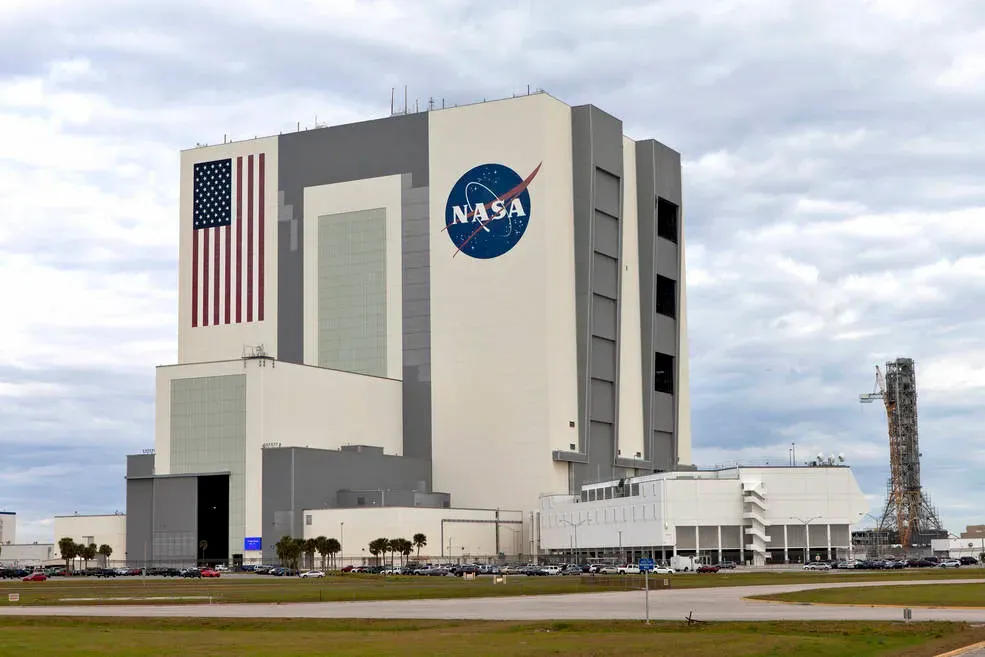
NASA’s old constraints and SpaceX’s new methods reveal how culture can shape the pace of rocket innovation.
Rapid unscheduled disassembly sounds comic, but it captures a long history of learning through violent hardware lessons.
From model rockets to launch vehicles, rocket size is really a negotiation among mass, thrust, drag, and purpose.
Rocket launches look dramatic, but their environmental impact needs comparison, context, and careful accounting.
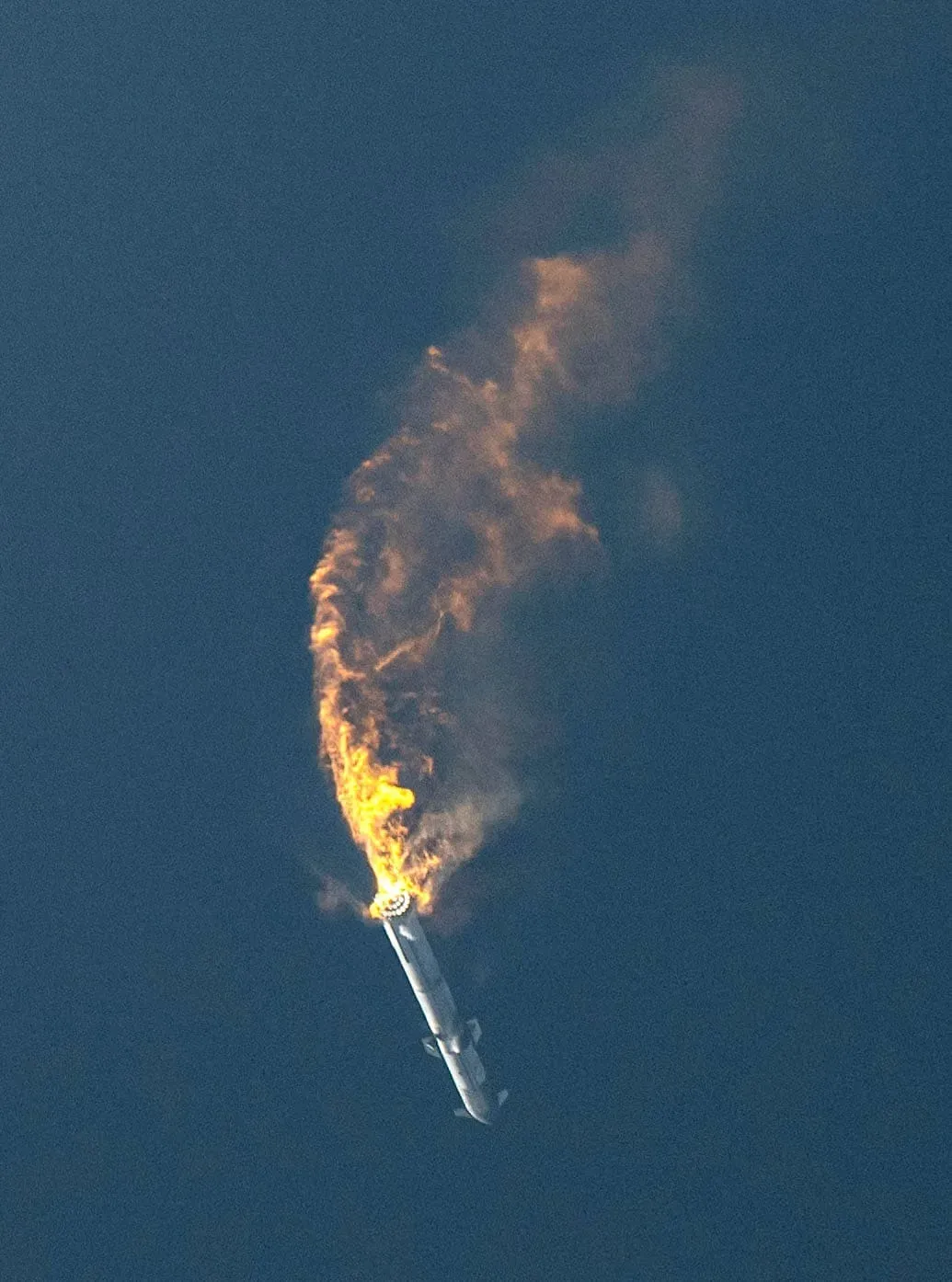
Flight termination systems are grim but essential, protecting people when rockets stop behaving like rockets should.
OpenRocket shows how accessible simulation tools can turn curiosity into real engineering intuition for future builders.
The gravity turn explains why rockets arc into orbit instead of simply climbing straight toward space.
Rocket launches are acoustic events as much as mechanical ones, and vibration can be a serious engineering enemy.
Choosing rocket engine size is a balancing act between thrust, reliability, plumbing, cost, and mission flexibility.
Starship’s first flight test failed loudly but still marked a consequential step in reusable heavy-lift development.
3D printing is changing rocket manufacturing by collapsing complexity, speeding iteration, and challenging old production assumptions.
Raptor engines are more than Starship’s power source; they embody SpaceX’s bet on reuse, methane, and scale.