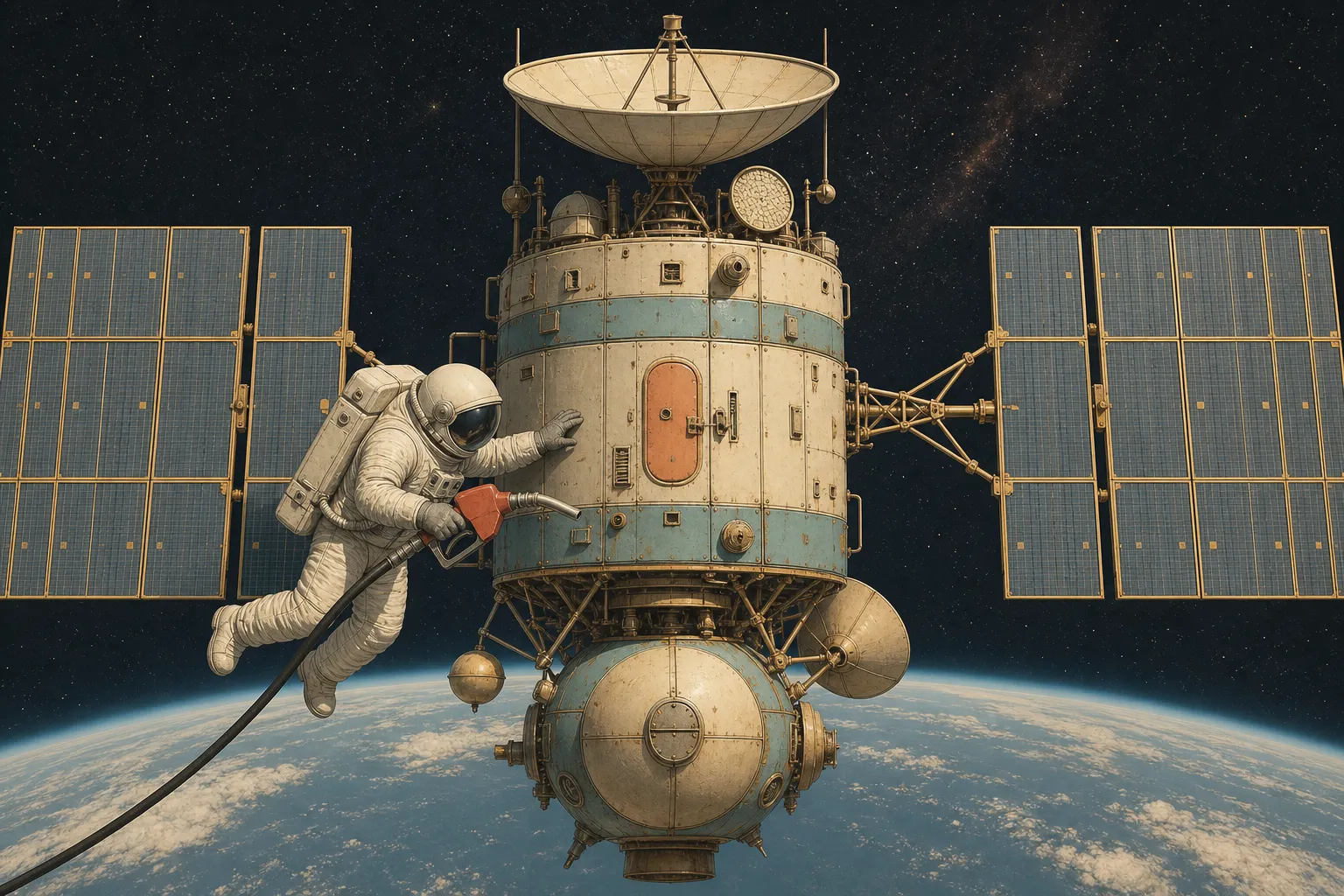
Beyond Throwaway Spacecraft: Why Satellite Servicing Matters
Northrop Grumman’s robotic servicer could extend satellite lifespans, cut waste and costs, but must overcome major technical, legal and economic challenges.
17posts
Northrop Grumman’s robotic servicer could extend satellite lifespans, cut waste and costs, but must overcome major technical, legal and economic challenges.
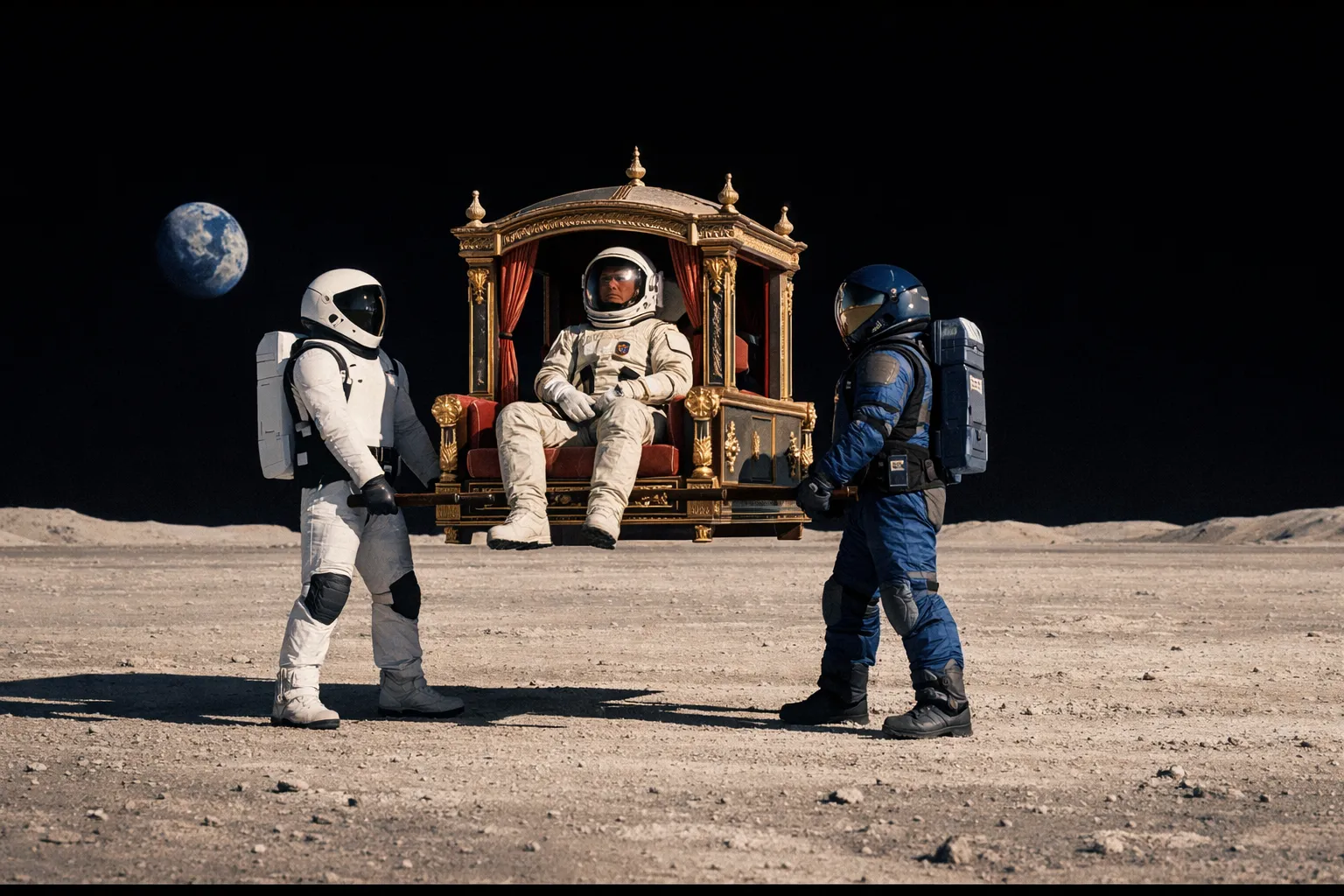
NASA sketches a future lunar base, but the most interesting clues may be in the names it leaves unsaid.
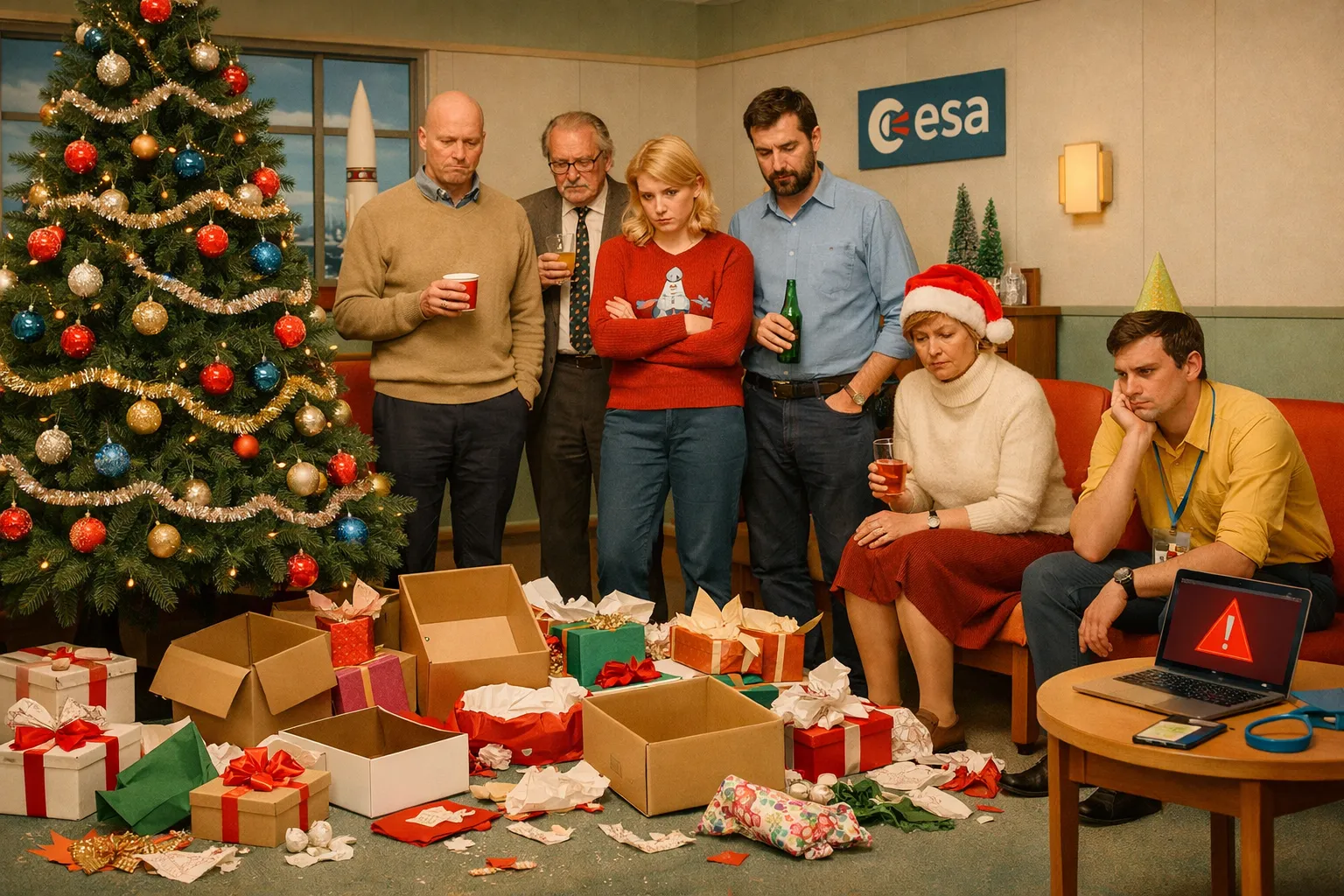
A breach at ESA shows why space infrastructure now has to be defended as seriously as rockets and satellites.
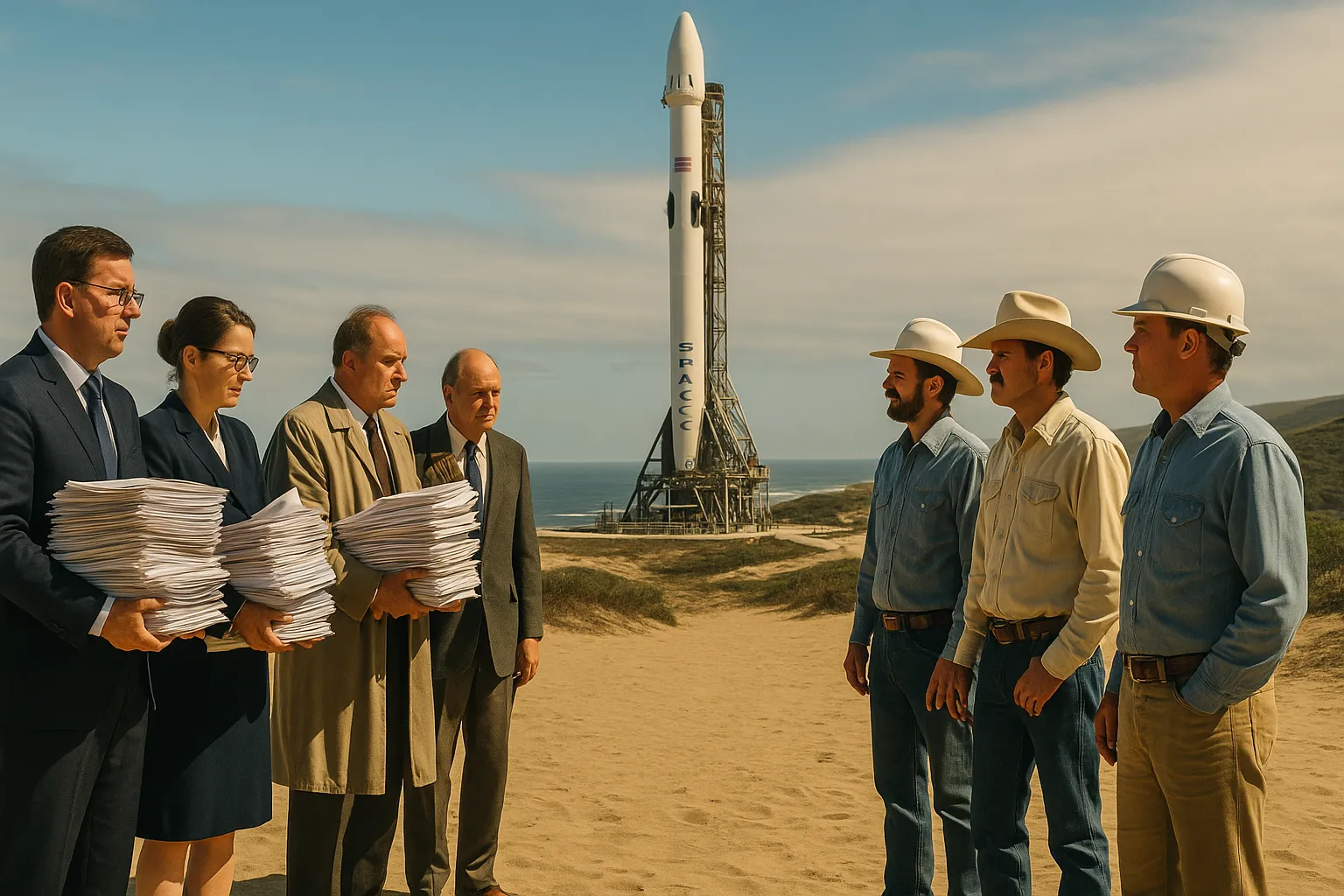
As space becomes commercial and crowded, Europe and America are beginning to argue over who gets to write the orbital rulebook.
Atomic-6’s debris armor points to a less romantic but essential space challenge: surviving the junk already circling Earth.

Abandoned space stations offer a way to think about decay, adaptation, and the afterlife of orbital infrastructure.

Two very different satellites show how space innovation can come from student ambition as well as commercial scale.
Micrometeorites are tiny but dangerous, forcing spacecraft designers to think like armorers in orbit.

GPS is a space-based timing miracle that quietly depends on satellites, relativity, and constant correction.
NASA’s Deep Space Network is the invisible infrastructure that keeps distant missions talking, and it is under pressure.

Rendezvous with the ISS is a precise orbital dance where timing, speed, and geometry all have to agree.

Earth-observing satellites quietly shape weather forecasts, disaster response, climate science, and the way we understand our planet.

In space, a leak is never small for long, so detection becomes a race between physics and procedure.
Moving satellites after launch is a practical puzzle of fuel, autonomy, servicing, and orbital traffic management.

Megaconstellations make satellite security more urgent, turning orbital networks into targets as well as infrastructure.
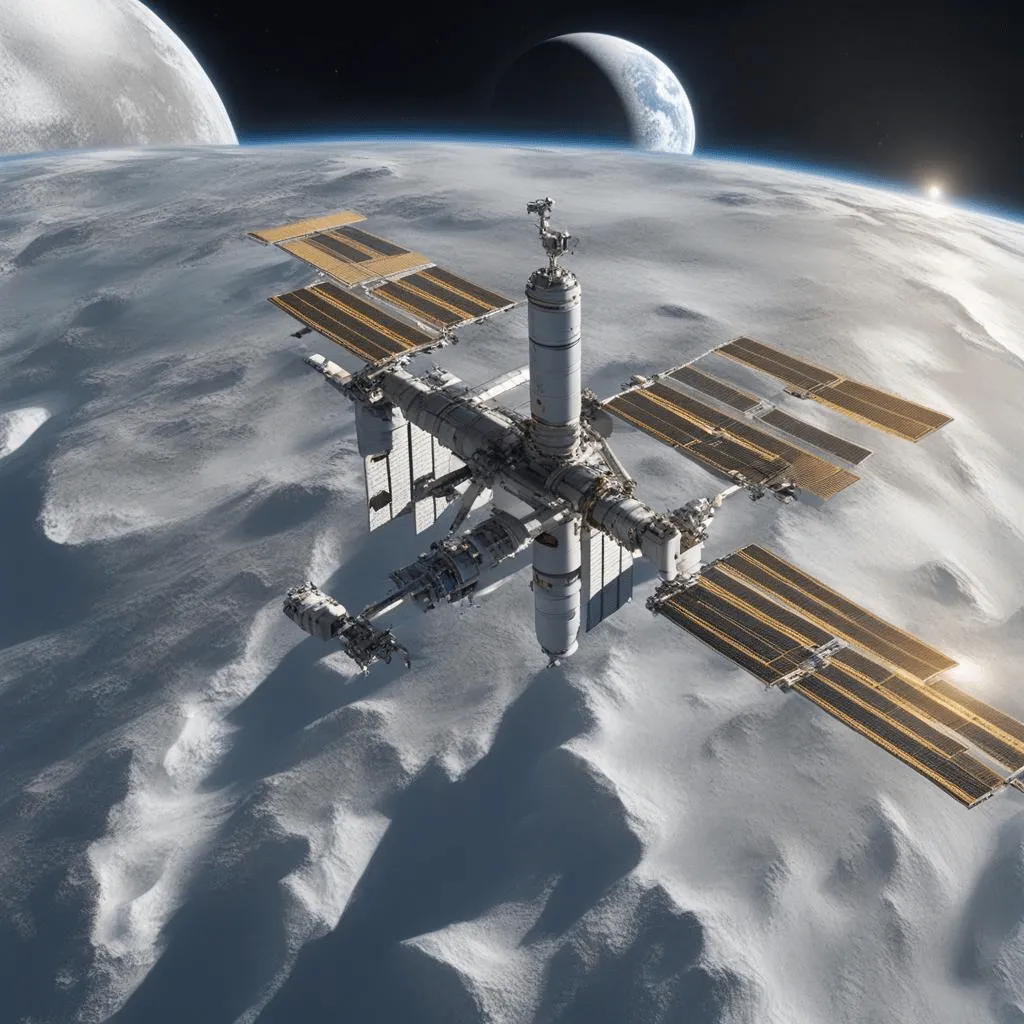
Temperature control in space is an invisible engineering battle against sunlight, shadow, radiation, and vacuum.
Lasers in space have moved from science fiction imagery to practical tools for research, navigation, and communication.