
Special Delivery: One Used Falcon 9 Stage, Destination Moon
On August 5, the Moon is expected to receive four tonnes of human engineering at 2.43 kilometres per second. No signature will be required.
25posts
On August 5, the Moon is expected to receive four tonnes of human engineering at 2.43 kilometres per second. No signature will be required.
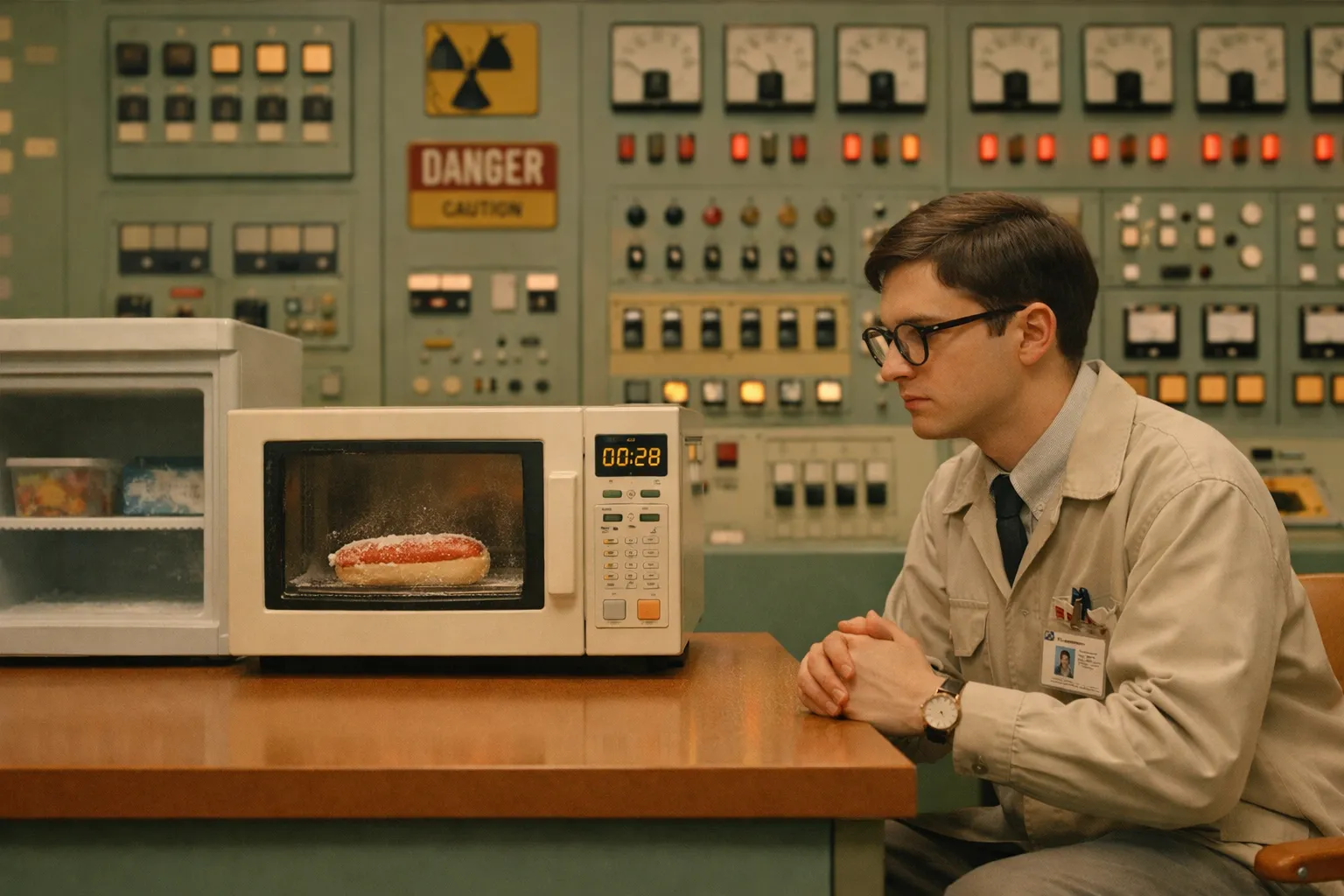
A famously tough bacterium points toward the biological imagination needed for surviving radiation beyond Earth.
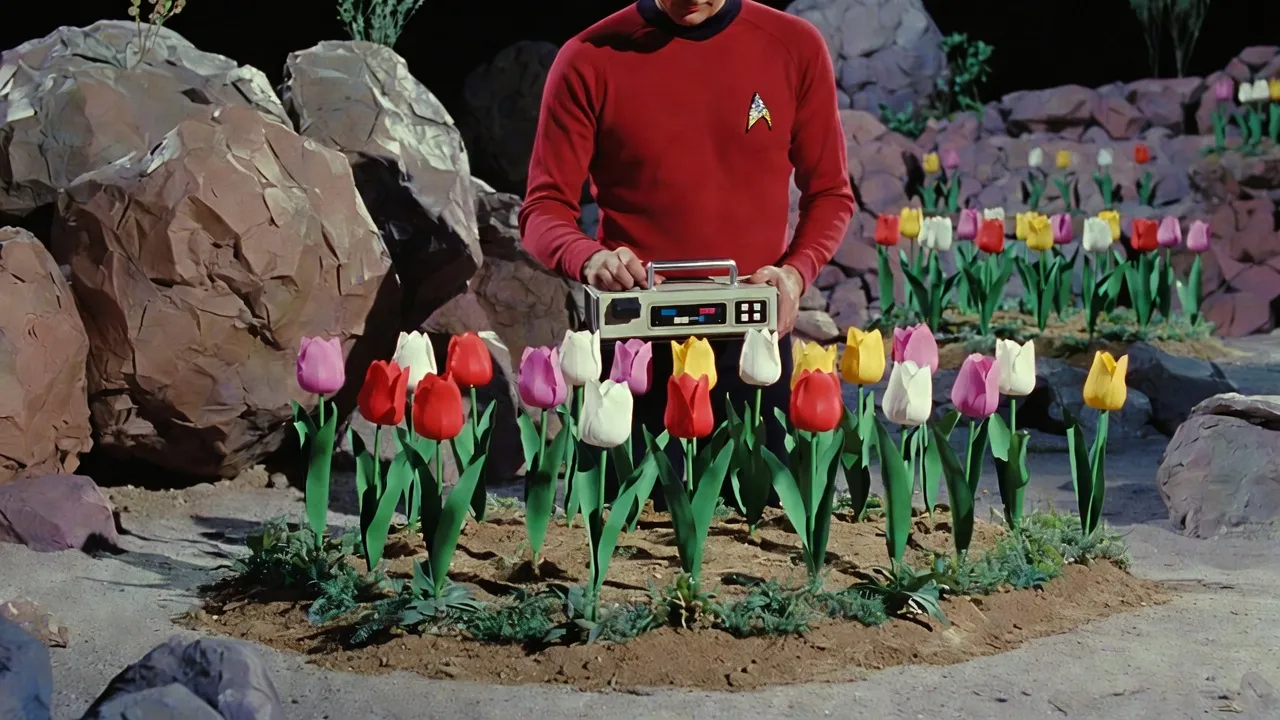
The search for alien life is not just an engineering problem; it is also a lesson in reasoning under deep uncertainty.
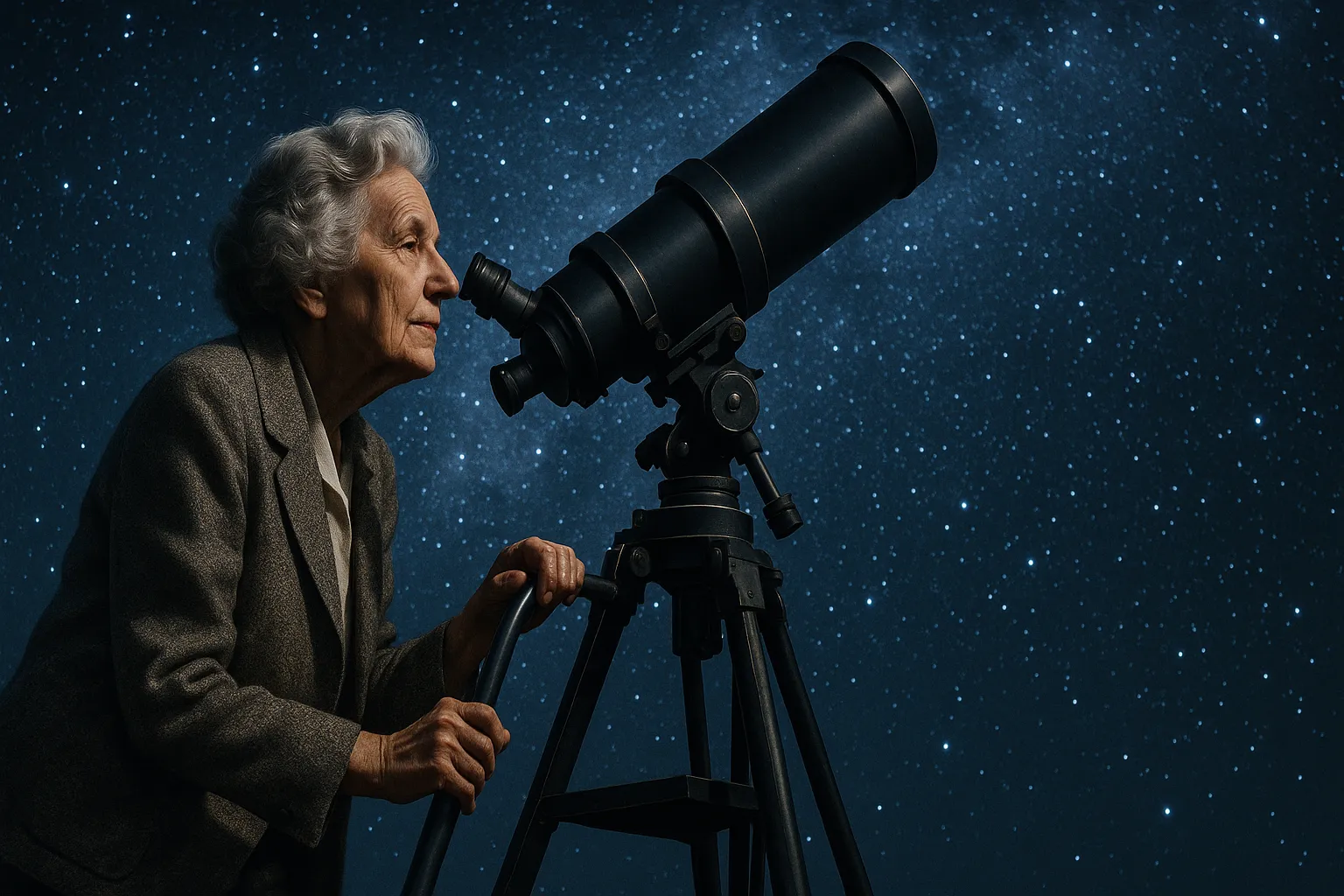
Roman’s completed assembly brings NASA closer to a telescope built to widen our view of planets, galaxies, and dark energy.
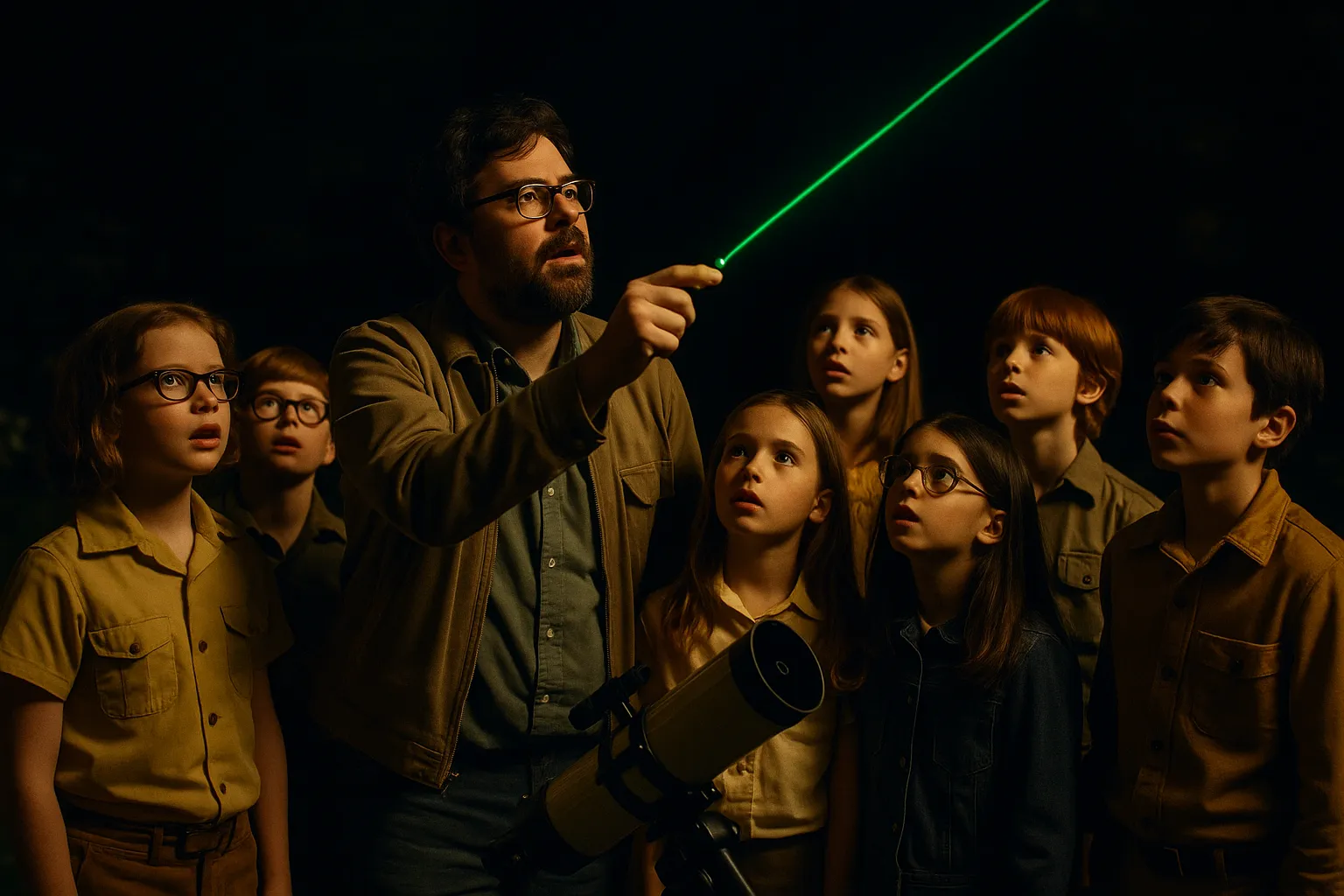
Those lasers above observatories are not for show; they are tools for correcting the atmosphere’s restless distortion.
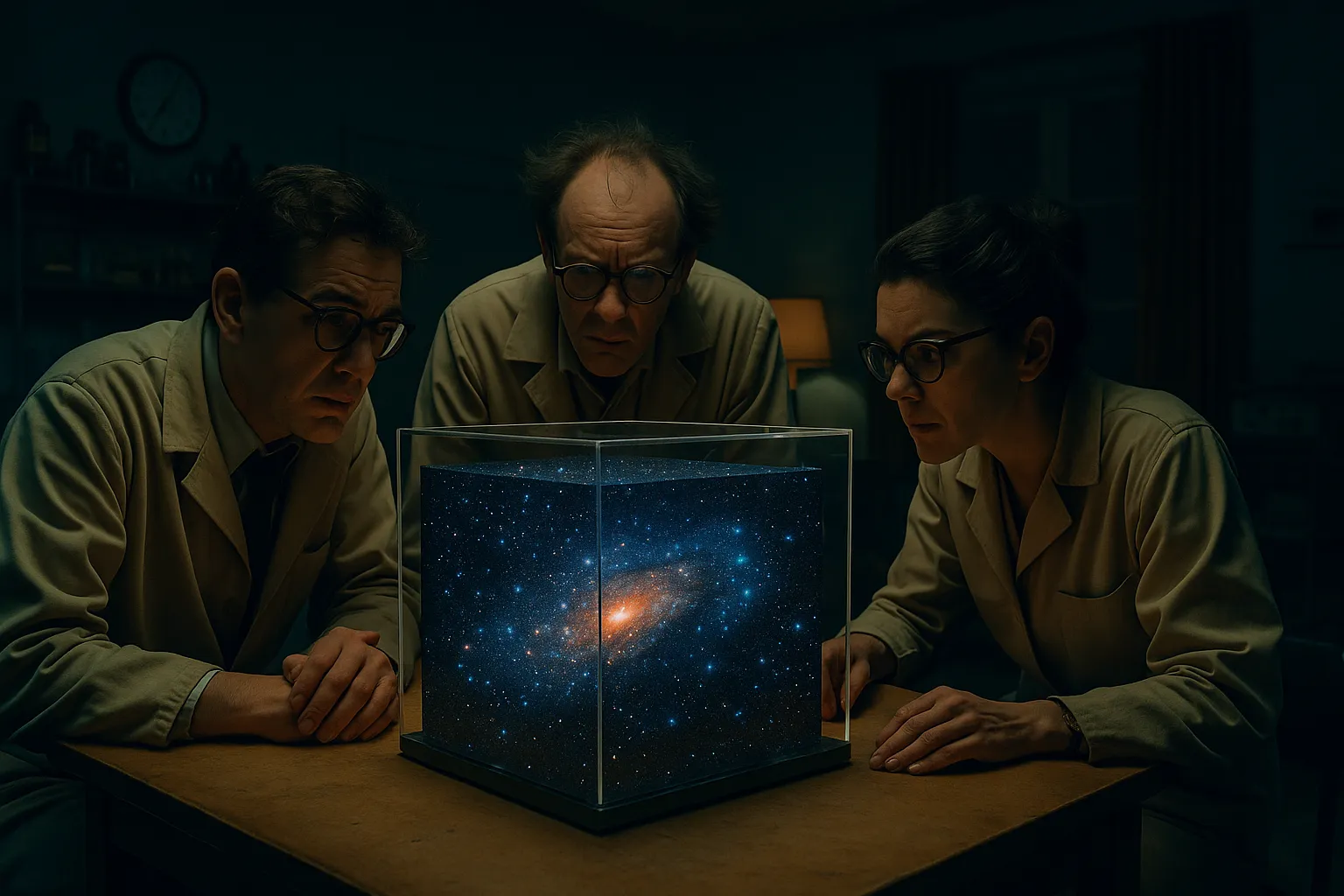
Euclid’s massive simulation shows how cosmology increasingly depends on models that are both mathematical instruments and philosophical claims.
Comet 3I/ATLAS is exotic enough without aliens, offering a rare glimpse of material from another star system.
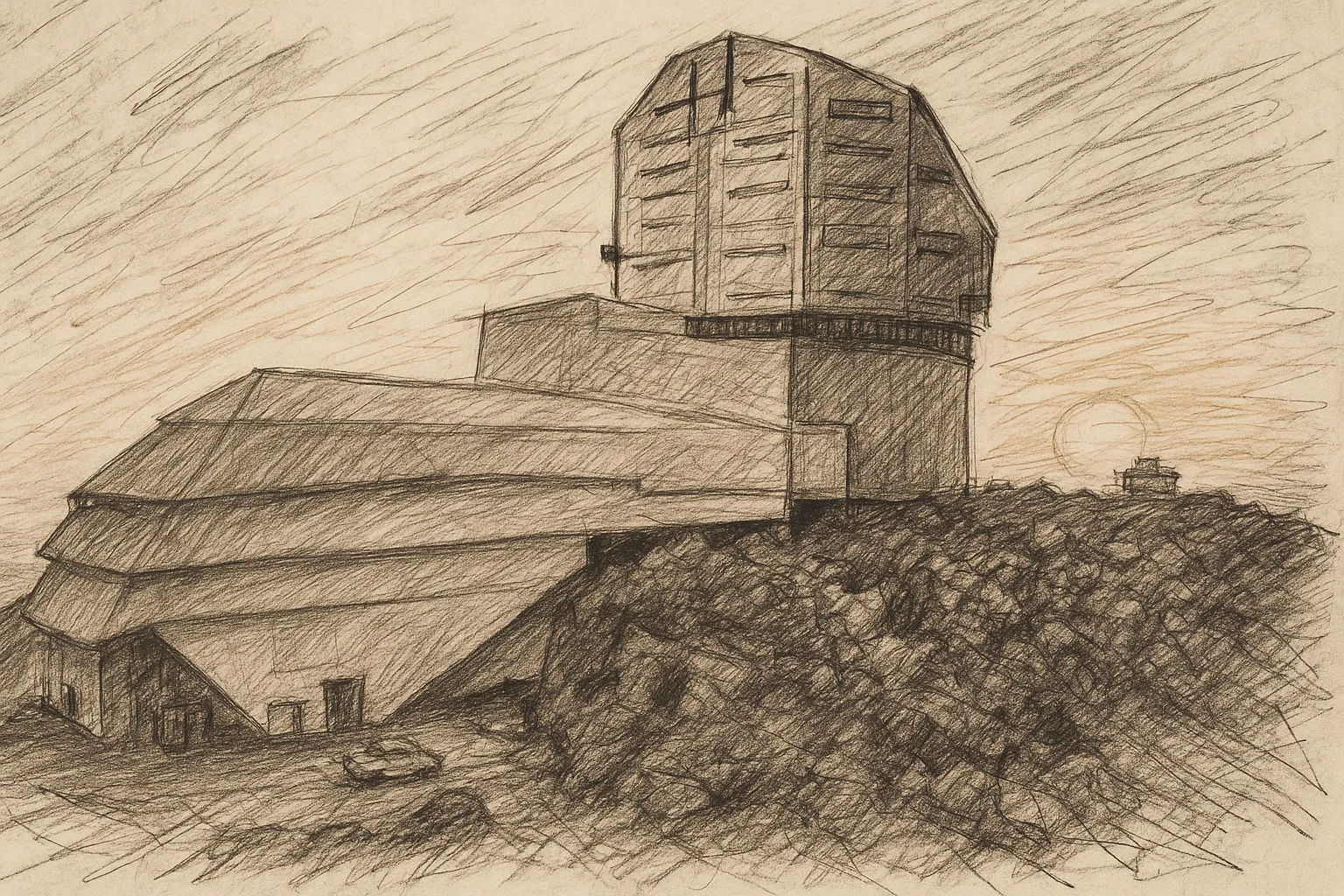
Rubin Observatory’s first views show a sky full of beauty, artifacts, and moving objects waiting to be discovered.
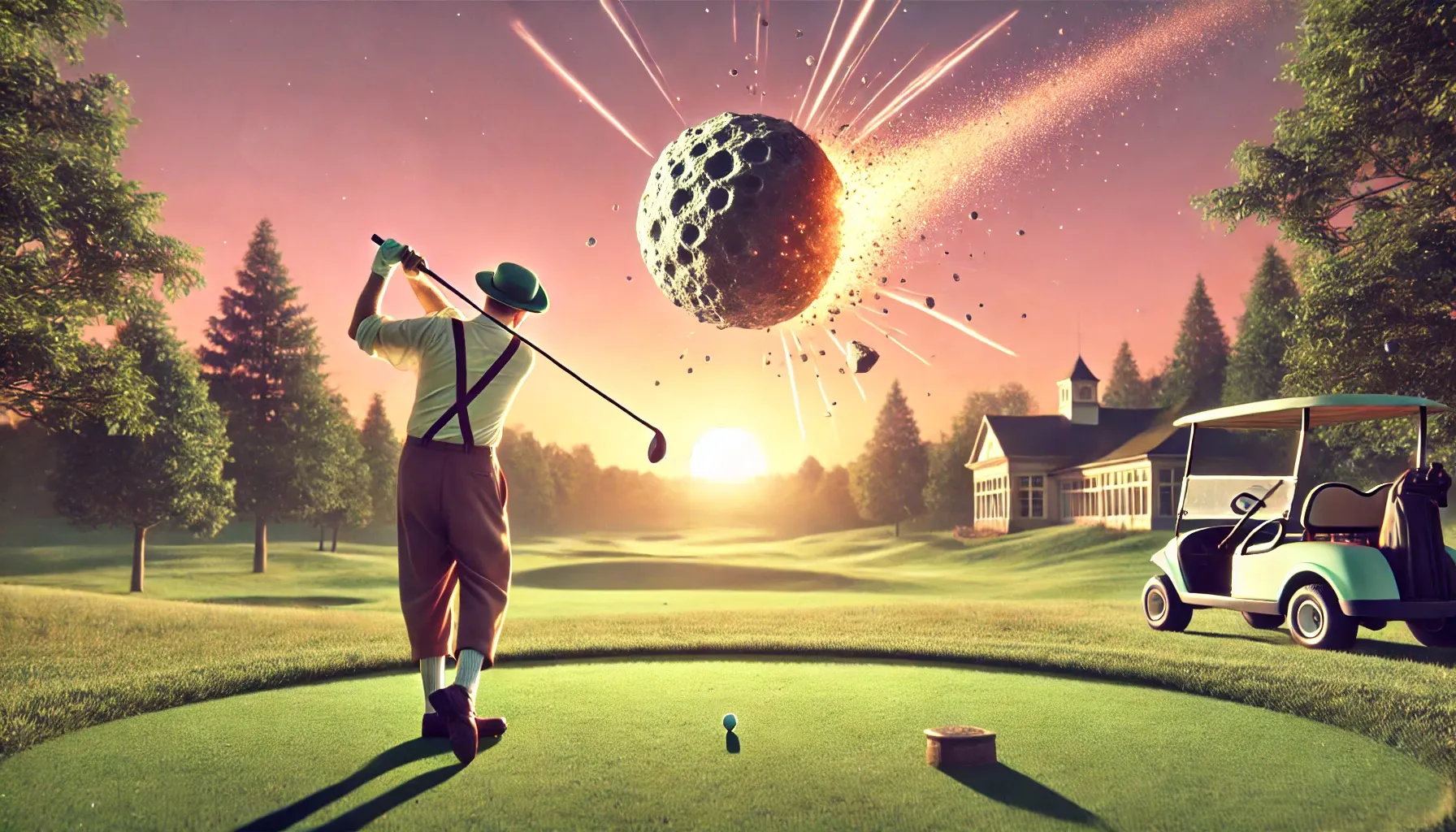
A hypothetical asteroid mission turns into a guided tour of how engineers plan planetary defense before panic begins.
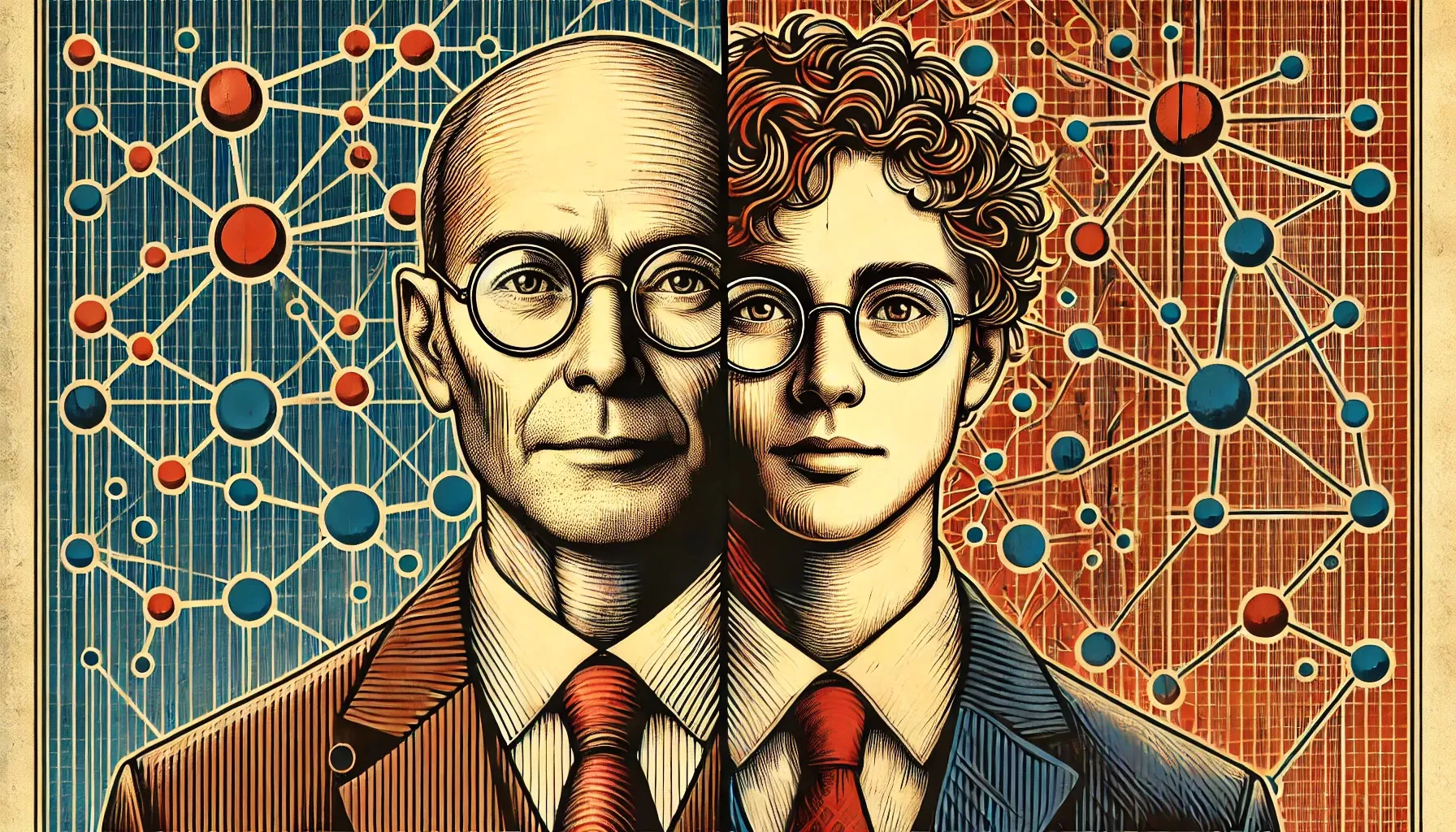
Stephen Wolfram’s physics project is ambitious and provocative, raising questions about insight, authority, and scientific persuasion.

Santa’s impossible journey becomes a playful excuse to examine astronomy, timing, and the physics of holiday magic.

Star naming sits between romance and reality, where official catalogs and sentimental certificates tell very different stories.
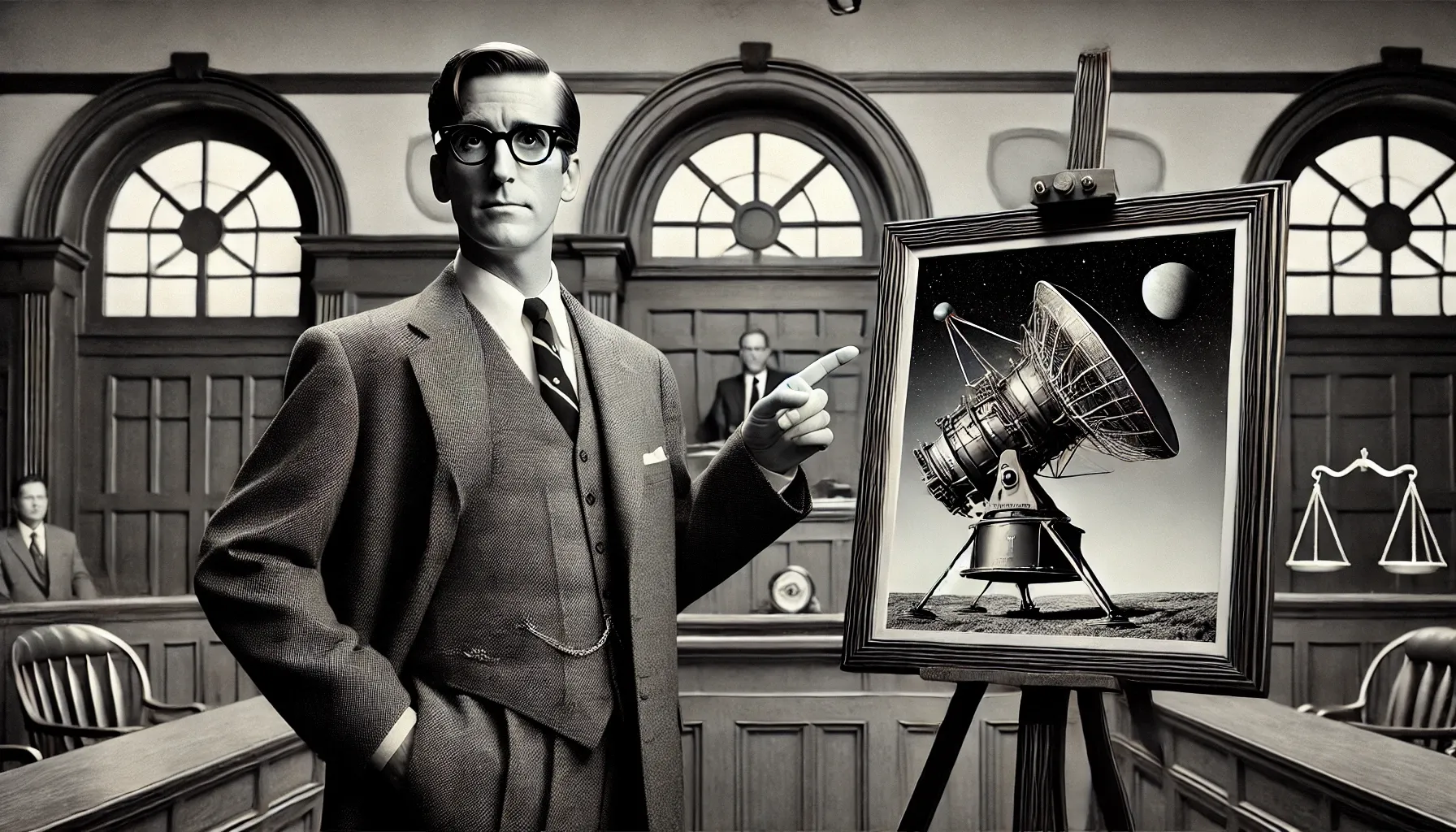
Hubble and Chandra still matter because some observatories become irreplaceable long after their launch dates fade.
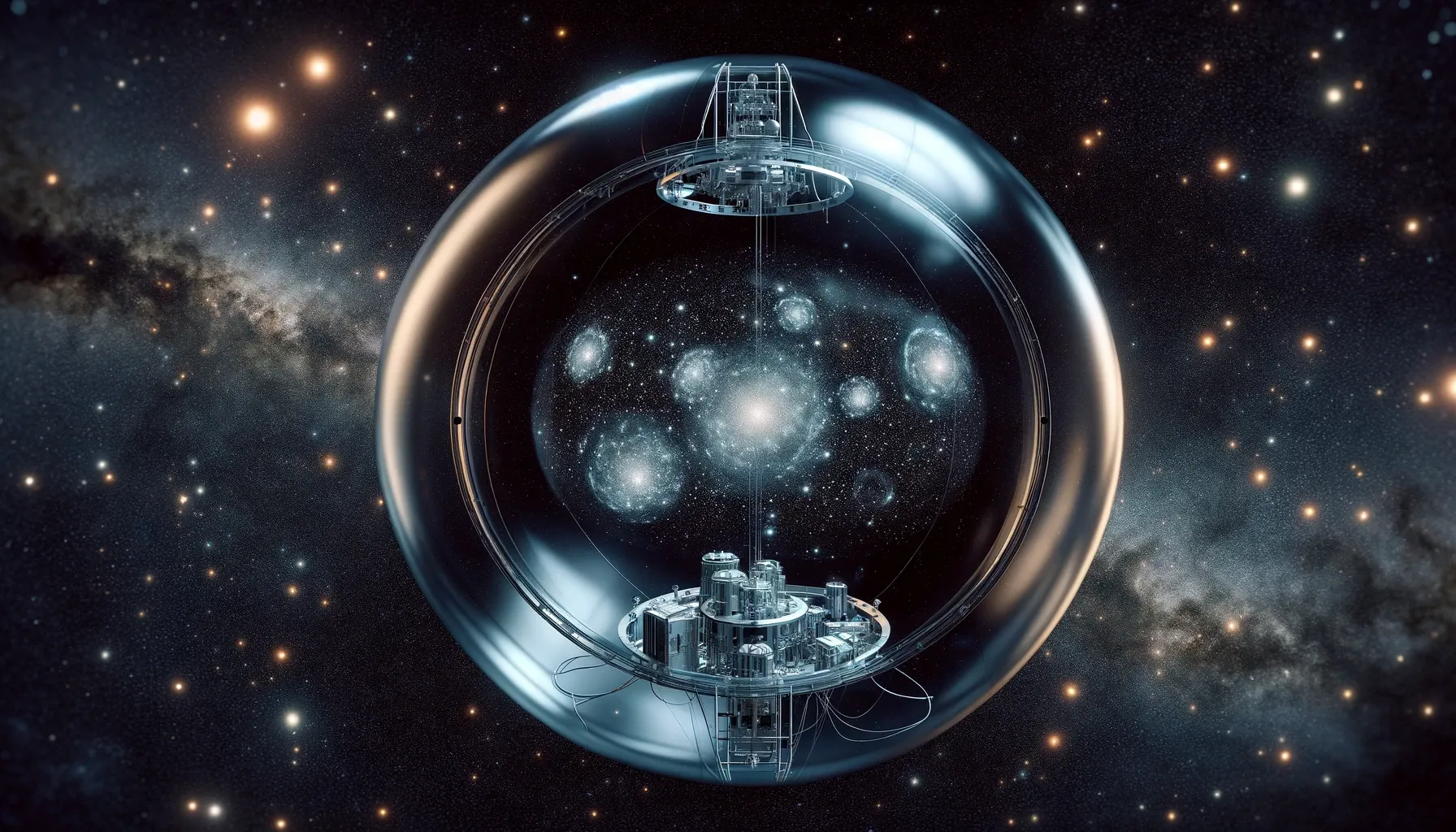
Soft and liquid telescope structures may sound strange, but they could solve problems rigid hardware cannot.
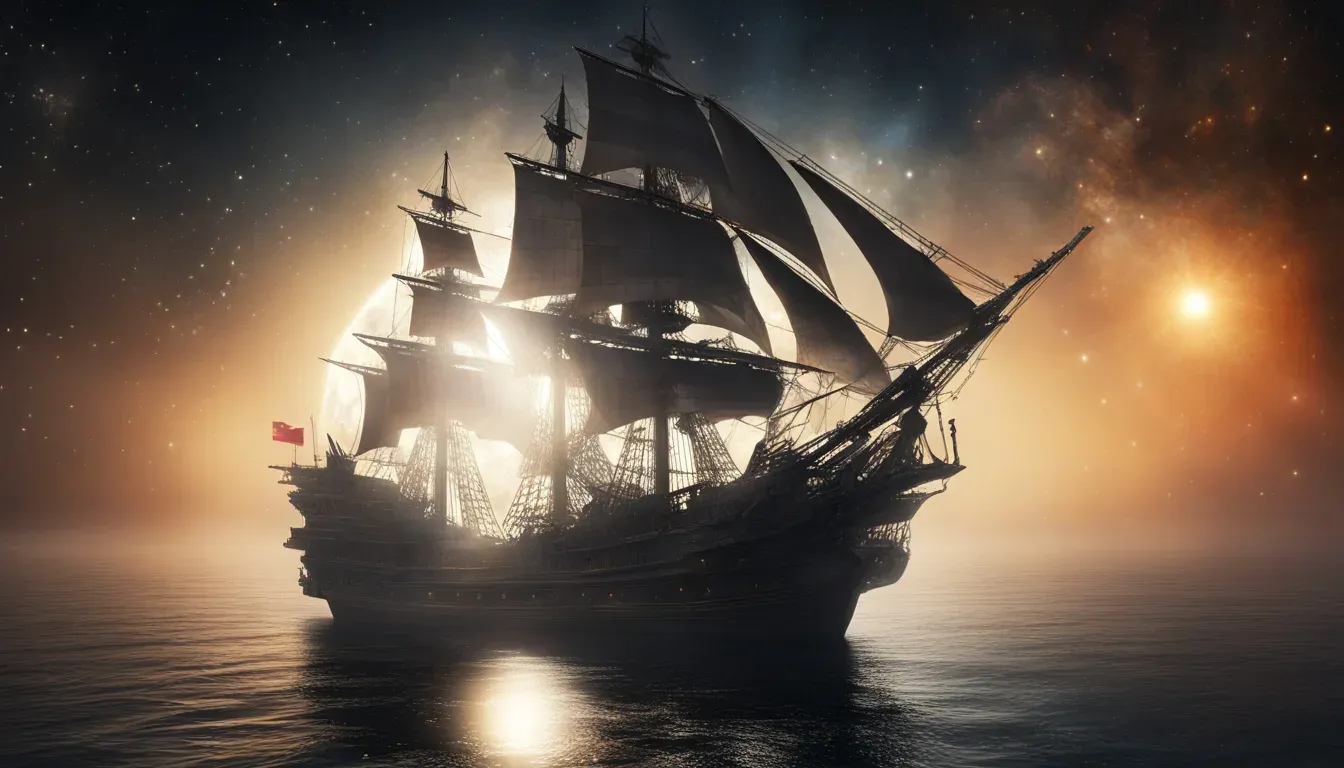
Solar sailing turns sunlight into propulsion, offering a quiet and elegant way to cross enormous distances.
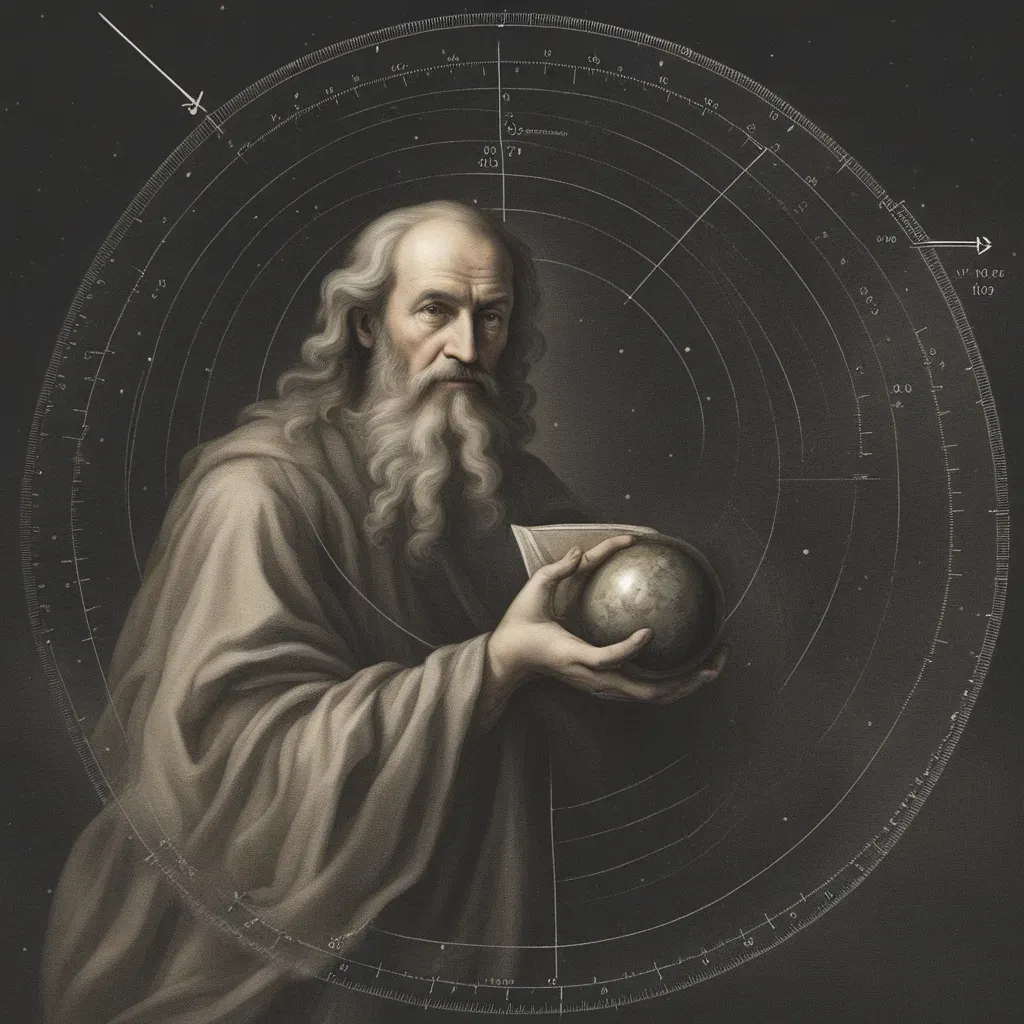
Measuring cosmic distances requires a ladder of clever methods, each extending our reach beyond direct intuition.
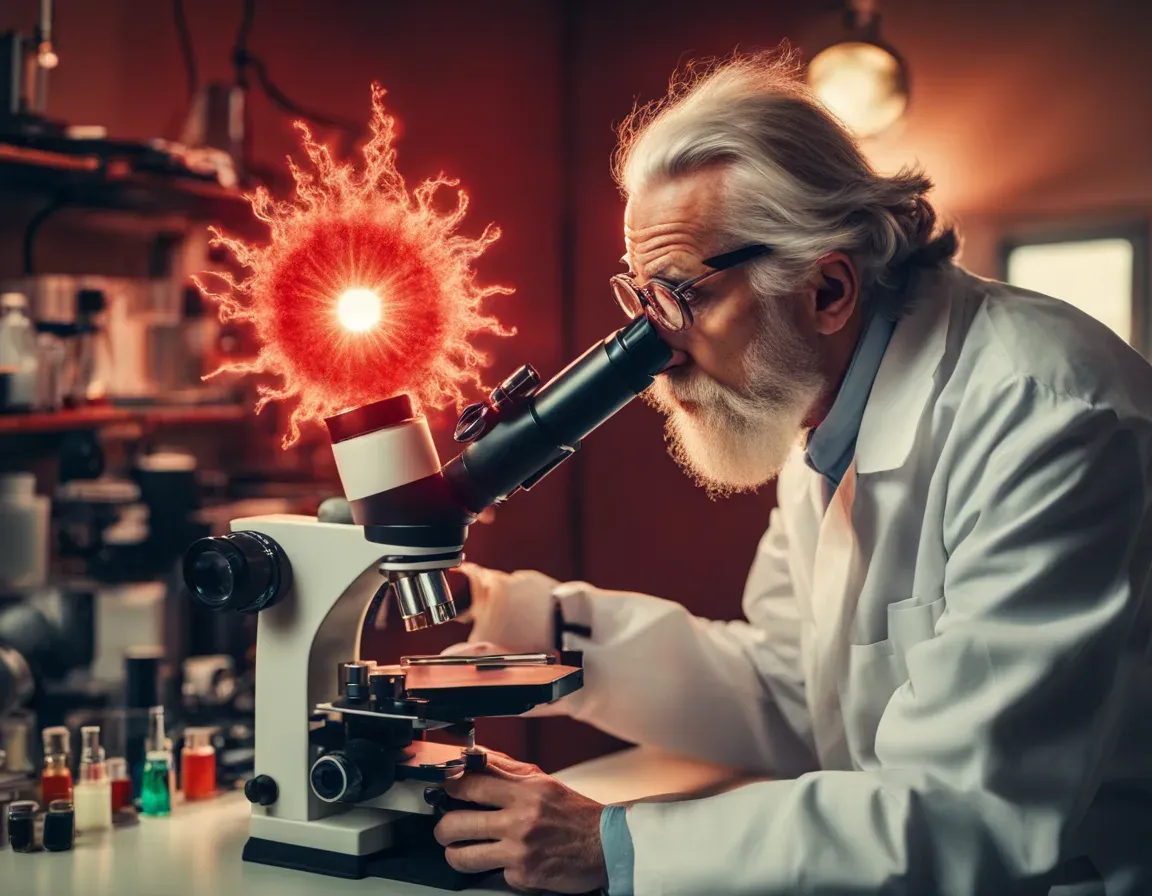
Studying the Sun means sending machines toward a star that is both familiar, dangerous, and still deeply mysterious.
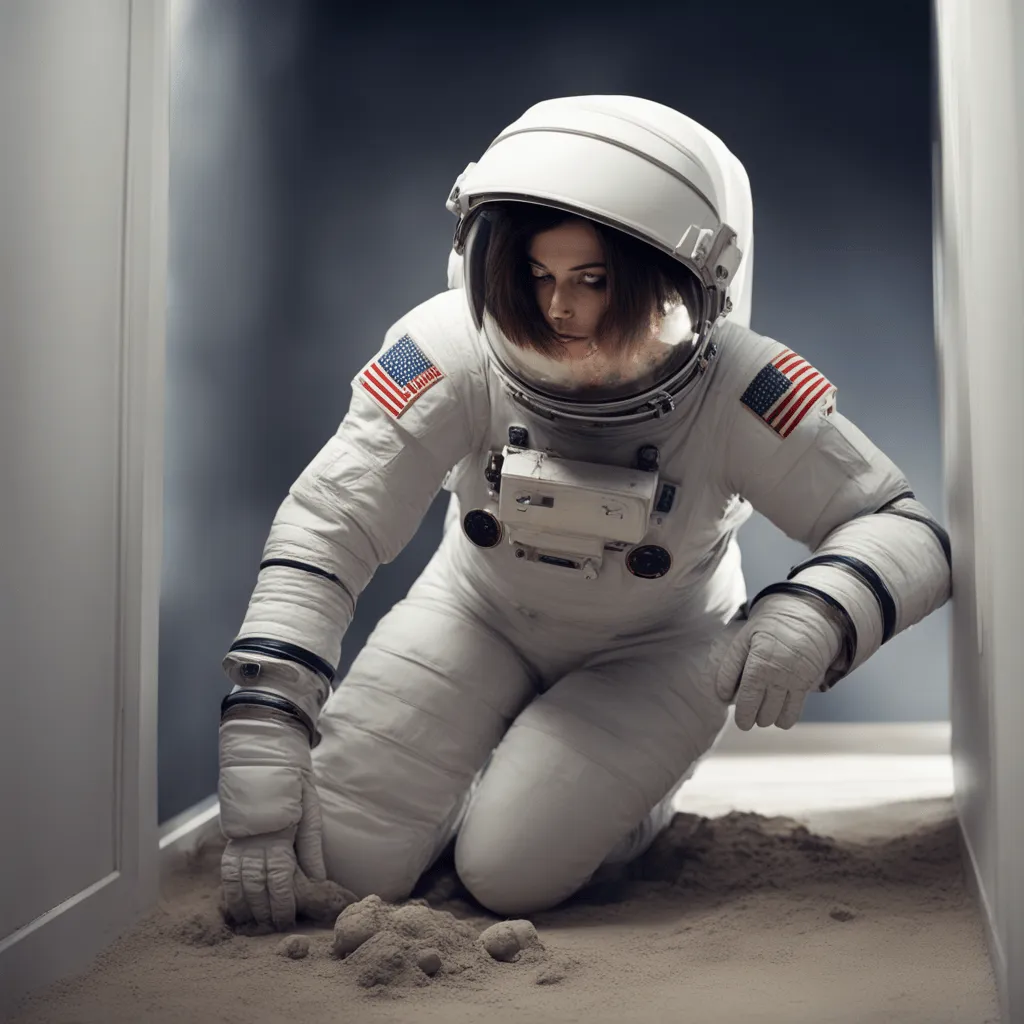
Dust links comets, moons, Mars, and spacecraft trouble in ways that are messy, beautiful, and surprisingly consequential.
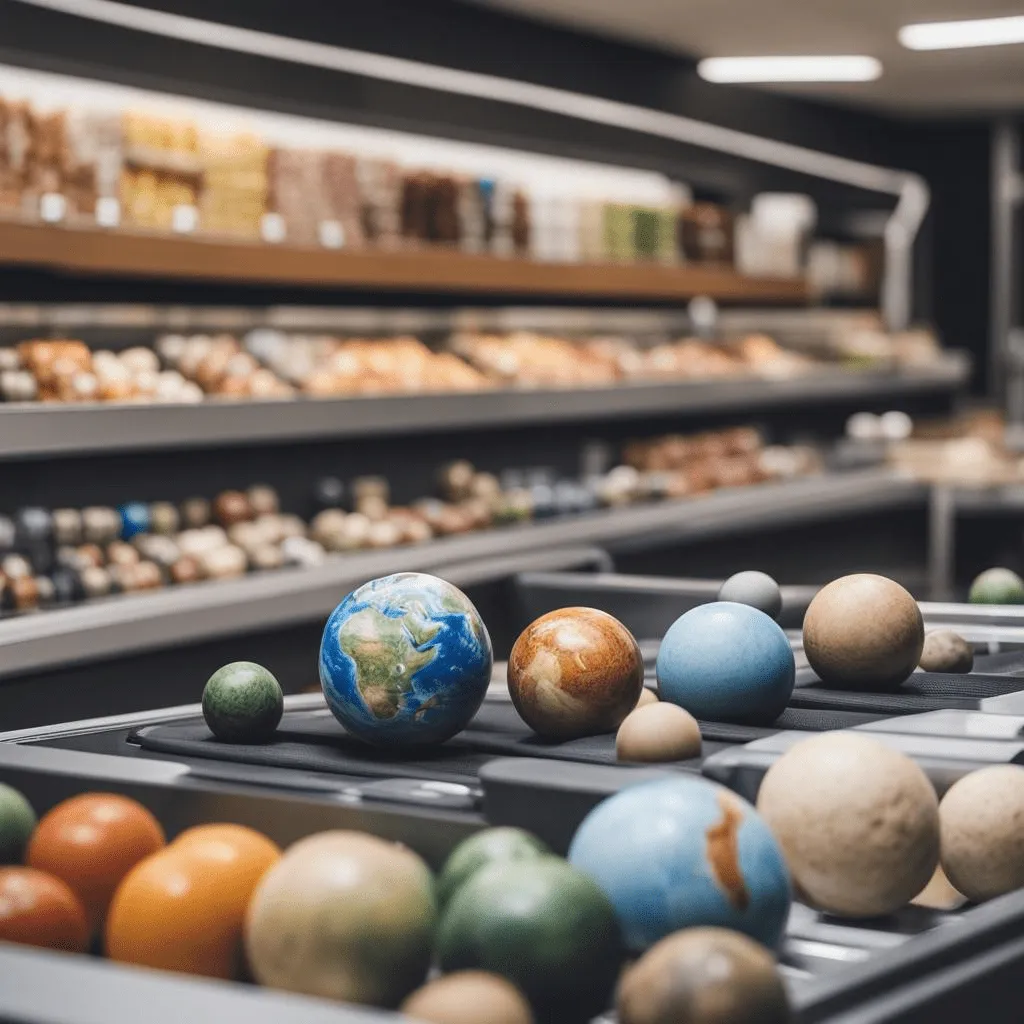
Finding planets around other stars is a detective game built from tiny dimmings, wobbles, and patient inference.
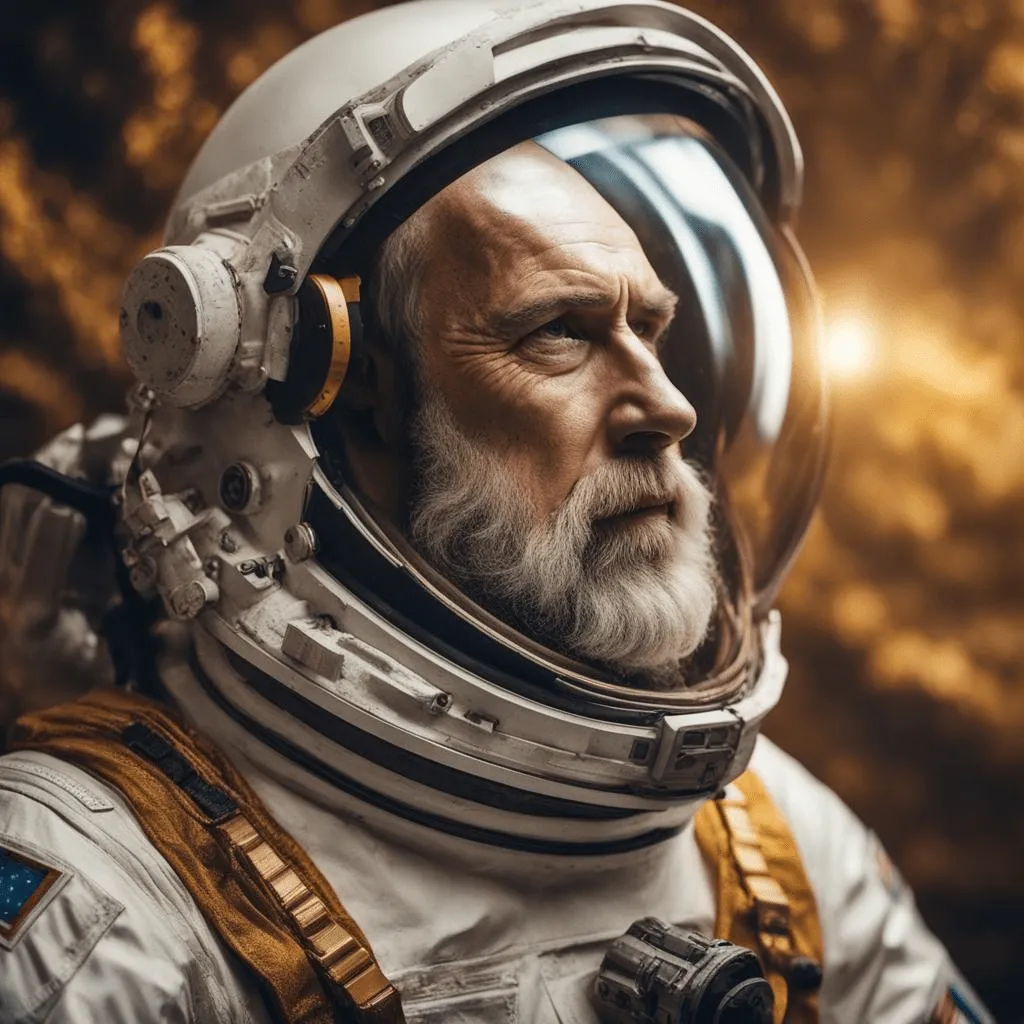
Asteroid mining promises vast resources, but the real challenge is turning celestial abundance into usable economics.
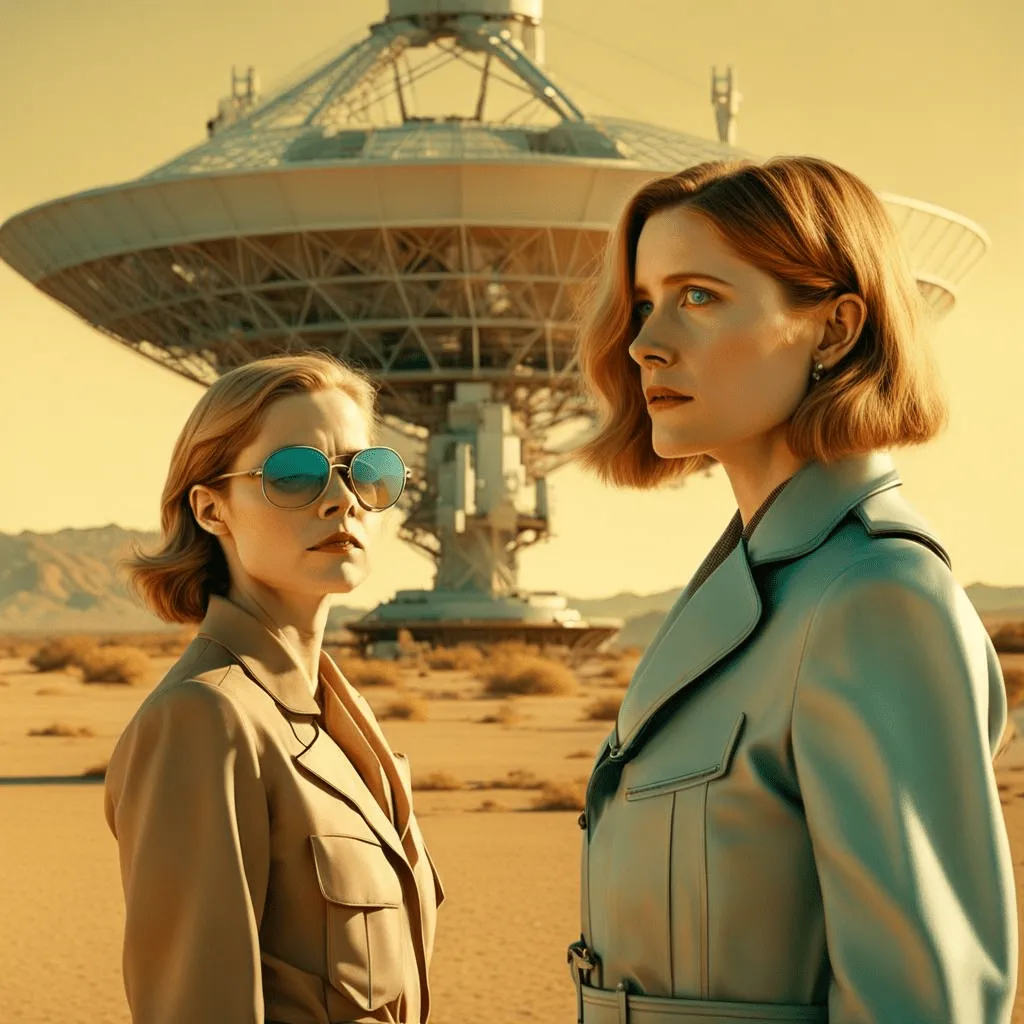
Alien messages reveal as much about human pattern-seeking as they do about any imagined intelligence sending them.
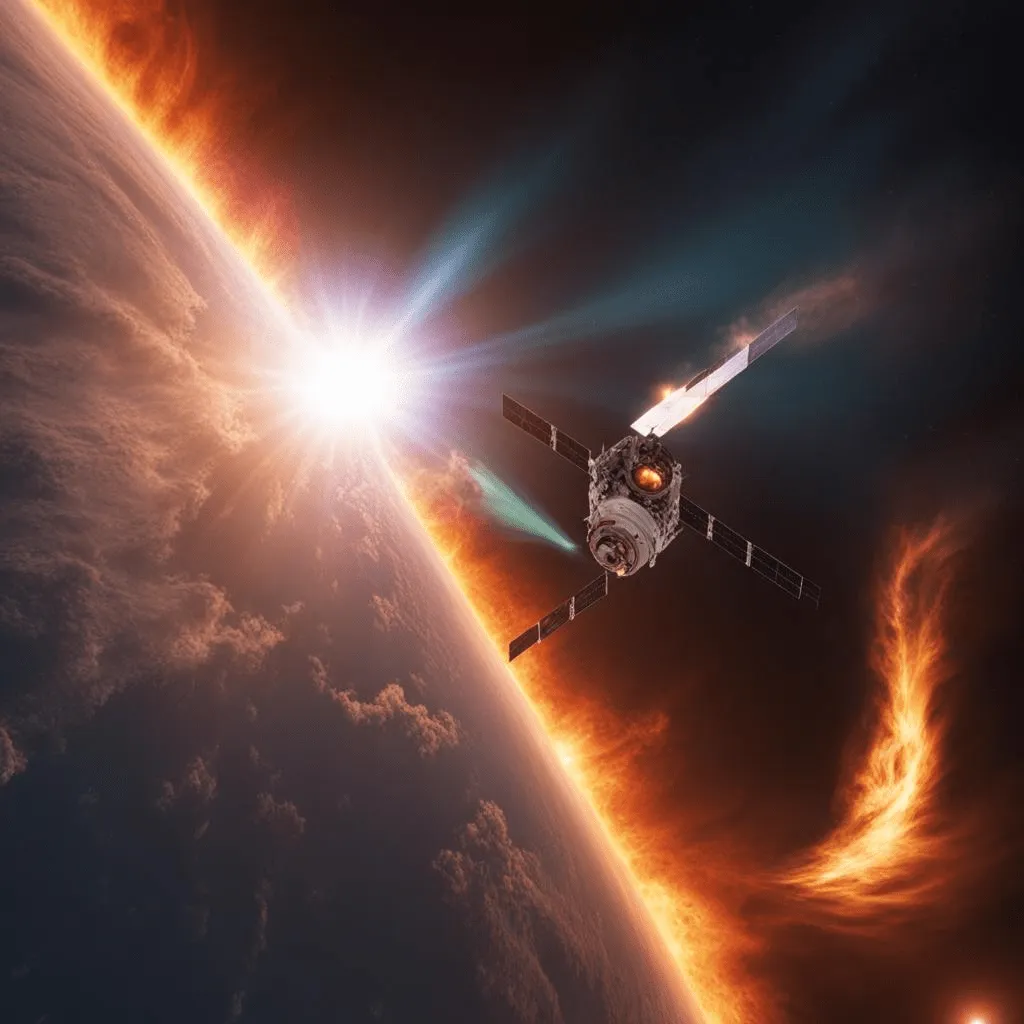
The Carrington Event remains a warning from the Sun about how vulnerable modern technology could be.
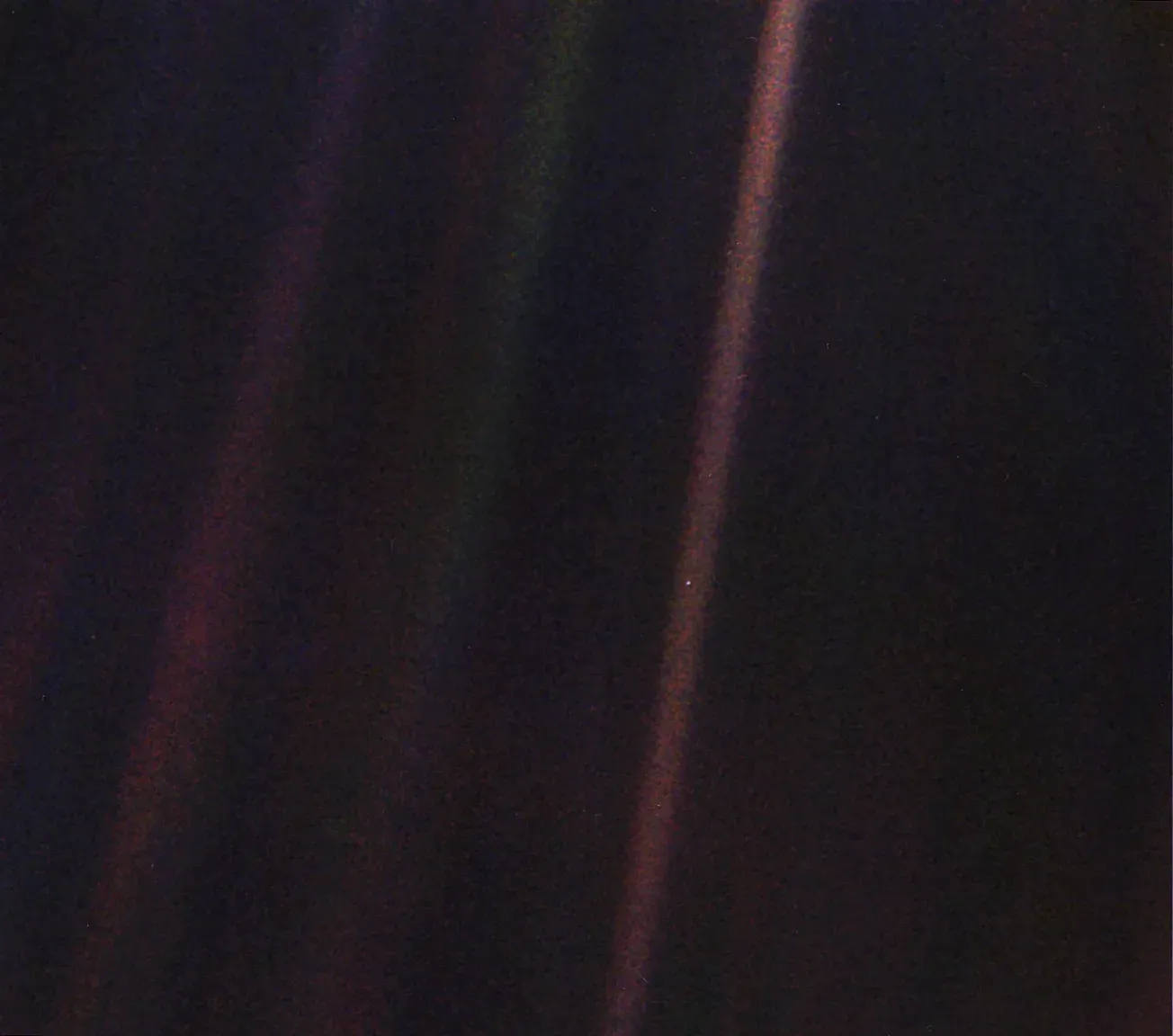
Carl Sagan’s climate warnings and cosmic perspective still challenge how we think about Earth’s fragility.
Relativity is not just a science-fiction flourish; even practical space travel brushes against its subtle effects.
Radiation is one of the hardest barriers to deep-space travel, demanding shields, strategy, and biological realism.