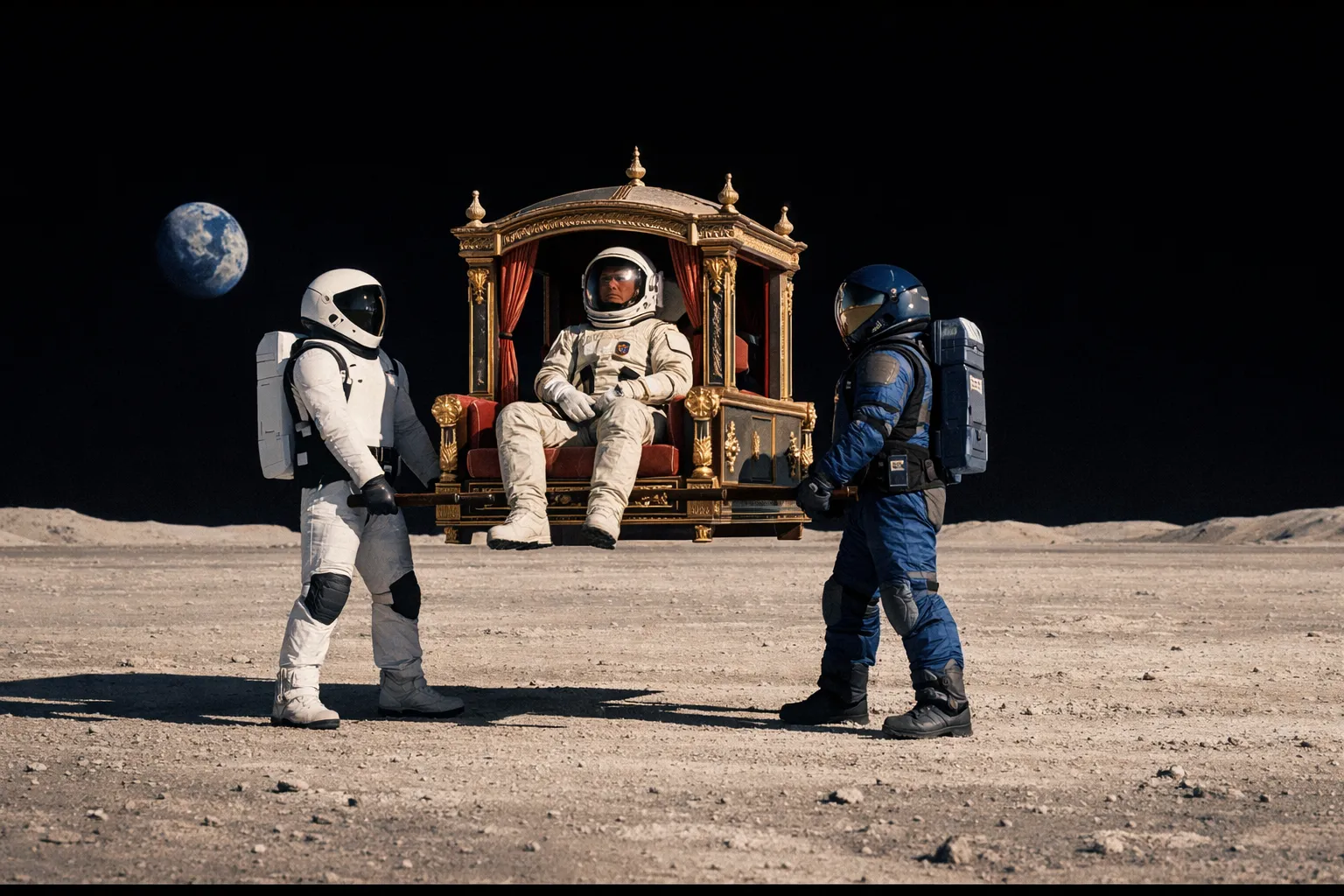
The Moon Base Without Names
NASA sketches a future lunar base, but the most interesting clues may be in the names it leaves unsaid.
28posts
NASA sketches a future lunar base, but the most interesting clues may be in the names it leaves unsaid.

Artemis II proves deep-space capability is back, but it also highlights why Starship still matters for the next step.
Neuralink looks different when viewed not as mind reading, but as a control interface for future off-world work.
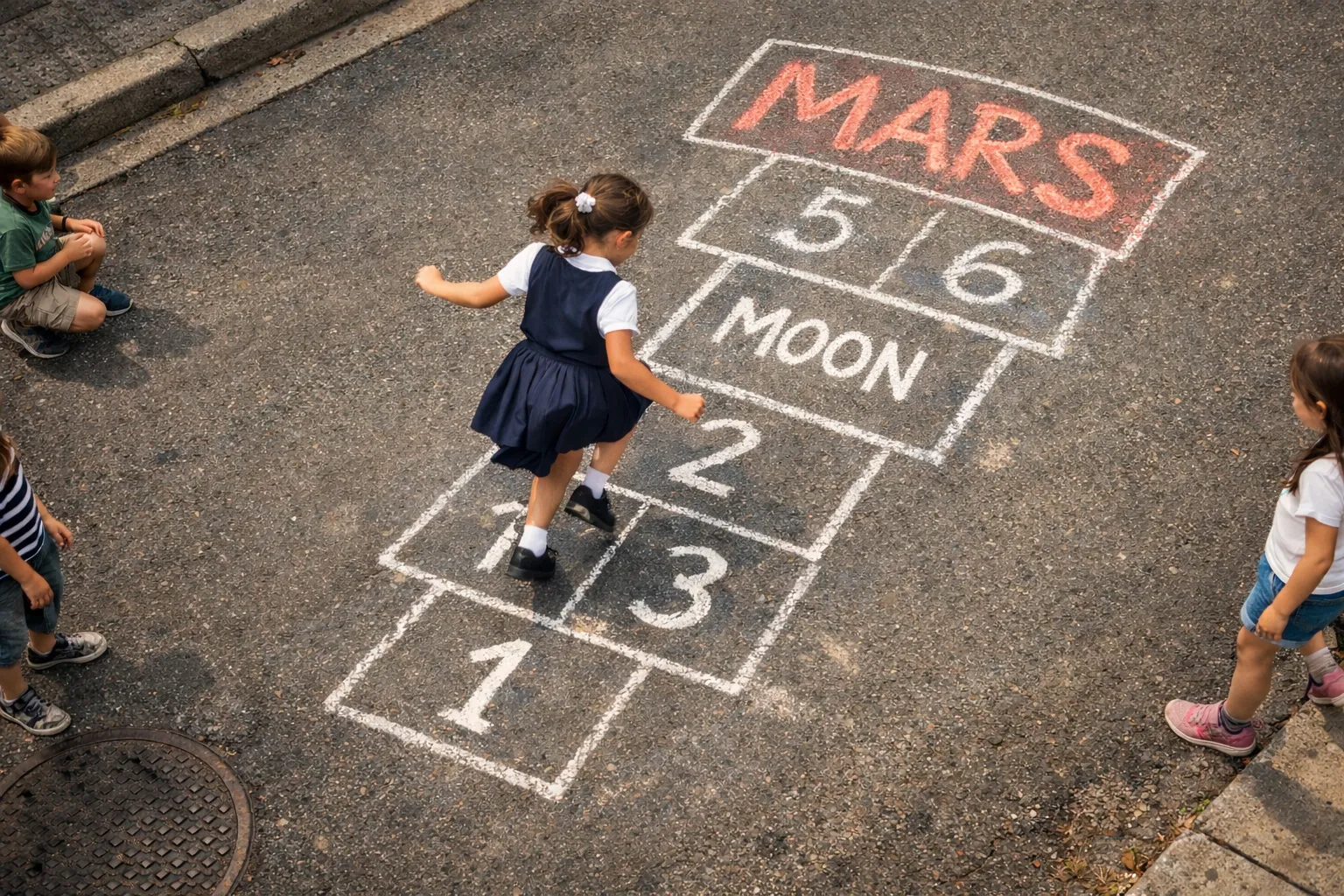
The Moon-first argument reframes lunar missions as the fastest feedback loop for building a real spacefaring civilization.
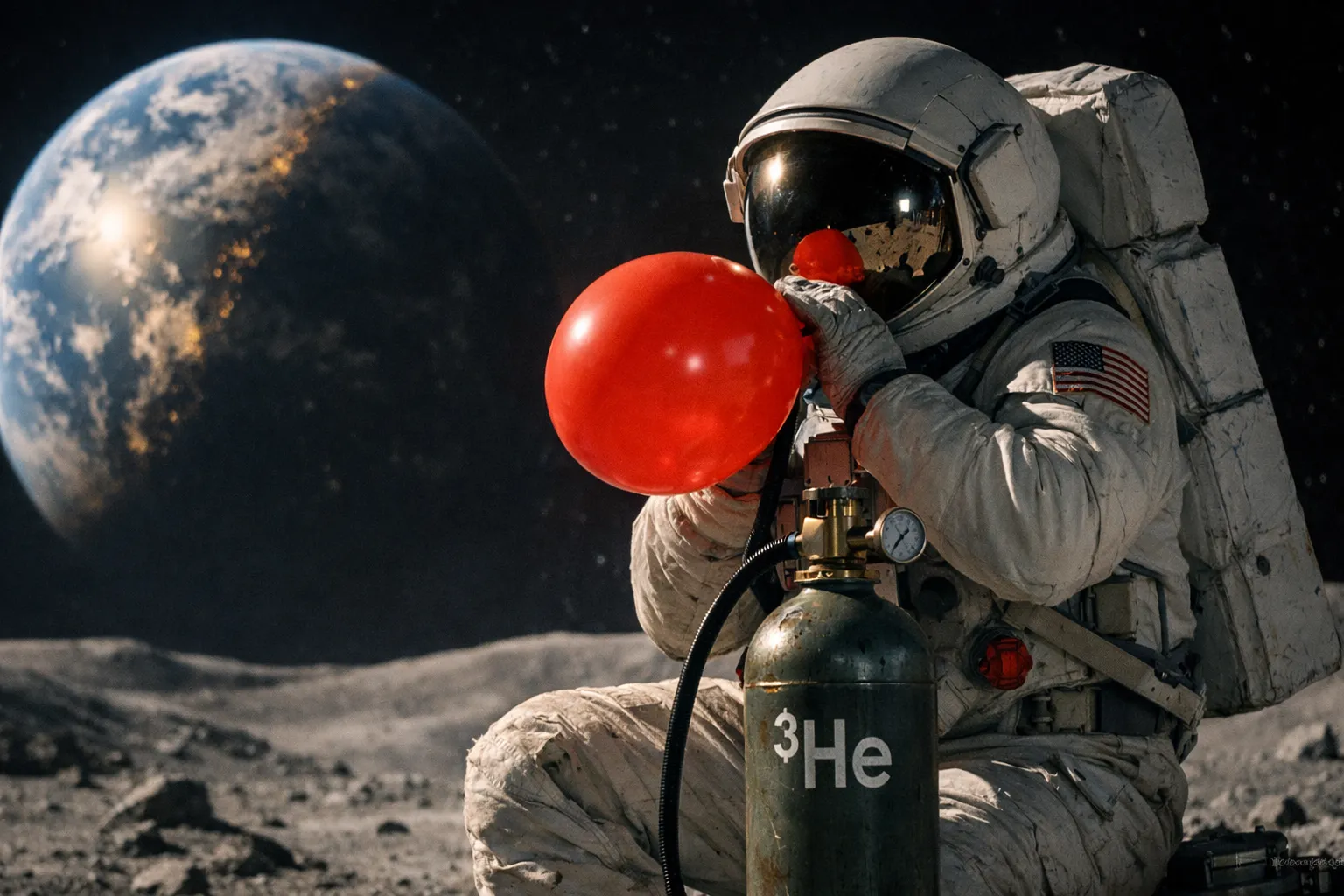
The Moon’s helium-3 dream is seductive, but the physics and economics demand a much colder reality check.

Aging Mars orbiters reveal the quiet fragility of the communication network that keeps robotic exploration alive.
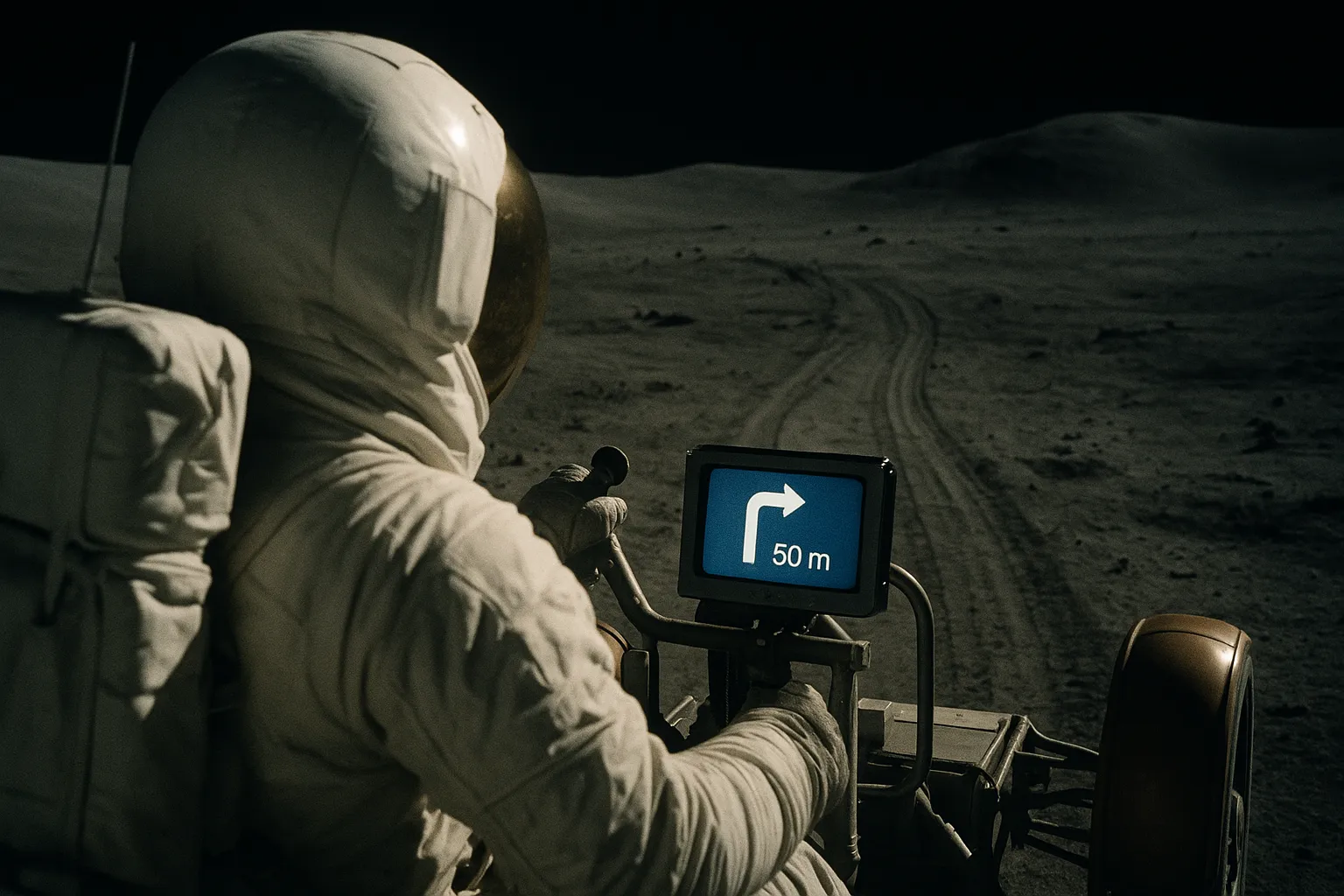
NASA’s LuGRE experiment asks a deceptively simple question: can Earth’s navigation signals help explorers find their way on the Moon?
A tiny asteroid mistaken for a new moon becomes a neat lesson in orbital nuance and public excitement.
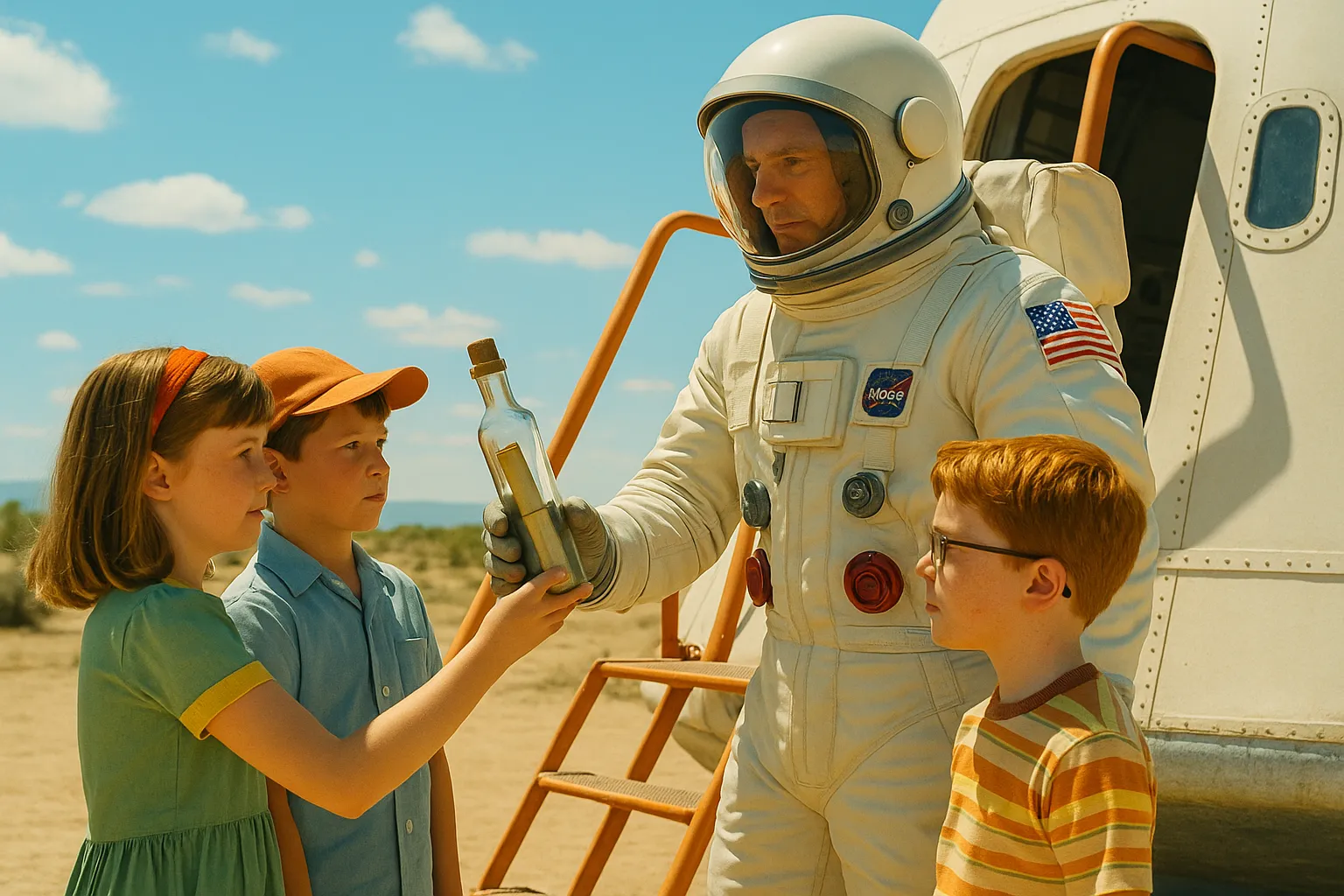
NASA’s name-to-space campaigns turn public participation into a small but surprisingly powerful emotional link with exploration.
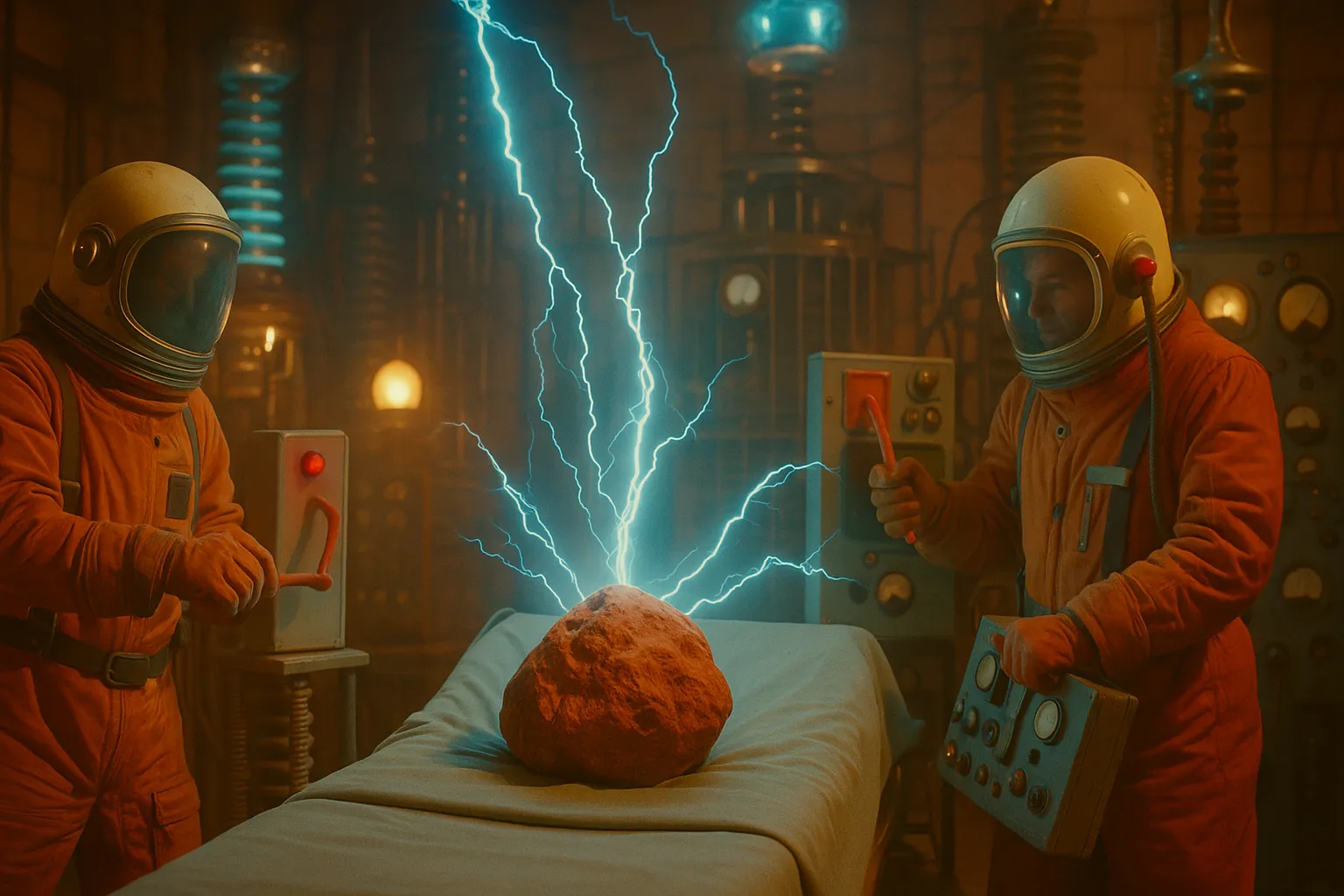
A Martian rock forces a hard question: what would count as evidence for life when certainty is out of reach?
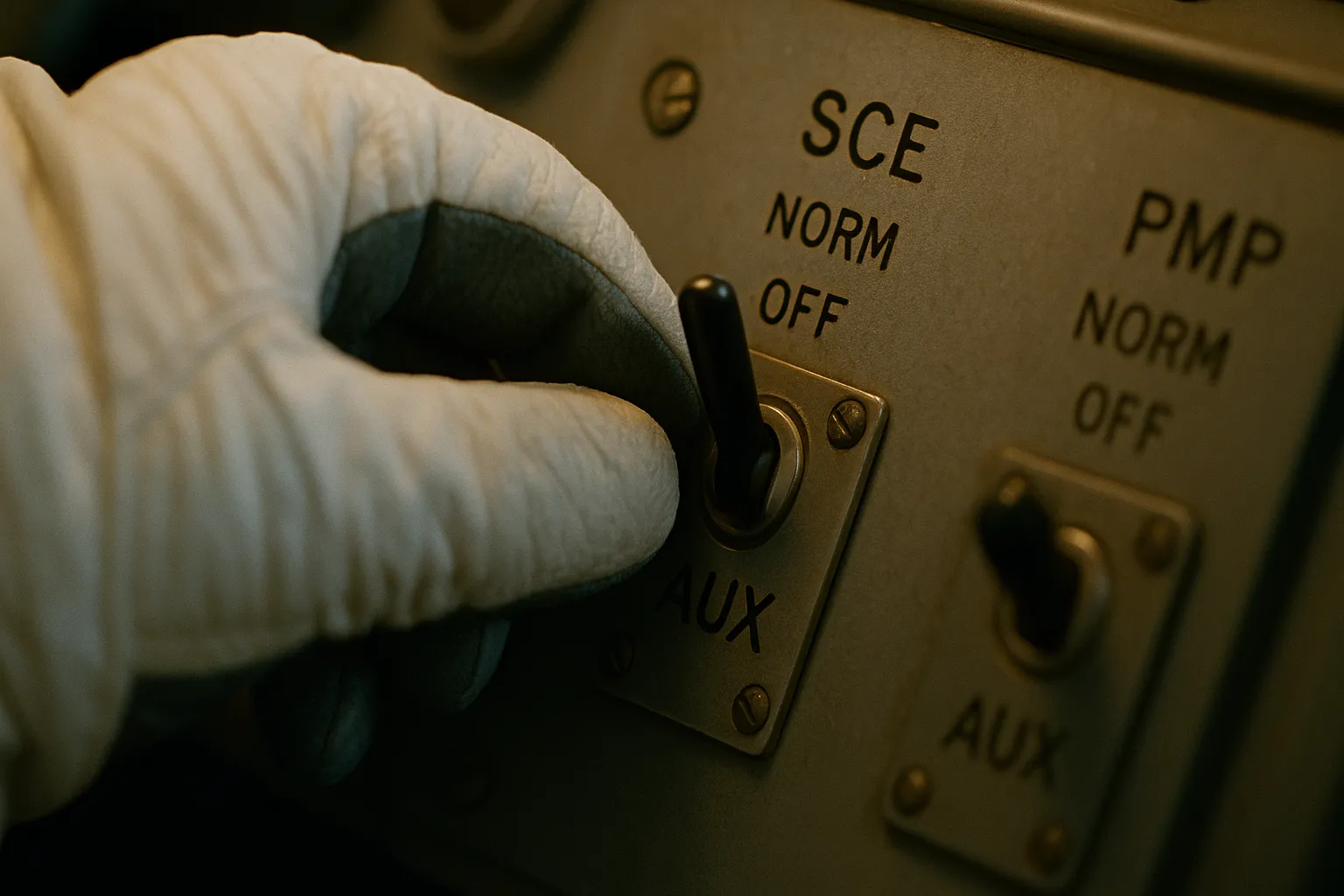
The famous Apollo 12 call shows how obscure switches, calm expertise, and memory can save a mission in seconds.
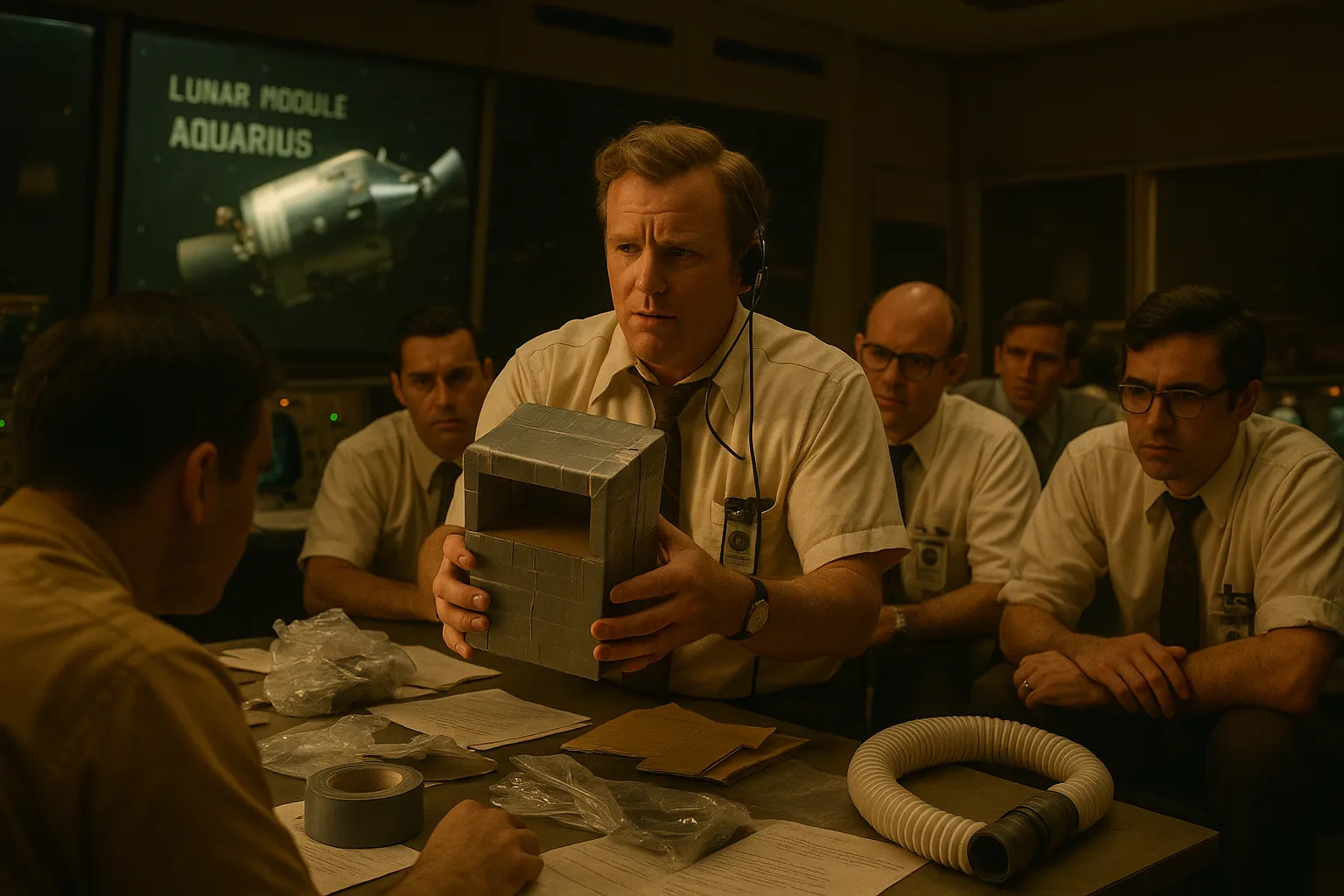
Ed Smylie’s Apollo 13 fix is a reminder that survival in space can depend on ordinary materials and extraordinary thinking.
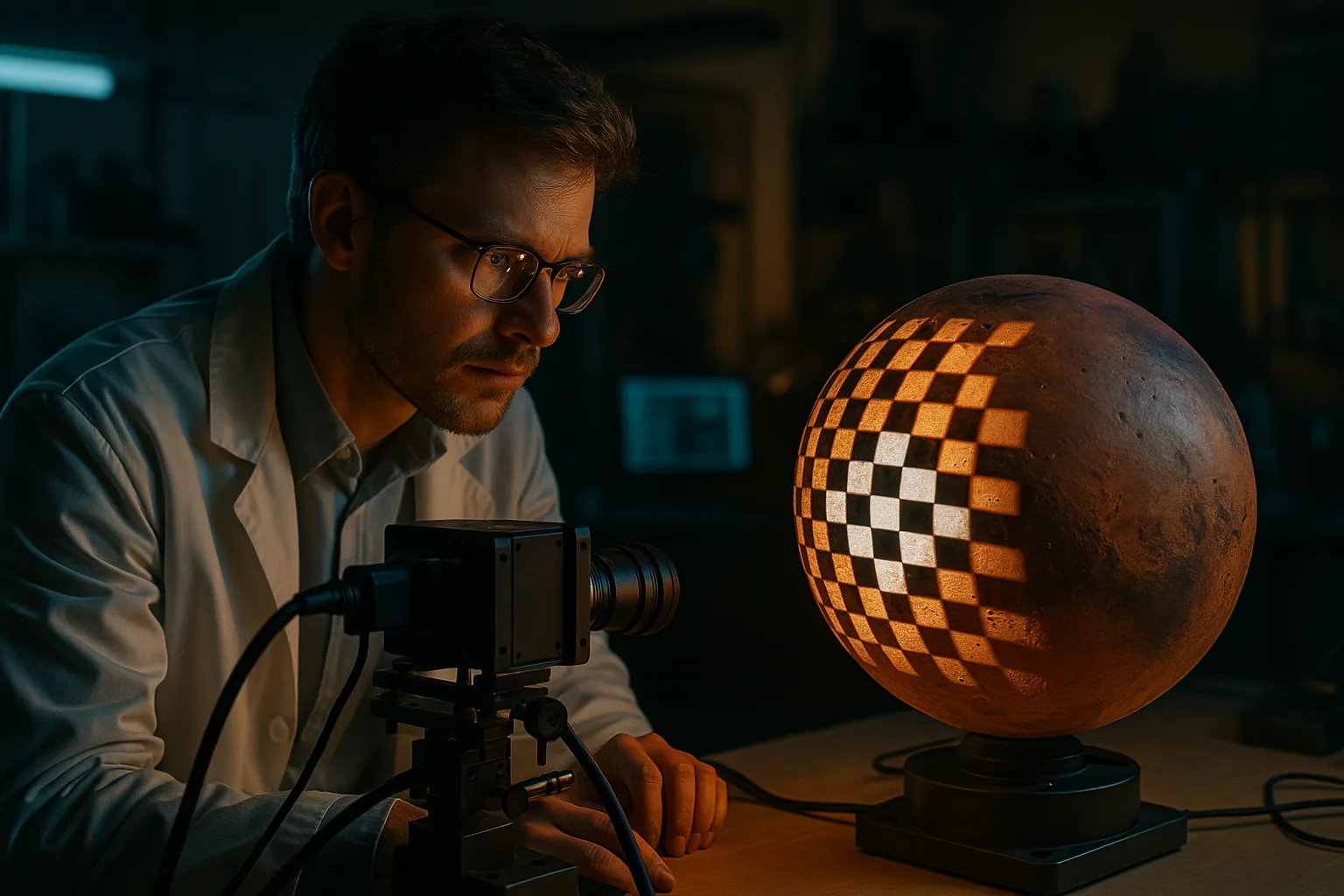
The Hadamard code links deep-space imaging and clever cameras through a beautiful trick of mathematics.
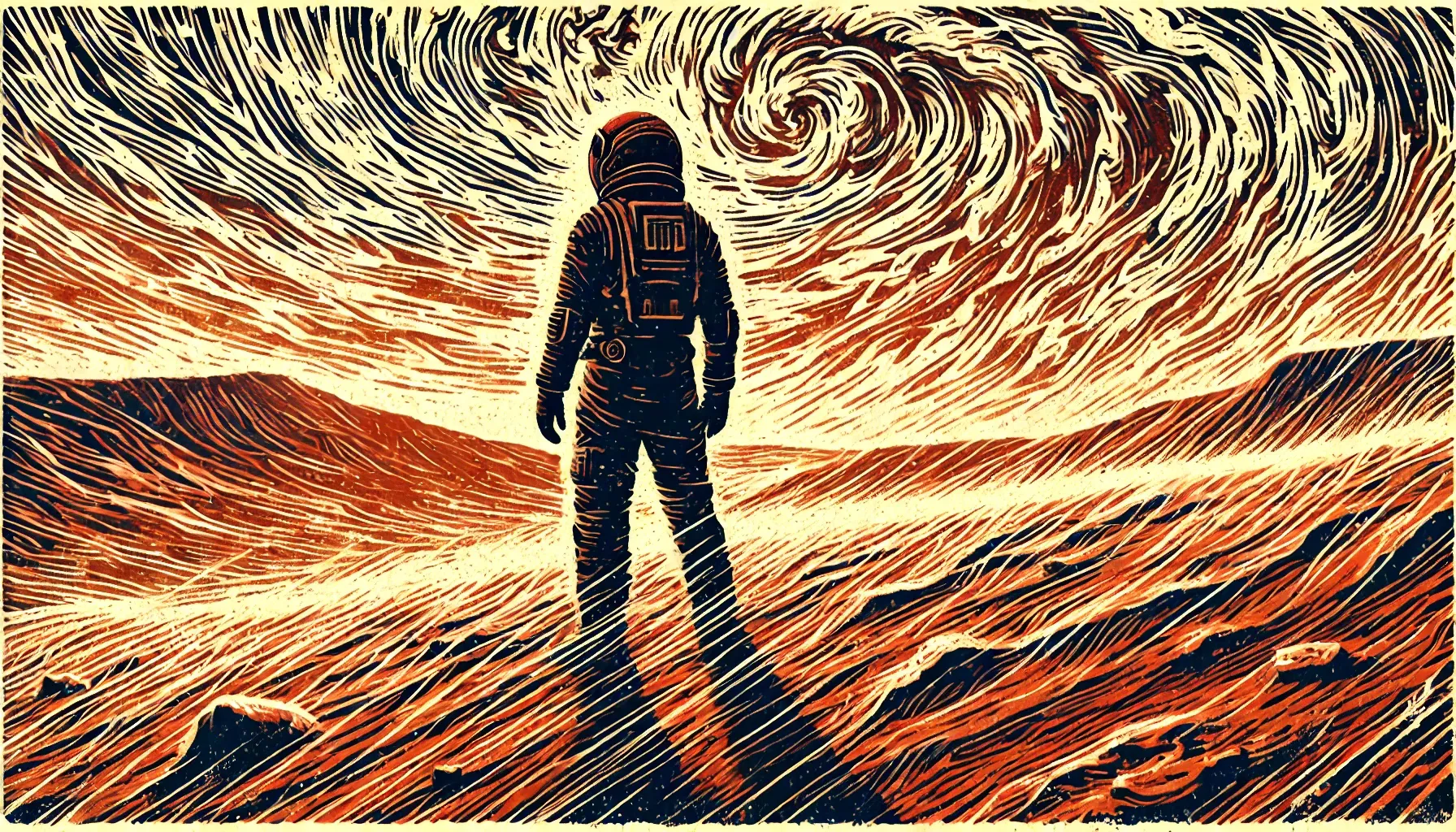
Mars storms are less Hollywood than legend suggests, but the real weather still matters for future explorers.
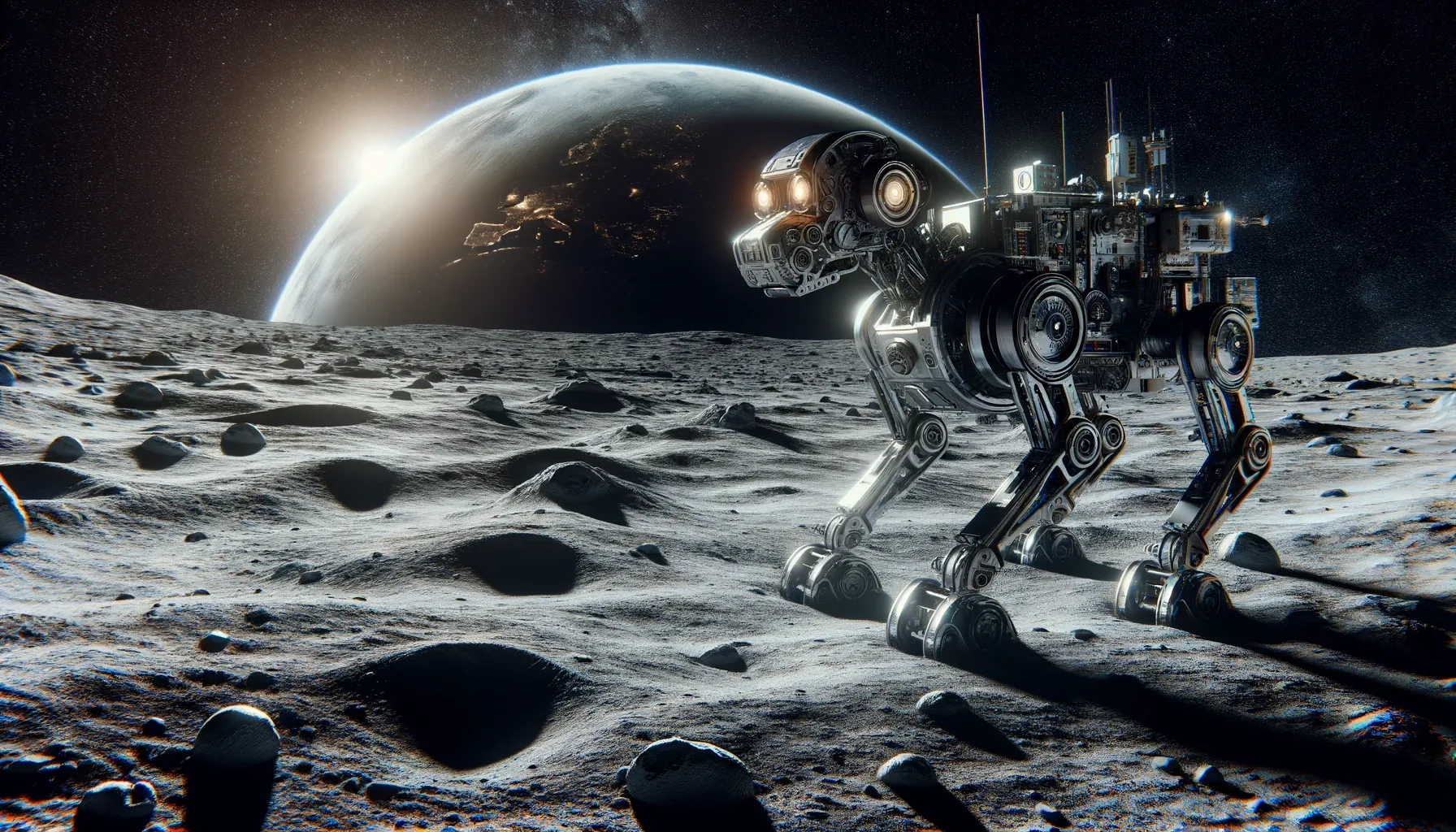
On the Moon, the choice between wheels and legs is really a question about terrain, energy, and mission style.
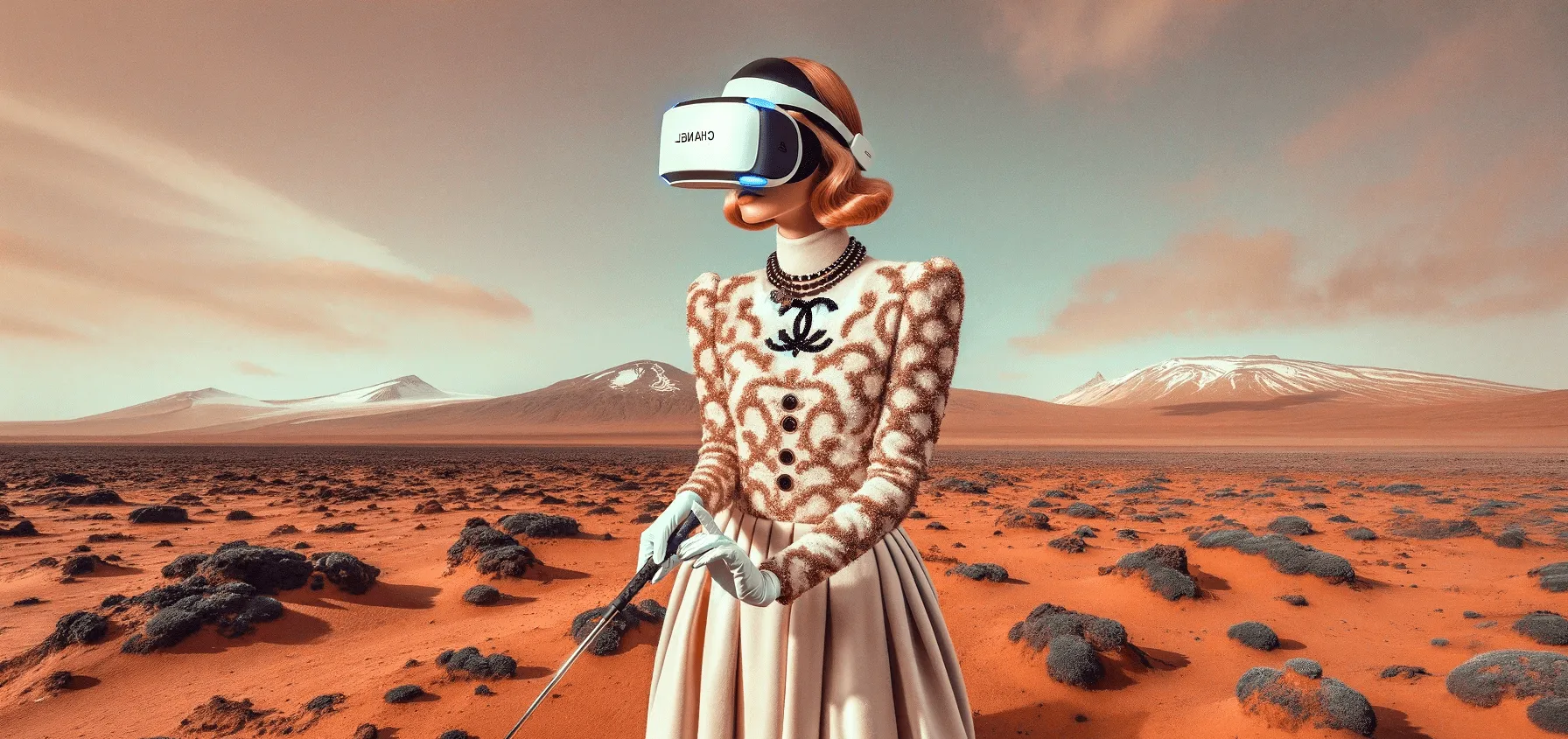
NASA’s use of Unreal Engine shows how game technology can become serious preparation for Mars operations.
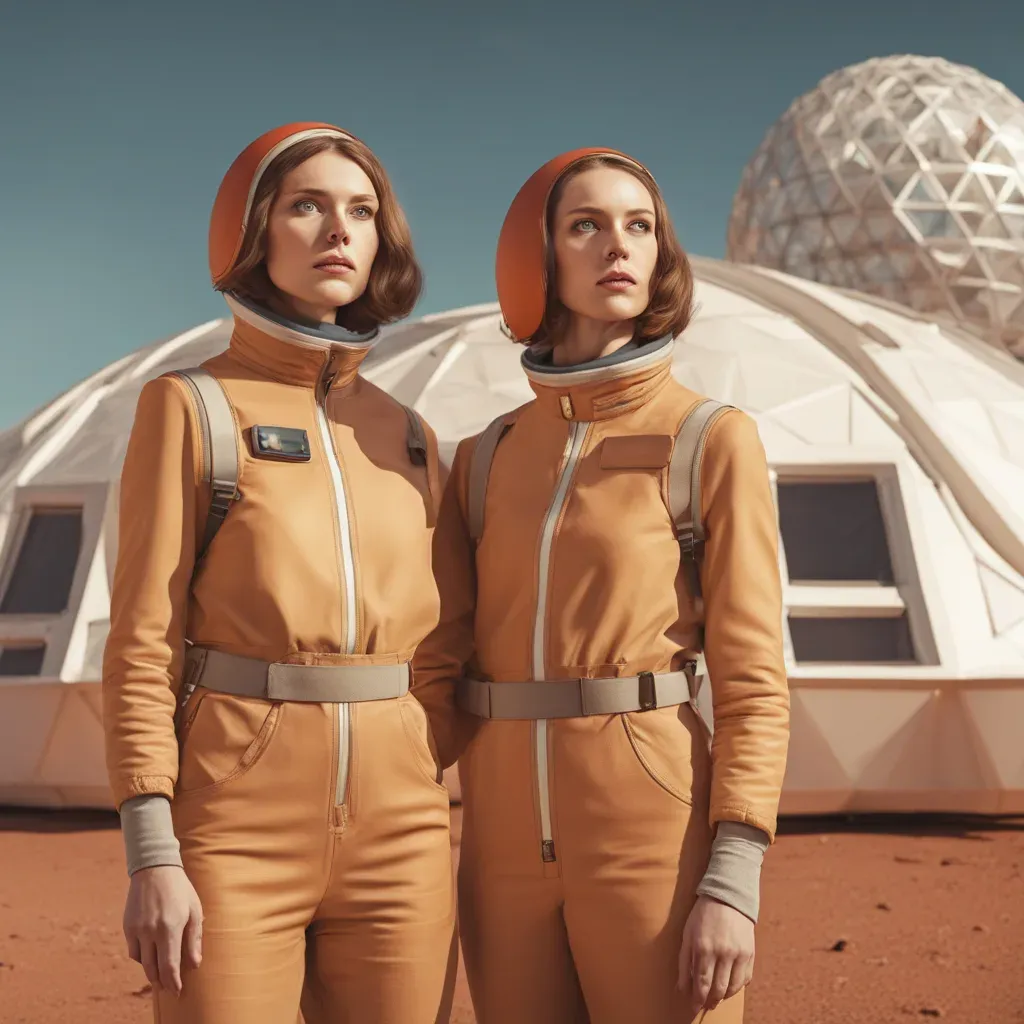
Buckminster Fuller’s geometry still feels futuristic because efficient structures matter on Earth and even more beyond it.

The hunt for life beyond Earth depends on instruments, patience, and the humility to recognize ambiguous evidence.
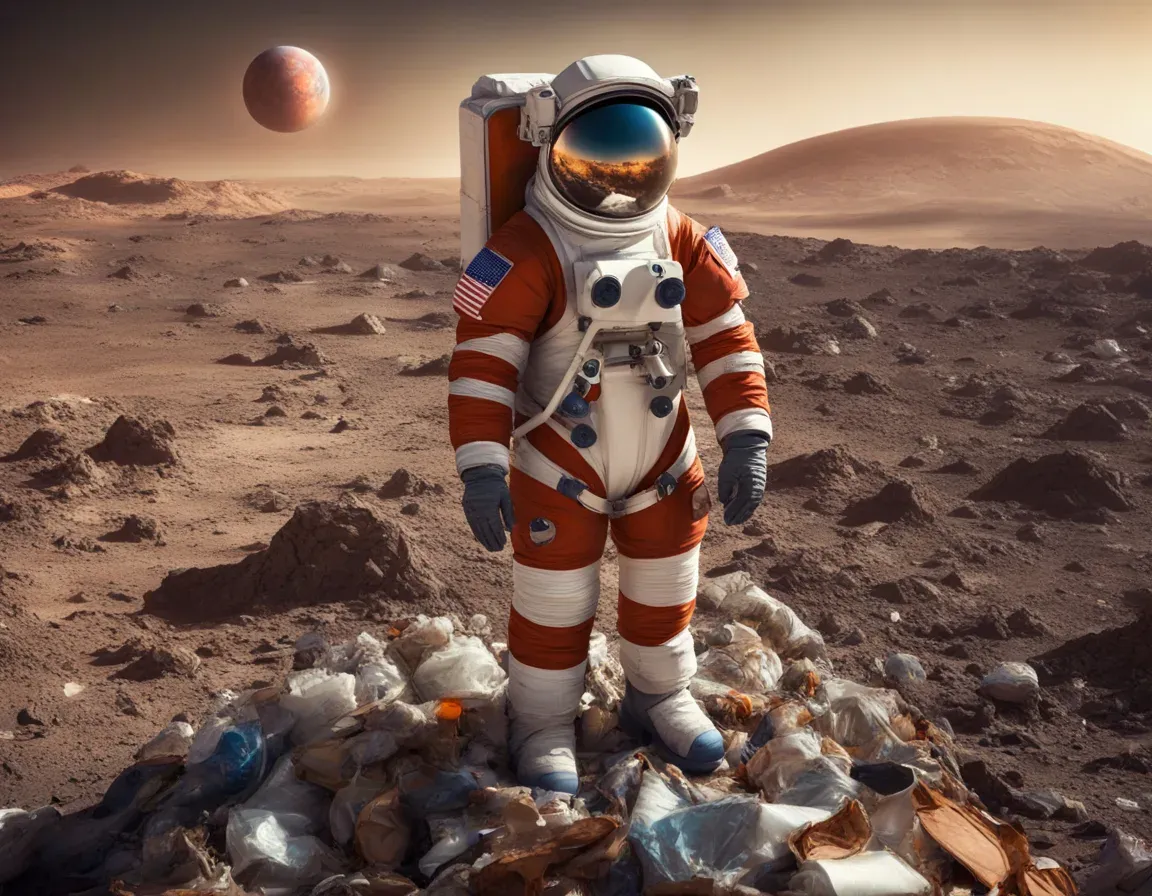
A Mars mission’s second layer of risk involves human limits, logistics, and the harsh details slogans leave out.
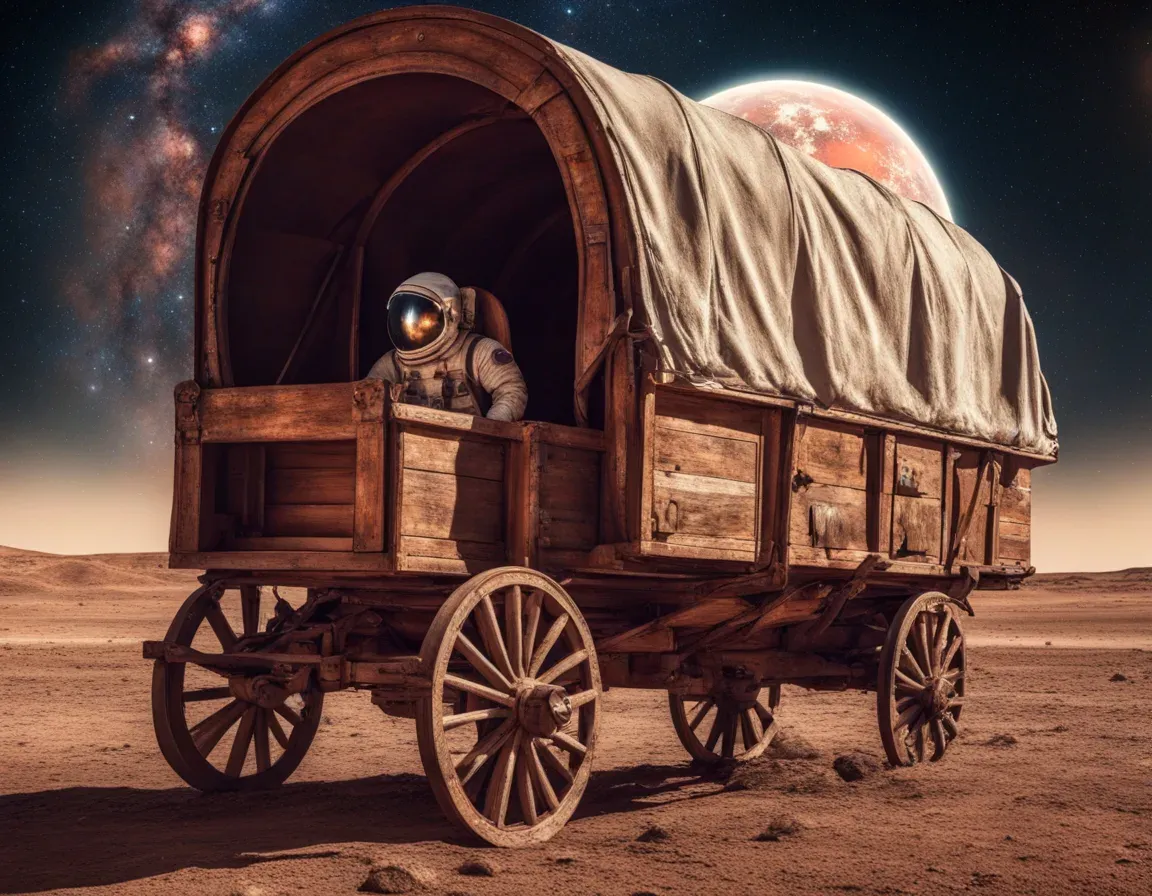
Getting to Mars is not one problem but a chain of hazards, each waiting to test the mission design.

The lunar rover turned walking distance into exploration range, changing what astronauts could actually do on the Moon.

The lunar south pole matters because shadow, ice, terrain, and politics all converge in one difficult region.
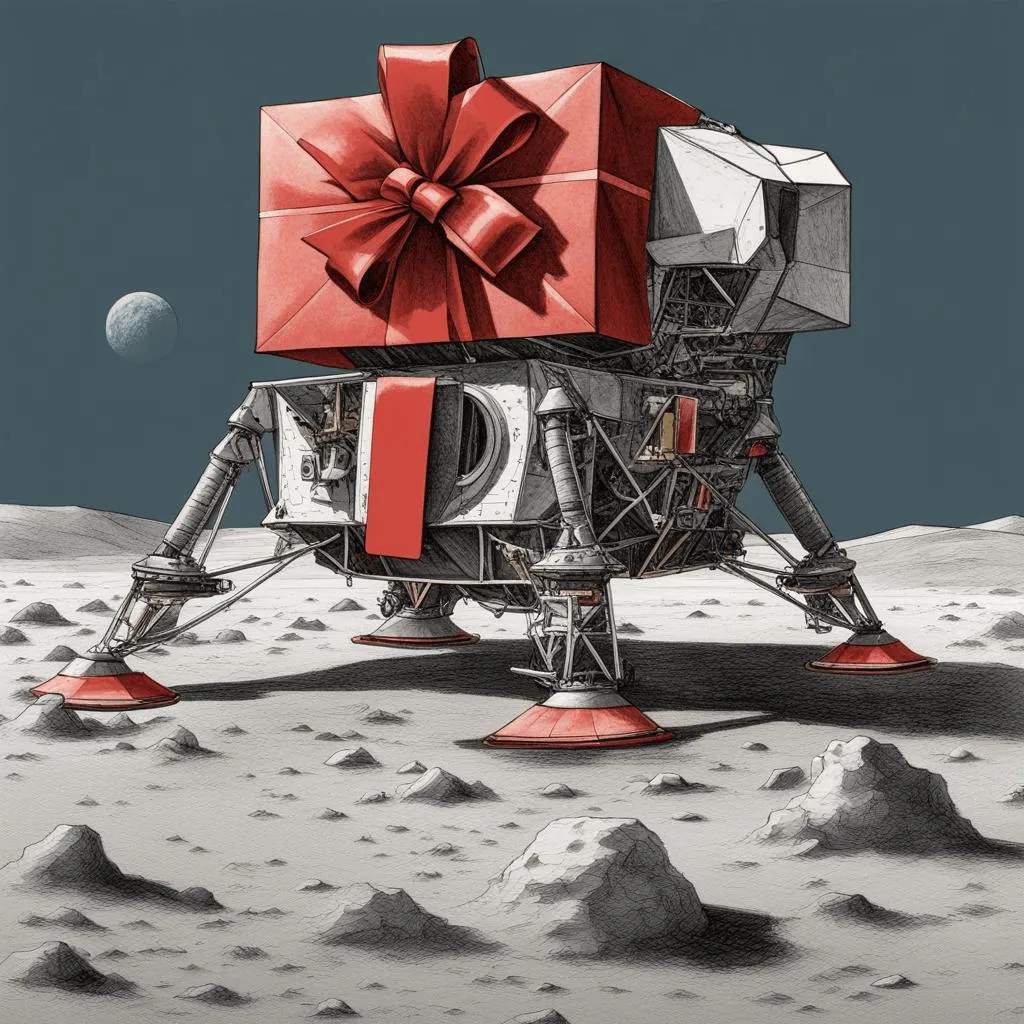
Apollo’s duct-tape fixes show how improvised materials can become mission-critical technology when options run out.
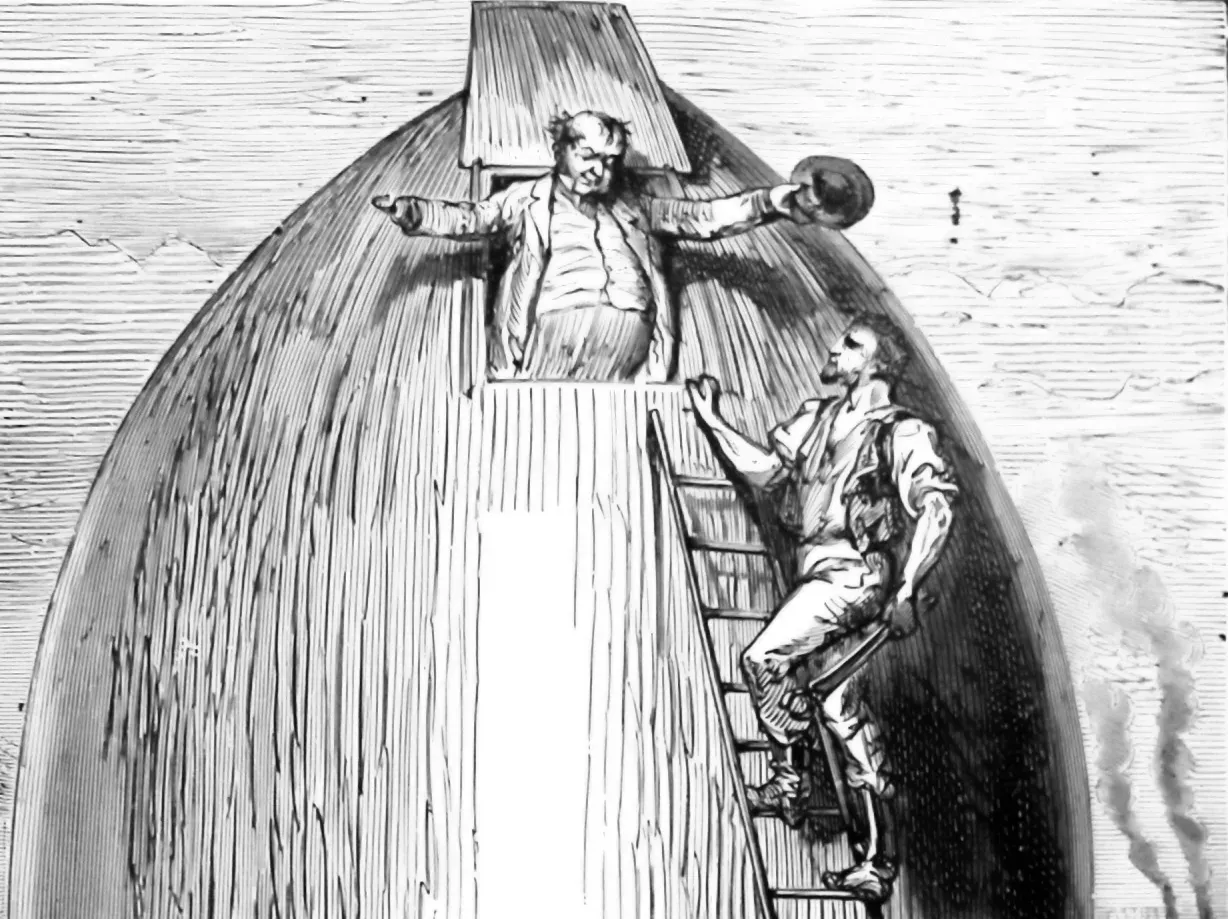
Jules Verne’s Moon voyage was wildly wrong in places and surprisingly insightful in others.
Apollo 11 left more on the Moon than footprints, and those objects tell a surprisingly human story.
Gemini 5 shows how public patience, political funding, and technical milestones can collide in human spaceflight.
Space computers have evolved from Apollo-era constraints to modern autonomy, but reliability remains the central demand.
NASA’s Snoopy Award honors the quiet excellence behind missions, where small decisions can protect lives.